Musicerende en dansende saters en nimfen — History & Facts
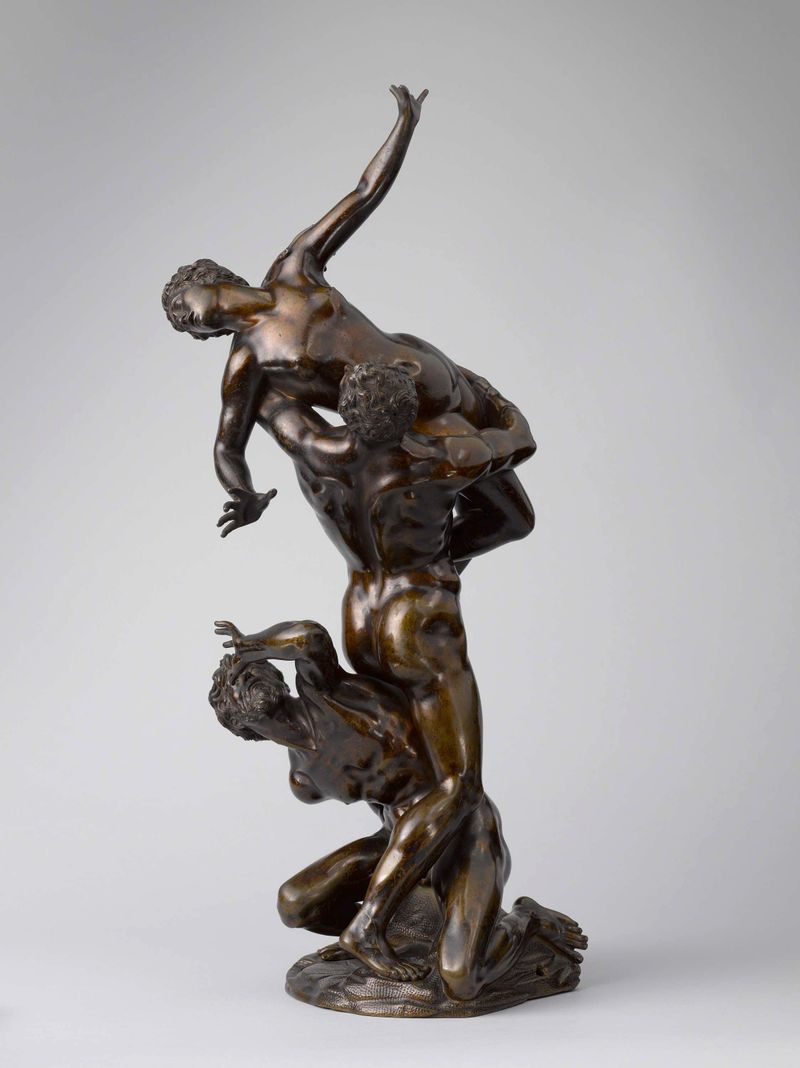
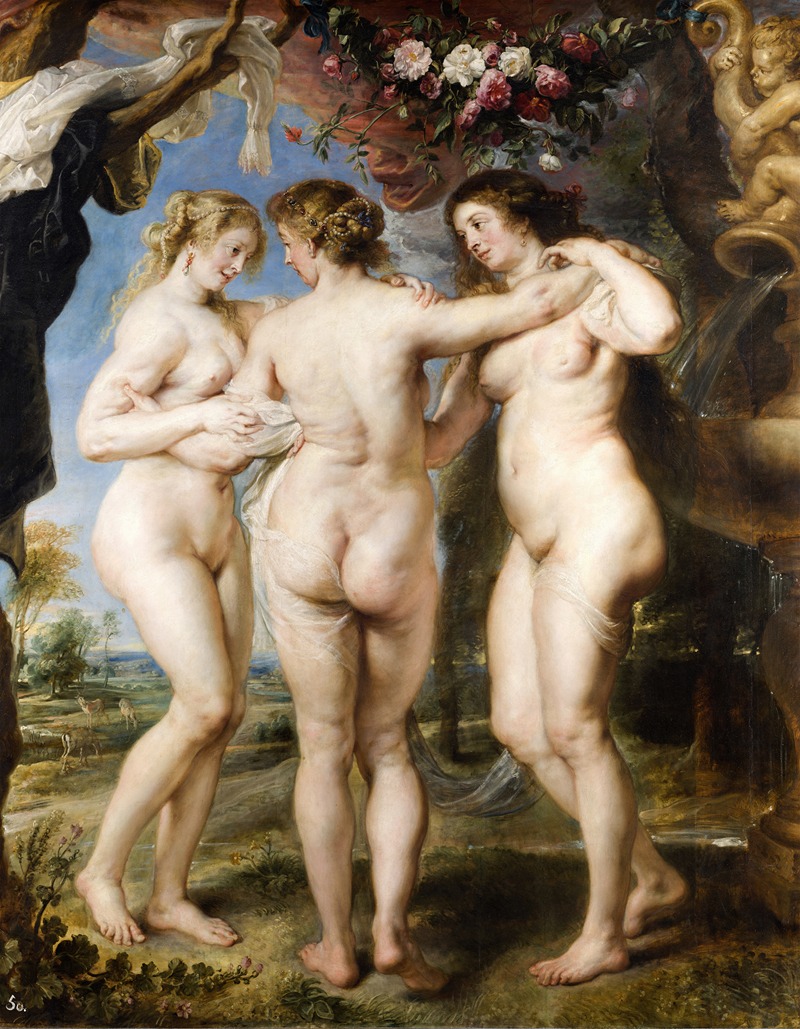
In the delicate interplay of music and movement, the unspoken revolutions of the soul dance through the air, suggesting that beneath the surface, chaos often brews. Look to the center of the composition, where the satyrs and nymphs whirl in harmonious abandon. Their forms are rendered with a fluidity that seems to echo the music they embody. Notice how the soft lines of their bodies contrast with the intricate detailing of their surroundings.
Hollar’s masterful use of chiaroscuro accentuates the figures, creating a rhythmic visual cadence that pulls the viewer into their world. The earthy palette warms the scene, while touches of green and gold highlight the joy and vitality that erupts in the midst of nature. Yet beneath this joyous facade, there exists an undercurrent of tension—an awareness of the natural order disrupted. The satyrs, embodiments of untamed instincts, stand in stark contrast to the grace of the nymphs, suggesting a dance between civilization and the wild.
Their revelry reflects a moment of liberation, yet hints at the potential chaos of unrestrained desires. It speaks to the fragility of joy, a fleeting moment before the inevitable return to reality. In 1650, Hollar was navigating the complex artistic landscape of a post-Reformation Europe, marked by upheaval and transformation. Living in London after fleeing the Thirty Years' War, he captured the interplay of art and rebellion, using his prints to convey both beauty and social commentary.
As he created this work, the themes of revolution and new ideas permeated the air, urging artists like him to explore the delicate balance between nature and civilization.
More Artworks by Wenceslaus Hollar
Browse all →
Portret van Anna Boleyn, koningin van Engeland
Wenceslaus Hollar
Bird’s eye view of Jerusalem
Wenceslaus Hollar
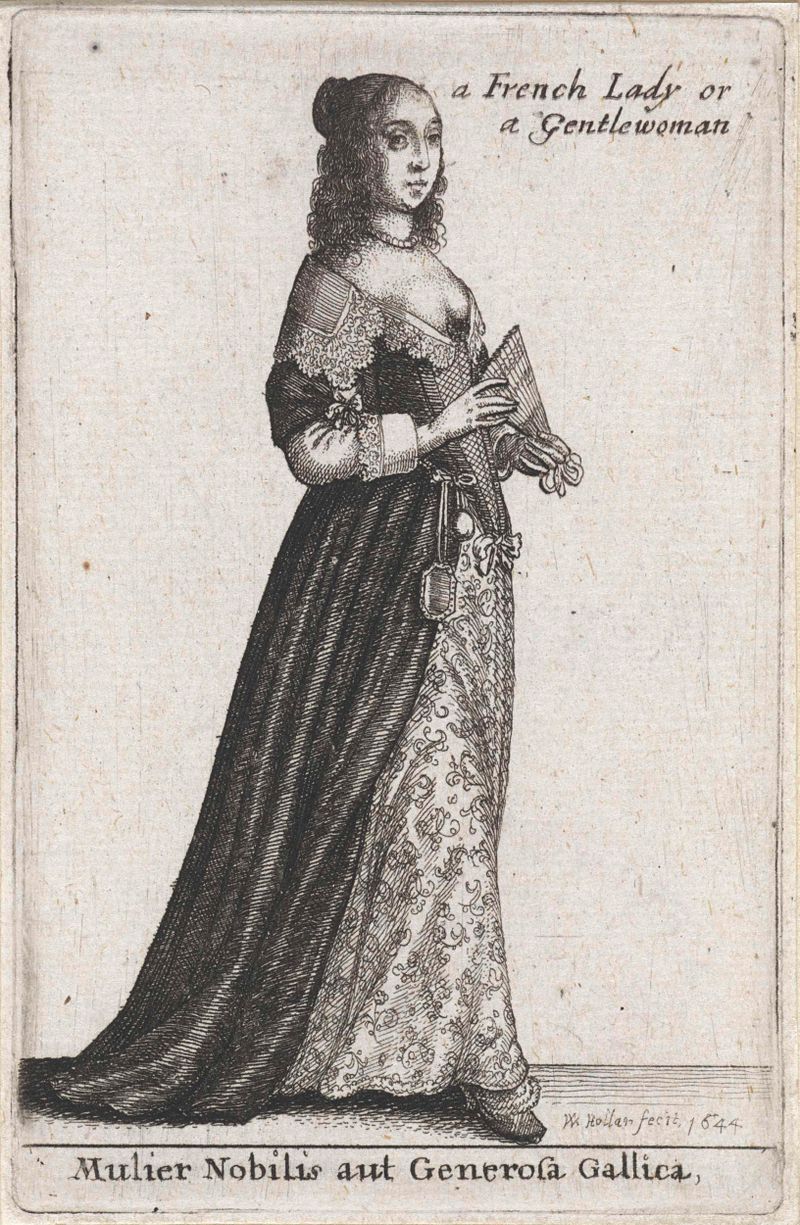
Mulier Nobilis aut Generosa Gallica / a French Lady or Gentlewoman
Wenceslaus Hollar
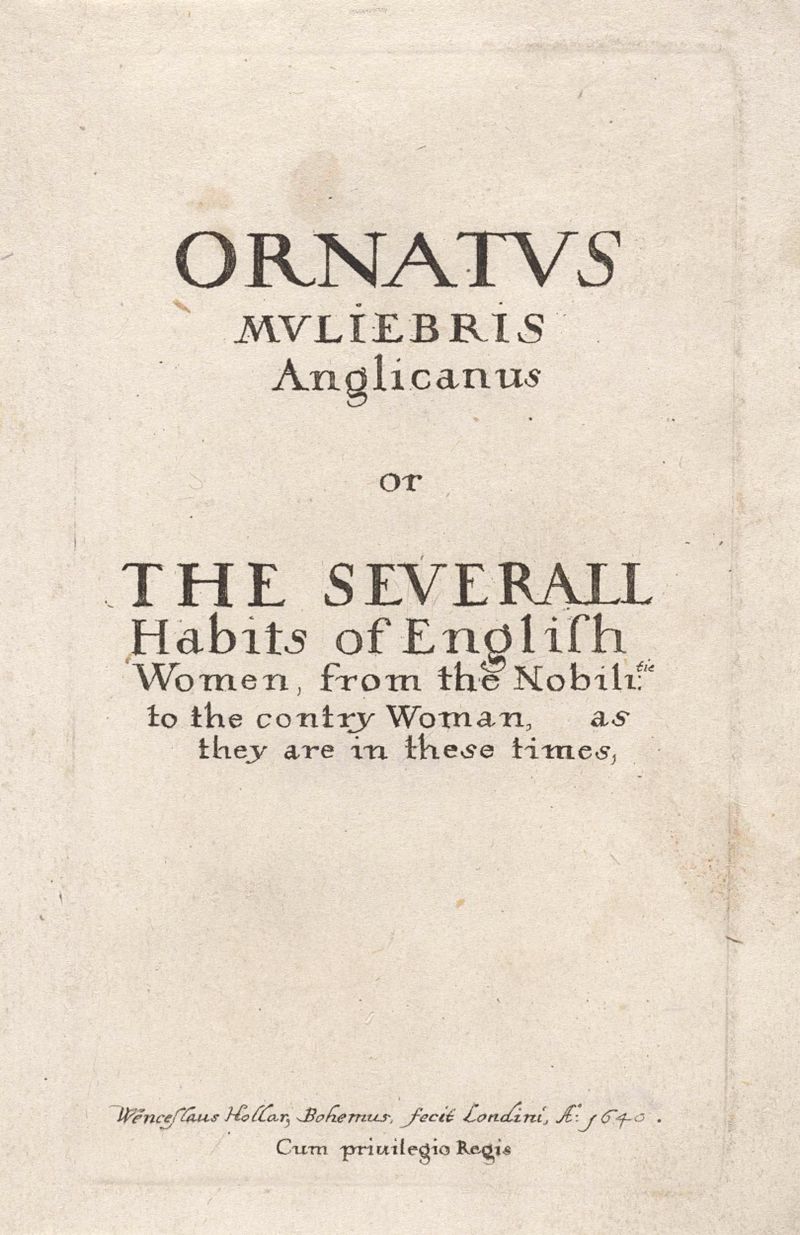
Titelprent voor: Ornatus Muliebris Anglicanus
Wenceslaus Hollar
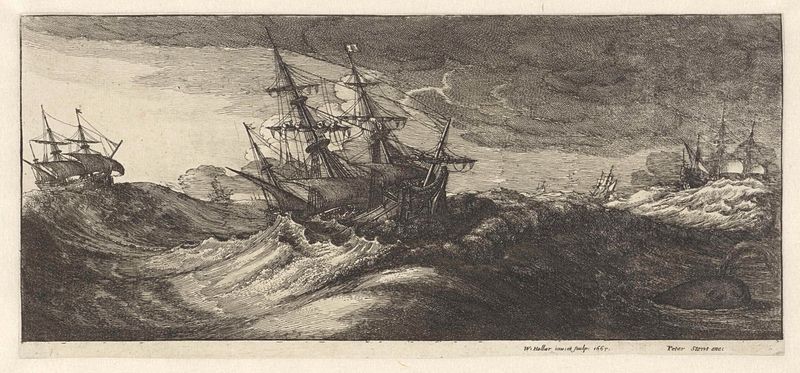
Oorlogsschepen en een walvis in een zeestorm
Wenceslaus Hollar
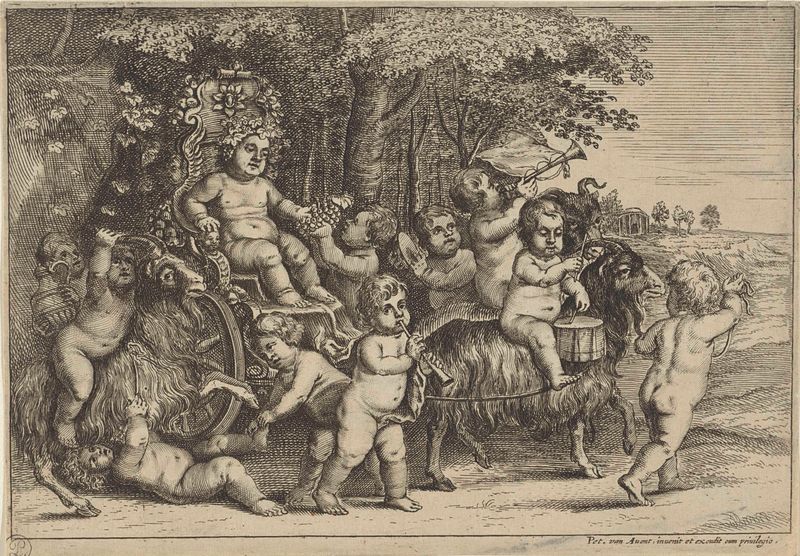
Optocht van bacchant en jongetjes op geiten
Wenceslaus Hollar
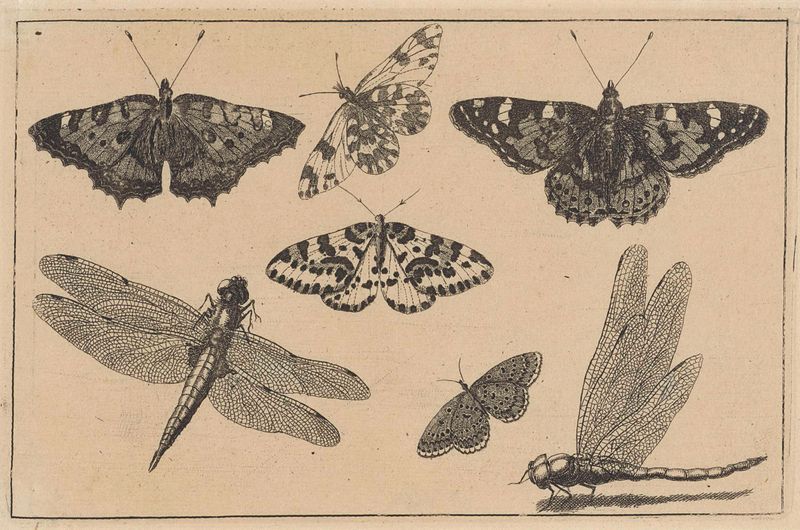
Twee libellen en vijf vlinders
Wenceslaus Hollar
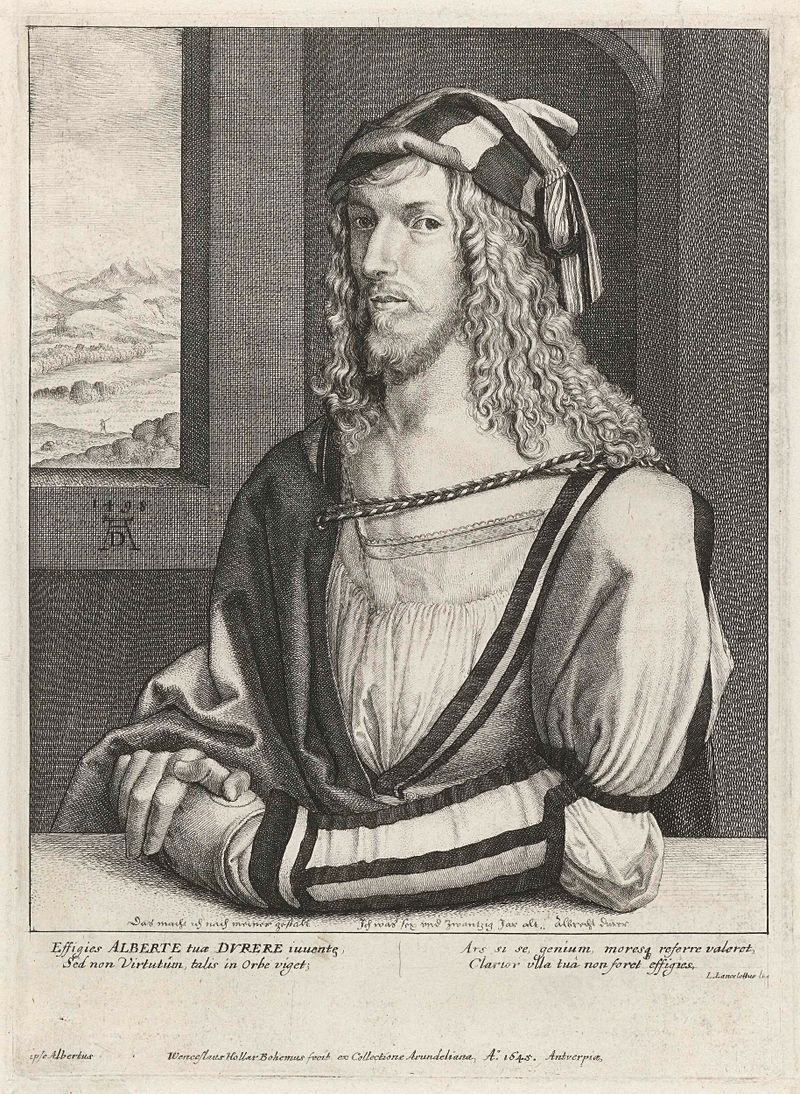
Portret van Albrecht Dürer
Wenceslaus Hollar
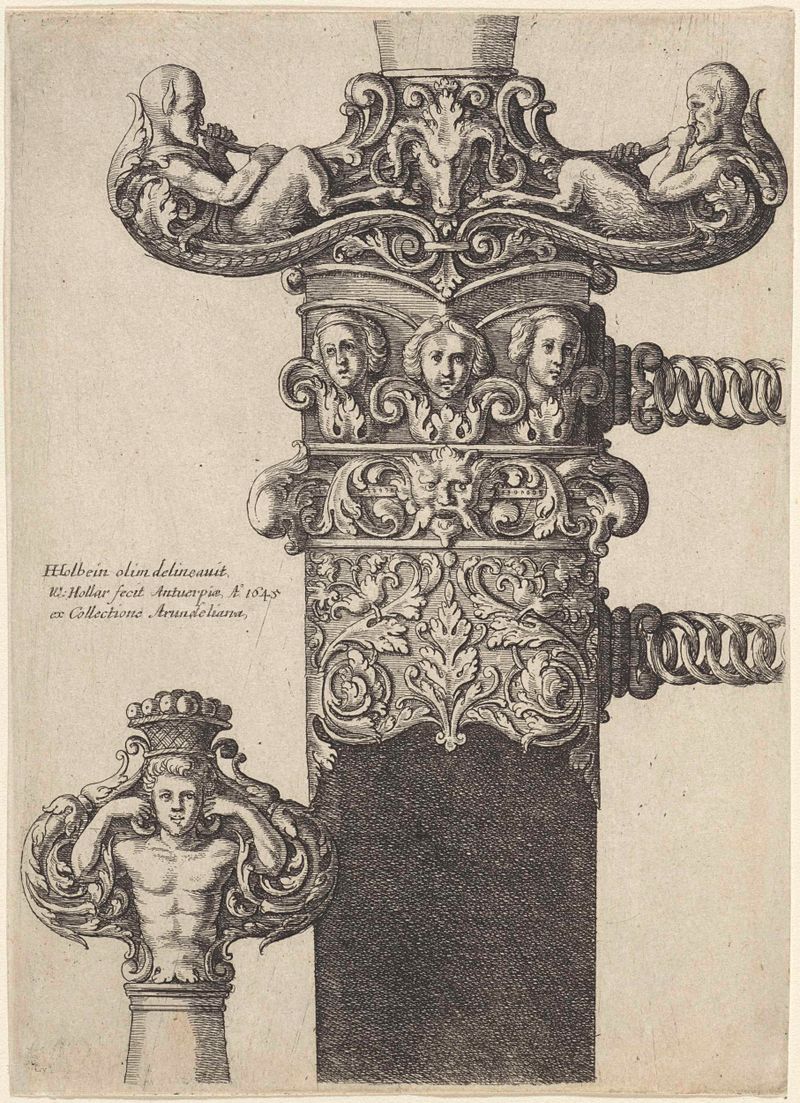
Ornamenteel ontwerp voor een dolk
Wenceslaus Hollar
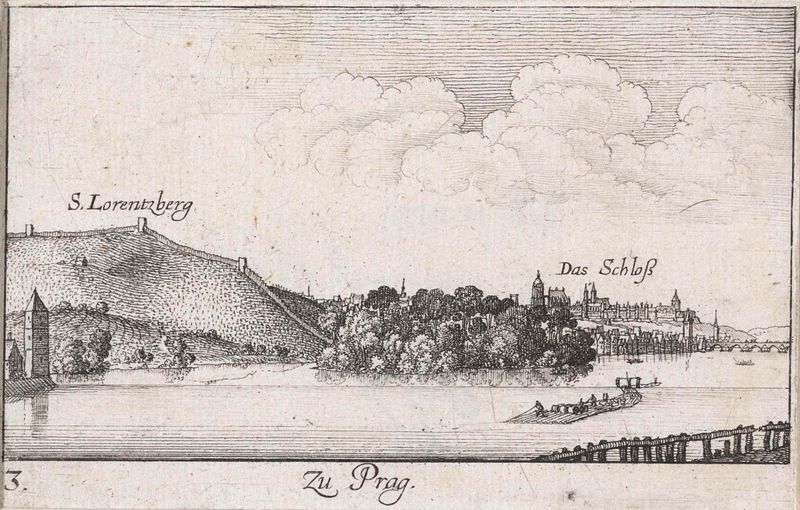
Gezicht op Praag vanaf de Moldau
Wenceslaus Hollar