
Na de dagtaak (‘Arme mensen’) — History & Facts
In Na de dagtaak (‘Arme mensen’), Alfred Ost presents a scene filled with muted colors and somber tones. The figures depicted are poor individuals engaged in their daily tasks, reflecting their struggles. The setting appears to be a humble interior, emphasizing the simplicity of their lives.
The expressions on their faces convey a sense of weariness and resilience. The painting is executed in oil on canvas, a medium that allows for rich textures and depth. The brushwork is detailed, capturing the nuances of light and shadow in the scene. Viewers can notice the careful attention to the clothing and surroundings, which further illustrate the social conditions of the time.
The composition draws the eye to the central figures, highlighting their plight. Alfred Ost was known for his depictions of everyday life, often focusing on the working class. This particular work reflects the social realities of the early 20th century, showcasing the struggles of the poor. An interesting fact about Na de dagtaak is that it was created during a time of significant social change in Belgium, making it a historical document as much as an artwork.
Ost's ability to capture the essence of his subjects makes this painting a notable example of realism.
More Artworks by Alfred Ost

Danseres
Alfred Ost

Dansers
Alfred Ost
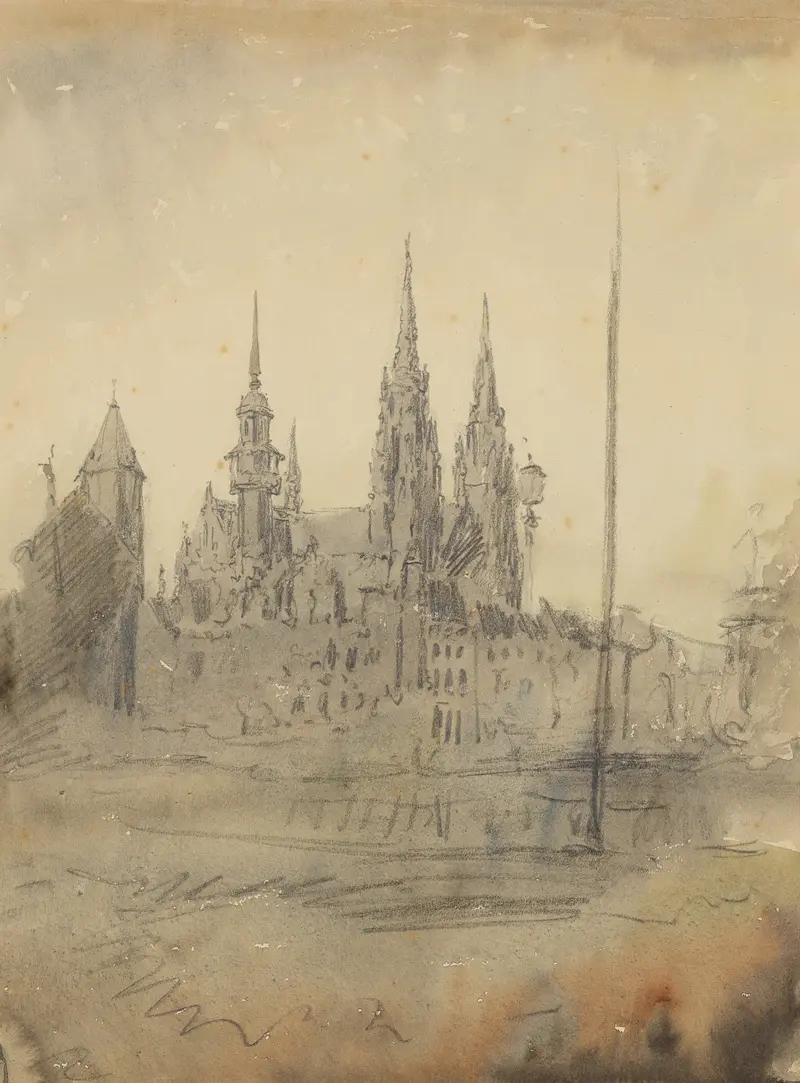
Oostende in de mist
Alfred Ost
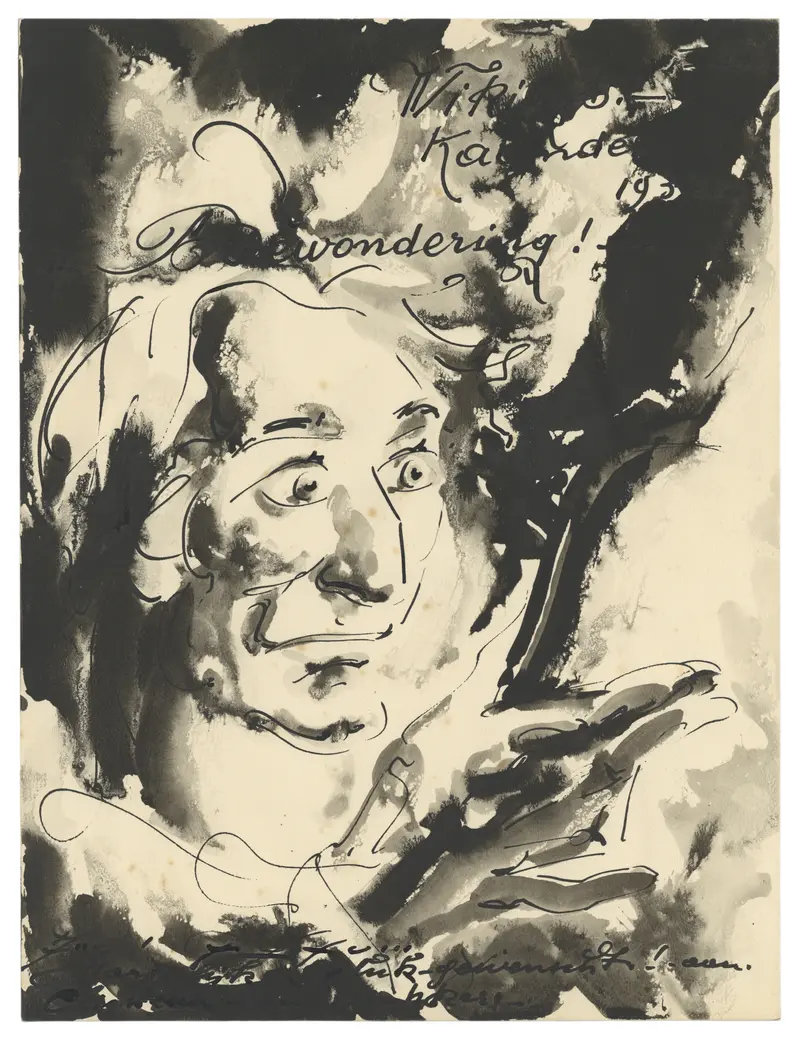
Vikingskalender – II Bewondering
Alfred Ost
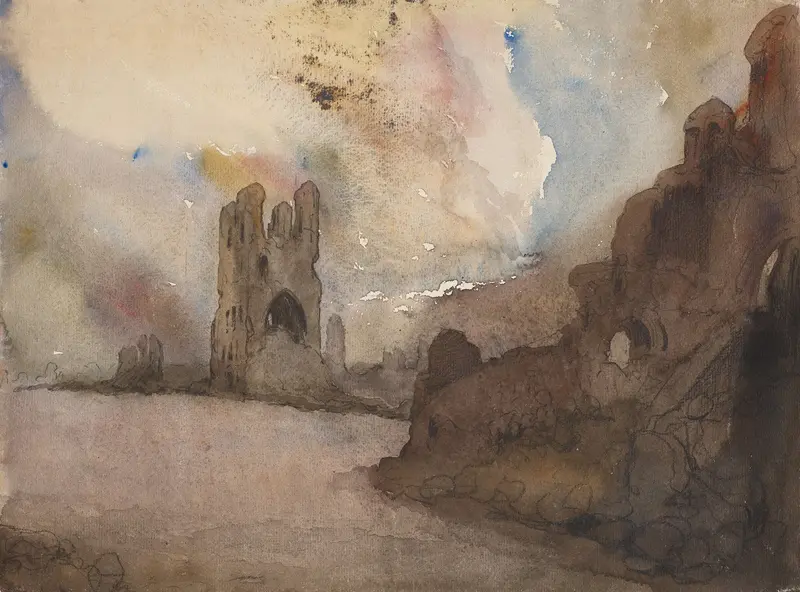
Ypres Remember
Alfred Ost
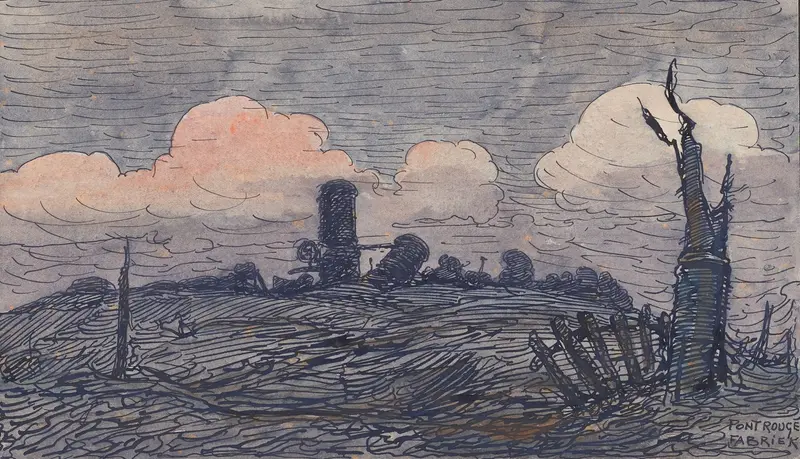
Ypres Remember
Alfred Ost
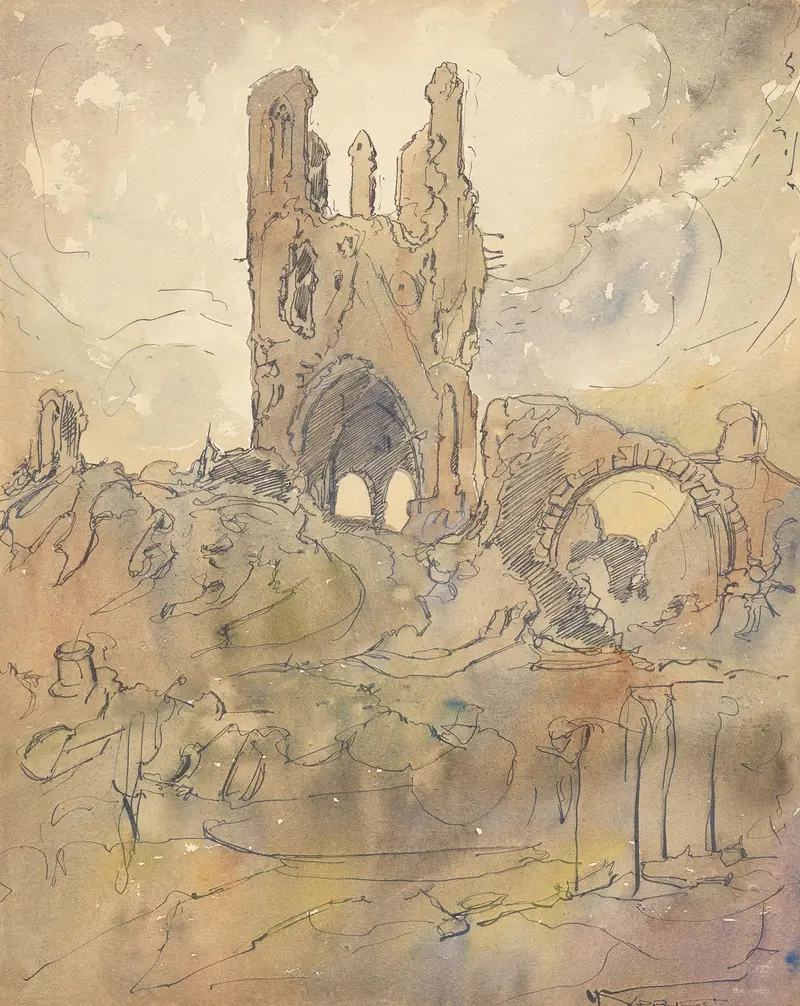
Ypres Remember
Alfred Ost
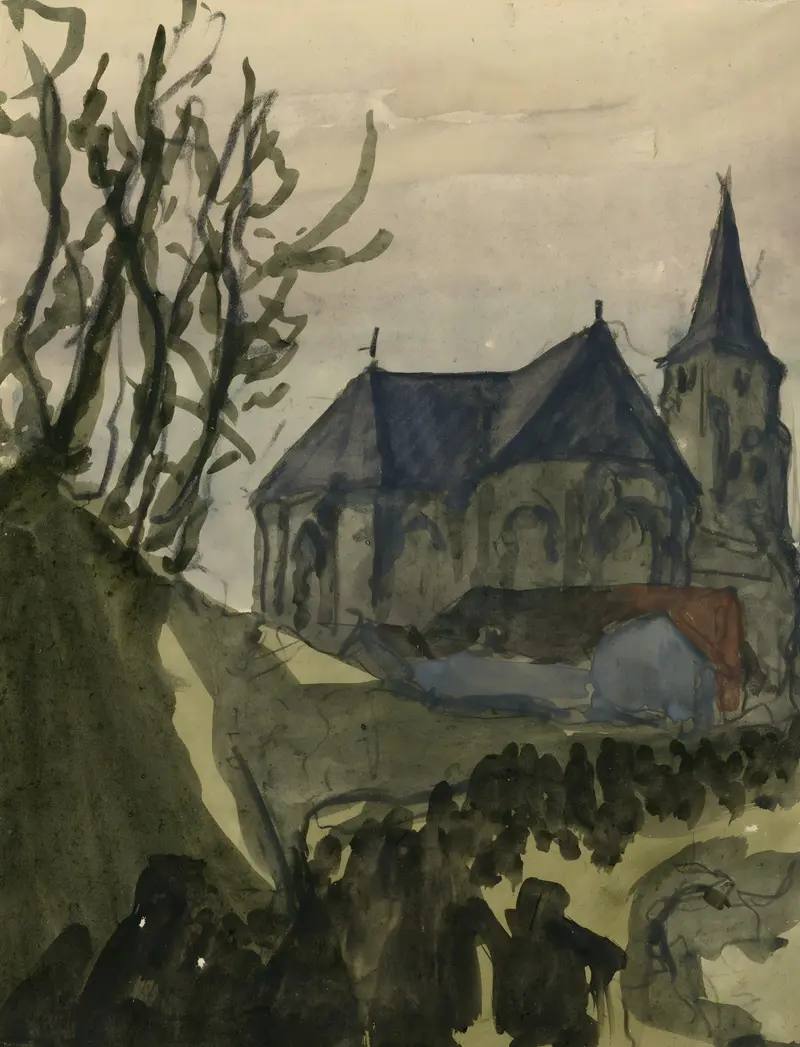
Bedevaarders op weg naar de Sint Salavtorkerk van Hakendover
Alfred Ost
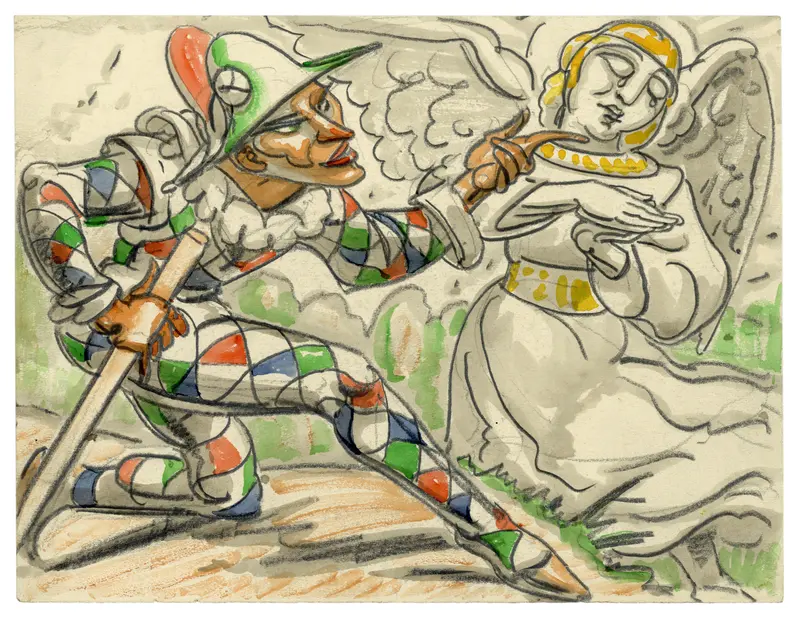
Harlekijn met engel
Alfred Ost

Antwerps havendok
Alfred Ost
More Genre Scene Art

Banquet of the Officers of the St George Civic Guard
Frans Hals

Rembrandt and Saskia in the Scene of the Prodigal Son
Rembrandt van Rijn

Bal du moulin de la Galette
Pierre-Auguste Renoir

Quadrille at the Moulin Rouge
Henri de Toulouse-Lautrec

A Burial at Ornans
Gustave Courbet

When Will You Marry?
Paul Gauguin