
Naues Mercatoriæ Hollandicæ Societis Indiæ Orientalis — History & Facts
In Naues Mercatoriæ Hollandicæ Societis Indiæ Orientalis, Wenceslaus Hollar presents a detailed scene of maritime activity. The etching features ships, sailors, and the bustling atmosphere of trade. The colors are muted, typical of etchings, with shades of gray and brown dominating the scene.
The figures are depicted in various poses, reflecting the dynamic nature of their work. This artwork is an etching, a medium that allows for fine detail and intricate line work. Hollar's technique showcases his skill in capturing the textures of the ships and the waves. The composition is balanced, with a clear focus on the central ships, drawing the viewer's eye into the scene.
The overall impression is one of organized chaos, typical of busy maritime trade. Wenceslaus Hollar was a Bohemian artist known for his detailed etchings and engravings. This particular work reflects the importance of the Dutch East India Company in the 17th century, a major player in global trade. An interesting fact about this etching is that it not only serves as a historical document but also as a commentary on the economic power of maritime nations during this period.
Hollar's work remains significant in understanding the visual culture of the Dutch Golden Age.
More Artworks by Wenceslaus Hollar

Portret van Anna Boleyn, koningin van Engeland
Wenceslaus Hollar
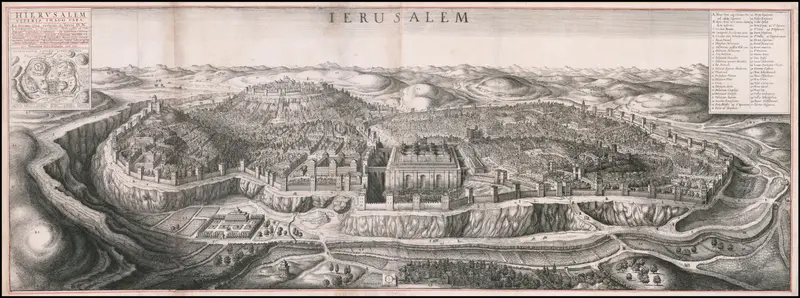
Bird’s eye view of Jerusalem
Wenceslaus Hollar
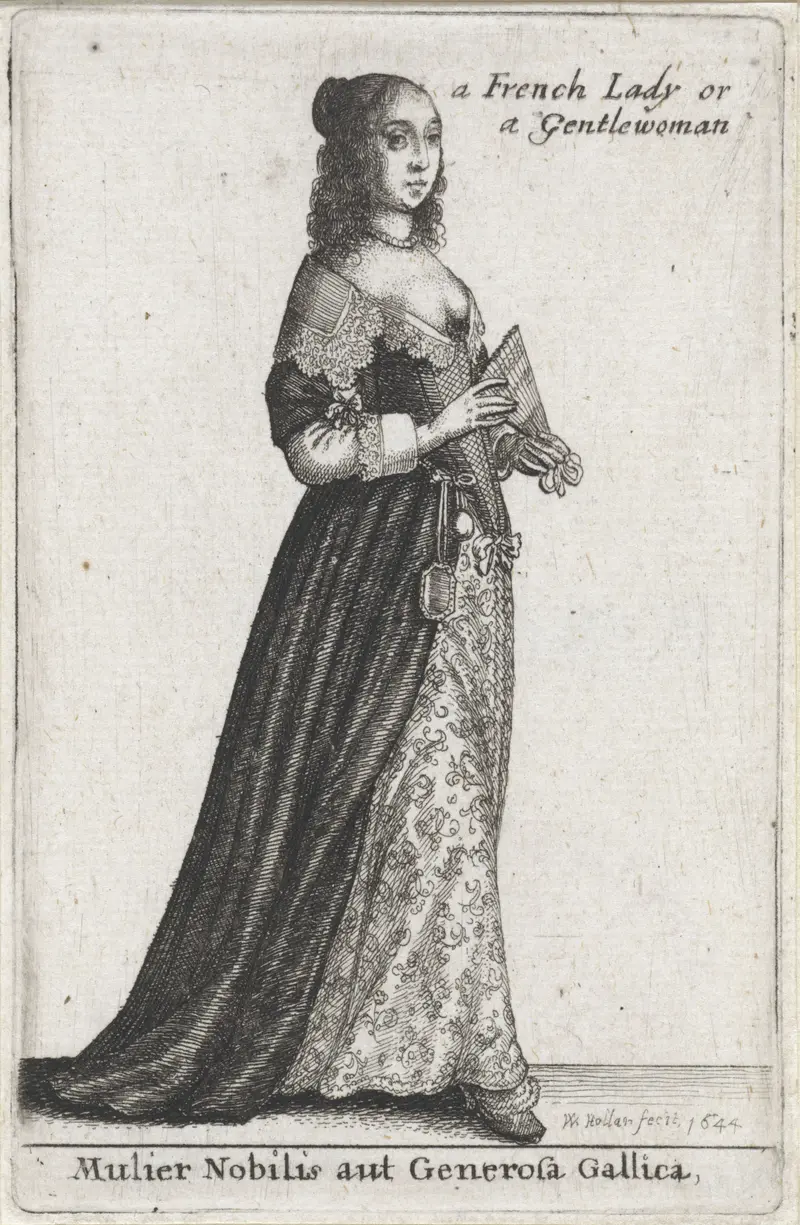
Mulier Nobilis aut Generosa Gallica / a French Lady or Gentlewoman
Wenceslaus Hollar
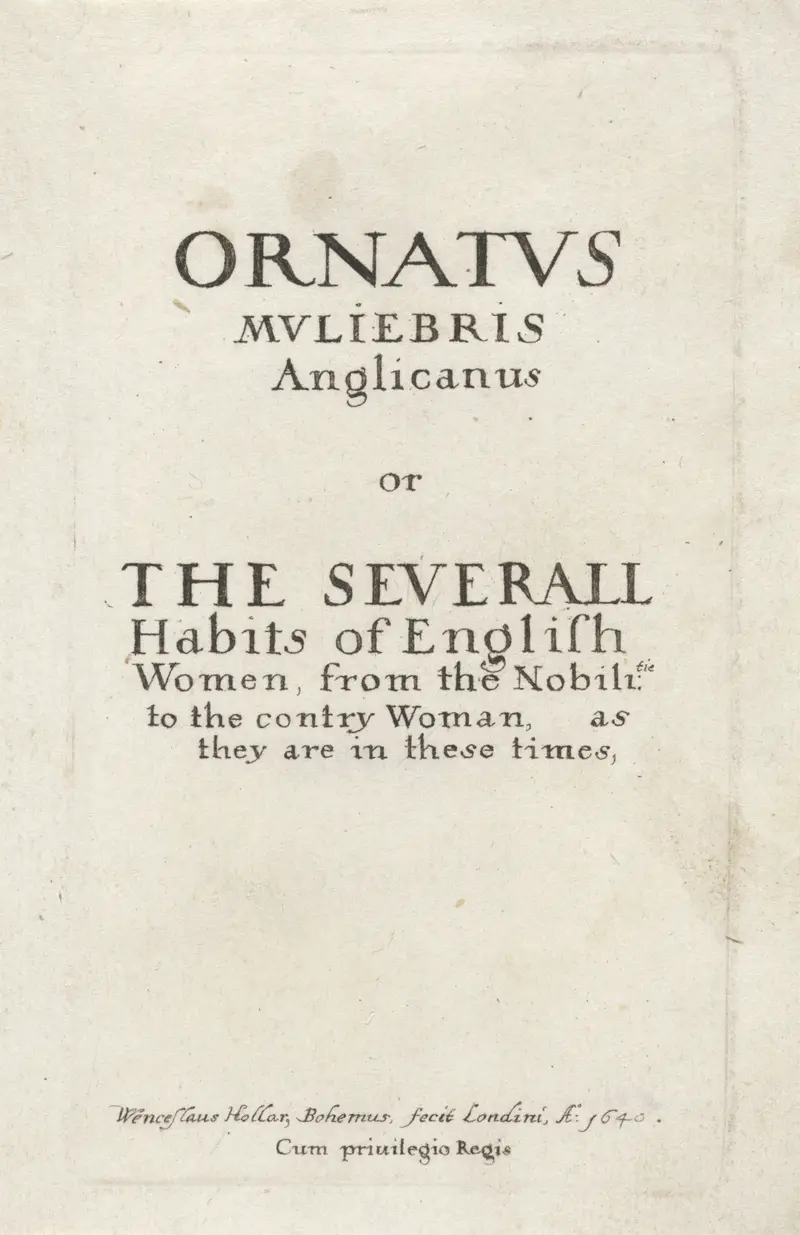
Titelprent voor: Ornatus Muliebris Anglicanus
Wenceslaus Hollar
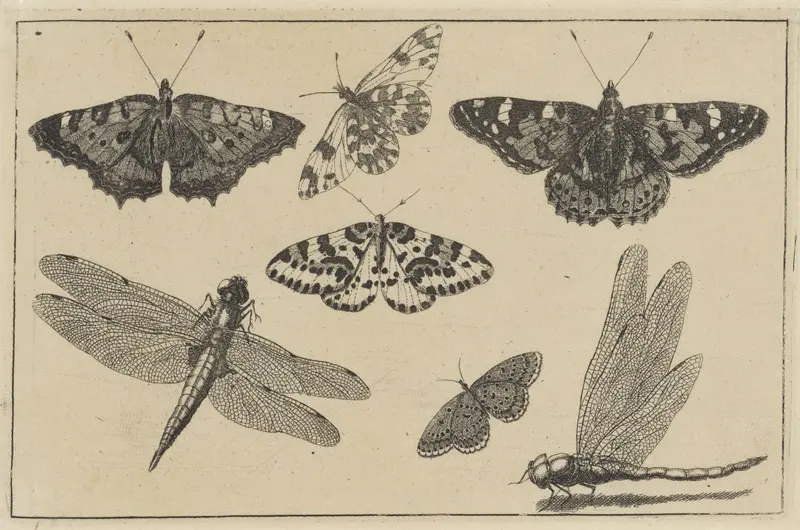
Twee libellen en vijf vlinders
Wenceslaus Hollar
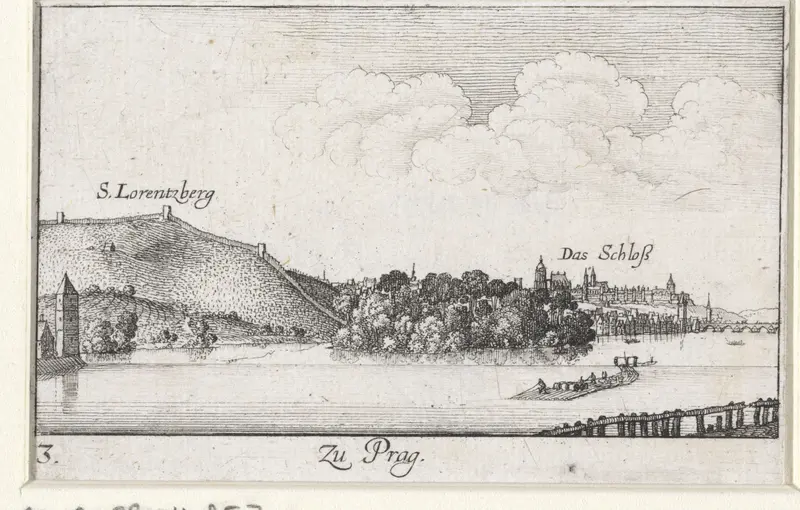
Gezicht op Praag vanaf de Moldau
Wenceslaus Hollar
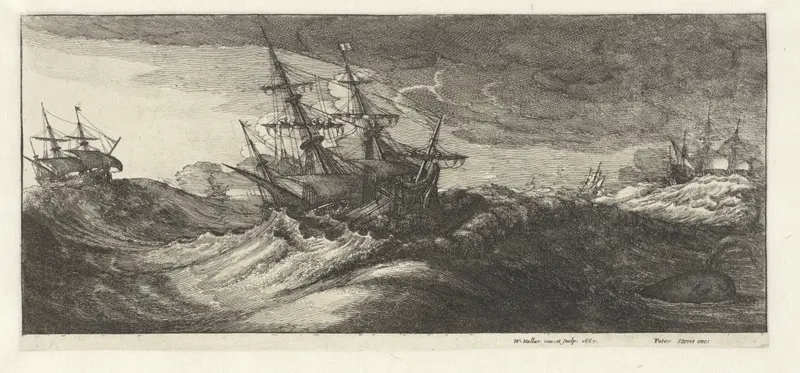
Oorlogsschepen en een walvis in een zeestorm
Wenceslaus Hollar
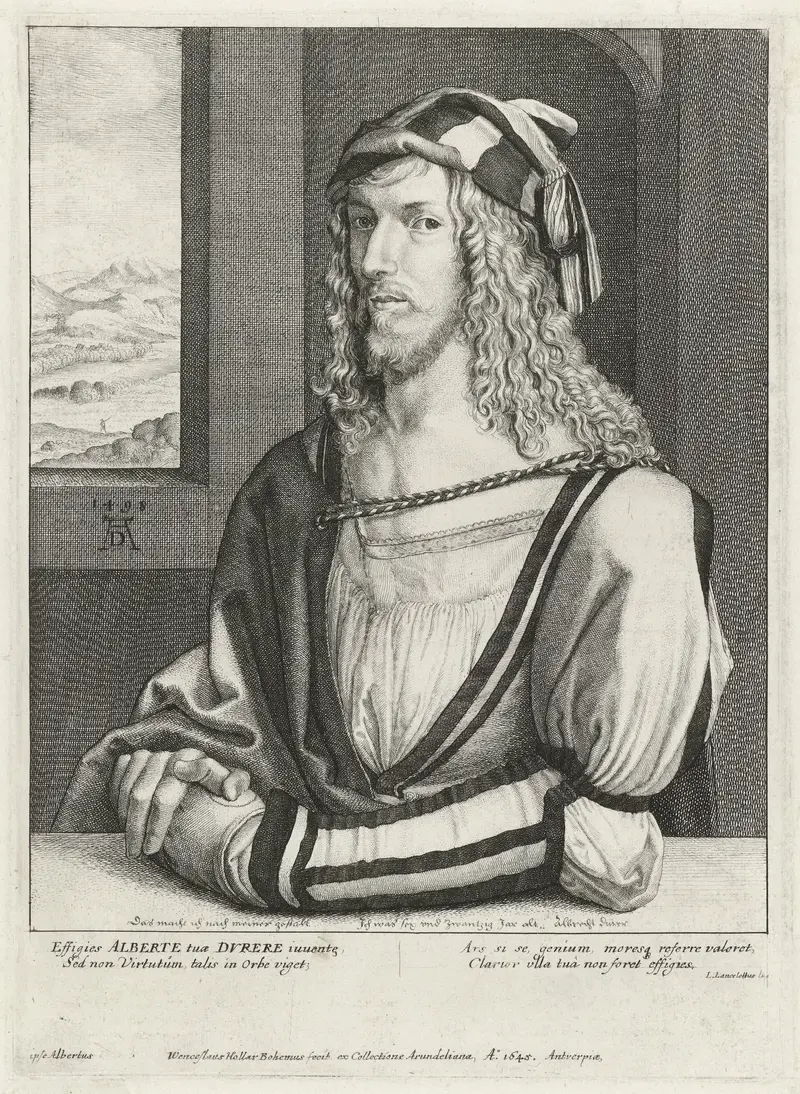
Portret van Albrecht Dürer
Wenceslaus Hollar
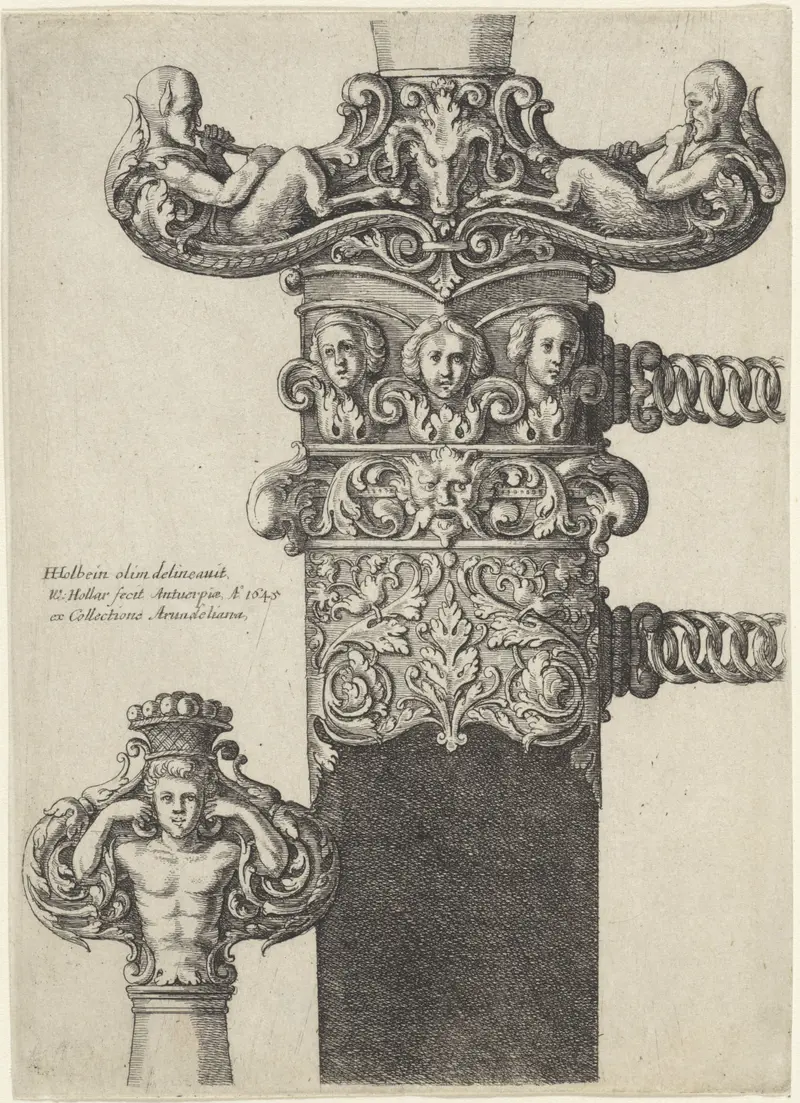
Ornamenteel ontwerp voor een dolk
Wenceslaus Hollar
Optocht van bacchant en jongetjes op geiten
Wenceslaus Hollar





