
Near Conway, North Wales — History & Facts
A shaft of light slips across the mossy rocks, drawing the eye to a quiet drama almost hidden among the boulders: a lone sheep, pale against the shadowed undergrowth, pauses at the edge of a clearing. The sun’s warmth collects on the stone ledges and the tops of young trees, while the deeper recesses remain cool and secretive. The painter’s gaze lingers on the textures—craggy granite, delicate leaf, tangled bramble—inviting the viewer to trace the slow path of sunlight as it creeps through the Welsh landscape.
Every detail, from the scattered ferns to the gentle haze at the horizon, serves not just to describe a place, but to conjure the hush and alertness of a moment suspended between day and dusk. Painted in 1868, this landscape by Alexander Helwig Wyant belongs to a moment when artists across Europe and America sought out wild, unspoiled scenery as both subject and inspiration. Such works were rarely grand commissions; instead, they were often created for a growing middle class eager for reminders of nature’s quiet power, or for the artist’s own pursuit of truth in observation. The Ball State University Art Museum now holds this piece, a testament to the era’s fascination with the remote and the picturesque.
History has kept few traces of this painting’s early journey, but its patient attention to light and solitude rewards every return to its rocky glen.
More Artworks by Alexander Helwig Wyant

Autumn Landscape and Pool
Alexander Helwig Wyant
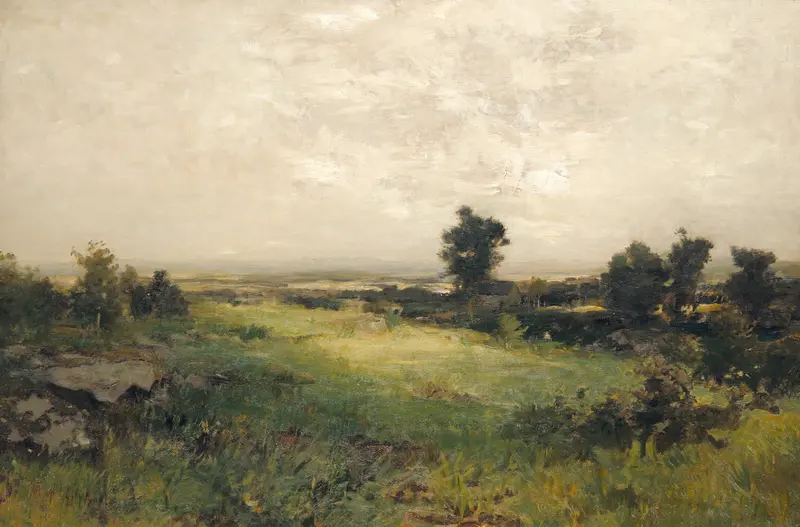
Housatonic Valley
Alexander Helwig Wyant
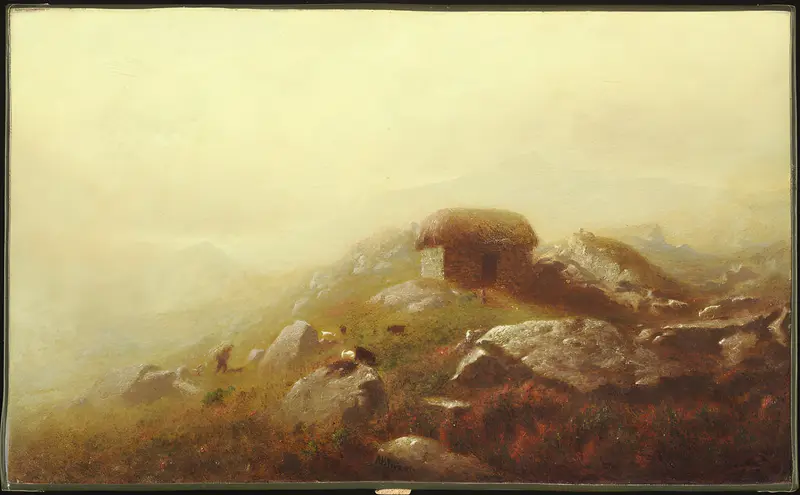
Misty Morning Near the Lakes of Killarney
Alexander Helwig Wyant
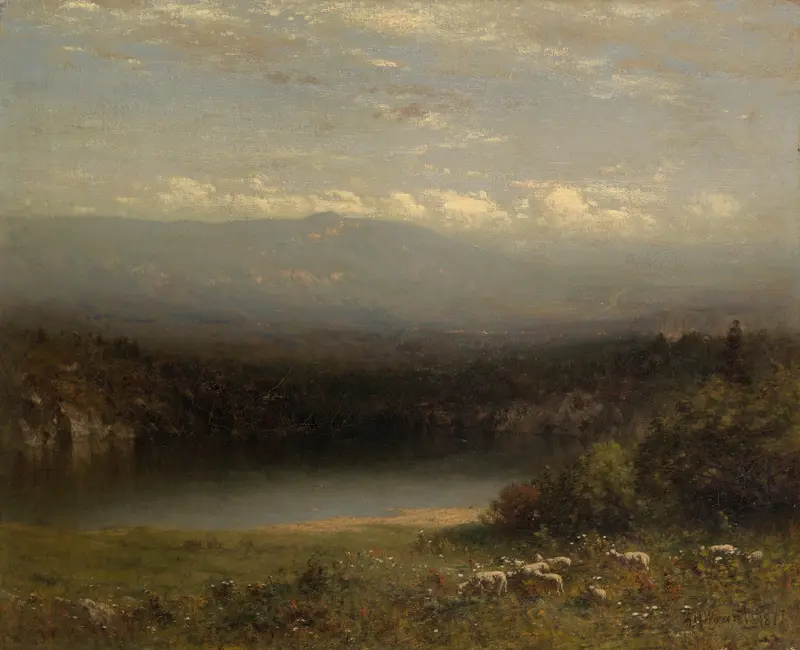
Mountain Lake
Alexander Helwig Wyant
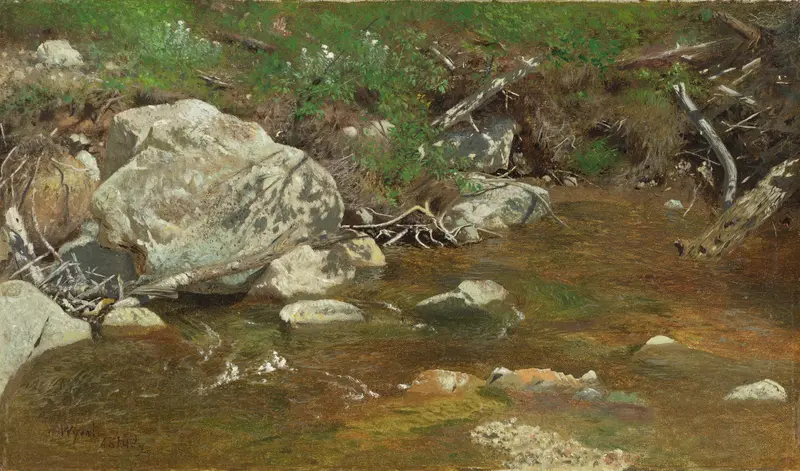
Mountain Brook; A Study
Alexander Helwig Wyant
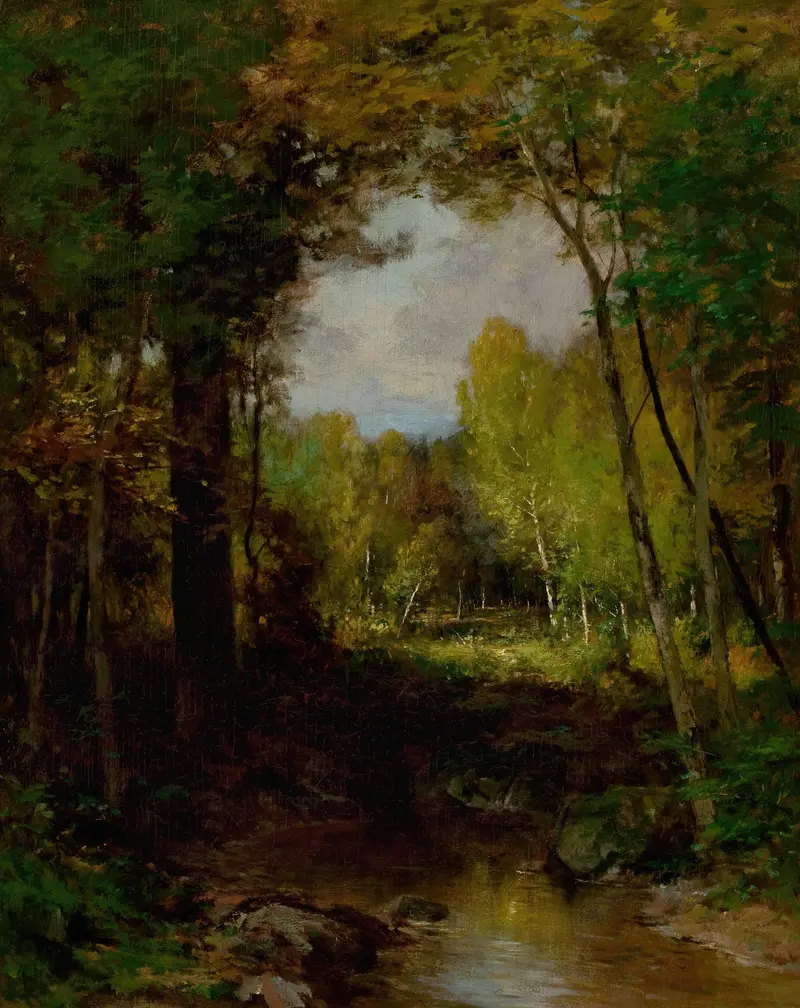
Keene, Adirondacks
Alexander Helwig Wyant
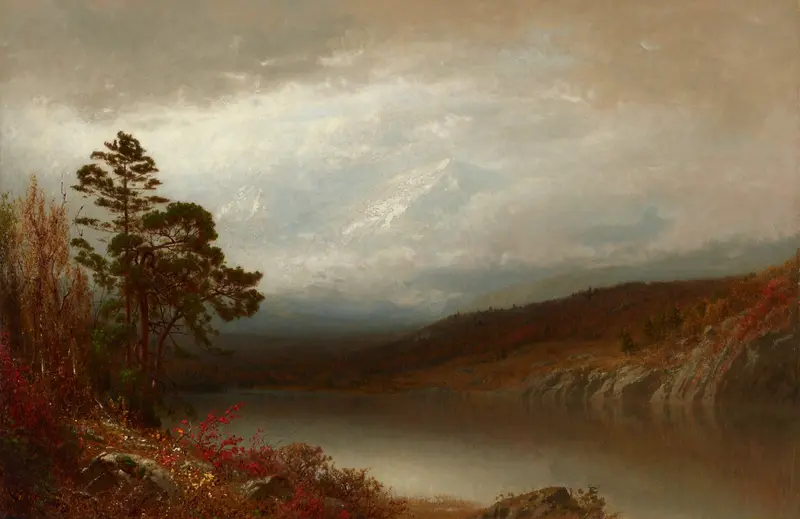
Autumn in the Adirondacks
Alexander Helwig Wyant
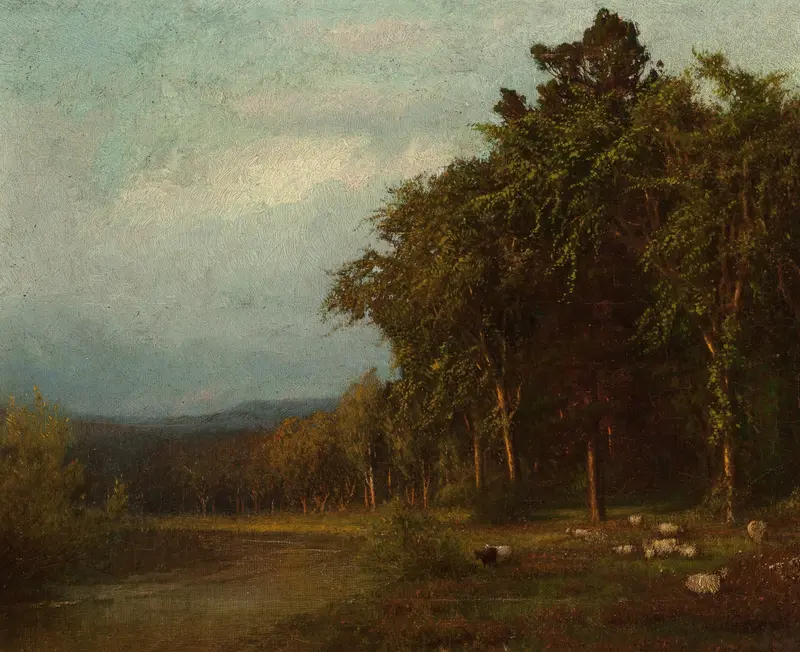
Cattle Grazing, Late Afternoon
Alexander Helwig Wyant
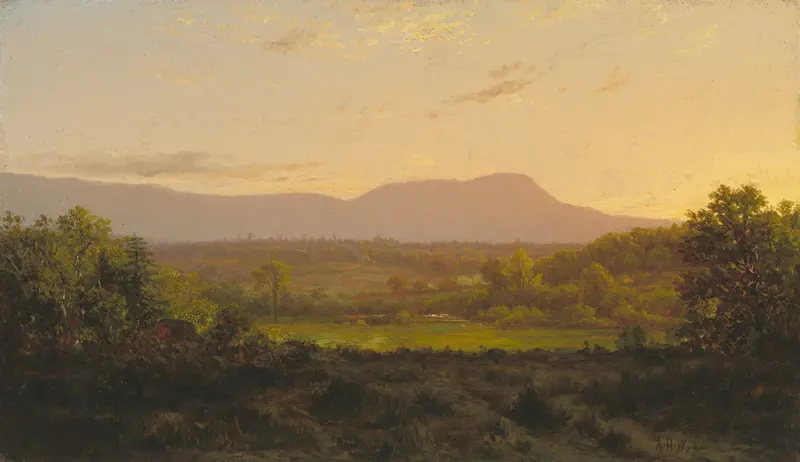
Peaceful Valley
Alexander Helwig Wyant
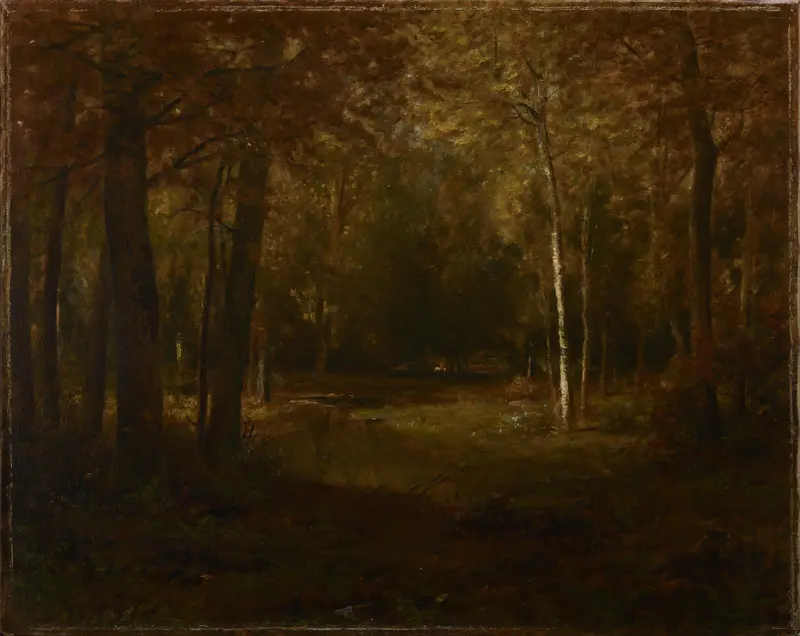
Glade in Autumn
Alexander Helwig Wyant
More Landscape Art

The Starry Night
Vincent van Gogh

View of Delft
Johannes Vermeer

Water Lilies
Claude Monet

The Grand Canal, Venice, looking north-west from the Ca' Corner to the Ca' Contarini degli Scrigni, with the campanile of Santa Maria della Carità
Canaletto

Windsor Castle
Canaletto

The Grand Canal looking North-East from the Palazzo Dolfin-Manin to the Rialto Bridge
Canaletto