
Near Gravesend, Remembrance of the Thames — History & Facts
Could beauty survive in a century of chaos? In the tender embrace of twilight, a world of delicate serenity is captured in a painting that speaks to the soul, urging us to reflect on the fragility of existence amid the relentless march of time. Look to the horizon in Near Gravesend, Remembrance of the Thames, where soft hues of blue and gold blend seamlessly into a tranquil sky, inviting contemplation. The gentle undulations of the river appear almost dreamy, with its surface capturing the last light of day. Notice how the artist’s deft use of etching creates intricate textures in the water, whispering the secrets of its depths.
The charming boats, bathed in dappled light, seem to float in a moment suspended between reality and reverie, compelling the viewer to linger in this ephemeral space. Within this idyllic scene lies a tension between nostalgia and loss. The distant smoke of industry rises ominously, a stark reminder of the encroaching modernity that threatens the pastoral calm. The juxtaposition of nature and manmade elements evokes a bittersweet longing for a simpler time while acknowledging the inevitability of change.
Each stroke of the artist’s hand conveys the fleeting nature of beauty and the awakening to the transient joys of life. Buhot created this piece around 1880-81, amidst a rapidly industrializing Europe. Living in Paris, he was influenced by the transition from the Romantic to the Impressionist movements, reflecting a world grappling with innovation and upheaval. During this period, he sought to capture both the serenity of nature and the complexities of contemporary life, establishing him as a significant voice in the evolving landscape of art.
More Artworks by Félix Hilaire Buhot
Browse all →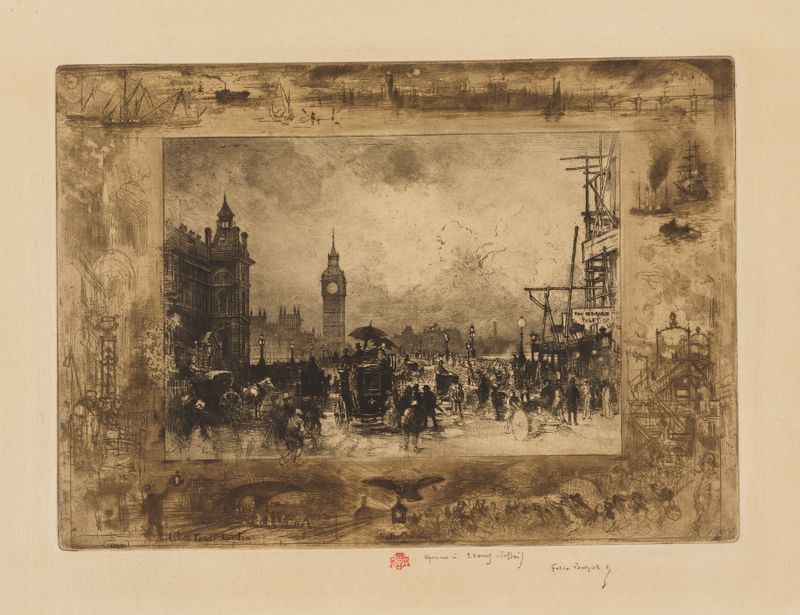
Westminster Bridge, or Westminster Clock Tower
Félix Hilaire Buhot
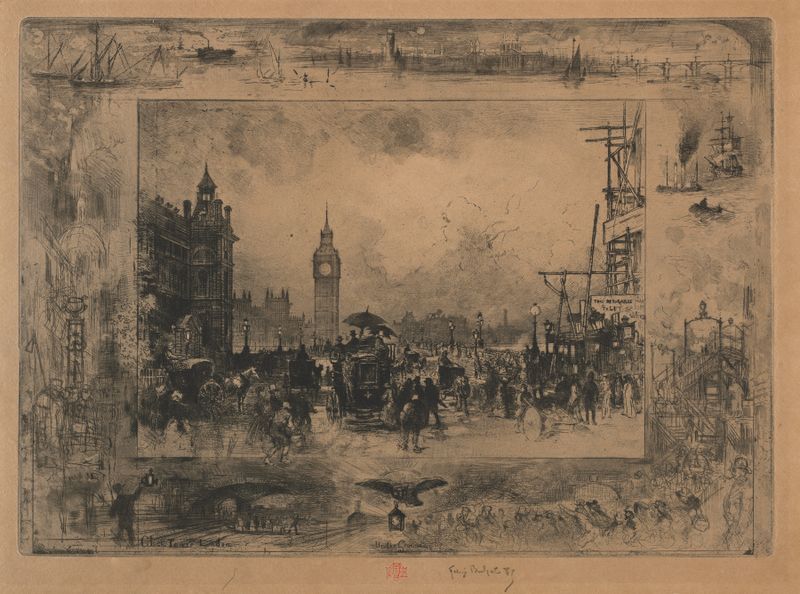
Westminster Bridge, or Westminster Tower
Félix Hilaire Buhot
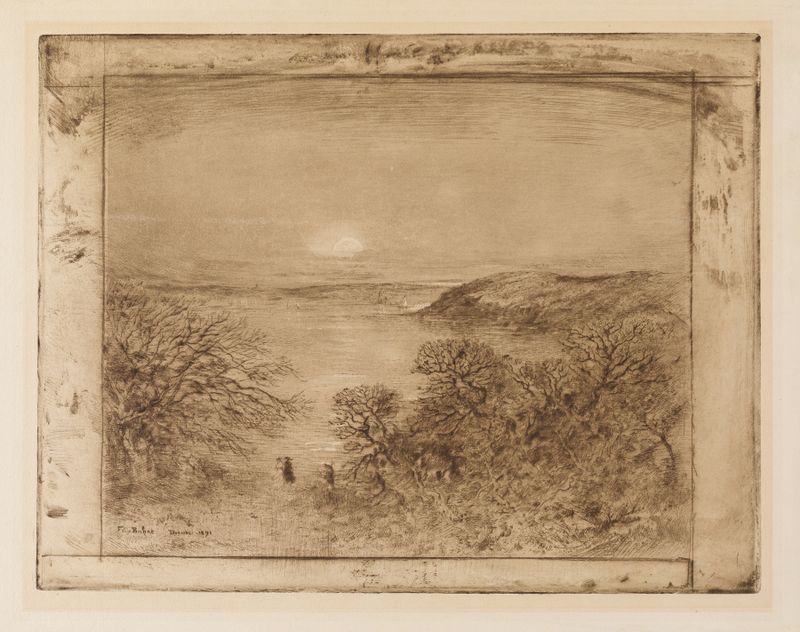
Moonrise at Dinard
Félix Hilaire Buhot
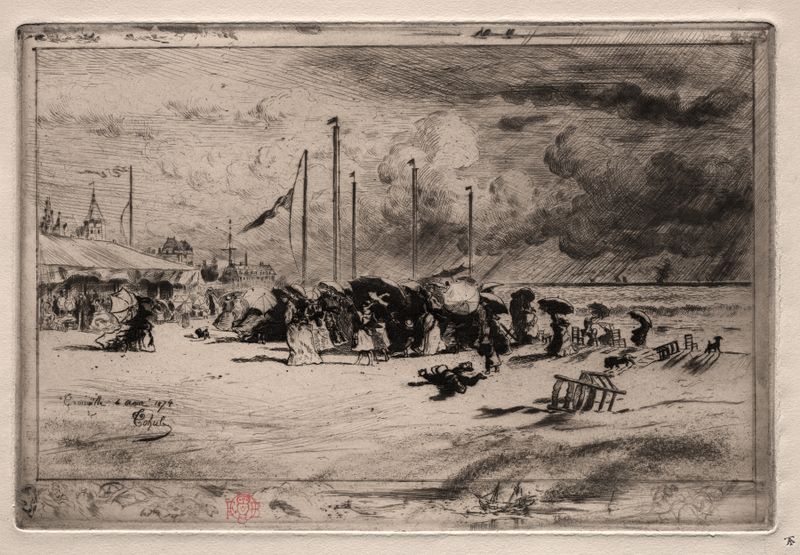
A Squall at Trouville
Félix Hilaire Buhot
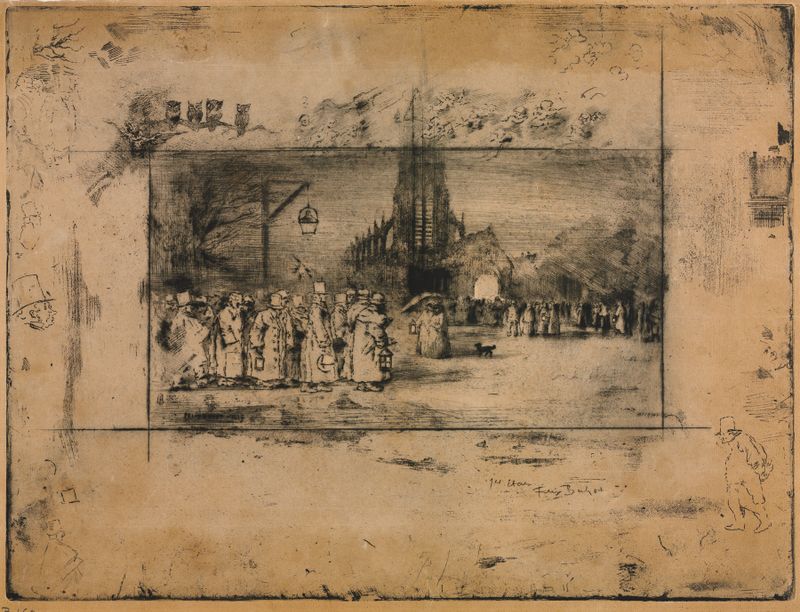
The Midnight Mass
Félix Hilaire Buhot
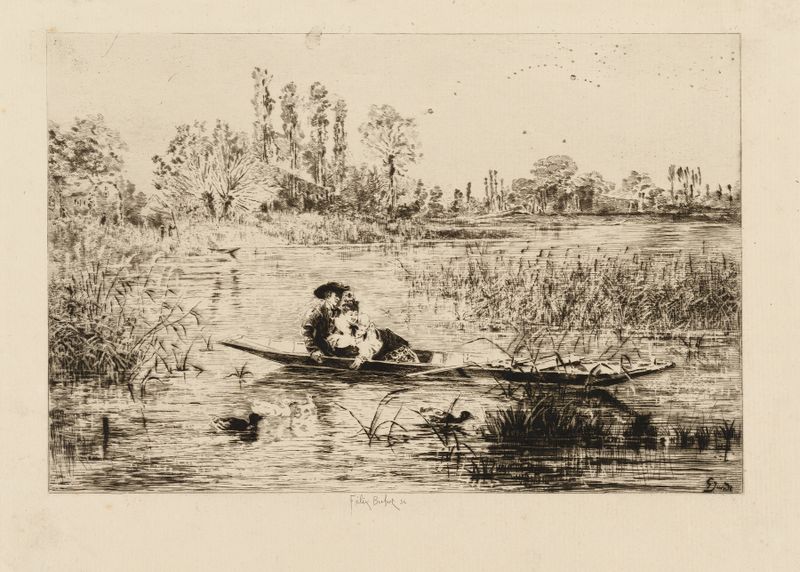
On the Thread of the Water
Félix Hilaire Buhot
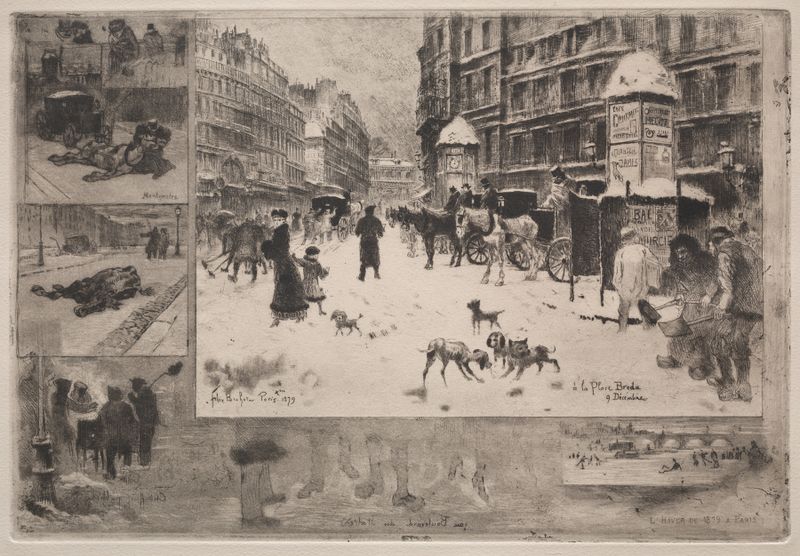
Winter in Paris
Félix Hilaire Buhot
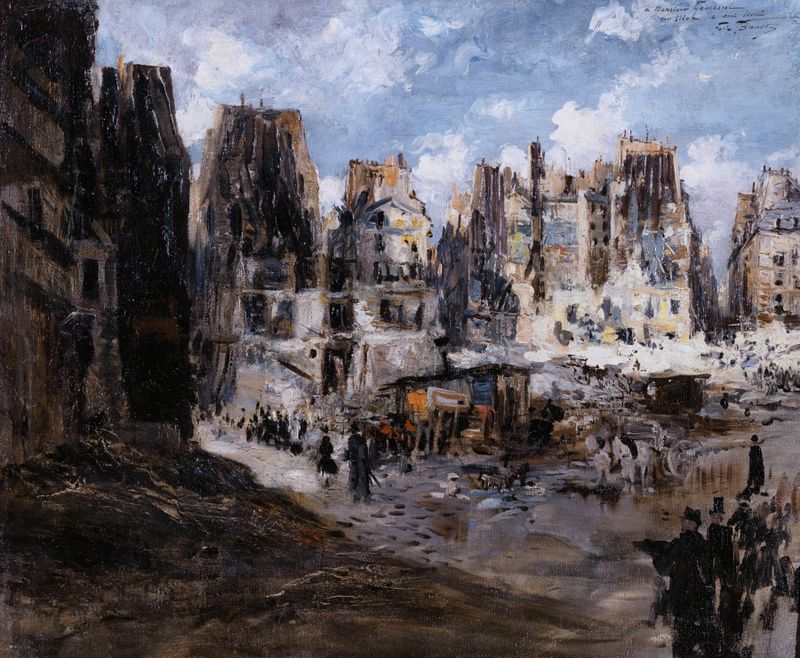
Le percement de l’avenue de l’Opéra.
Félix Hilaire Buhot
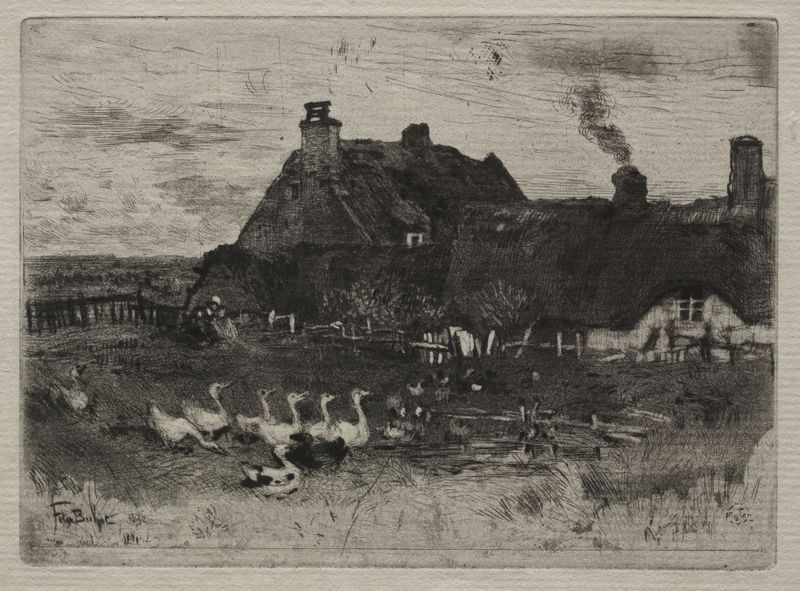
Thatched Cottages
Félix Hilaire Buhot
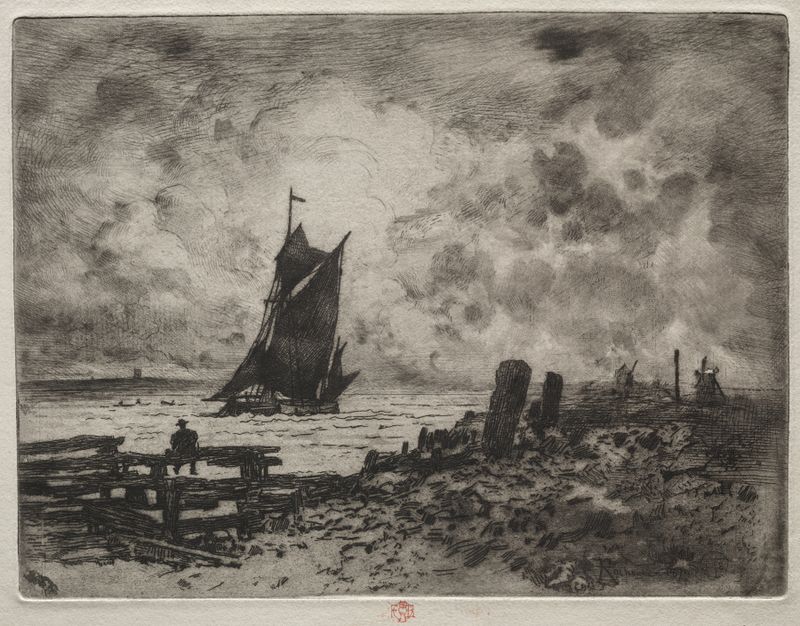
The Little Marine; Souvenir of Medway
Félix Hilaire Buhot





