
Nederlands oorlogsschip — History & Facts
Where does light end, and longing begin? In the delicate interplay of shadow and illumination, silence speaks volumes, echoing across the canvas. Look to the center of the artwork, where a majestic ship commands attention. Its sails, taut and robust, catch the light in a way that suggests both strength and vulnerability. The meticulously detailed rigging draws the eye upwards, leading to an expanse of sky painted in muted shades of blue and grey.
Surrounding the vessel, the water's gentle ripples reflect this somber palette, creating a harmonious balance between the solid world of the ship and the fluidity of the sea. As you explore further, notice the stark contrast between the ship's proud presence and the haunting emptiness of the horizon. There's a palpable tension in the air — a sense of anticipation as if the ship carries with it unvoiced stories of adventure, loss, and memory. This duality of strength and isolation speaks to the human experience of longing, inviting the viewer into a dialogue with the silence that surrounds the scene. Wenceslaus Hollar painted this work in 1647, a time when he was living in London after fleeing from the turmoil of the Thirty Years' War in his native Bohemia.
The art world was experiencing a shift as Baroque influences began mingling with emerging styles, reflecting a broader European exploration of identity and emotion. In this context, Hollar’s depiction of a warship resonates with both personal and collective histories, capturing a moment where silence may very well echo louder than the sounds of battle.
More Artworks by Wenceslaus Hollar
Browse all →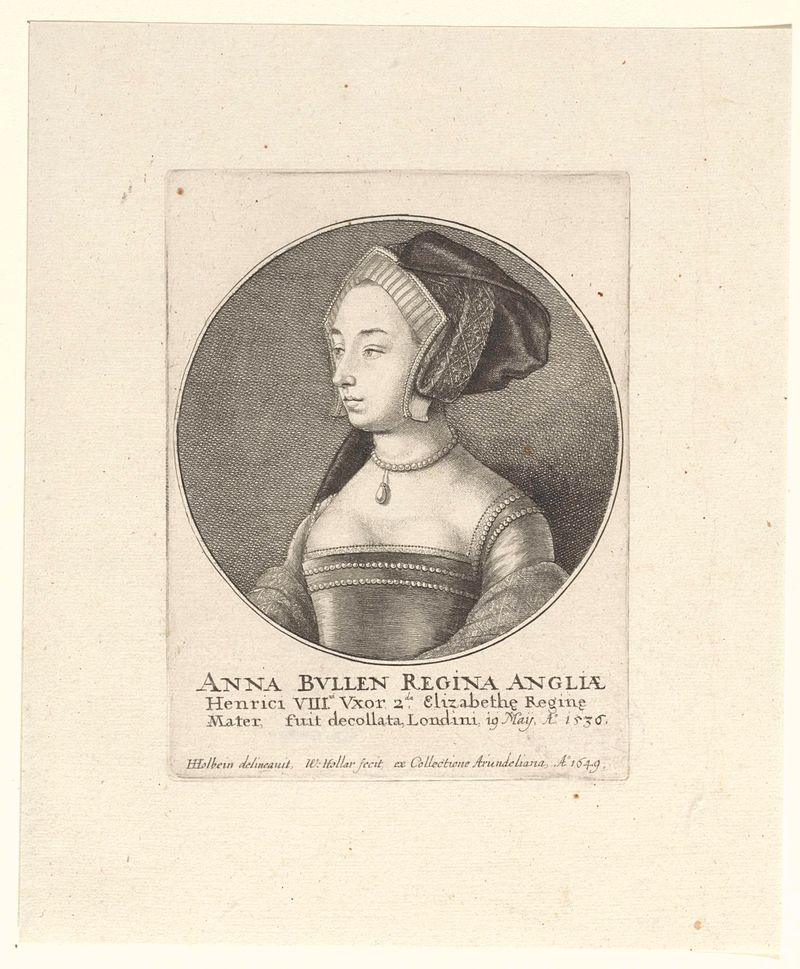
Portret van Anna Boleyn, koningin van Engeland
Wenceslaus Hollar
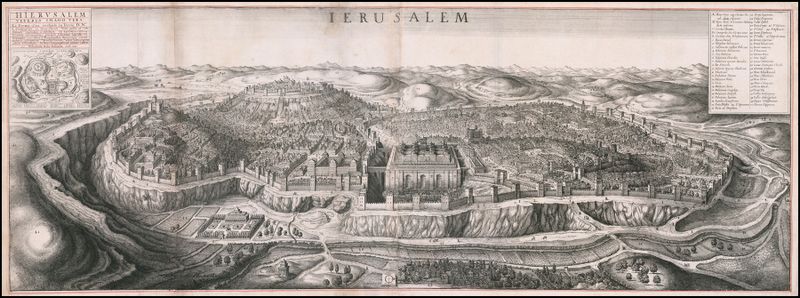
Bird’s eye view of Jerusalem
Wenceslaus Hollar
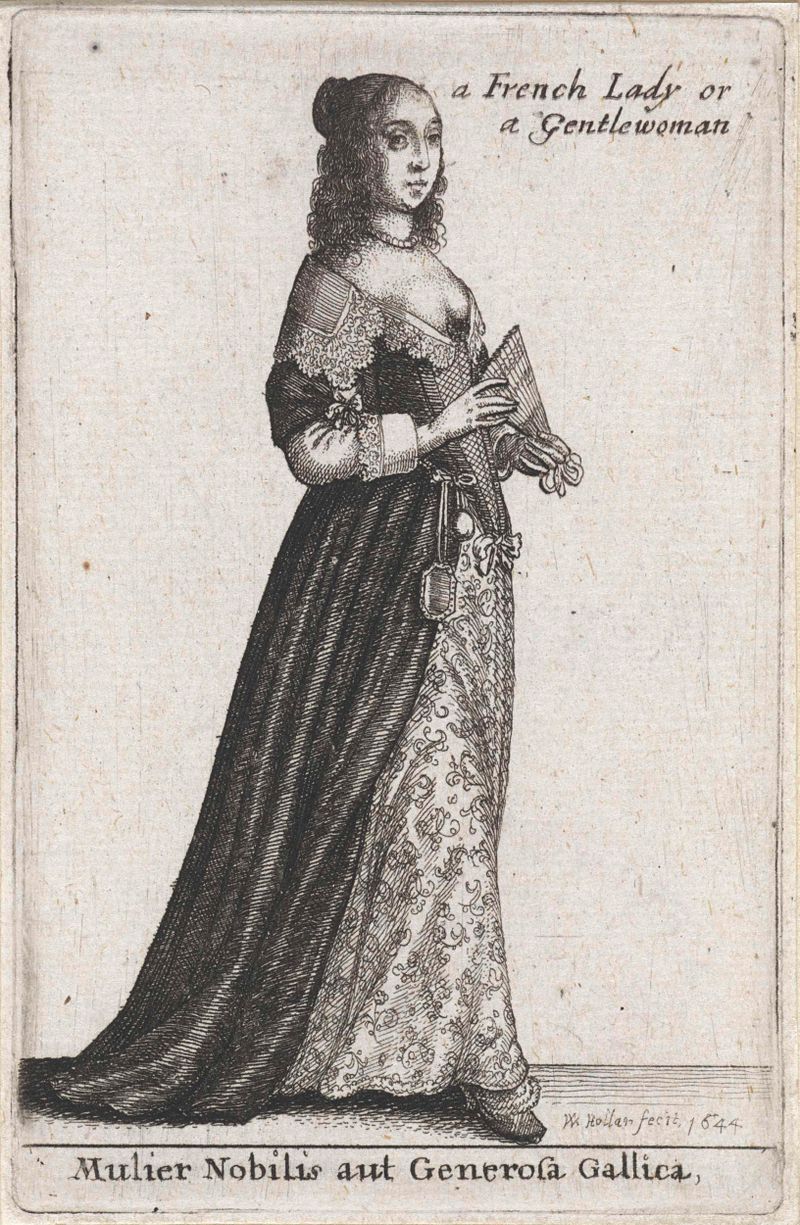
Mulier Nobilis aut Generosa Gallica / a French Lady or Gentlewoman
Wenceslaus Hollar
Titelprent voor: Ornatus Muliebris Anglicanus
Wenceslaus Hollar
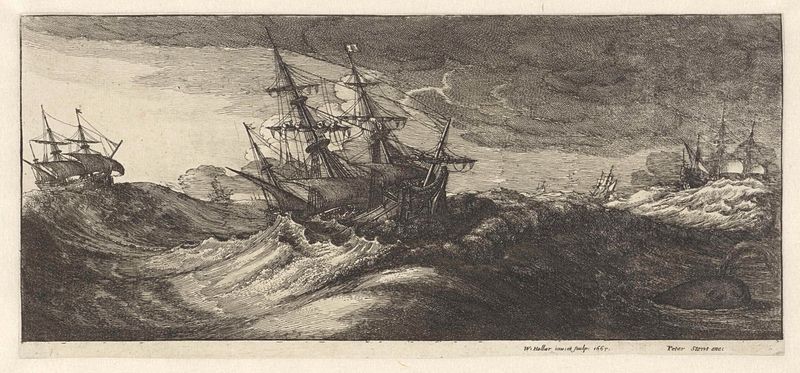
Oorlogsschepen en een walvis in een zeestorm
Wenceslaus Hollar
Optocht van bacchant en jongetjes op geiten
Wenceslaus Hollar
Twee libellen en vijf vlinders
Wenceslaus Hollar
Portret van Albrecht Dürer
Wenceslaus Hollar
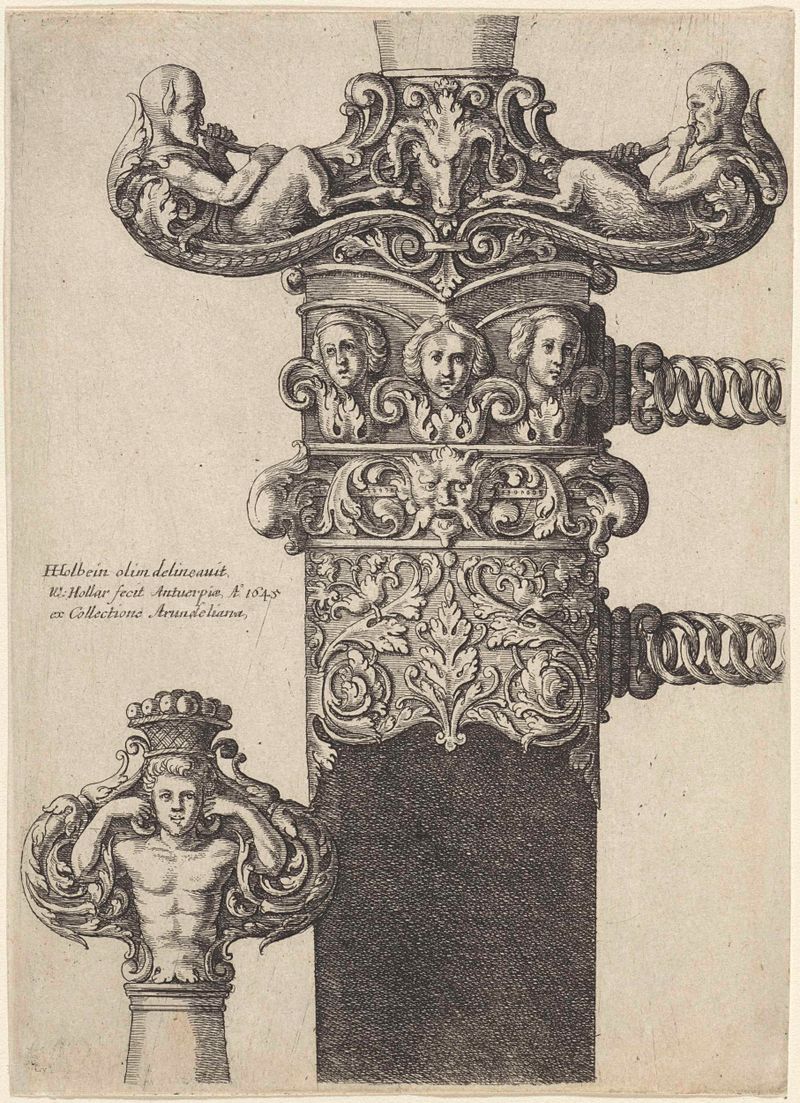
Ornamenteel ontwerp voor een dolk
Wenceslaus Hollar
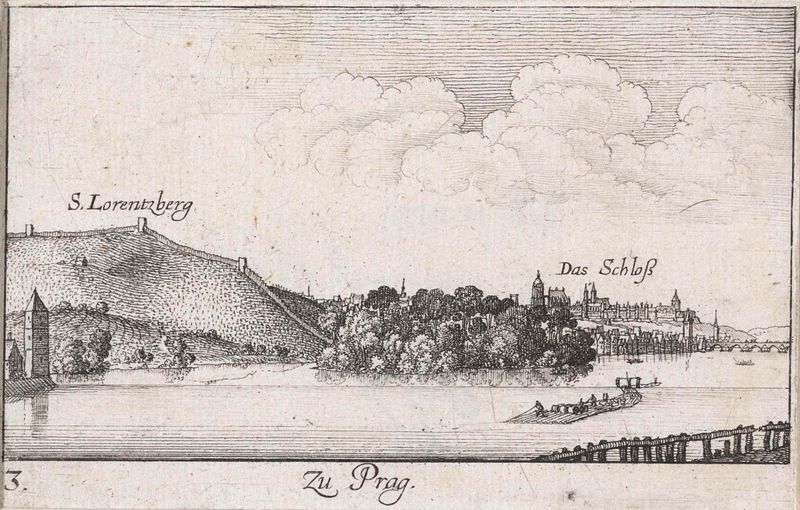
Gezicht op Praag vanaf de Moldau
Wenceslaus Hollar





