
Nederlandse fluitschepen — History & Facts
Can beauty exist without sorrow? In Wenceslaus Hollar’s intricate Nederlandse fluitschepen, the stillness of the harbor tells a silent tale of both grandeur and solitude. Focus first on the elegant lines of the fluitschepen, the Dutch trading ships that grace the horizon. Their towering masts reach skyward, perfectly juxtaposed against a soft, cloud-streaked sky. The subtle interplay of light dances upon the water's surface, reflecting a world caught between motion and stillness.
Notice how Hollar’s delicate etching technique renders both the nautical elements and the atmospheric nuances with precision, creating a sense of depth that invites contemplation. Beneath the serene surface, tension lingers. The ships, symbols of commerce and exploration, contrast with the calm waters that hold the promise of adventure yet maintain an air of melancholy. The empty docks and distant shores evoke the silent stories of those who departed and those left behind, reminding the viewer of transience.
Each detail, from the rigging to the distant land, speaks to the duality of beauty and longing, whispering of journeys taken and the quiet that follows. In 1647, Hollar was in Amsterdam, a city thriving amidst the Golden Age of Dutch painting. His work reflects the burgeoning maritime power of the Netherlands, where trade routes were expanding rapidly. Yet, as the artist etched these ships into existence, Europe grappled with the complexities of conflict and change, foreshadowing a world where beauty often coexists with underlying sorrow.
More Artworks by Wenceslaus Hollar
Browse all →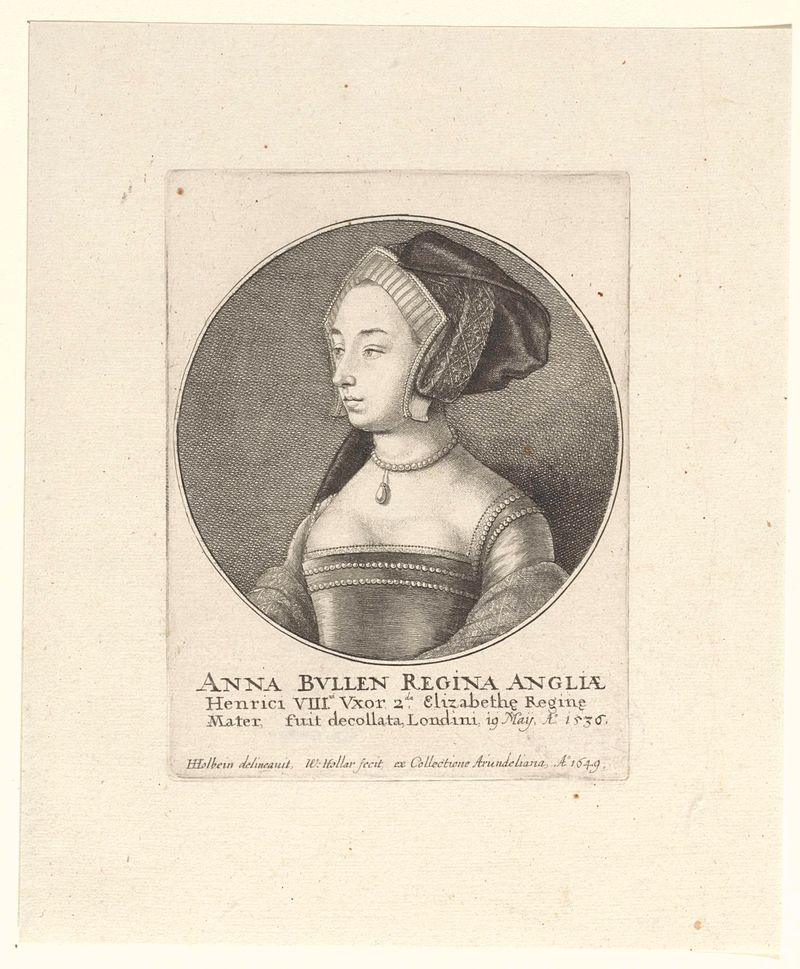
Portret van Anna Boleyn, koningin van Engeland
Wenceslaus Hollar
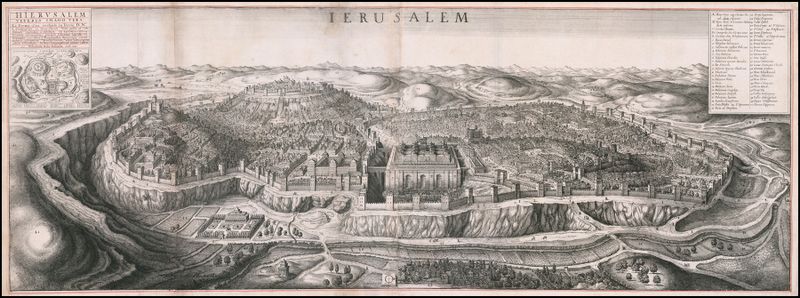
Bird’s eye view of Jerusalem
Wenceslaus Hollar
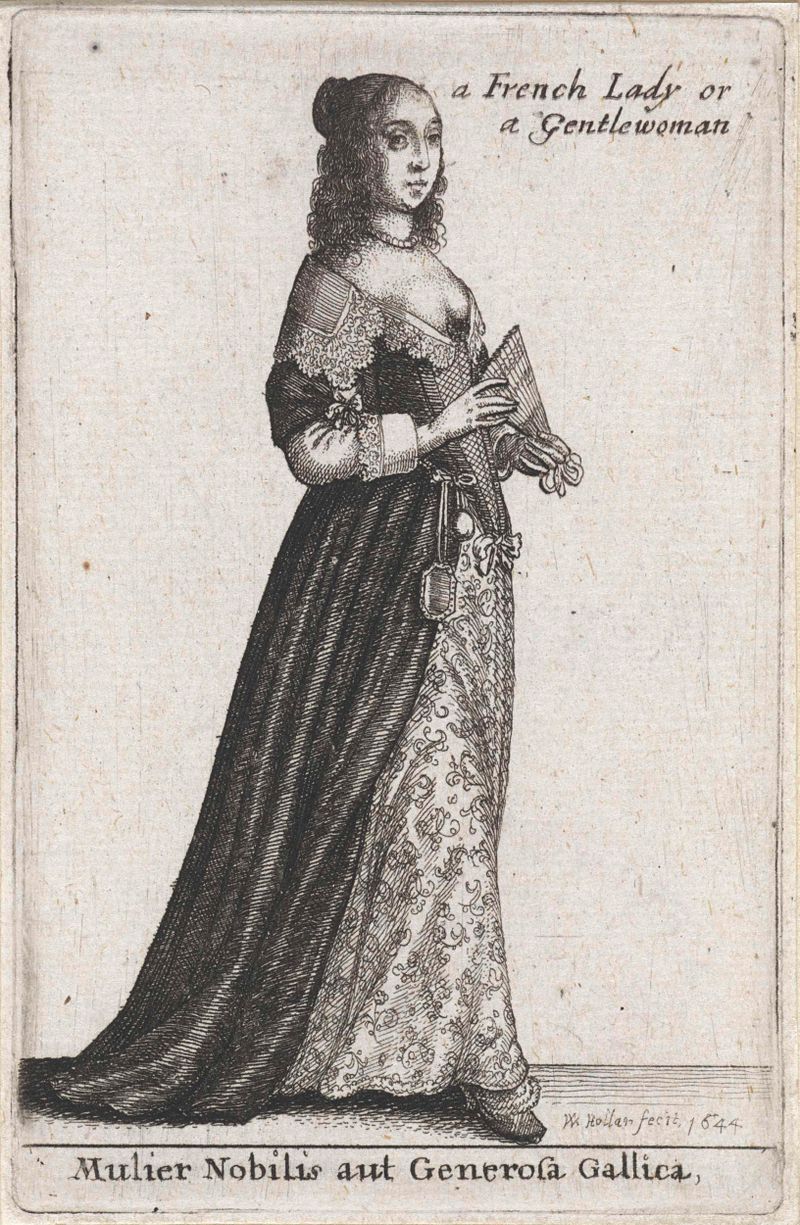
Mulier Nobilis aut Generosa Gallica / a French Lady or Gentlewoman
Wenceslaus Hollar
Titelprent voor: Ornatus Muliebris Anglicanus
Wenceslaus Hollar
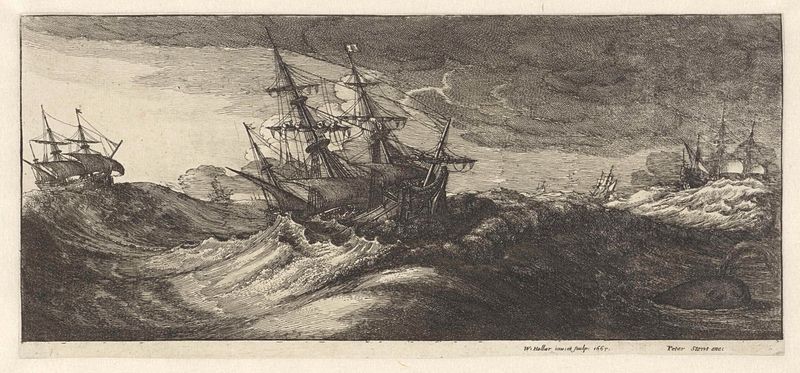
Oorlogsschepen en een walvis in een zeestorm
Wenceslaus Hollar
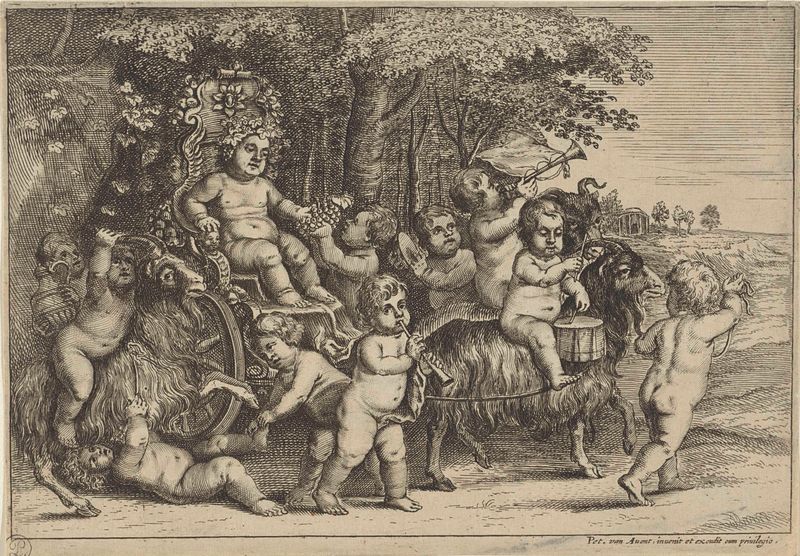
Optocht van bacchant en jongetjes op geiten
Wenceslaus Hollar
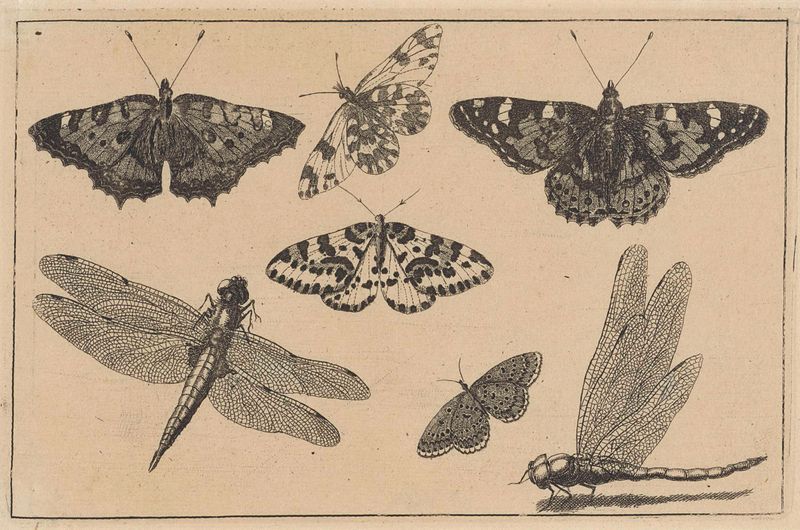
Twee libellen en vijf vlinders
Wenceslaus Hollar
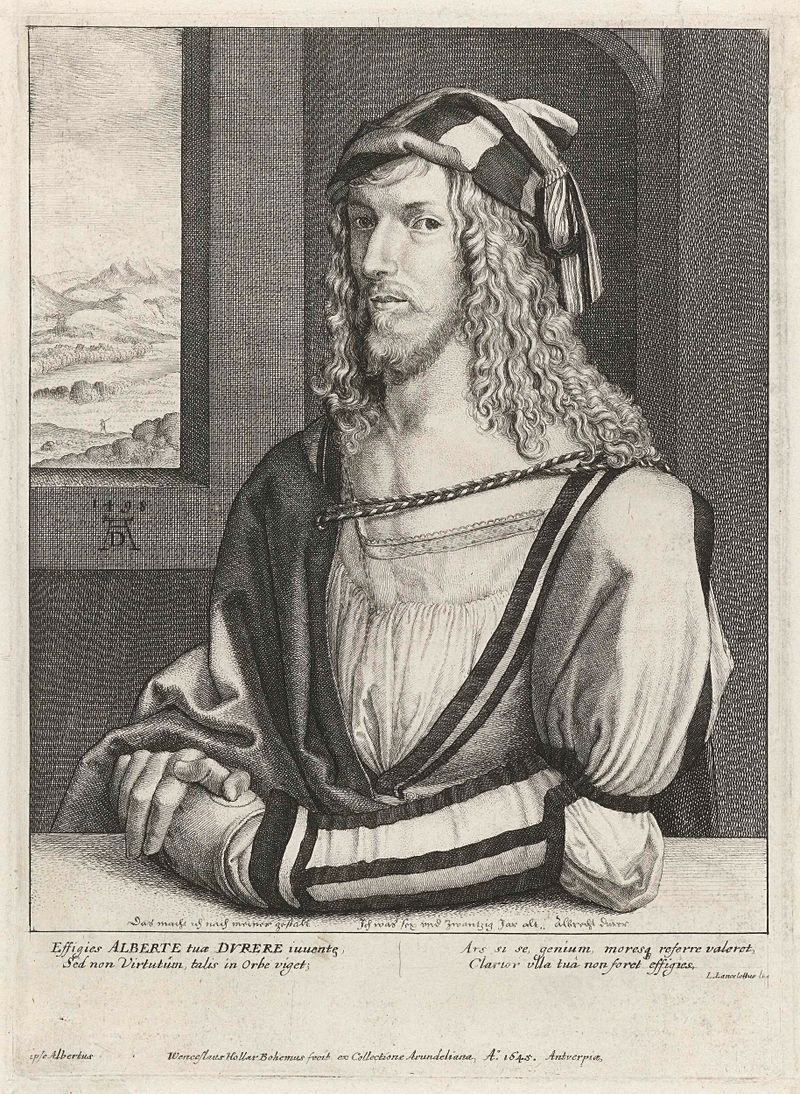
Portret van Albrecht Dürer
Wenceslaus Hollar
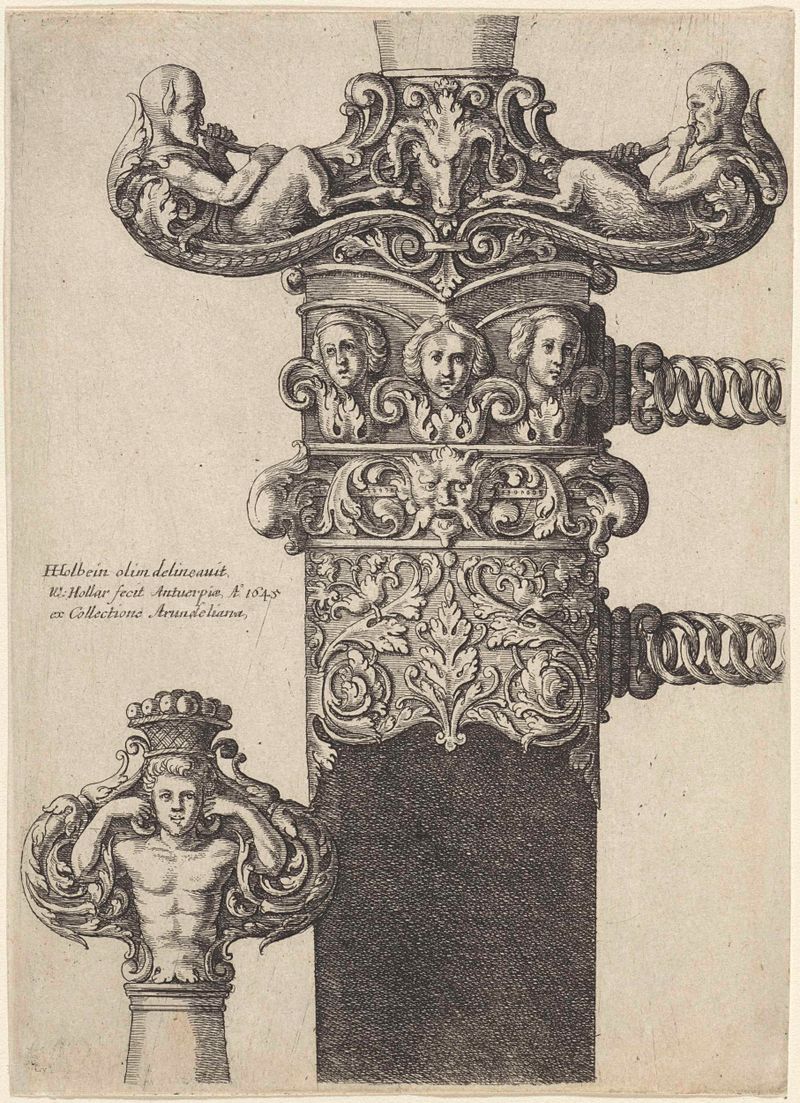
Ornamenteel ontwerp voor een dolk
Wenceslaus Hollar
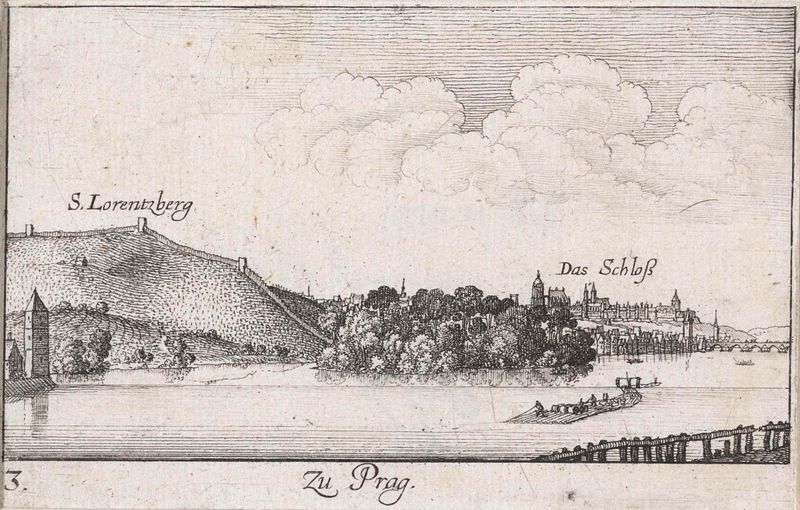
Gezicht op Praag vanaf de Moldau
Wenceslaus Hollar





