
New Zealand Graphic and Descriptive. Plate III. Freeman’s Bay Auckland Harbour. — History & Facts
Is this a mirror — or a memory? The still waters reflect not just the physical world, but also the echoes of a nation on the cusp of transformation. In the late 19th century, New Zealand was charting its identity, navigating the waters of colonization and cultural evolution, making it a time ripe for artistic exploration and reinvention. Look to the foreground where the tranquil bay stretches wide, painted in soft blues and greens, inviting contemplation. The viewer's gaze naturally drifts across the shimmering surface, punctuated by small boats that seem to glide effortlessly.
Notice how the delicate brushstrokes convey both the movement of water and the serenity of the landscape. The horizon line dances with the gentle rise of land, while wisps of clouds float above, evoking a sense of harmony in nature's embrace. Yet, beneath this serene exterior lies an undercurrent of tension. The boats, symbols of exploration, also hint at colonial ambitions, their presence a reminder of the changing tides in New Zealand society.
The contrast between the tranquil sea and the distant land raises questions about belonging and the relationship between the indigenous and the settlers. Each brushstroke whispers of histories intertwined, revealing a land both cherished and contested. In 1877, Charles Decimus Barraud painted this work while residing in New Zealand, a time when the country was grappling with its colonial legacy. Emerging from a backdrop of societal shifts and artistic growth, he captured a moment that transcended mere representation, serving as a poignant reflection of a nation in the midst of revolution.
This period was marked by an increase in public interest in the landscape, and Barraud's work contributed to the ongoing dialogue about identity and place.
More Artworks by Charles Decimus Barraud
Browse all →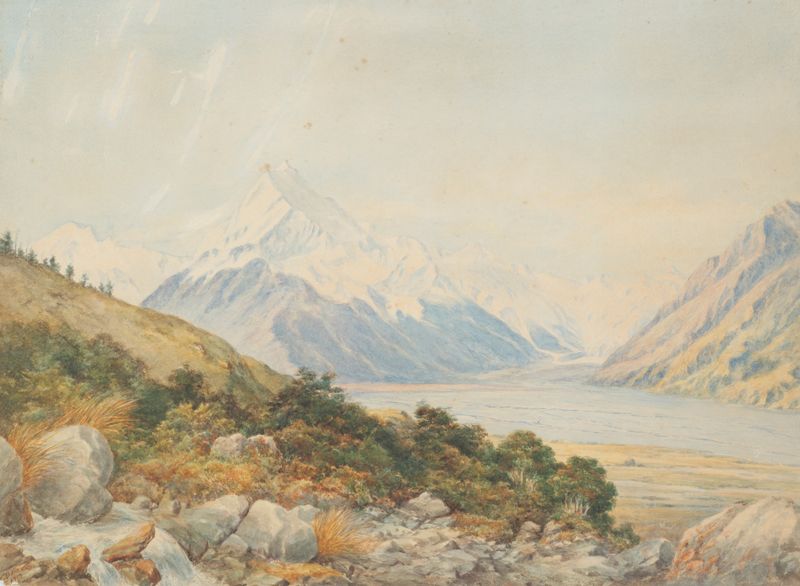
Mt. Cook from Tasman Valley
Charles Decimus Barraud
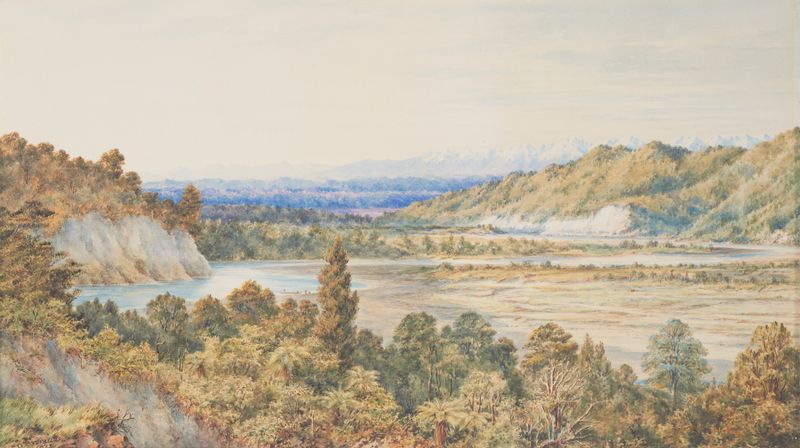
The Manawatu
Charles Decimus Barraud
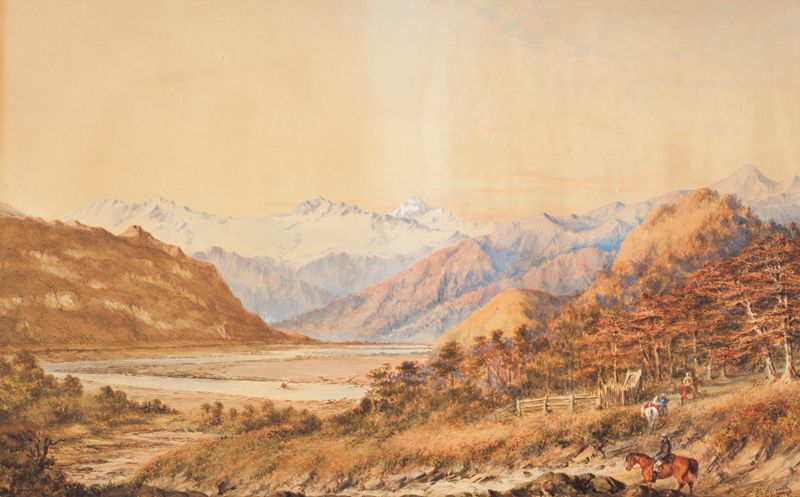
View of Mt. Aspiring, Province of Otago, looking north up the Valley of Matekitiki River from Dr Hector’s camp of 1863
Charles Decimus Barraud
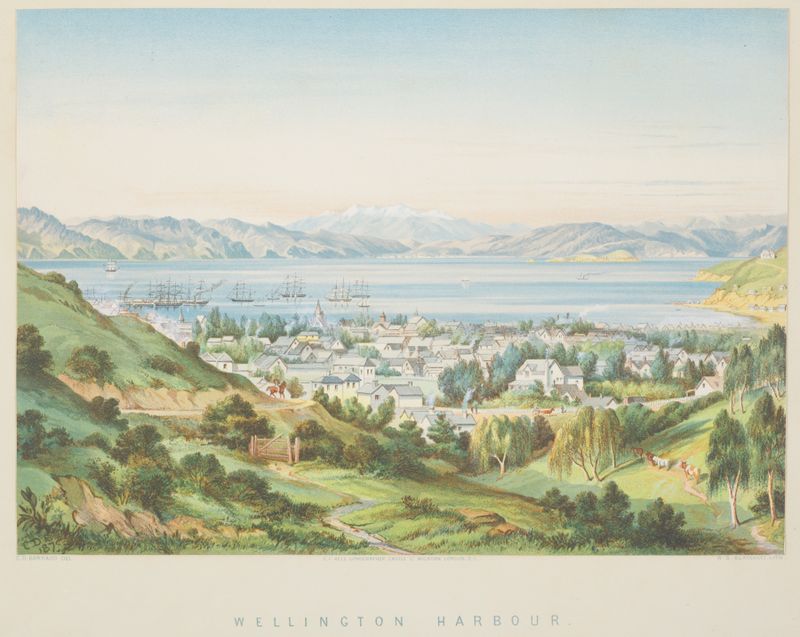
New Zealand Graphic and Descriptive. Wellington Harbour.
Charles Decimus Barraud
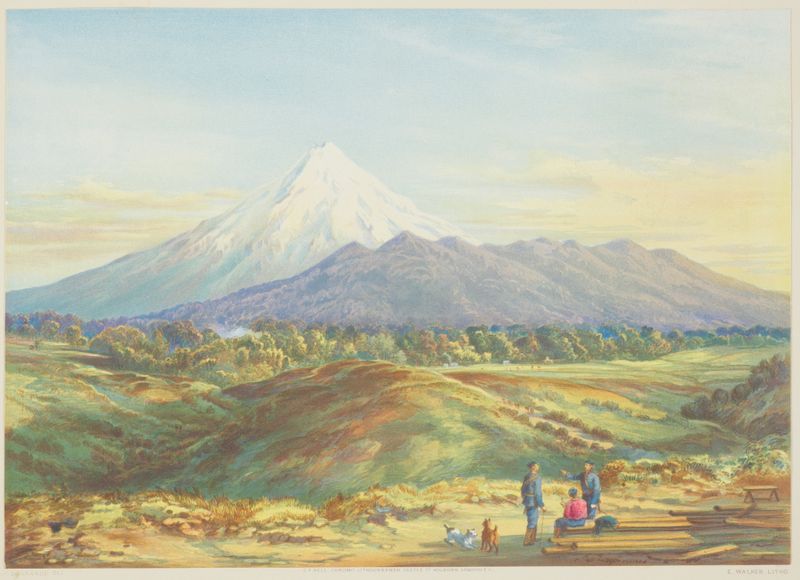
New Zealand Graphic and Descriptive. Mt Egmont.
Charles Decimus Barraud
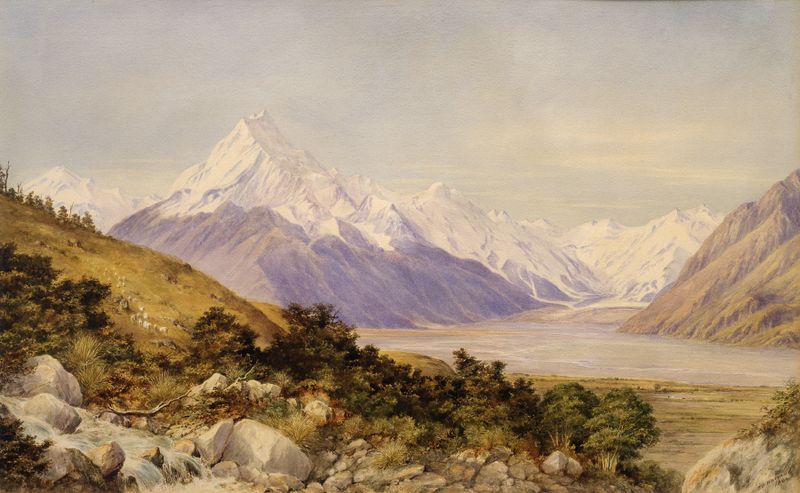
Mt. Cook
Charles Decimus Barraud
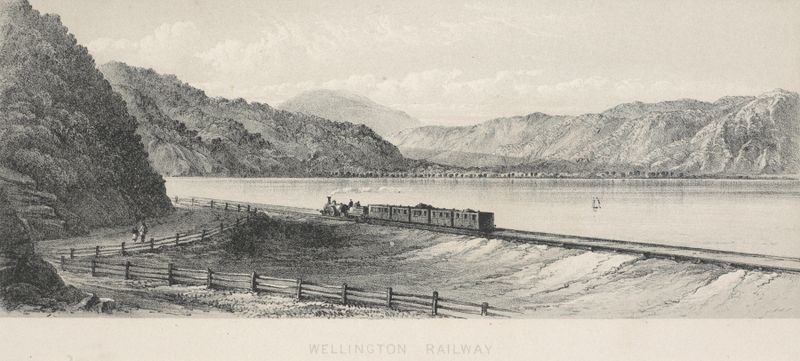
New Zealand Graphic and Descriptive. Plate I. Wellington Railway
Charles Decimus Barraud
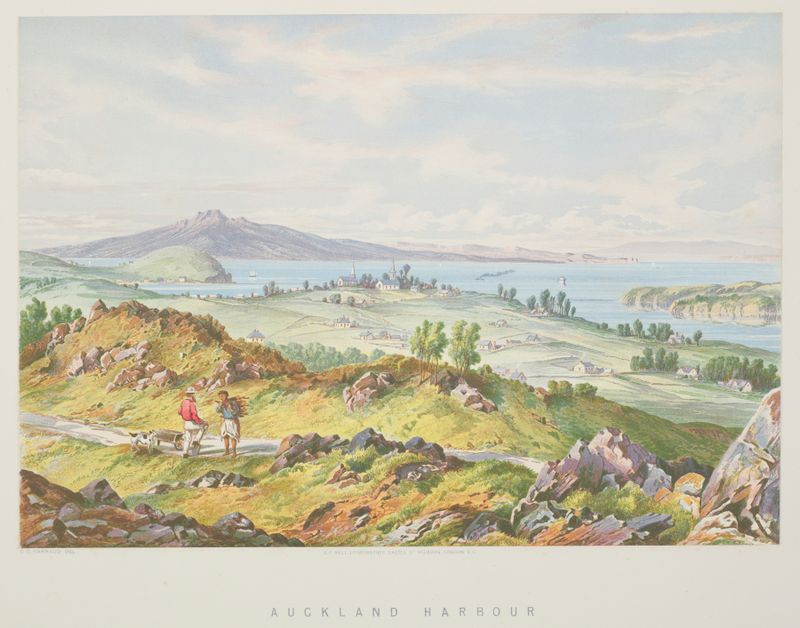
New Zealand Graphic and Descriptive. Auckland Harbour
Charles Decimus Barraud
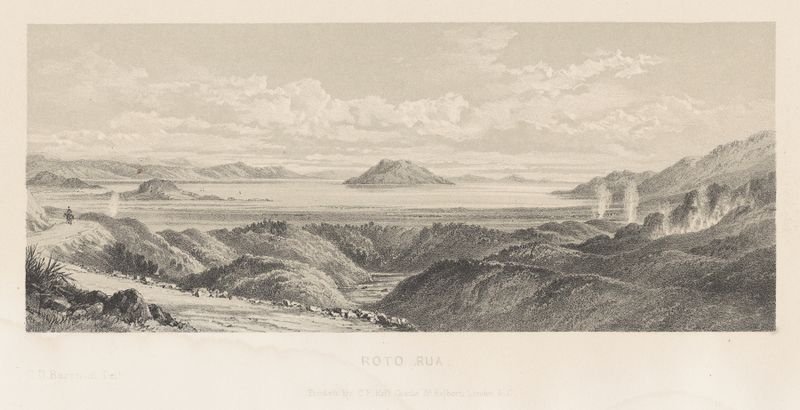
New Zealand Graphic and Descriptive. Plate III. Roto-rua
Charles Decimus Barraud
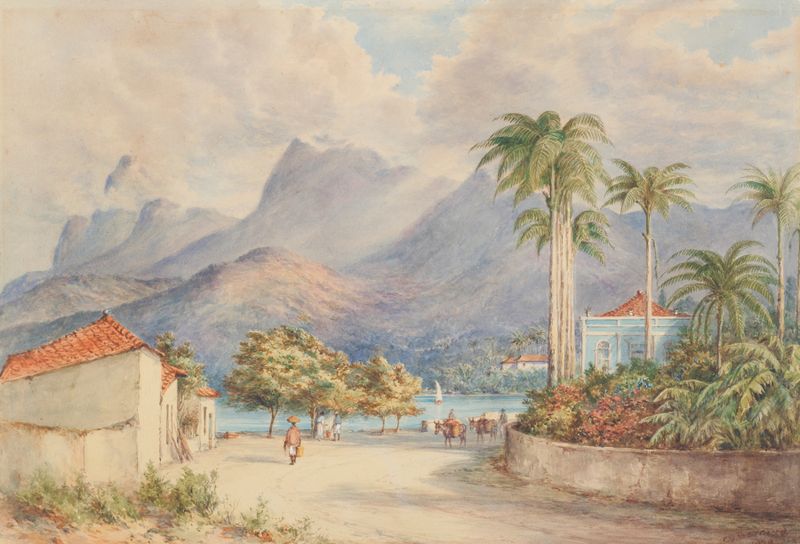
Rio de Janeiro
Charles Decimus Barraud





