
Newburg — History & Facts
Where does light end, and longing begin? In Newburg, a fragile interplay unfolds between the luminous and the lonely, revealing the deep resonance of solitude. Look to the horizon, where the gentle glow of sunlight spills over the distant hills, bathing the landscape in a golden hue. The soft blues and greens converge in serene harmony, while the darker shadows—where water meets land—create a palpable sense of depth and introspection. Notice how the artist employs delicate brushwork, allowing the viewer to feel the coolness of the water and the warmth of the sky, juxtaposing tranquil beauty with an undercurrent of isolation. There’s a profound sense of yearning embedded in the scene, as if the landscape itself is caught in a moment of reflection.
The solitary structure perched at the water's edge stands as a testament to human existence amidst vastness, highlighting the fragile balance between nature and humanity. The gentle ripples on the water’s surface whisper stories of distant hearts, while the untouched wilderness invites both wonder and a subtle ache of loneliness. John Hill painted Newburg between 1821 and 1822 during a time when American landscape painting was beginning to flourish, reflecting a growing national identity. Working in a period characterized by exploration and a search for individual expression, he captured this scene in New York, drawing from the romantic ideals of the Hudson River School while forging his unique path.
His experiences in this burgeoning art movement set the stage for his interpretation of both beauty and solitude.
More Artworks by John Hill
Browse all →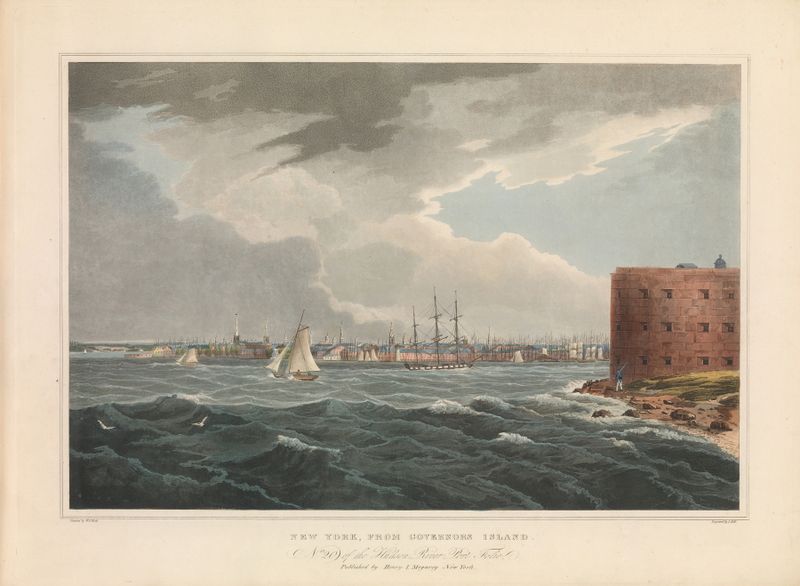
New York from Governor’s Island
John Hill

West Point
John Hill
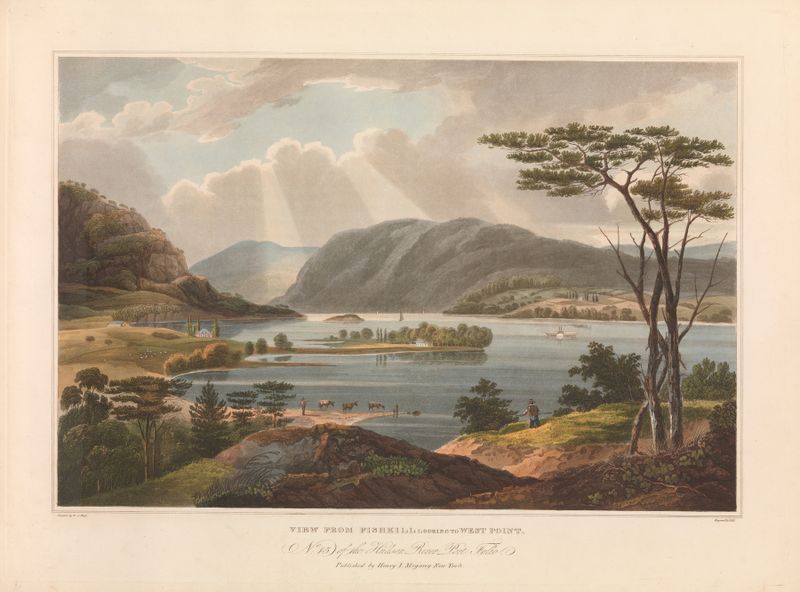
View from Fishkill Looking To West-Point
John Hill

View Near Hudson
John Hill
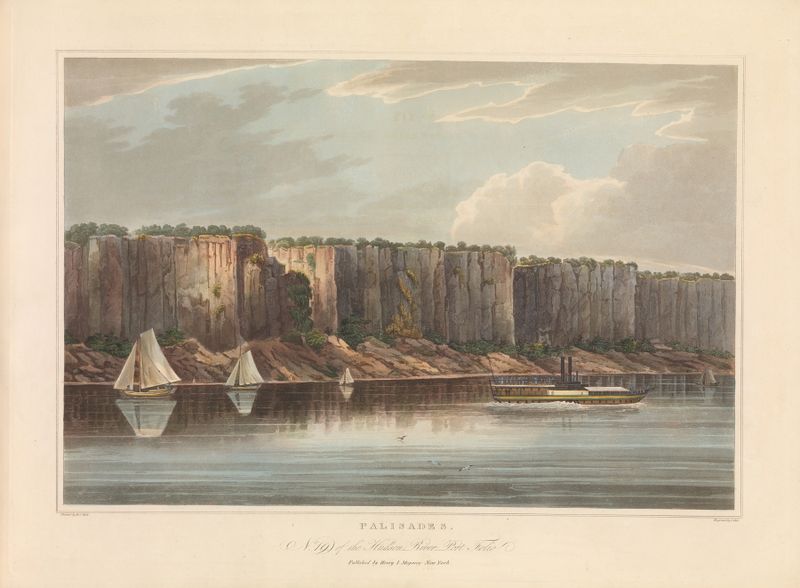
The Palisades
John Hill
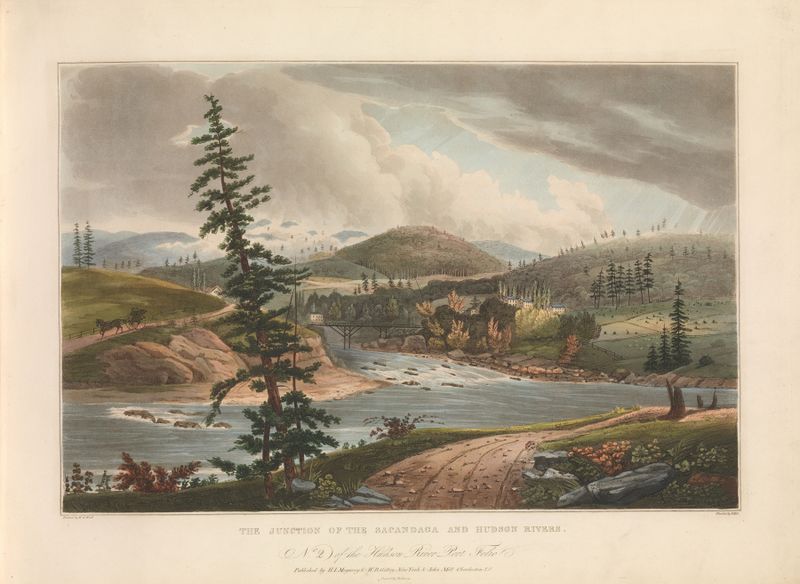
Junction of the Sacandaga and Hudson Rivers
John Hill
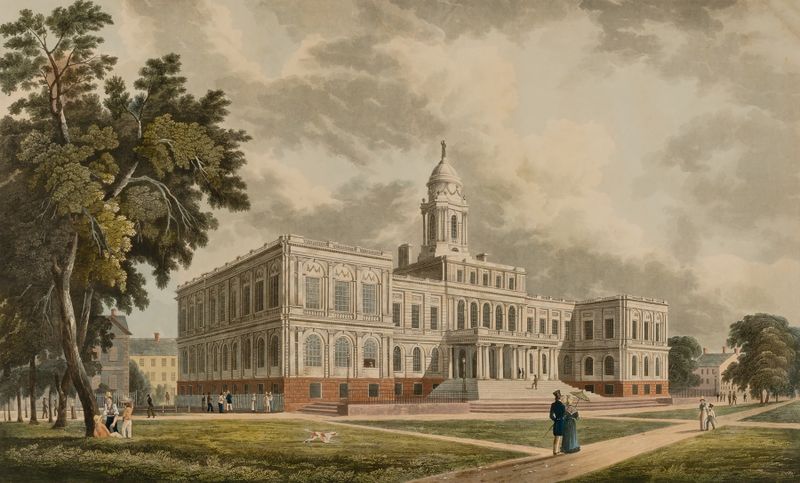
City Hall
John Hill

North-West Front, Cassiobury
John Hill

Glenns Falls
John Hill

His Majesty’s Frigate ‘Endymion’
John Hill





