
Niagara Falls — History & Facts
What first seizes the eye in Niagara Falls by Albert Bierstadt is the sense of sheer momentum, as if the viewer stands at the very lip of the famous cascade, feeling the river’s pull. The water sweeps from the foreground into the abyss, its surface dark and glassy before it breaks into a froth of white and turquoise. A fallen log, stranded at the edge, hints at the river’s power to claim and carry away whatever crosses its path.
The horizon is held low, giving the sky and its swelling clouds a stage above the tumult, while the far shore appears as a distant, wooded margin—almost an afterthought compared to the drama below. Every brushstroke seems to urge the viewer closer, inviting them to sense the roar and spray that the canvas itself cannot deliver. Painted in 1869, this work belongs to a moment in American art when landscapes were not mere backdrops but declarations of national identity and ambition. Artists like Bierstadt made their names on grand scenes that captured the scale and promise of the continent, often for audiences who might never see such wonders firsthand.
Niagara, already a symbol of natural spectacle and technological progress, was a favorite subject for painters and photographers alike, each striving to outdo the other in capturing its force. This painting, now in the Fine Arts Museums of San Francisco, stands as a testament to that era’s hunger for images that could both awe and reassure—a world where nature’s might was both a challenge and a source of pride. Look again at the water’s edge, and consider what stories might have drifted past on that current.
More Artworks by Albert Bierstadt

A Storm in the Rocky Mountains, Mt. Rosalie
Albert Bierstadt
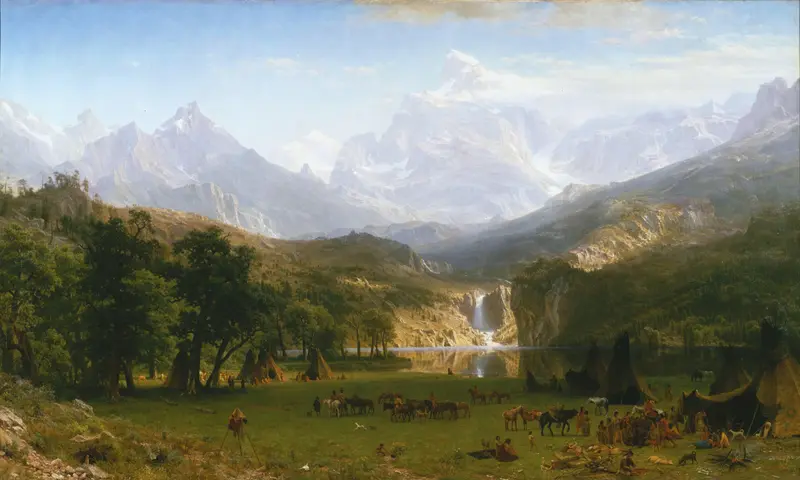
The Rocky Mountains, Lander's Peak
Albert Bierstadt
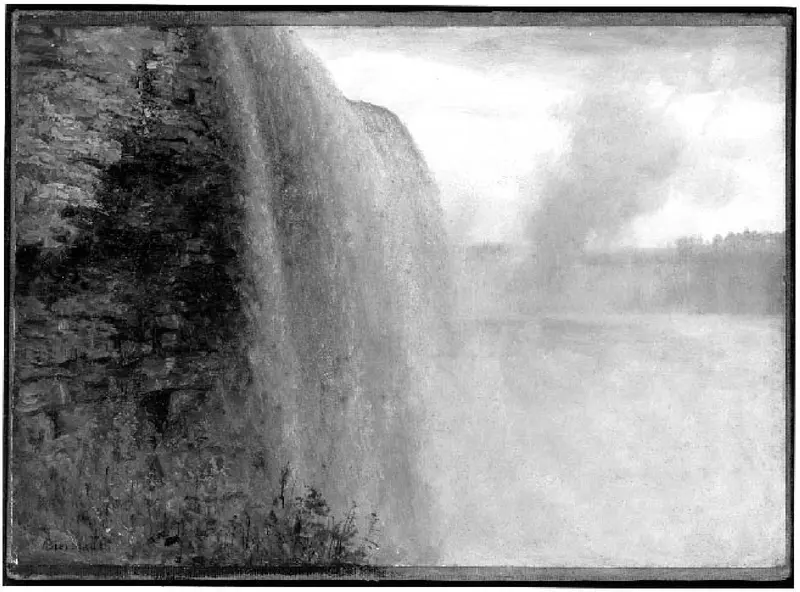
Niagara from the American Side
Albert Bierstadt
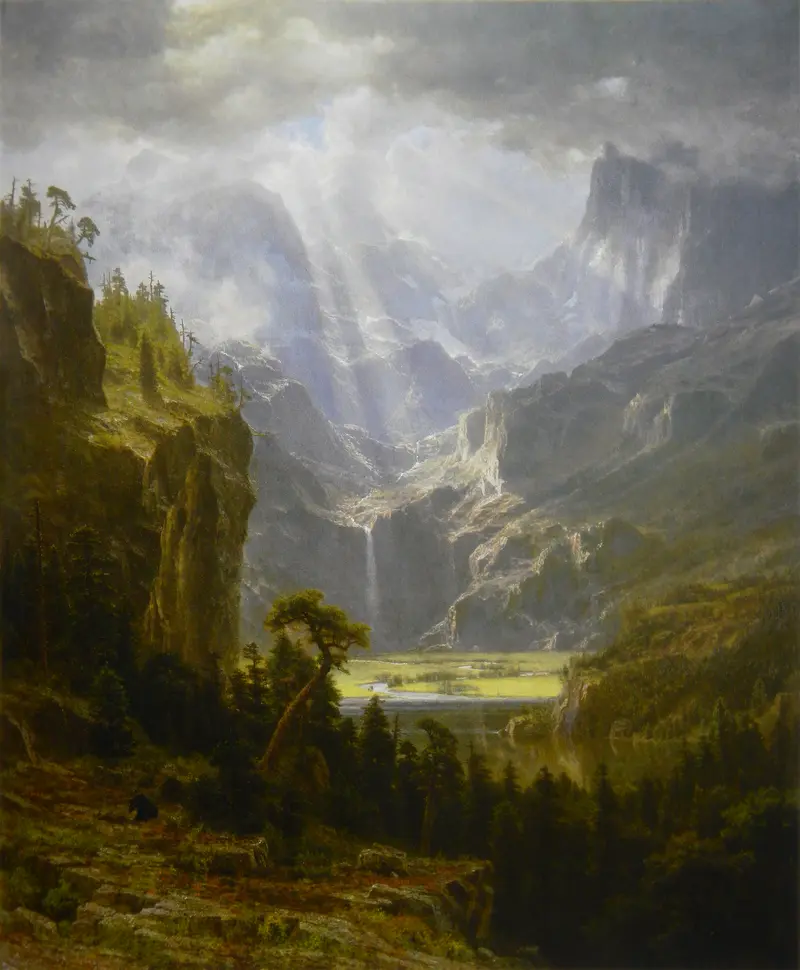
Rocky Mountains, Lander’s Peak
Albert Bierstadt

Valley of the Yosemite
Albert Bierstadt
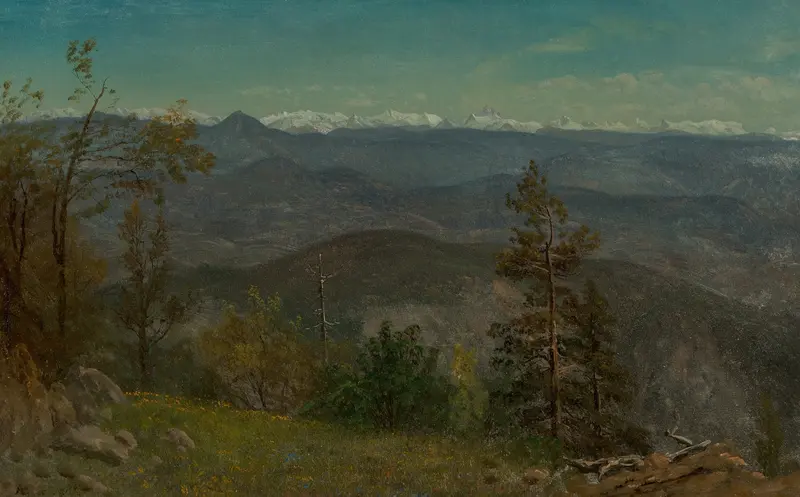
Yosemite Valley, California
Albert Bierstadt
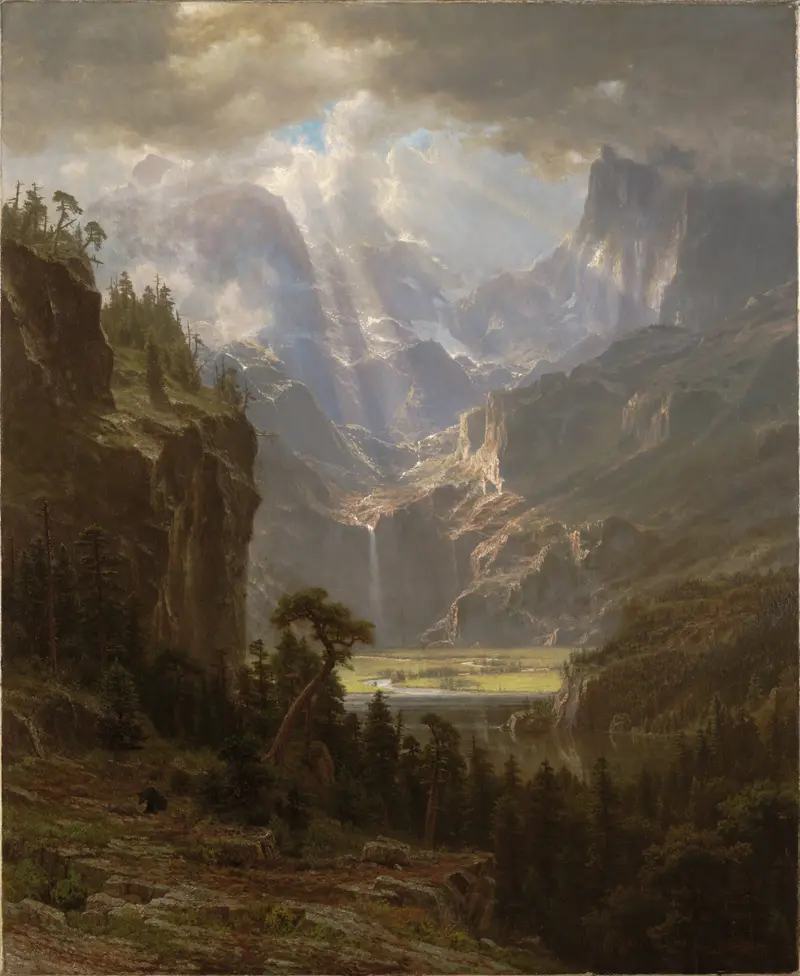
Rocky Mountains, "Lander's Peak"
Albert Bierstadt

Laramie Peak
Albert Bierstadt
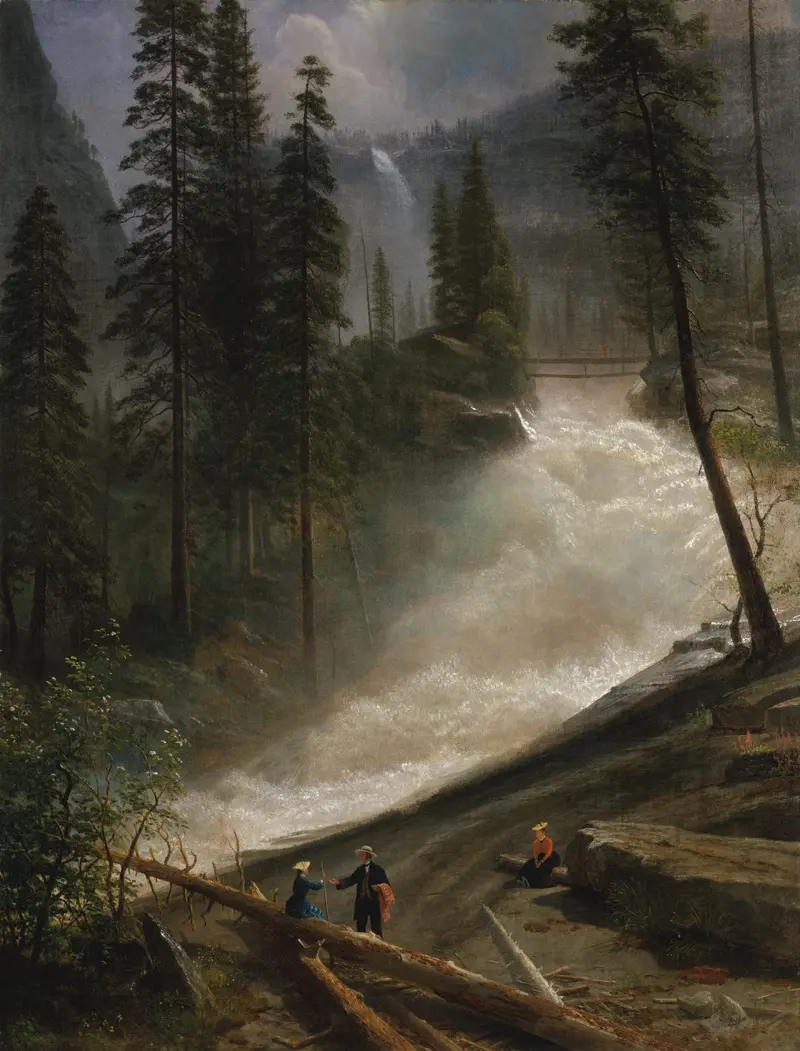
Nevada Falls, Yosemite
Albert Bierstadt
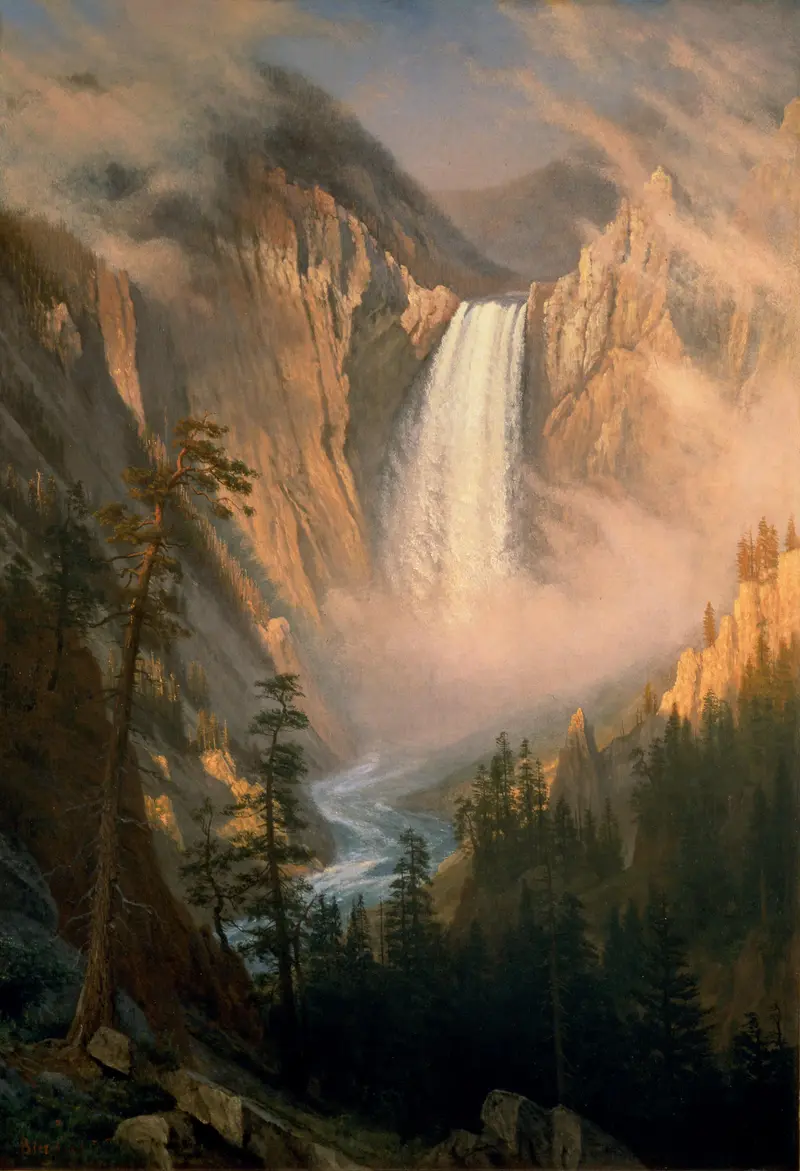
Yellowstone Falls
Albert Bierstadt
More Landscape Art

The Starry Night
Vincent van Gogh

View of Delft
Johannes Vermeer

Water Lilies
Claude Monet

The Grand Canal, Venice, looking north-west from the Ca' Corner to the Ca' Contarini degli Scrigni, with the campanile of Santa Maria della Carità
Canaletto

Windsor Castle
Canaletto

The Grand Canal looking North-East from the Palazzo Dolfin-Manin to the Rialto Bridge
Canaletto