
Night at the Bay of Naples – in the depths of Castello del’Ovo — History & Facts
Here, tranquility marries tumult, captured in the serene depths of a night bathed in color. Focus first on the rich cobalt blue that blankets the canvas, drawing your eyes toward the horizon where the dark sea meets an indigo sky. The gentle, beckoning glow of reflected light dances across the water, hinting at both mystery and peace. Notice how the silhouettes of the Castello del’Ovo rise majestically, their contours softened by the light that plays across their ancient stone.
Shadows whisper tales of time, while the shimmering surface reminds us of the calm that can exist even in the depths of turmoil. Dive deeper into the emotional currents flowing beneath the surface. The interplay between dark and light signifies a delicate balance between serenity and the chaos of existence. Each brushstroke carries the weight of history yet invites contemplation, suggesting that beauty and pain are often intertwined.
The painting evokes a profound longing, encapsulating a moment in time where the allure of the night cloaks deeper truths. In 1900, Pankiewicz found himself amidst the artistic conversations of Paris and beyond, exploring the Impressionist movement while settling back into the nostalgic embrace of his native Poland. During this period, Europe was evolving rapidly, and artists were seeking new ways to express the interplay of emotion and environment. The creation of this work reflects not only his personal journey but also a broader quest for artistic identity amidst a changing world.
More Artworks by Józef Pankiewicz
Browse all →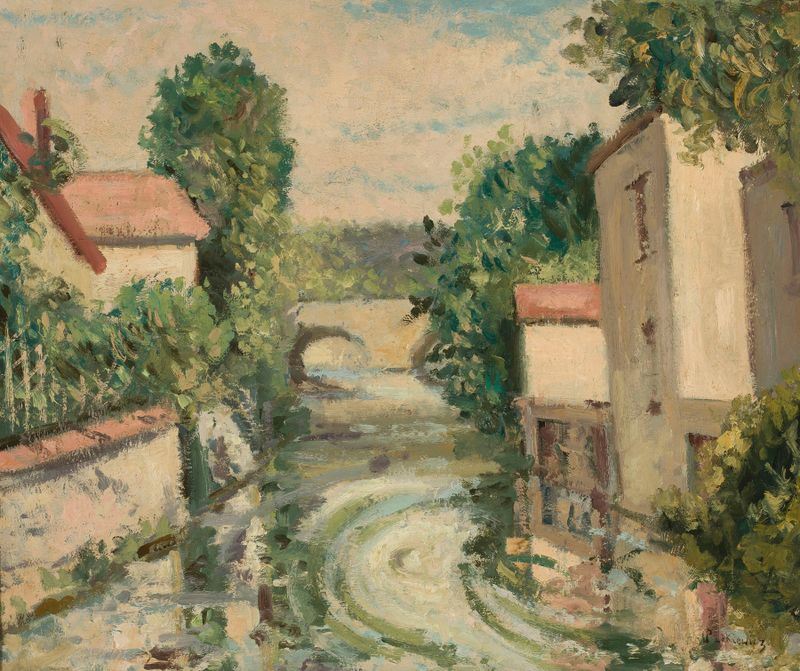
Landscape
Józef Pankiewicz

Cab in the Rain
Józef Pankiewicz
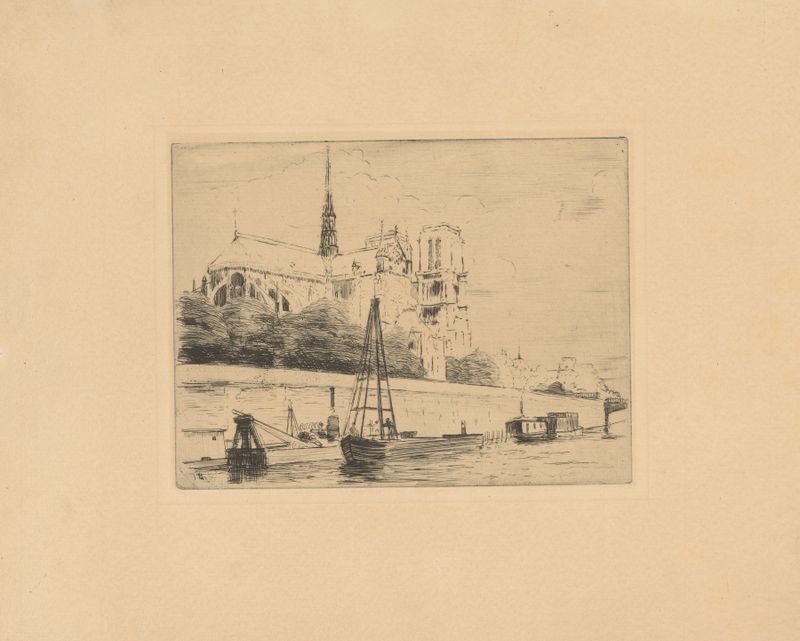
Notre Dame Cathedral in Paris
Józef Pankiewicz
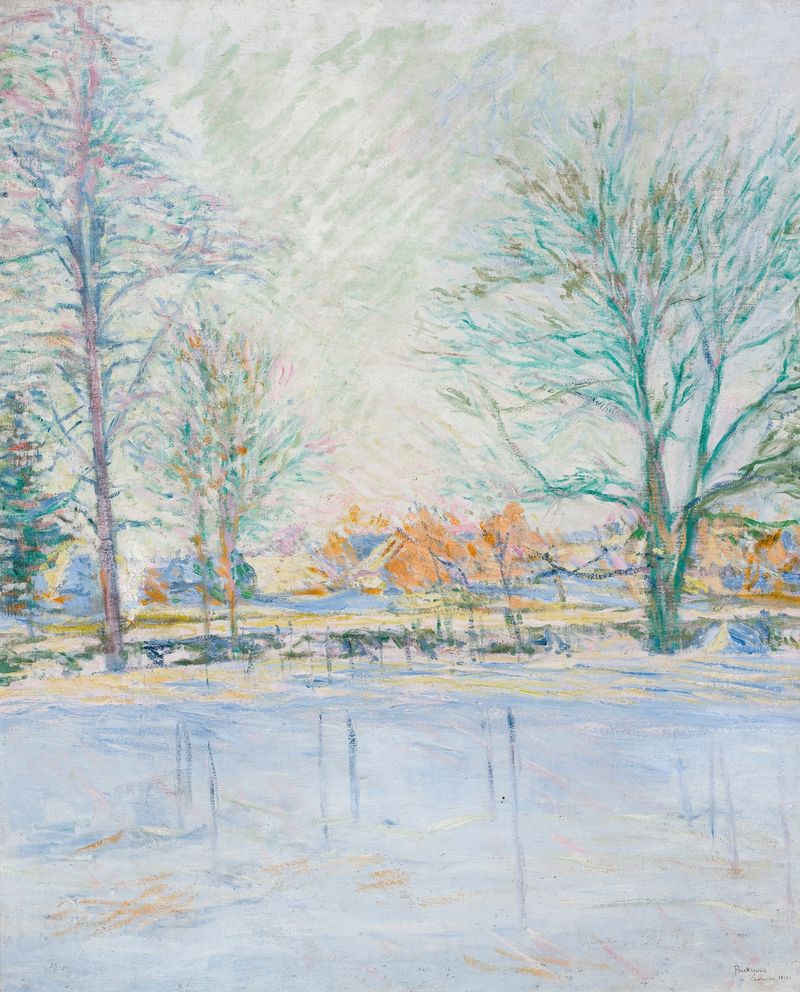
Landscape from Czarnolas
Józef Pankiewicz
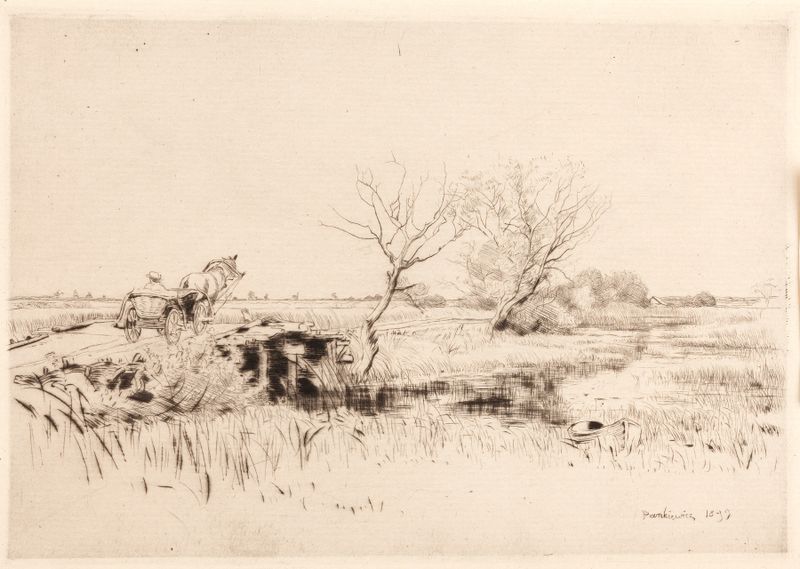
Pińsk Channel in Polesie I
Józef Pankiewicz
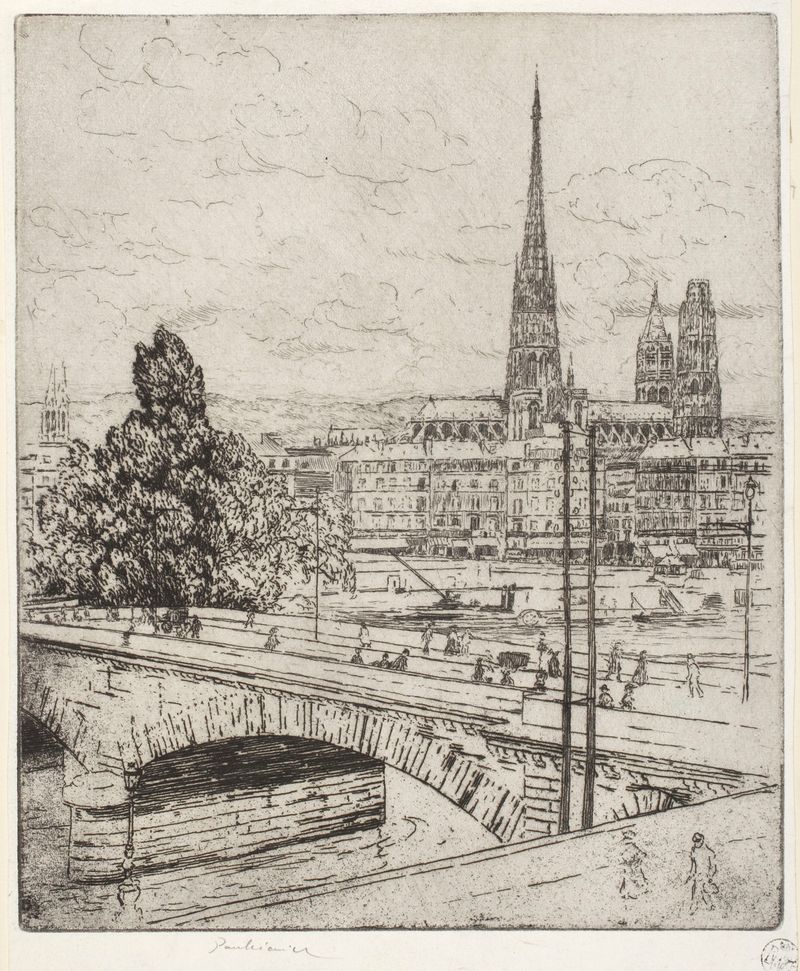
Pont Corneille in Rouen
Józef Pankiewicz
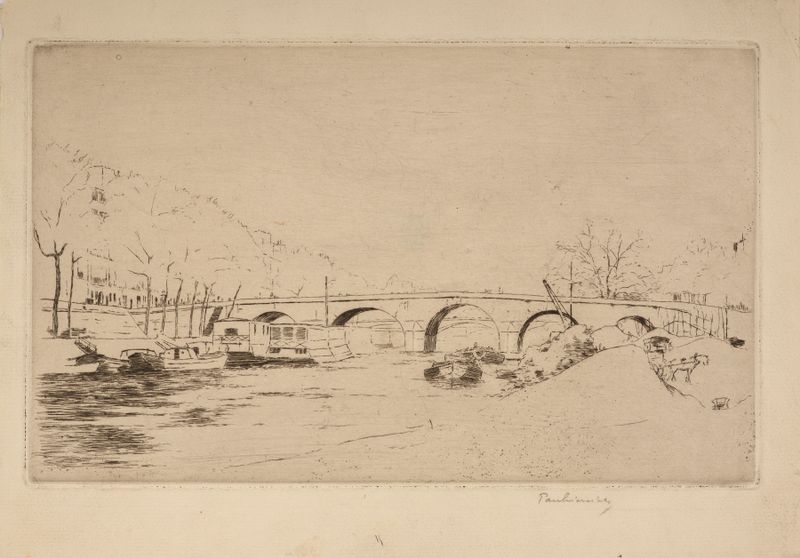
Pont Marie in Paris
Józef Pankiewicz

Rouen – portal from the Church of St Maclou
Józef Pankiewicz
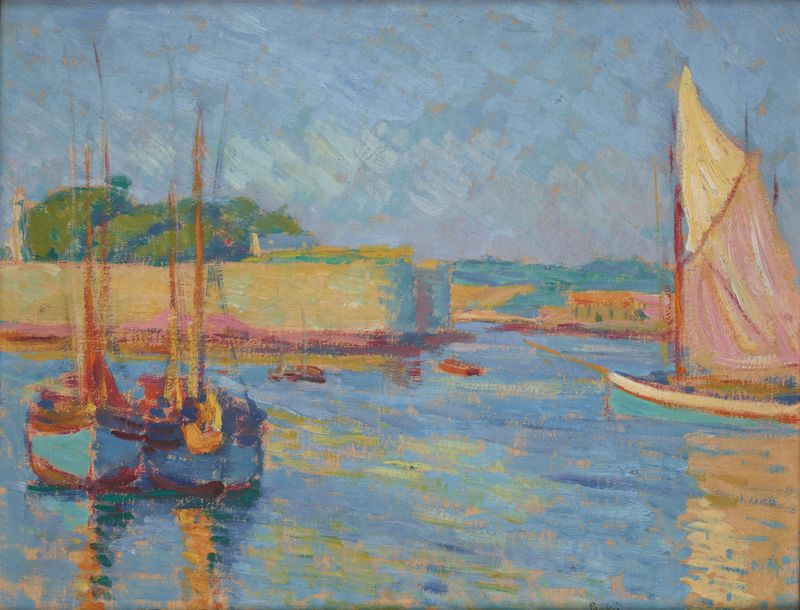
Harbour at Concarneau
Józef Pankiewicz
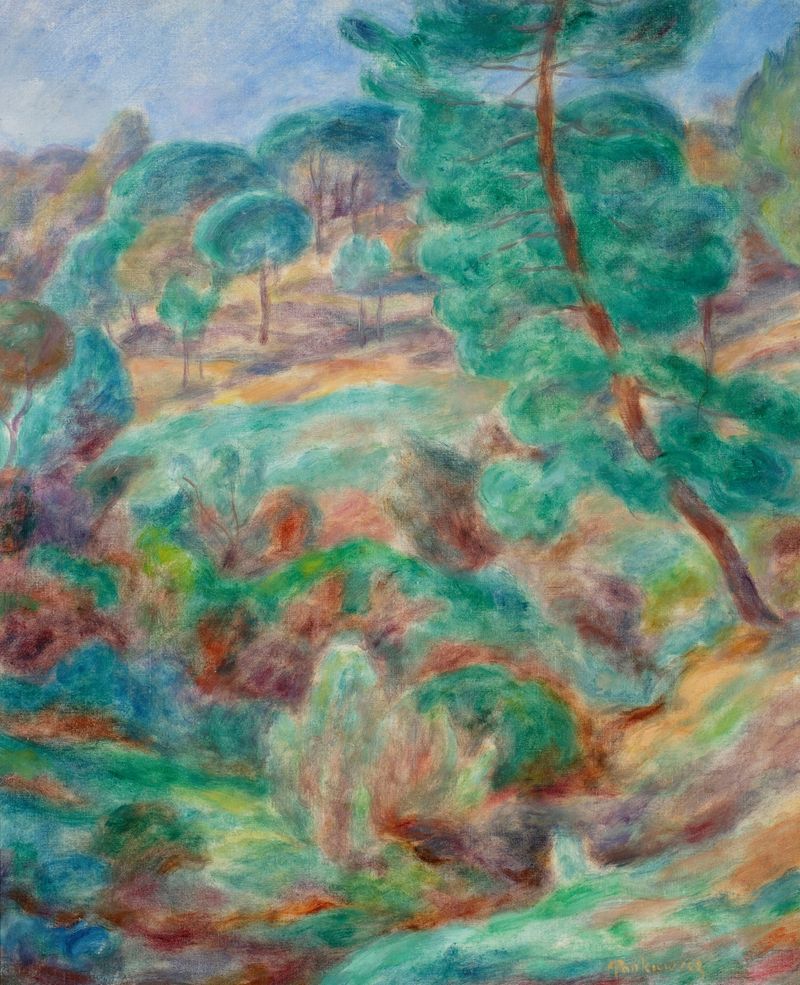
Landscape from Saint-Tropez – Stone pines
Józef Pankiewicz





