
Noah Leaving the Ark — History & Facts
A hush of anticipation lingers in the air as the world begins anew. The painter draws your eye first to the procession of animals and people emerging from the shadowed foreground into the open, sunlit space—a gentle, almost theatrical unveiling. Every gesture is purposeful: the camels’ long necks craning upward, the sheep and cattle pressing forward, the birds taking flight into a sky still heavy with the memory of storm.
The human figures, clothed in rich reds and ochres, move with a sense of relief and cautious hope, their faces turned toward the future. Notice how the painter uses the winding path and the soft, golden light to guide you from the clustered animals at the water’s edge to the distant, sunlit landscape, where the ark itself sits quietly, almost forgotten, against the receding flood. Works like this, painted in the decades around the middle of the seventeenth century, belonged to a world hungry for stories of survival and renewal. In the wake of war, plague, and religious upheaval, collectors across Europe sought out scenes from the Old Testament, not just for their moral lessons but for their promise of order restored.
Adam Colonia was active in these years, and his paintings often blend Northern attention to animal detail with the Italianate landscapes that were so fashionable among his contemporaries. This painting, now in the collection documented at the SMK, Copenhagen, stands as a testament to the enduring appeal of such narratives—history has kept few traces of its early journey, but the image invites us to linger, searching for the moment when hope first stepped onto dry land.
More Artworks by Adam Colonia

The Annunciation to the Shepherds
Adam Colonia
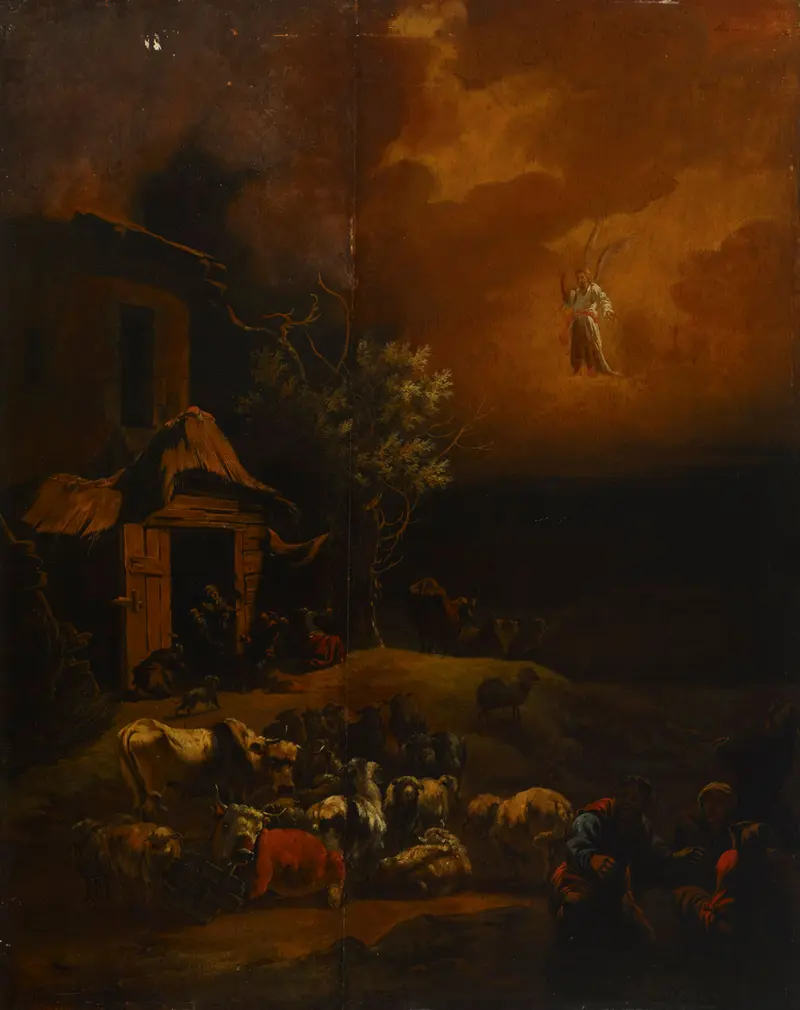
The Annunciation of the Shepherds
Adam Colonia
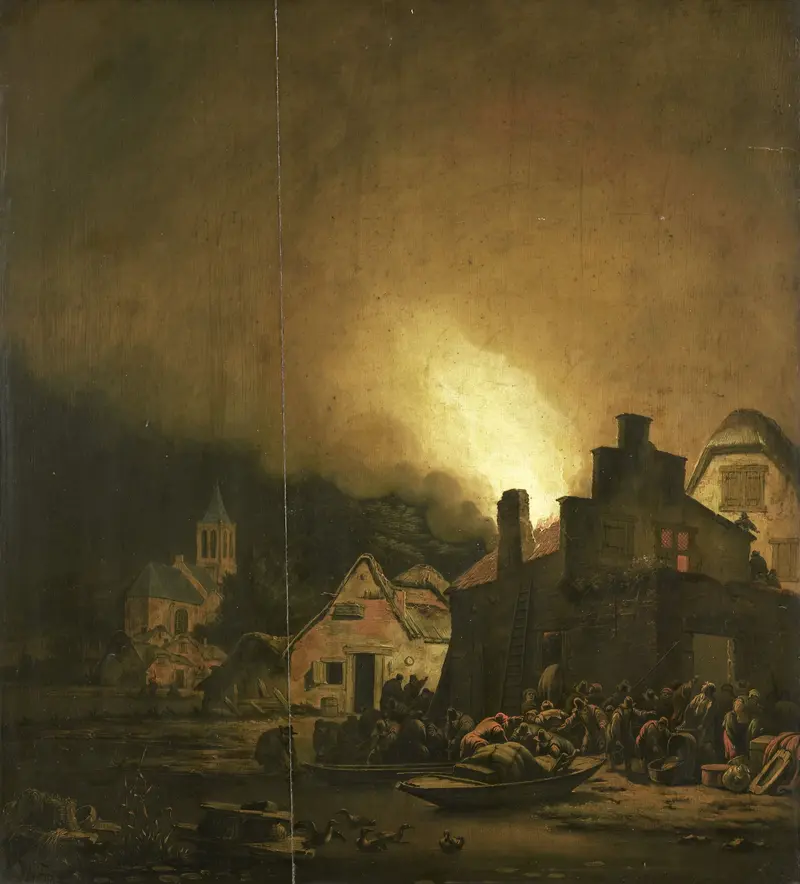
Nighttime fire in a village
Adam Colonia
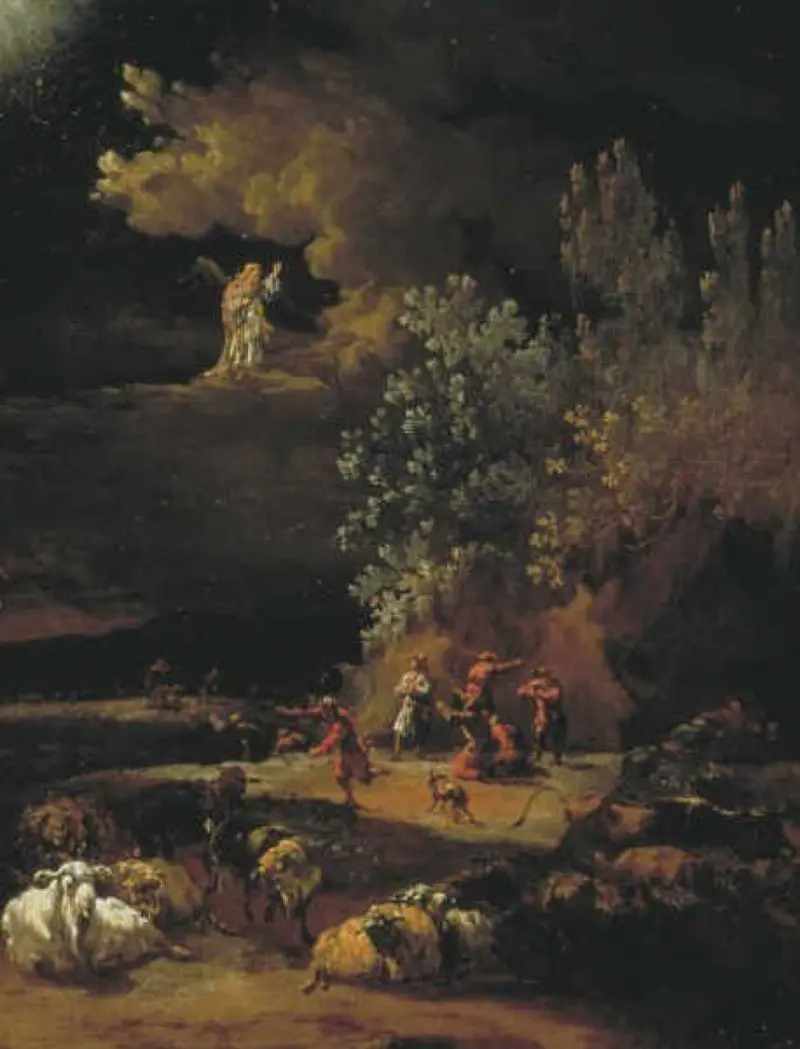
The Annunciation of the Angel to the Shepherds
Adam Colonia
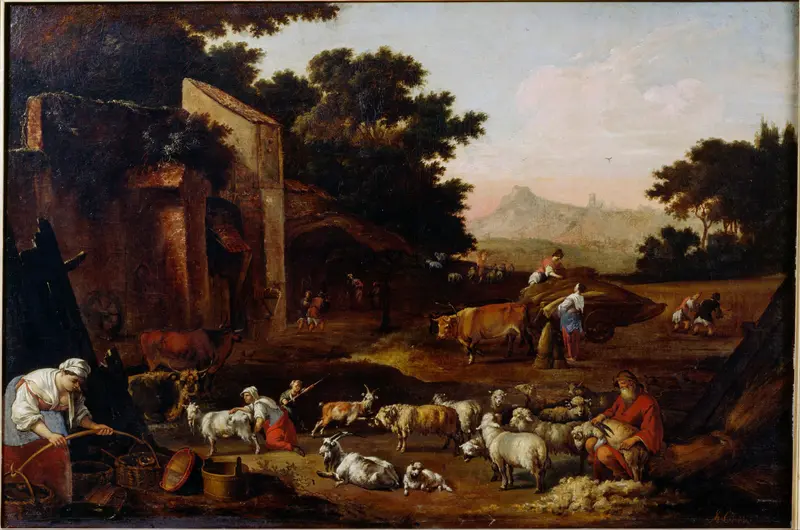
Sheep Shearing
Adam Colonia
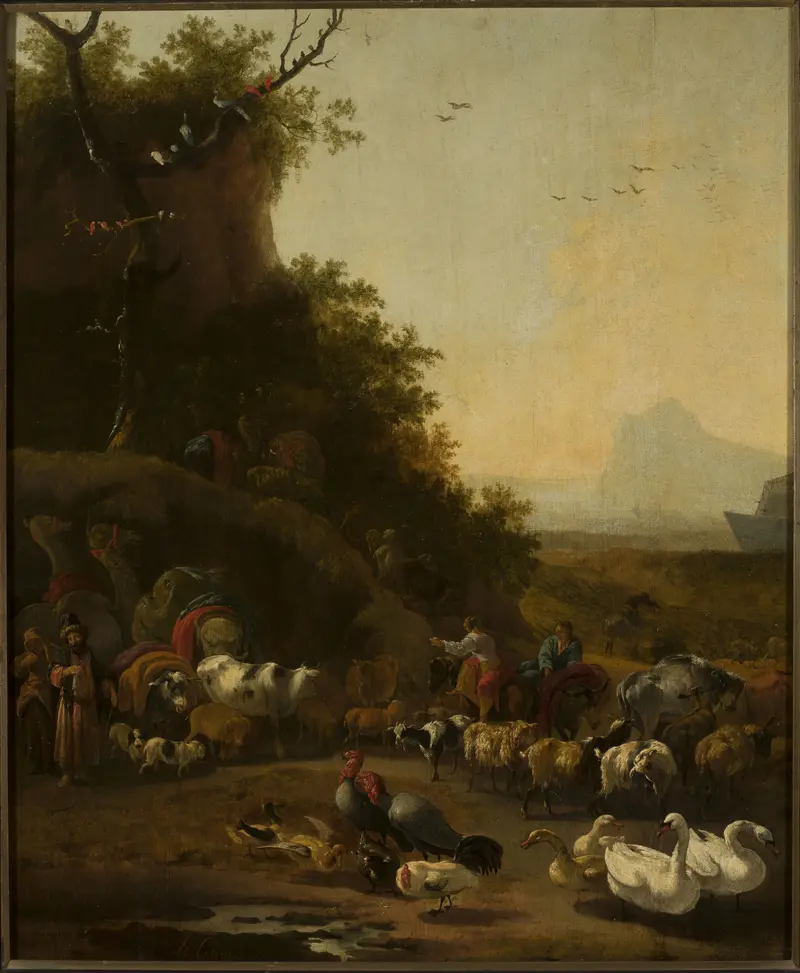
Noah’s family and animals in front of the ark (Genesis 7:1-3)
Adam Colonia
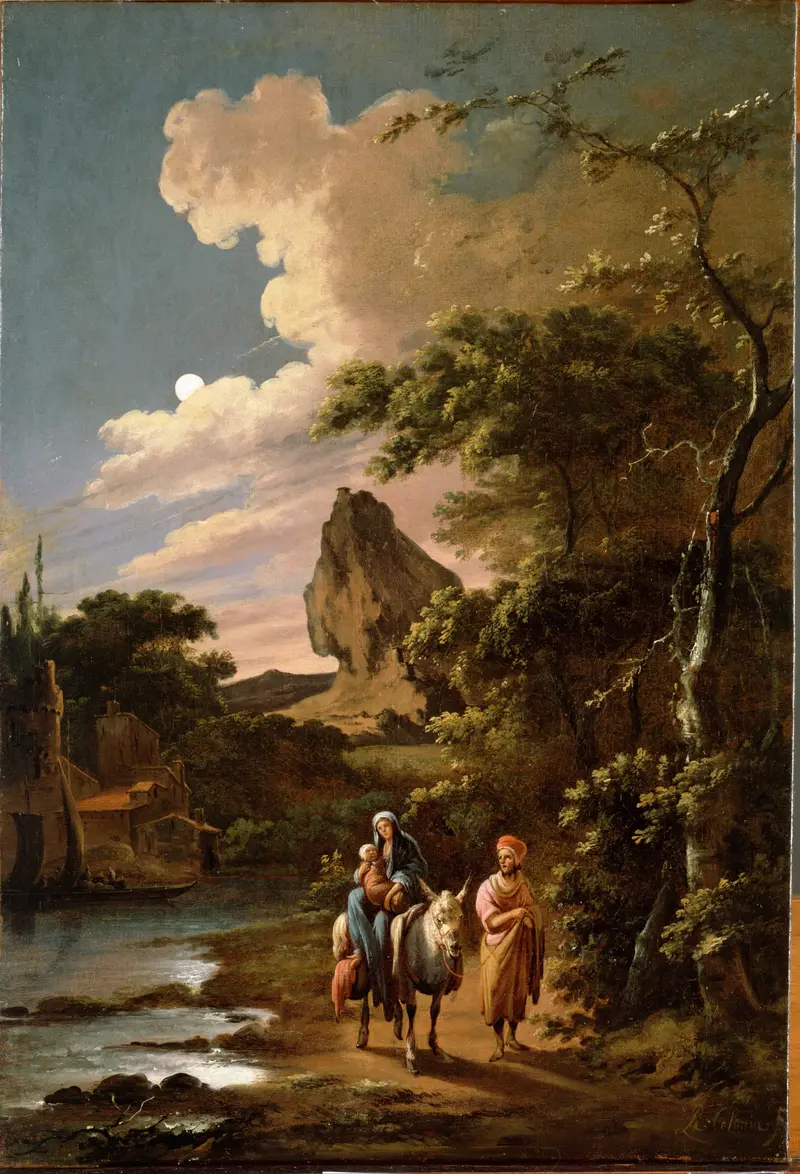
The Flight into Egypt
Adam Colonia
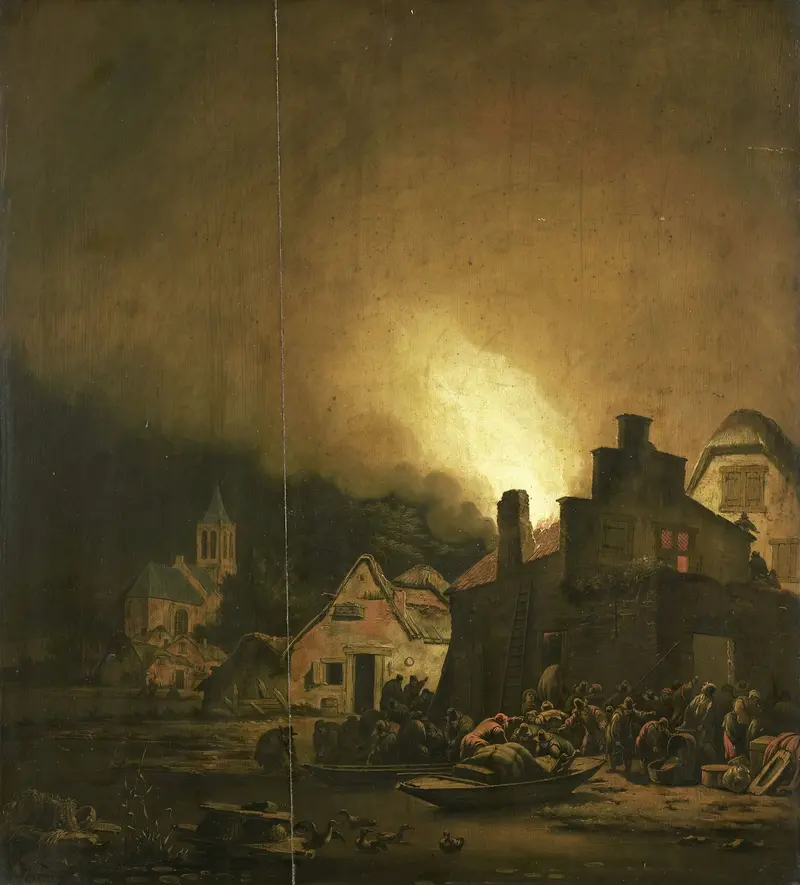
Fire by night in a Village
Adam Colonia
More Landscape Art

The Starry Night
Vincent van Gogh

View of Delft
Johannes Vermeer

Water Lilies
Claude Monet

The Grand Canal, Venice, looking north-west from the Ca' Corner to the Ca' Contarini degli Scrigni, with the campanile of Santa Maria della Carità
Canaletto

Windsor Castle
Canaletto

The Grand Canal looking North-East from the Palazzo Dolfin-Manin to the Rialto Bridge
Canaletto