
The Annunciation of the Angel to the Shepherds — History & Facts
A sudden burst of golden light splits the night sky, drawing every eye in the painting upward to the apparition above the hillside. The shepherds, caught mid-motion, flinch and shield their faces as the angel appears in a swirl of luminous clouds—an arrival that seems to ripple through the darkness itself. The sheep, clustered in the foreground, huddle together in confusion, their pale wool catching the same celestial glow that bathes the angel.
Adam Colonia orchestrates the scene so that the drama is not in grand gestures, but in the startled gestures and scattered bodies of the shepherds, whose world has been upended by a message from beyond. The palette, dominated by earthy browns and flashes of white and gold, roots the miracle in the soil and shadows of everyday life. Painted in 1662, The Annunciation of the Angel to the Shepherds belongs to a period when biblical scenes were woven into the fabric of daily Dutch and Flemish life, often commissioned for private devotion or as reminders of faith in the home. Artists like Colonia, working in the wake of the Baroque, brought a new immediacy to these familiar stories, emphasizing the ordinary people who witnessed the extraordinary.
The painting now resides in the collection of Museum Boijmans Van Beuningen, a testament to the enduring appeal of these intimate, nocturnal dramas. History has kept few traces of Colonia’s intentions, but the painting’s charged stillness invites us to linger, searching the shadows for our own moment of revelation.
More Artworks by Adam Colonia

The Annunciation to the Shepherds
Adam Colonia
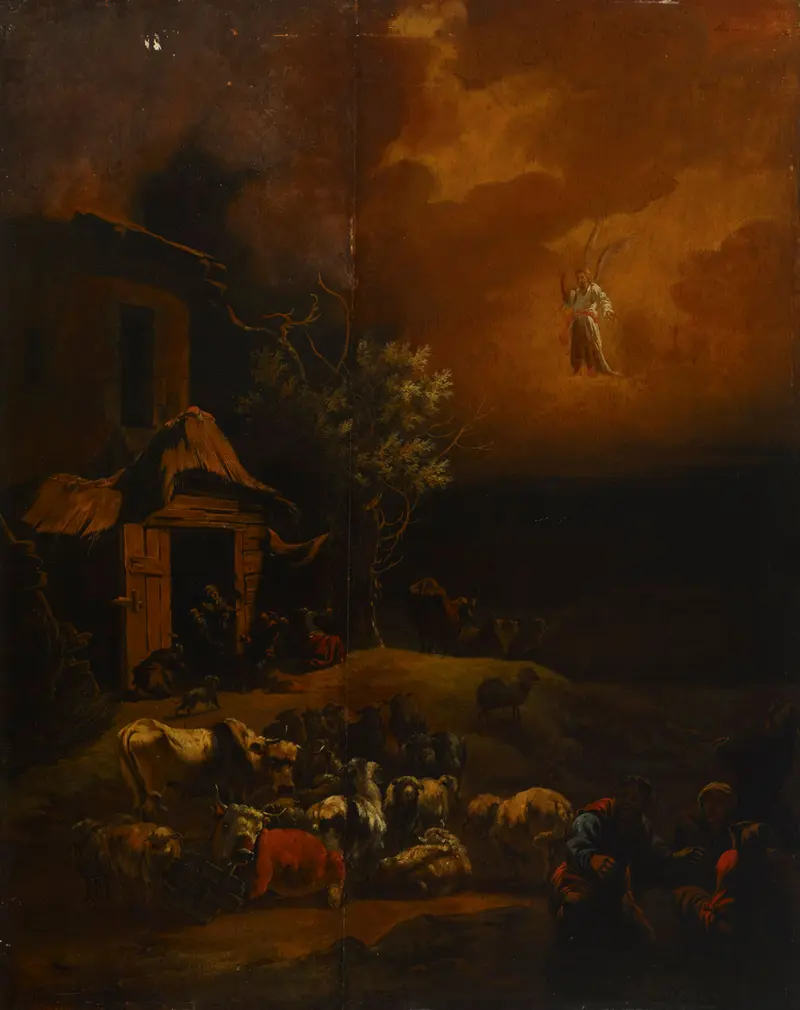
The Annunciation of the Shepherds
Adam Colonia
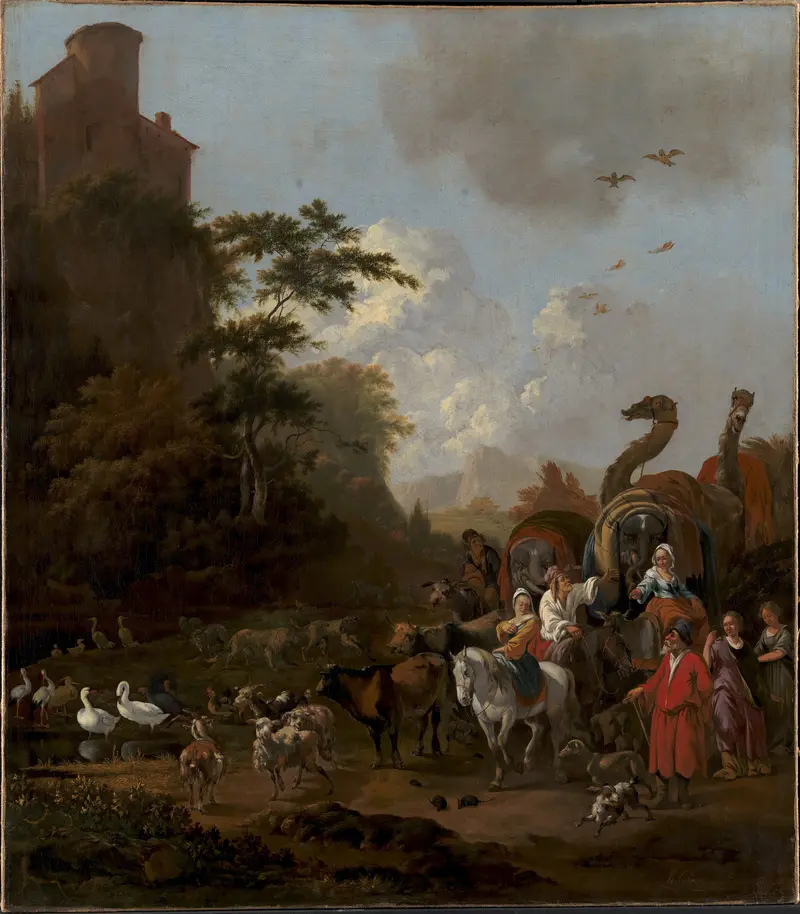
Noah Leaving the Ark
Adam Colonia
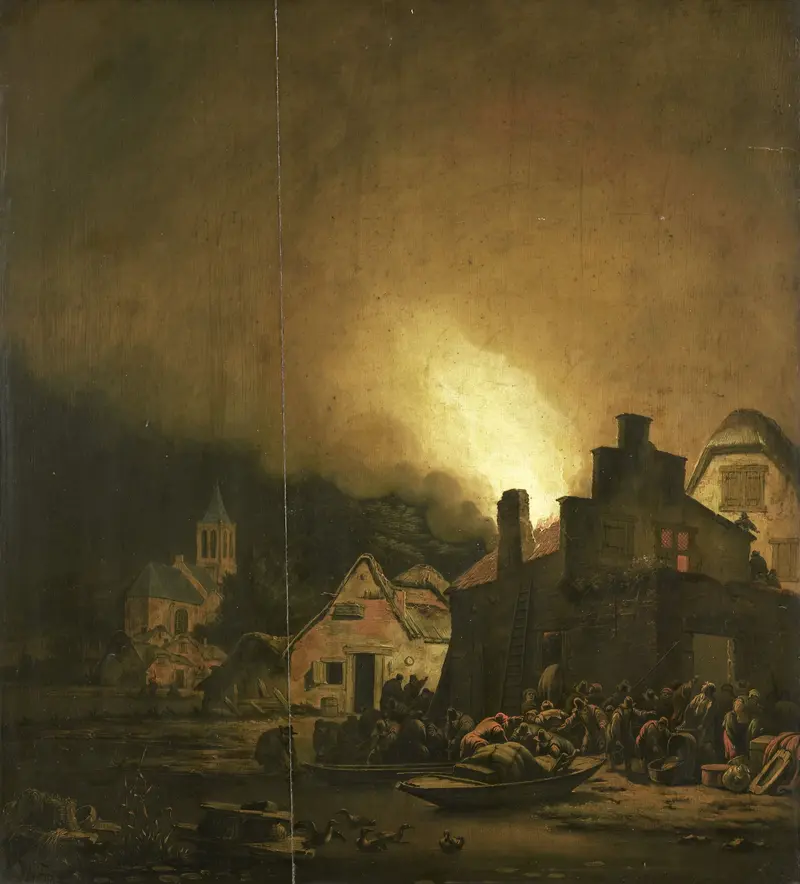
Nighttime fire in a village
Adam Colonia
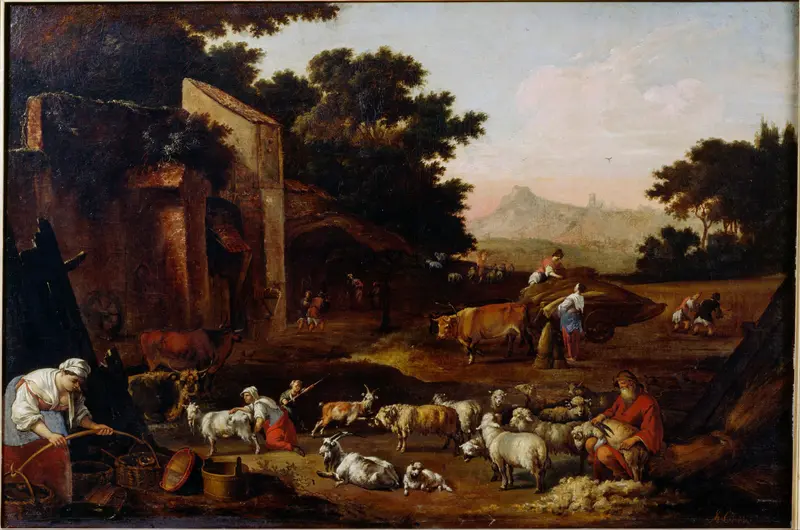
Sheep Shearing
Adam Colonia
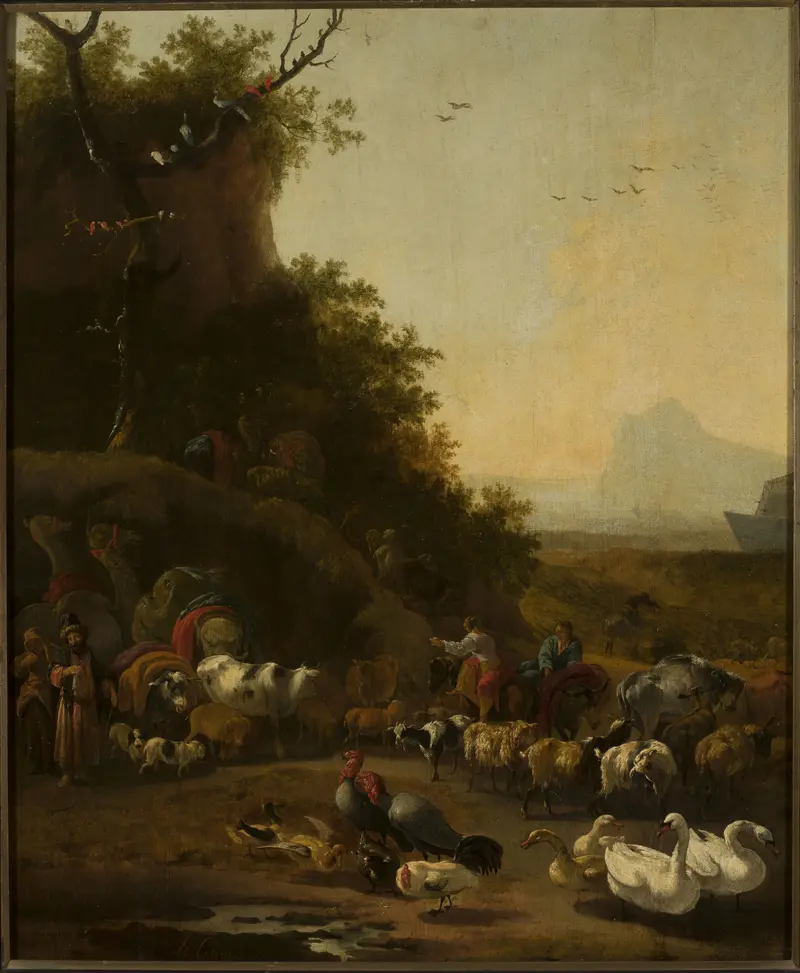
Noah’s family and animals in front of the ark (Genesis 7:1-3)
Adam Colonia
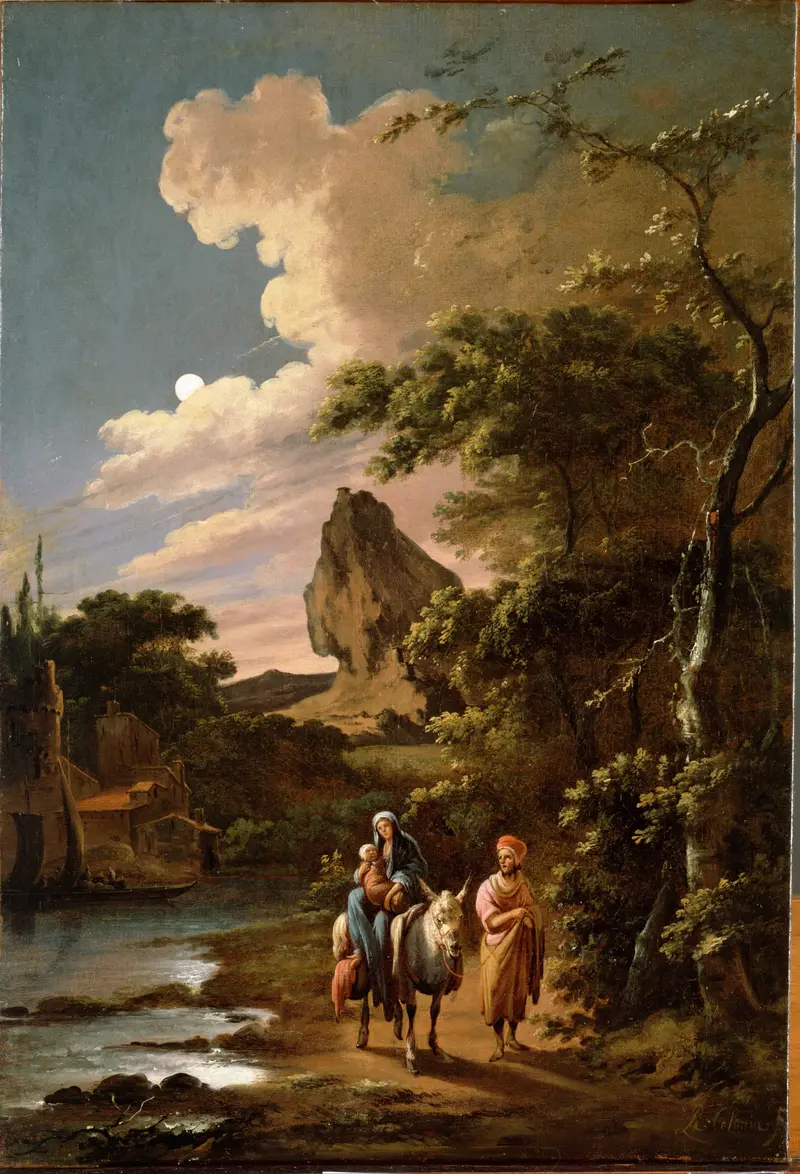
The Flight into Egypt
Adam Colonia
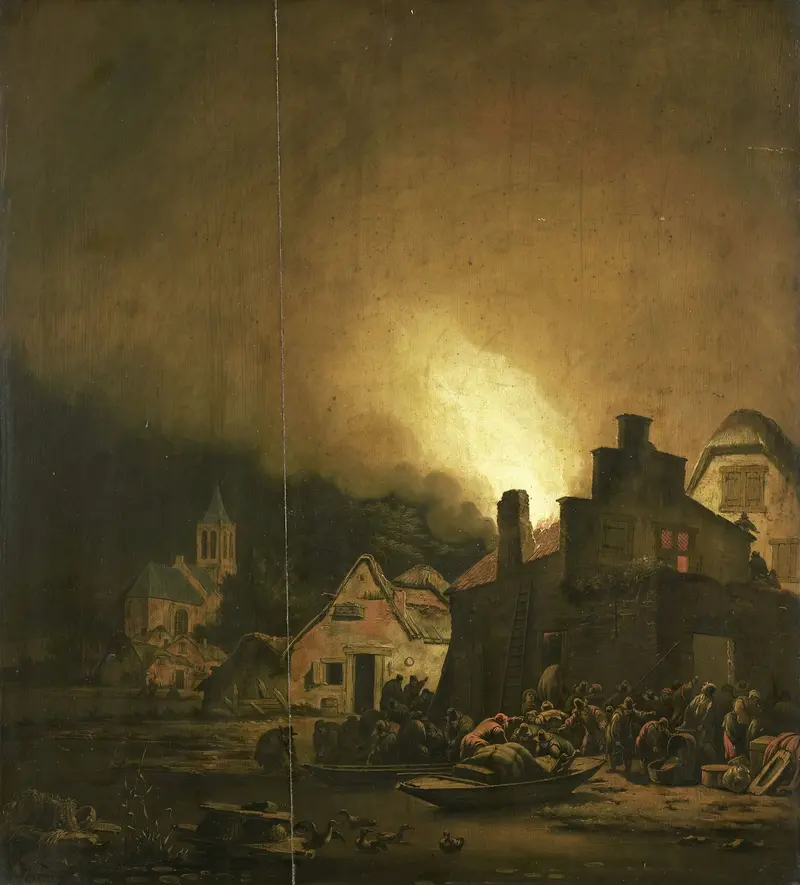
Fire by night in a Village
Adam Colonia





