
Sheep Shearing — History & Facts
What first catches the eye in Sheep Shearing is the quiet bustle of rural labor, each figure absorbed in a task that seems both ancient and immediate. The painter, Adam Colonia, draws us into a world where the rhythms of nature and human work are tightly interwoven. In the foreground, the shearing itself becomes a kind of choreography: a woman bends low, steadying a sheep with practiced hands, while another figure methodically removes a fleece.
The golden light picks out the textures of wool, the roughness of baskets, the gleam of water in a wooden pail—details that invite the viewer to linger. The scene is not static: a cart rumbles by, oxen plod, and in the shade of a ruined wall, a woman tends to her chores, all beneath a sky that opens into distant, softly painted hills. This painting belongs to the world of the late seventeenth century, when scenes of everyday life—especially those set in the countryside—were prized by collectors seeking reminders of order, productivity, and the cycles of the land. Around 1675, when this work was created, such images often served both as decoration and as subtle moral lessons, celebrating diligence and the harmony of communal labor.
Adam Colonia was part of a broader movement that blended Dutch and Italianate influences, visible here in the contrast between the warm, southern light and the careful observation of rustic detail. History has kept few traces of this particular painting’s journey, but its presence in the digital collection today invites us to look again at the dignity of work, and the beauty found in the ordinary.
More Artworks by Adam Colonia

The Annunciation to the Shepherds
Adam Colonia
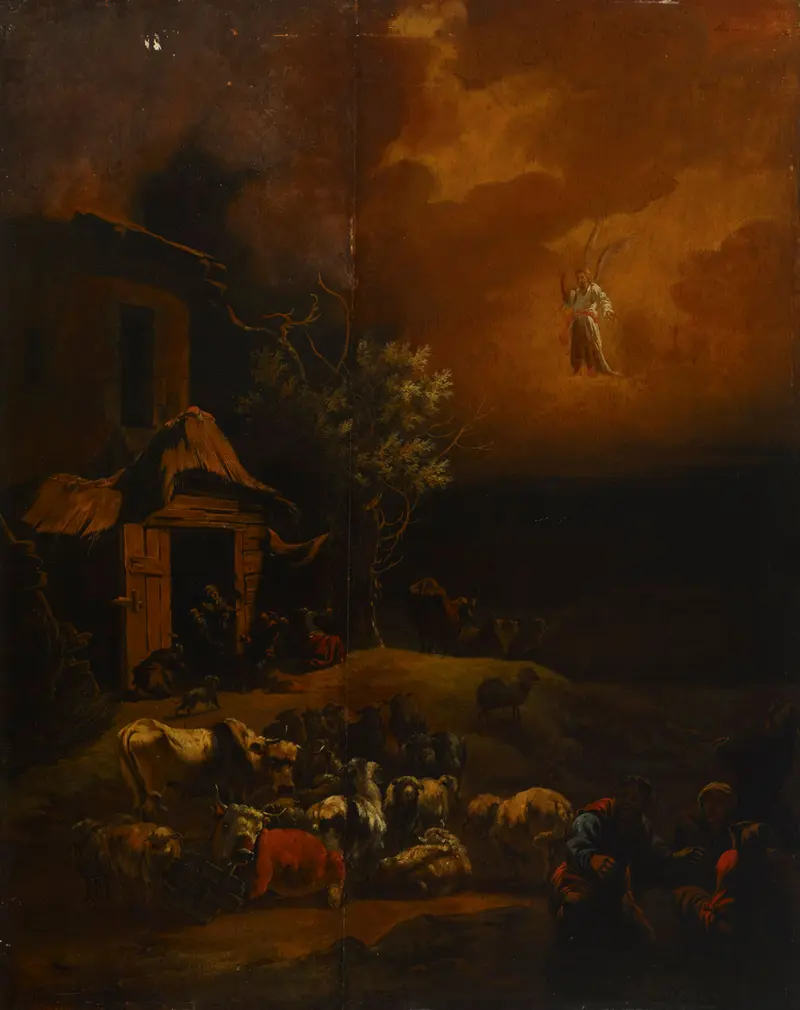
The Annunciation of the Shepherds
Adam Colonia
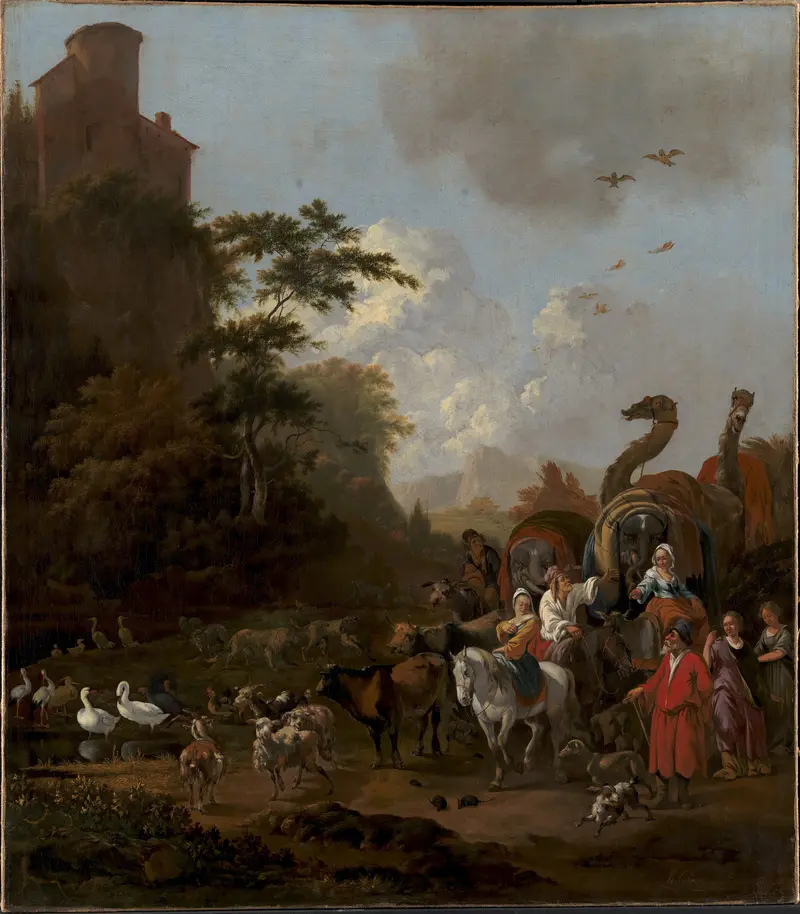
Noah Leaving the Ark
Adam Colonia
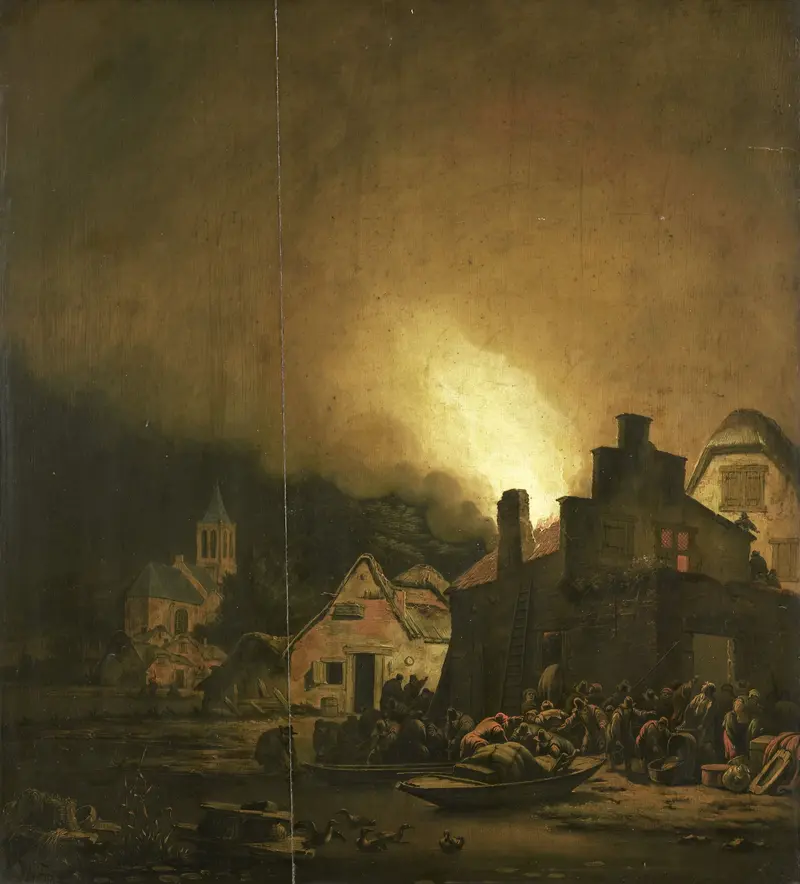
Nighttime fire in a village
Adam Colonia
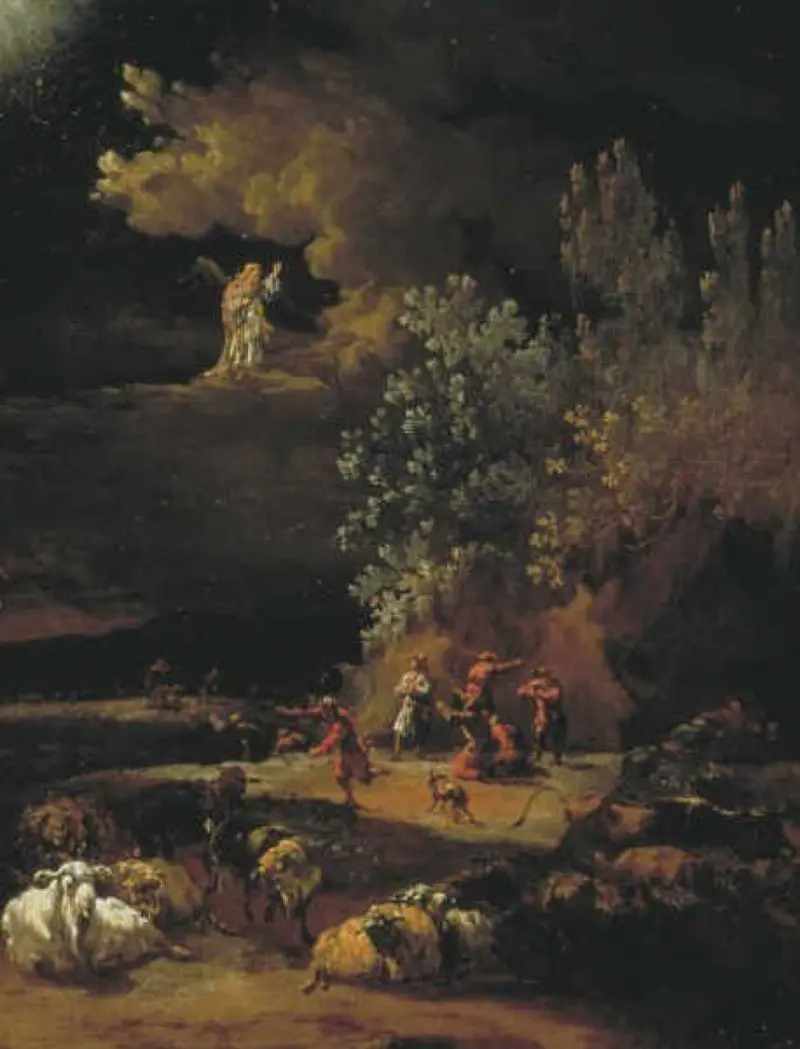
The Annunciation of the Angel to the Shepherds
Adam Colonia
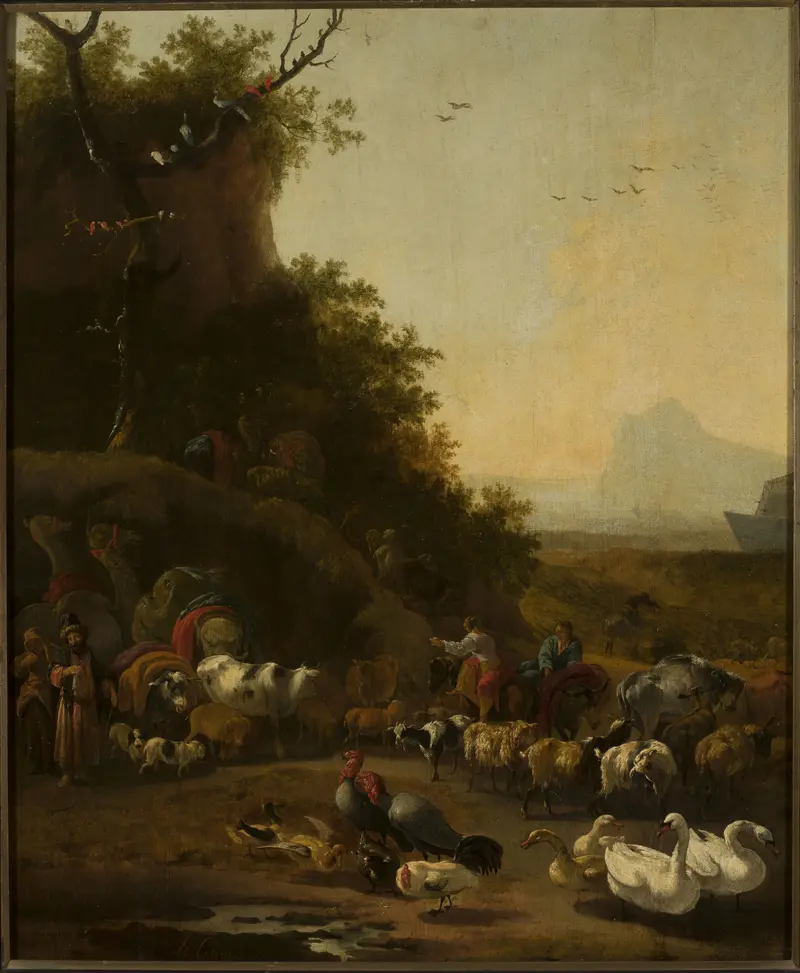
Noah’s family and animals in front of the ark (Genesis 7:1-3)
Adam Colonia
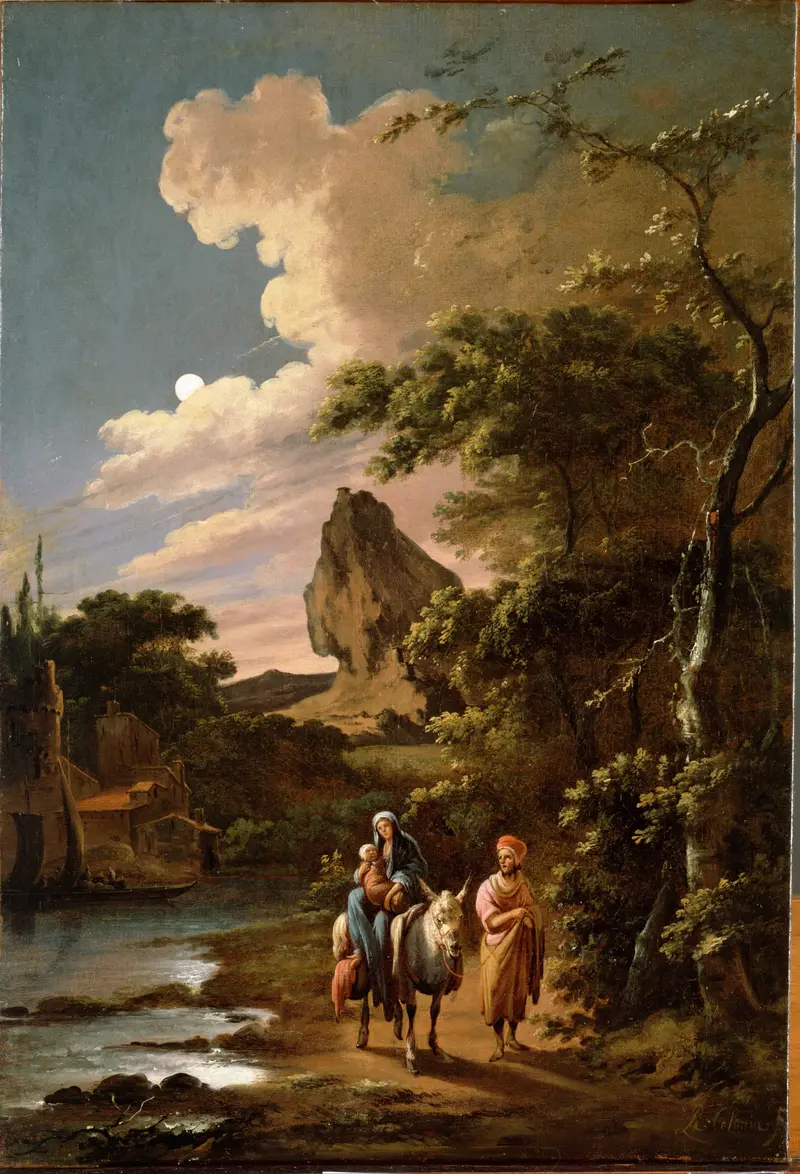
The Flight into Egypt
Adam Colonia
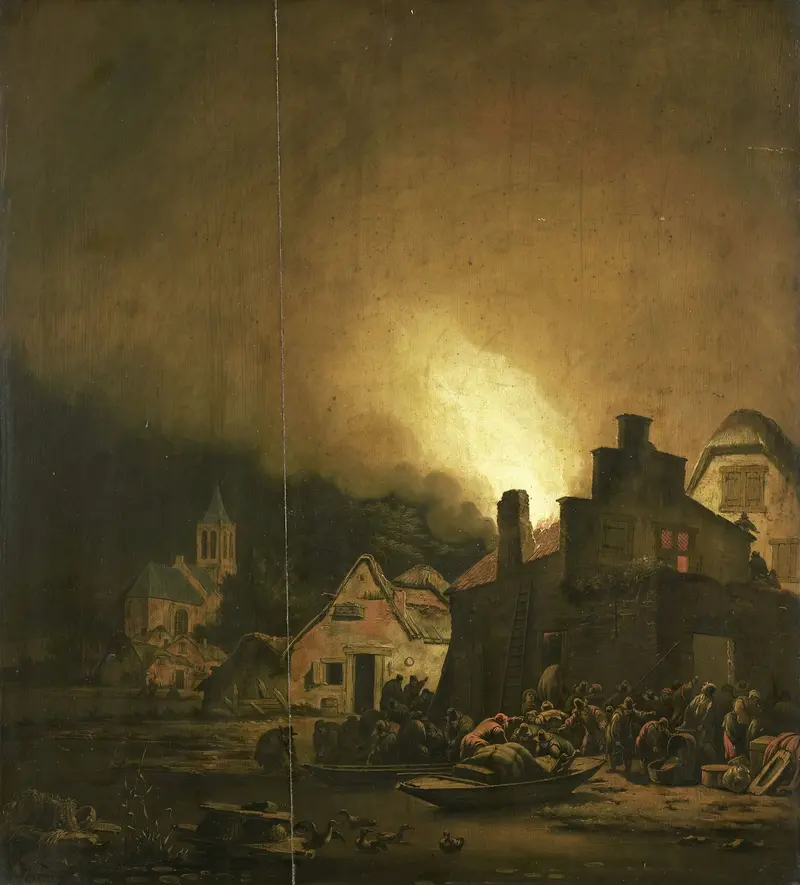
Fire by night in a Village
Adam Colonia
More Genre Scene Art

Banquet of the Officers of the St George Civic Guard
Frans Hals

Rembrandt and Saskia in the Scene of the Prodigal Son
Rembrandt van Rijn

Bal du moulin de la Galette
Pierre-Auguste Renoir

Quadrille at the Moulin Rouge
Henri de Toulouse-Lautrec

A Burial at Ornans
Gustave Courbet

When Will You Marry?
Paul Gauguin