
Winterscene, Stockholm — History & Facts
Who listens when art speaks of silence? In Winterscene, Stockholm, the stillness of a snow-drenched city seems to echo with unvoiced sorrow, inviting the viewer to contemplate the weight of solitude. Focus on the soft blues and whites that blanket the scene, drawing your gaze to the tranquil rooftops of Stockholm. The gentle slope of the snow-laden surfaces creates a rhythmic pattern, while delicate shadows breathe life into the spaces between buildings. Notice how the muted palette contrasts with the sharp outlines of the structures, capturing both the beauty and the desolation of winter’s embrace. Beneath the calm exterior lies a poignant tension of grief.
The stark outlines suggest isolation, as if the city itself mourns the absence of warmth and vitality. Each rooftop, heavy with snow, symbolizes the burden of both season and sentiment, while the absence of figures hints at a longing for connection. The stillness in this composition speaks volumes of the heartache often hidden beneath surface tranquility. Created between 1891 and 1893, this piece emerged during a transformative period in the artist's life.
Living in Stockholm, Jansson was deeply influenced by the changing urban landscape and the emotional resonance of winter. As he navigated the realms of Symbolism and early Modernism, this work reflects not only the chill of the season but also a personal exploration of solitude and introspection amidst the rapidly evolving world around him.
More Artworks by Eugène Jansson
Browse all →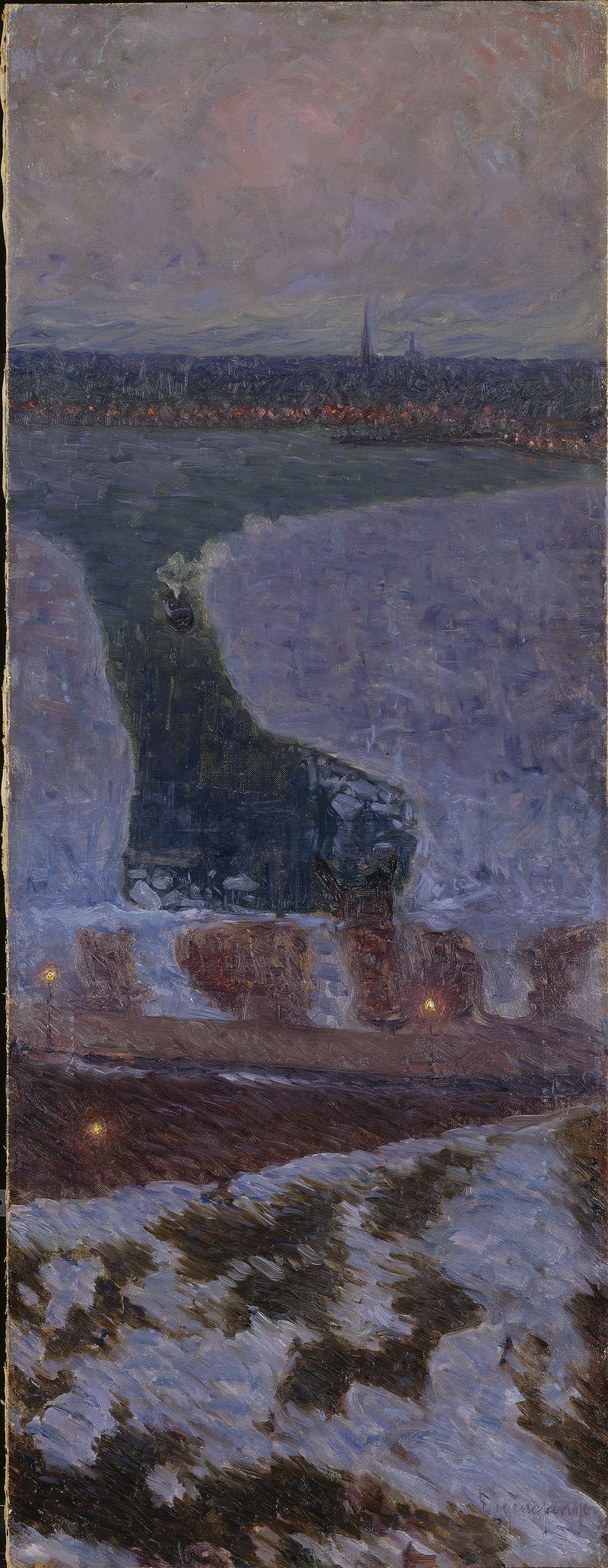
Riddarfjärden. A Stockholm
Eugène Jansson
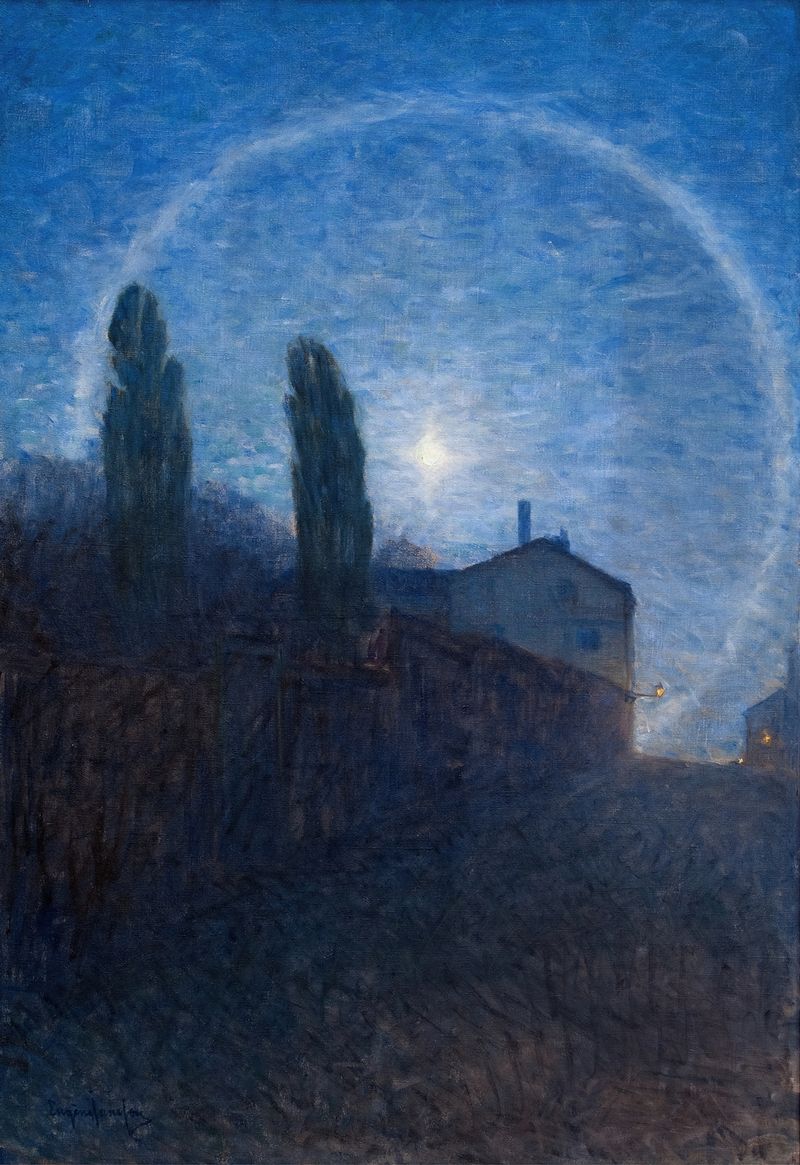
Lunar Halo
Eugène Jansson
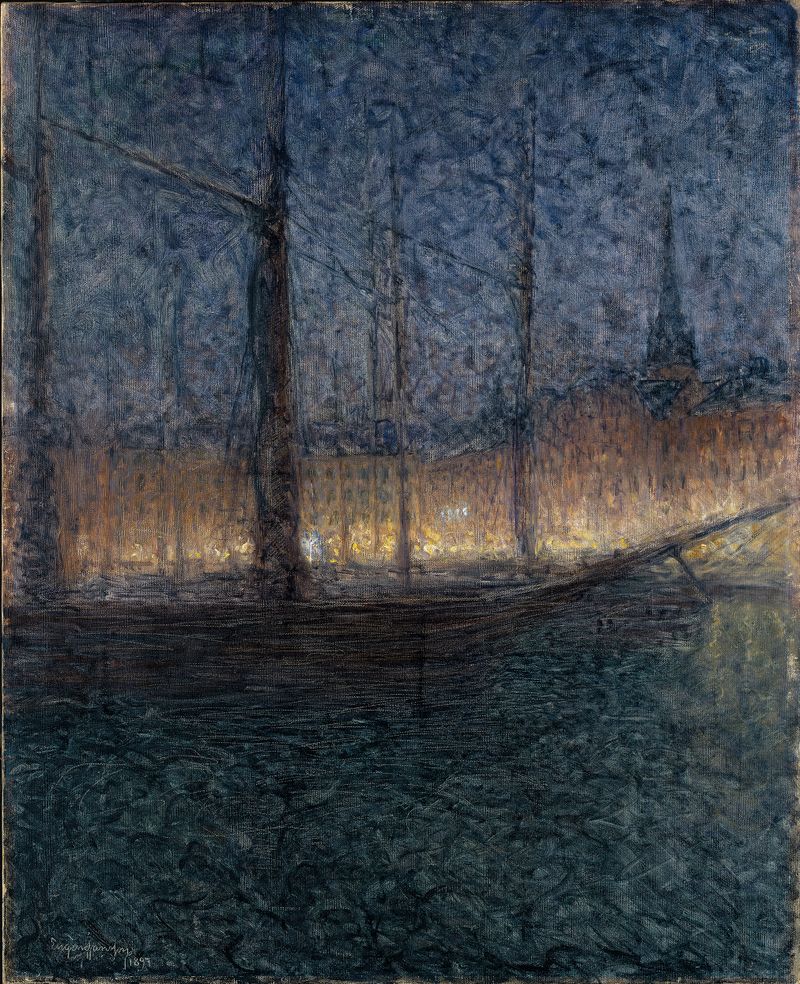
Evening in Kornhamnstorg, Stockholm
Eugène Jansson
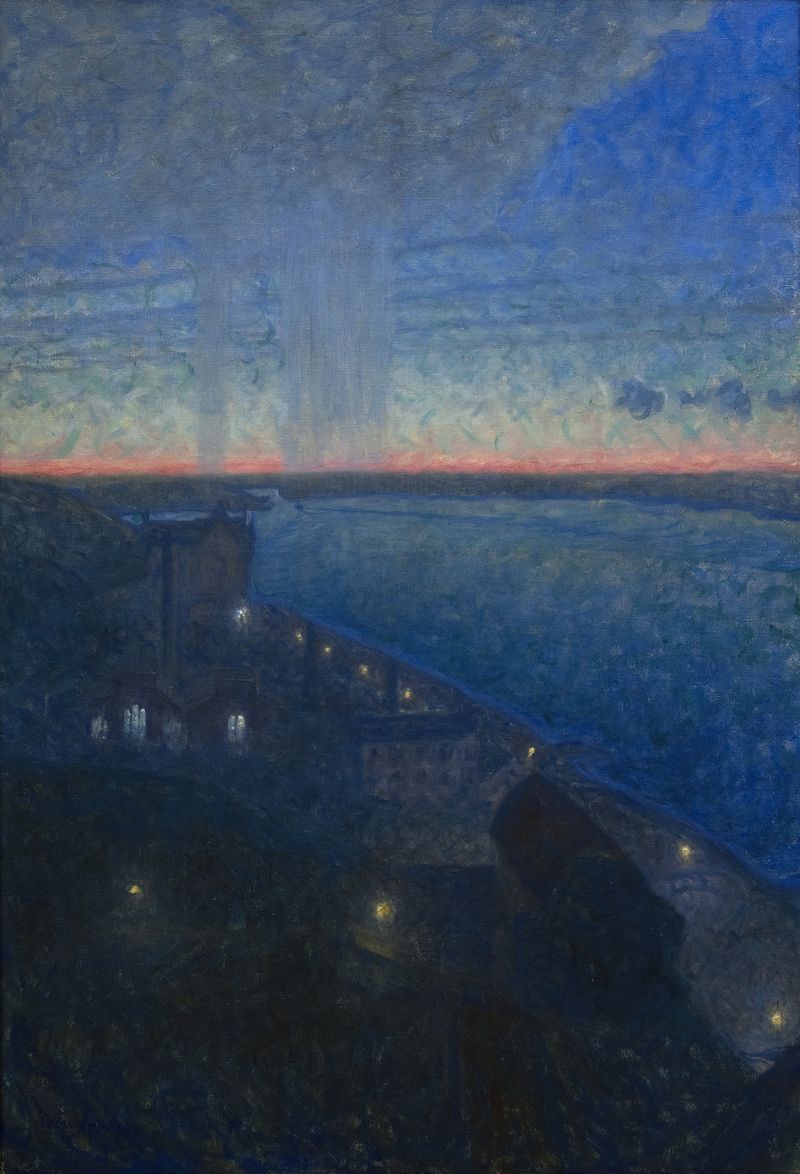
Söder Mälarstrand
Eugène Jansson
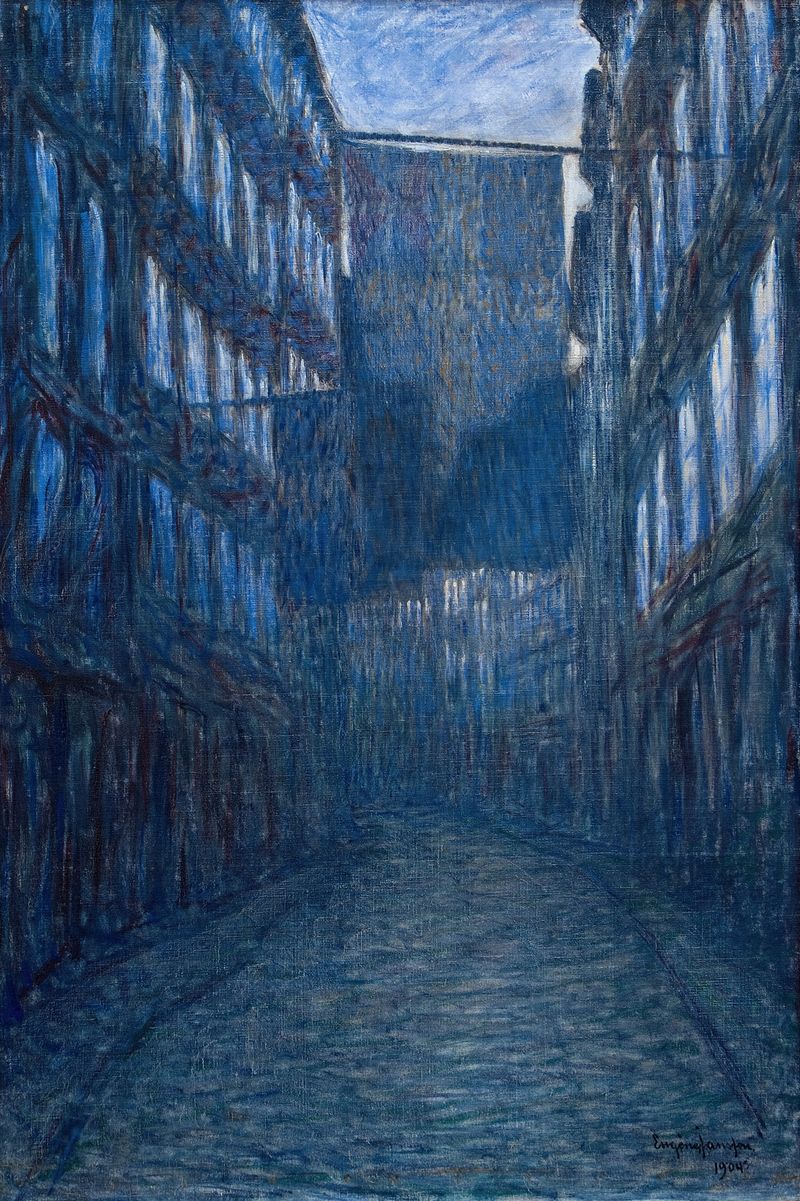
Österlånggatan
Eugène Jansson
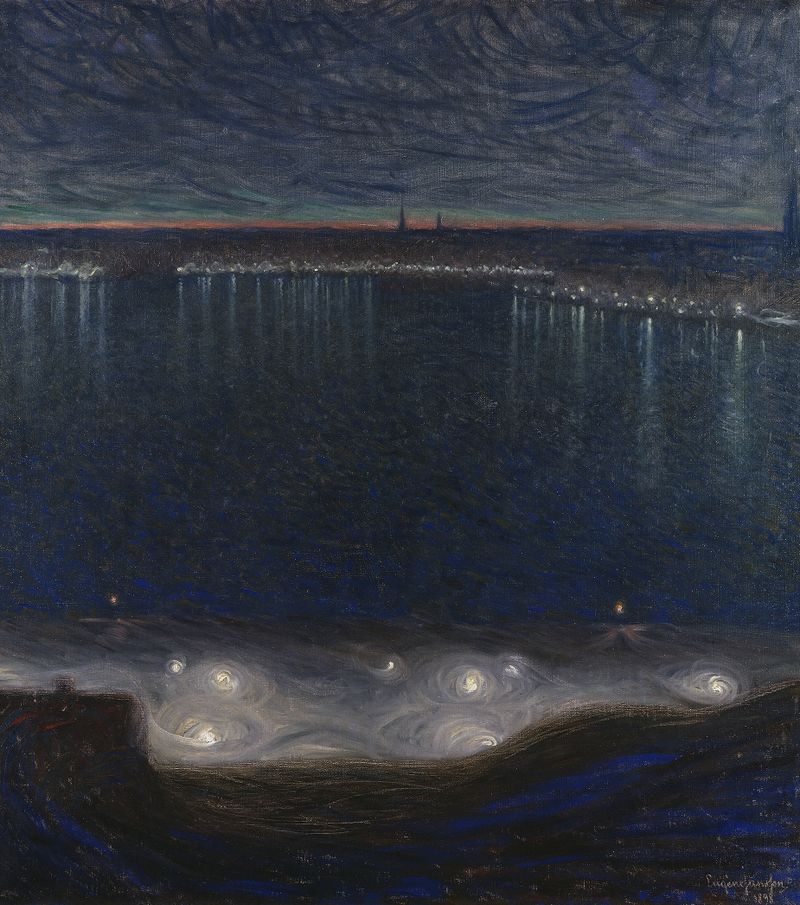
Riddarfjärden, Stockholm
Eugène Jansson
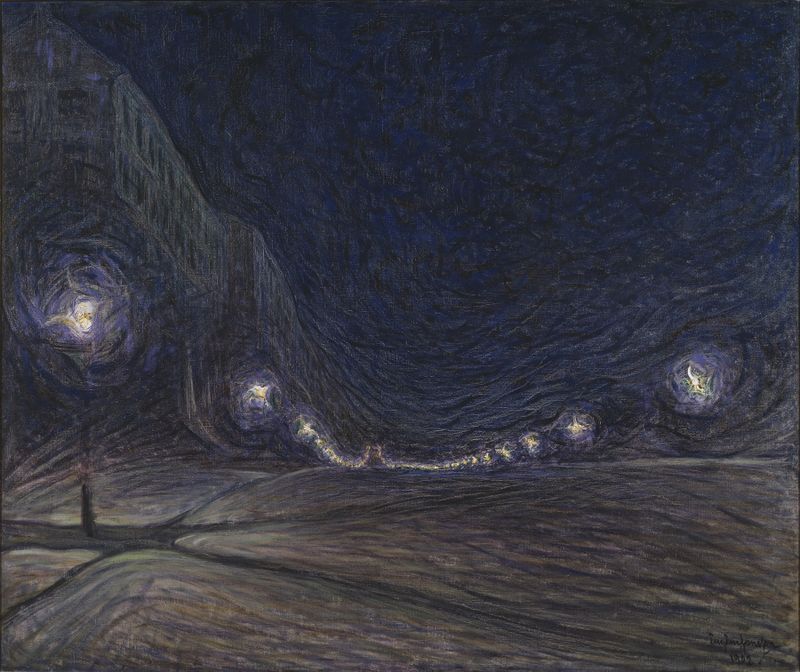
Hornsgatan by Night
Eugène Jansson
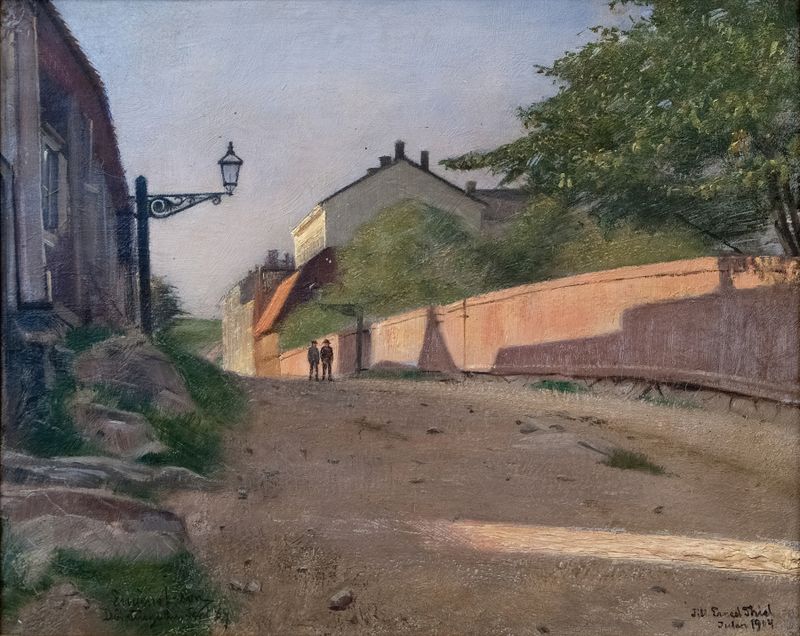
Döbelnsgatan
Eugène Jansson
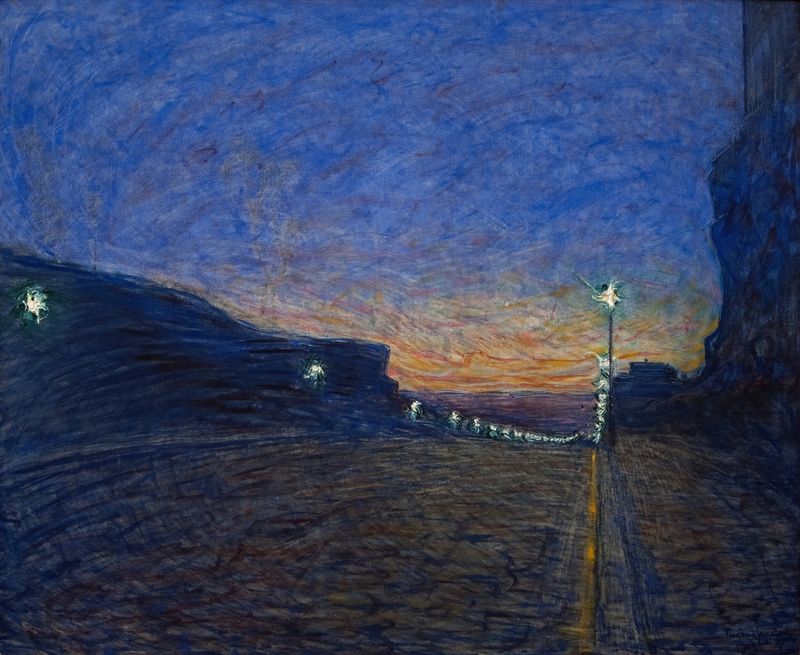
Hornsgatan
Eugène Jansson
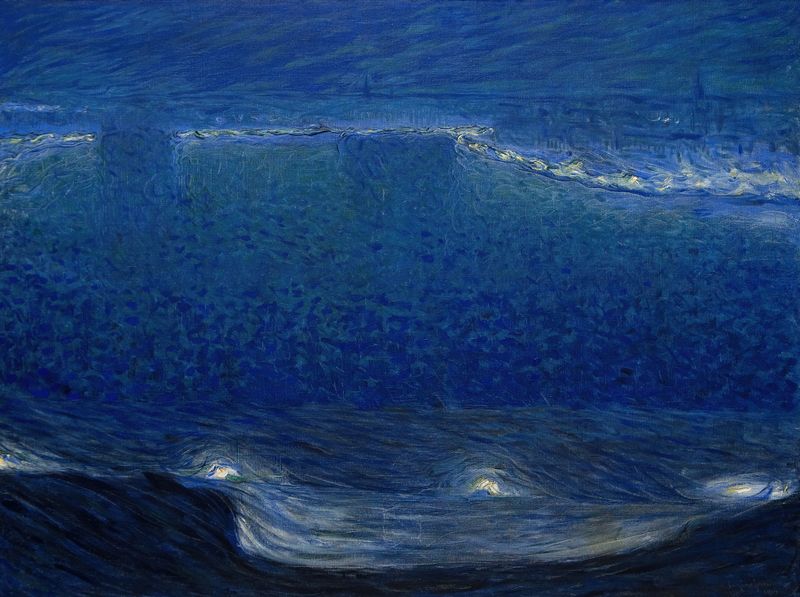
Nocturne
Eugène Jansson





