
Noli me tangere — History & Facts
Can beauty exist without sorrow? The delicate balance between joy and pain resonates deeply in the captivating world of Noli me tangere. Look to the center, where Christ stands in a moment of serene revelation. His figure emerges from the muted background, swathed in soft hues of blue and white, symbolizing purity and divinity. Notice how the light falls upon his face, illuminating the tenderness of a profound moment.
The contrasting darkness around him not only heightens his presence but also envelops Mary Magdalene, who is depicted slightly to the right, her outstretched hand trembling with a mix of longing and disbelief. The painter's masterful use of oil allows for a depth of texture, inviting viewers to linger on the nuances of their expressions. The emotional tension in this scene is palpable, as it captures the transformative moment between the sacred and the earthly. The delicate gesture of Christ's raised hand suggests both a boundary and an invitation, embodying the complex legacy of love and loss.
Mary’s hesitance to touch him encapsulates the bittersweet realization of a connection that transcends physical presence, while the surrounding flora hints at renewal and the cyclical nature of life and death. The composition speaks to a profound sense of yearning—both for understanding and for reconnection. Created in 1503, this work reflects the artistic climate of the Northern Renaissance, where human emotion and spirituality intertwined with a burgeoning interest in realism. The artist, working in Flanders, was influenced by the emotive qualities of contemporary Italian artists, yet he carved his own path by emphasizing intricate details and emotional depth.
This piece stands as a testament to the enduring conflicts of humanity and divinity, encapsulating a timeless moment that continues to resonate with viewers.
More Artworks by Meester van de Delbecq-Schreiber-Passie
Browse all →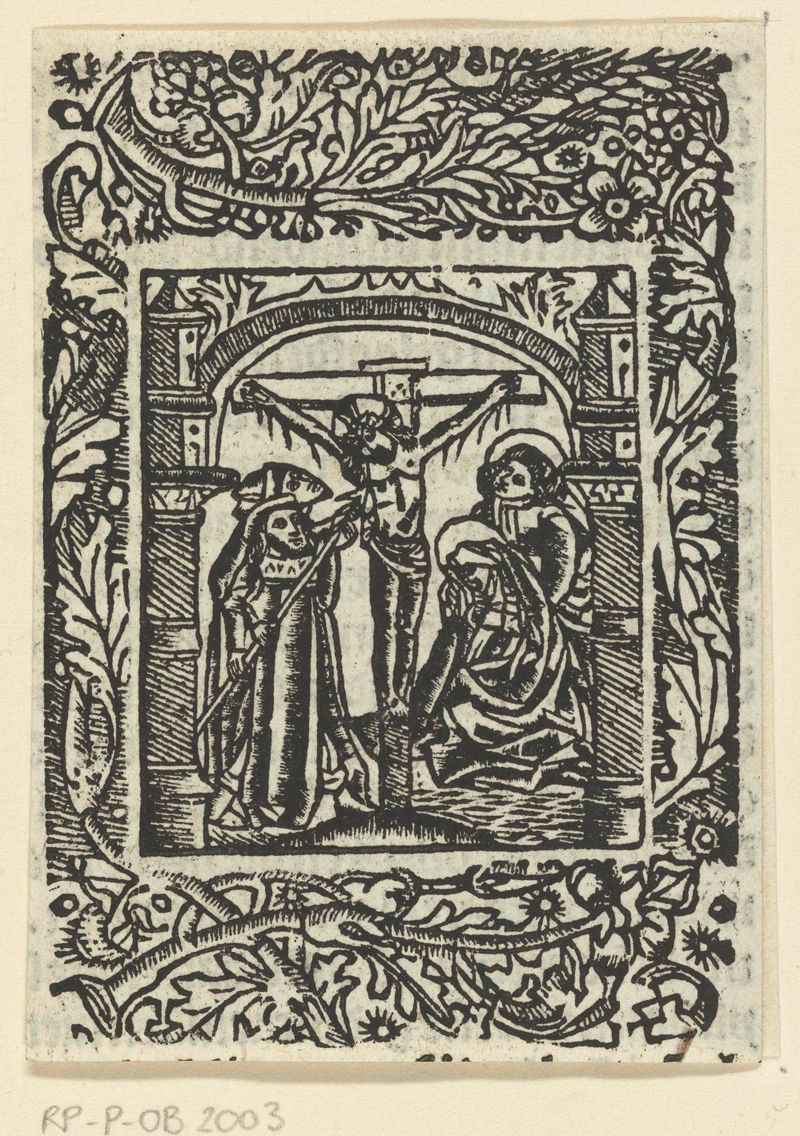
Christus aan het kruis
Meester van de Delbecq-Schreiber-Passie

Christus aan het kruis
Meester van de Delbecq-Schreiber-Passie

Christus wordt aan het kruis genageld
Meester van de Delbecq-Schreiber-Passie

De hemelvaart van Christus
Meester van de Delbecq-Schreiber-Passie

De maaltijd te Emmaüs
Meester van de Delbecq-Schreiber-Passie
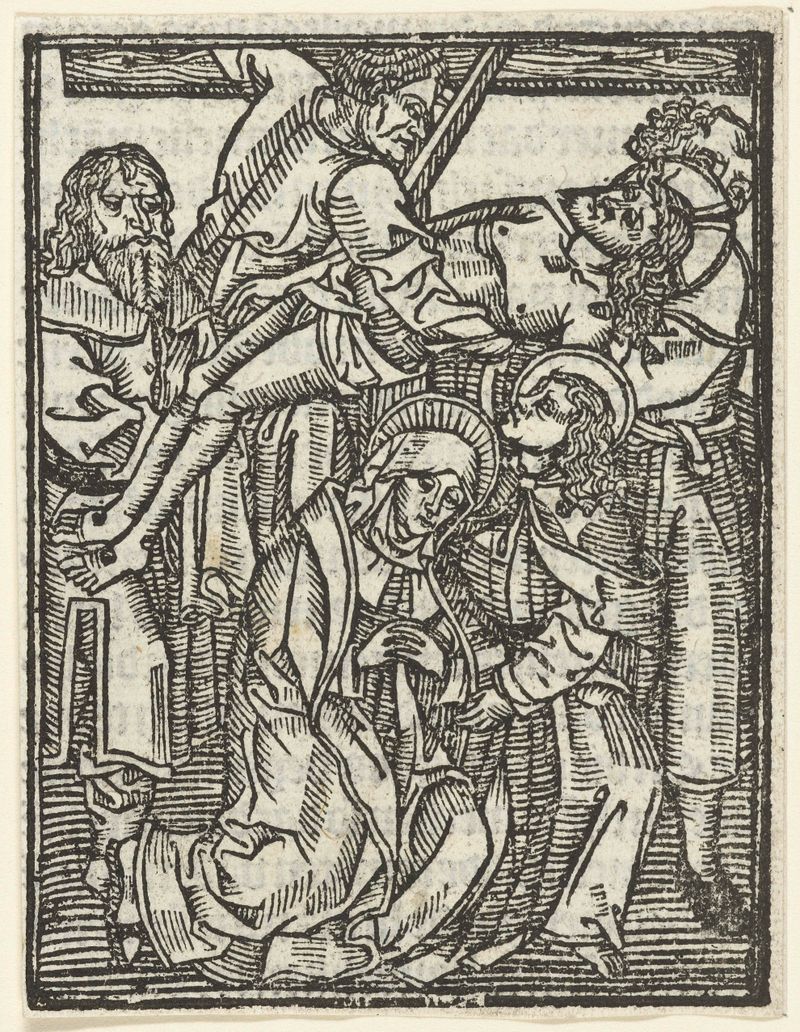
De kruisafname
Meester van de Delbecq-Schreiber-Passie
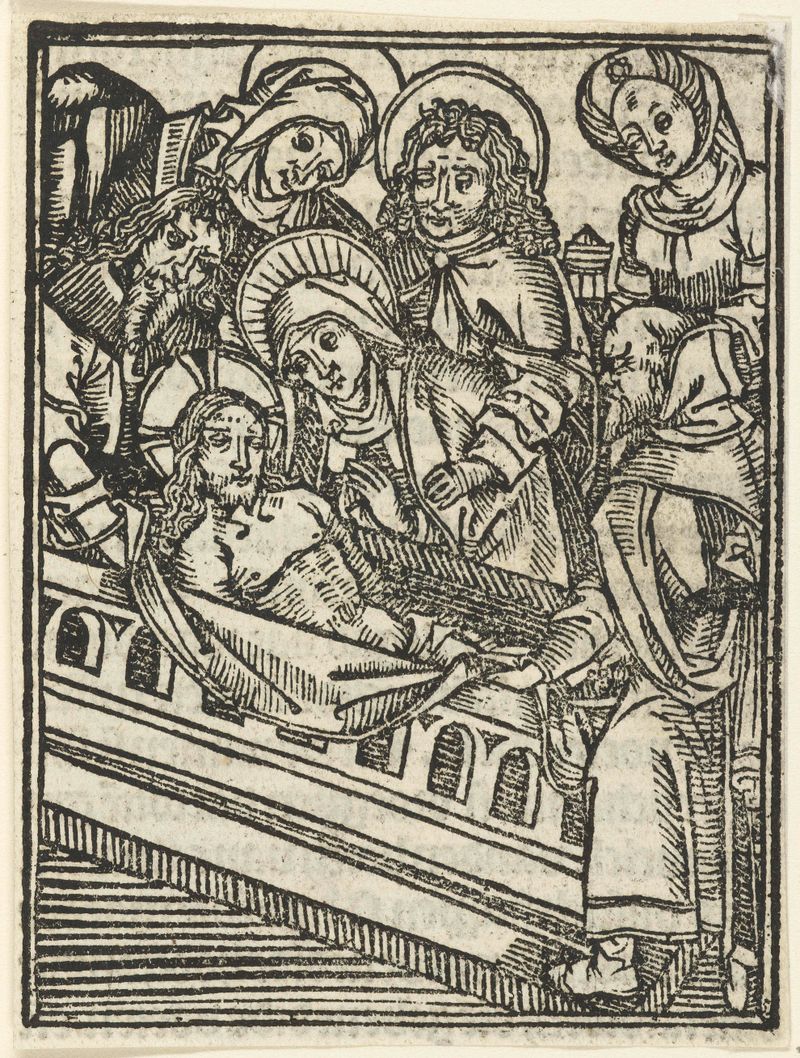
De graflegging
Meester van de Delbecq-Schreiber-Passie

Het Christuskind kastijdt zichzelf.
Meester van de Delbecq-Schreiber-Passie

Opstanding van Christus
Meester van de Delbecq-Schreiber-Passie
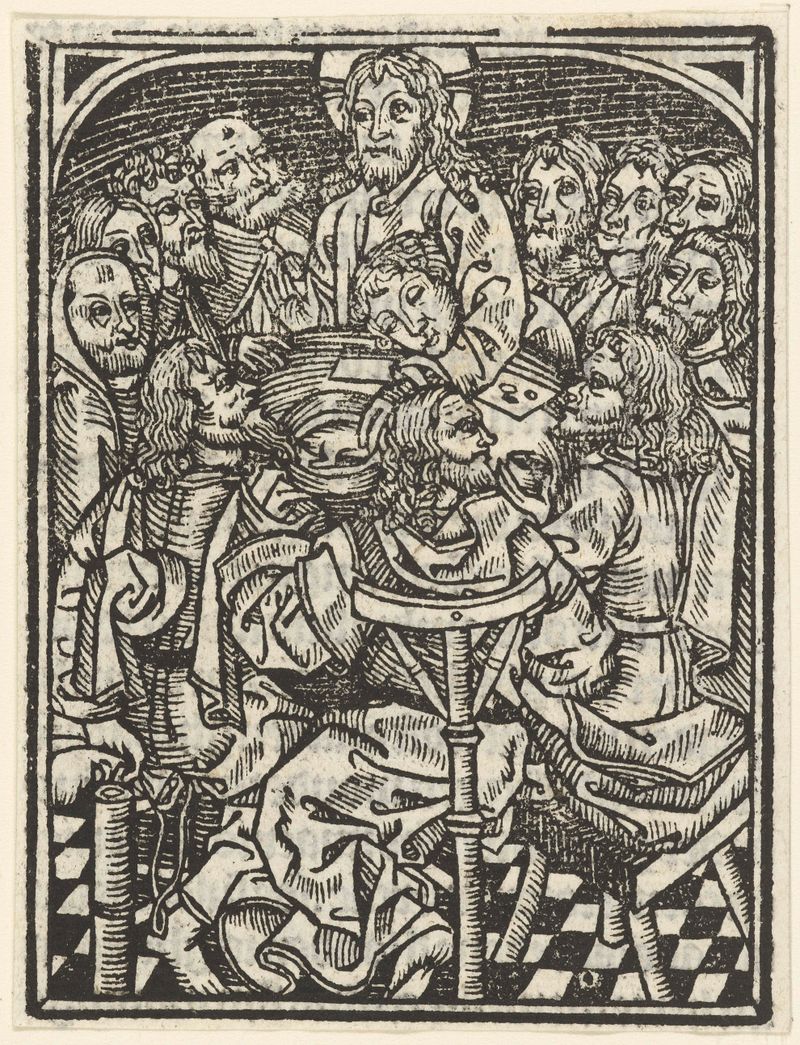
Het laatste avondmaal
Meester van de Delbecq-Schreiber-Passie
More Religious Art
Browse all →
The Return of the Prodigal Son
Rembrandt van Rijn

The Garden of Earthly Delights
El Bosco

Count Orgaz’ funeral
El Greco

The Hundred Guilder Print: the central piece with Christ preaching, the plate arched
Rembrandt van Rijn

The Descent from the Cross
Rogier van der Weyden

The return of the prodigal son
Rembrandt van Rijn