
Non en de Dood — History & Facts
When did color learn to lie? In Non en de Dood, transformation seeps through every brushstroke, revealing the unsettling dance between life and death. Look to the left at the figure draped in vibrant hues, a vivid contrast to the shadowy presence looming in the background. The artist's meticulous attention to detail brings the textures of fabric to life, each fold whispering tales of opulence while the cadaverous figure suggests a chilling inevitability. Notice how the sharp contours of the skull juxtapose the rich colors of the foreground, a visual dichotomy that highlights the tension between earthly pleasures and the grim reality awaiting us all. Hidden within the composition lies a deeper commentary on the fleeting nature of existence.
The lively colors draw the viewer in, inviting a false sense of comfort, while the skeletal form lurking behind serves as a stark reminder of mortality. This interplay creates emotional tension — a celebration of life ensconced within the shadow of death, prompting reflection on the choices that define our existence. The juxtaposition of vibrancy against decay serves as a critique of the era's obsession with wealth and success versus the inescapable fate awaiting everyone. Hans Holbein (II) painted Non en de Dood in 1538 during a period marked by the societal shifts of the Reformation.
Living in Basel and embracing the challenges of a changing world, his works reflected the tension between humanism and religious thought, weaving together themes of life's fragility and the moral struggles of his time. The painting stands as a testament to his skill in blending intricate detail with profound philosophical inquiries, characteristic of his Renaissance genius.
More Artworks by Hans Holbein (II)
Browse all →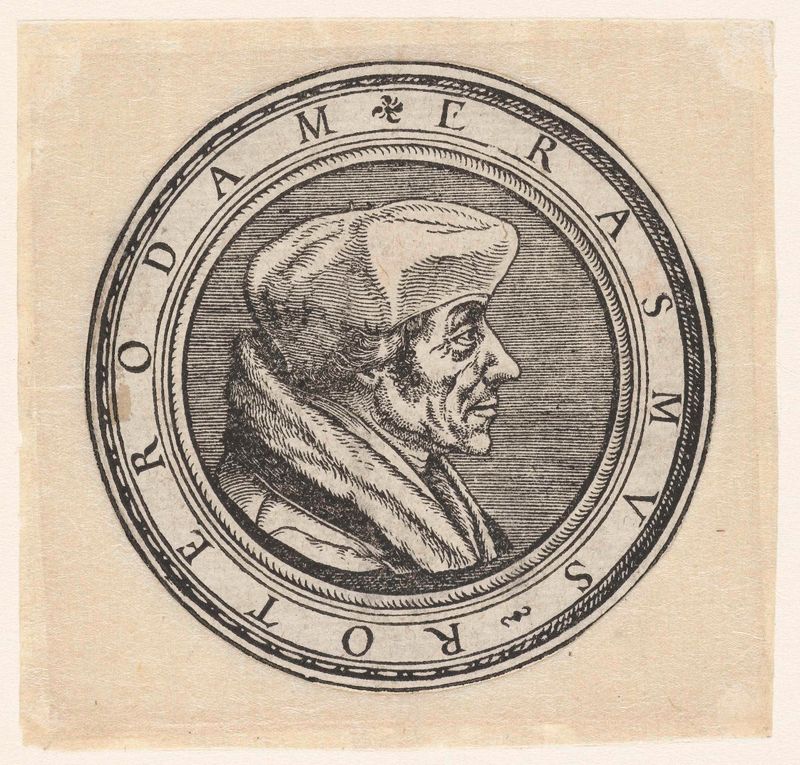
Portret van Erasmus
Hans Holbein (II)
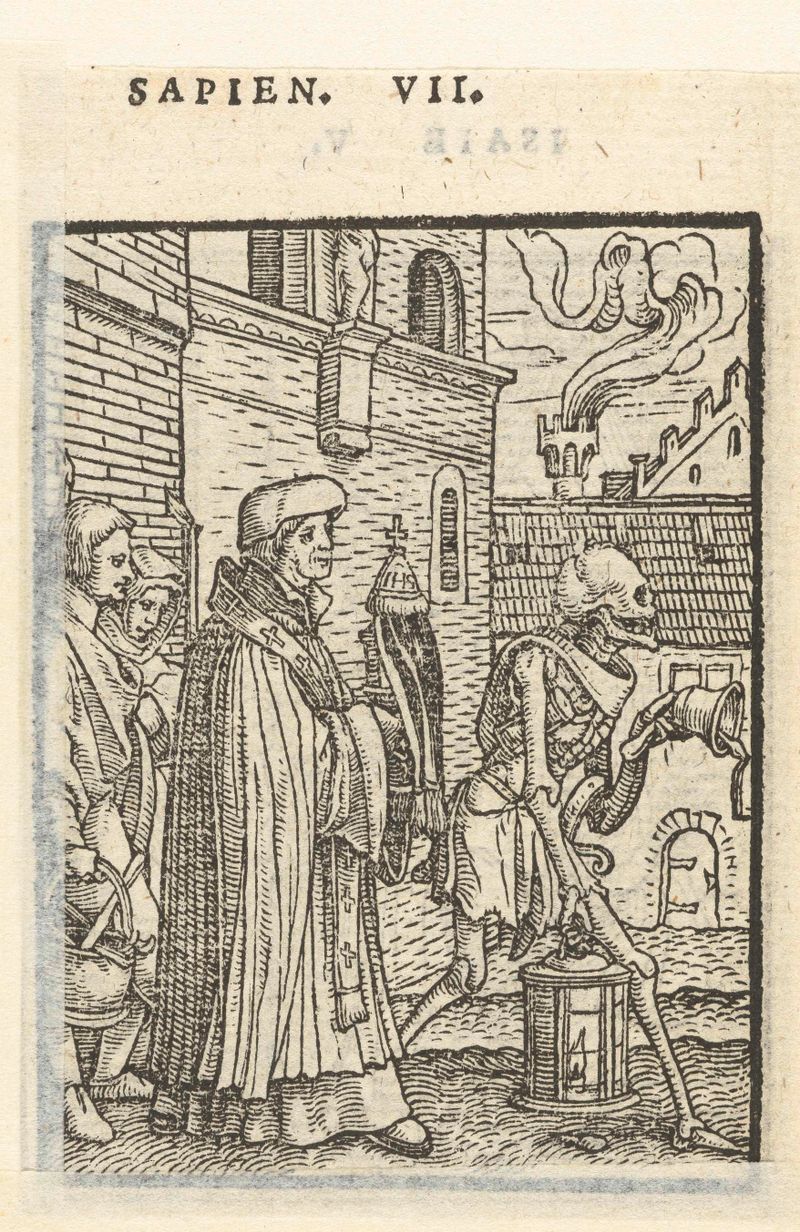
Priester en de Dood
Hans Holbein (II)
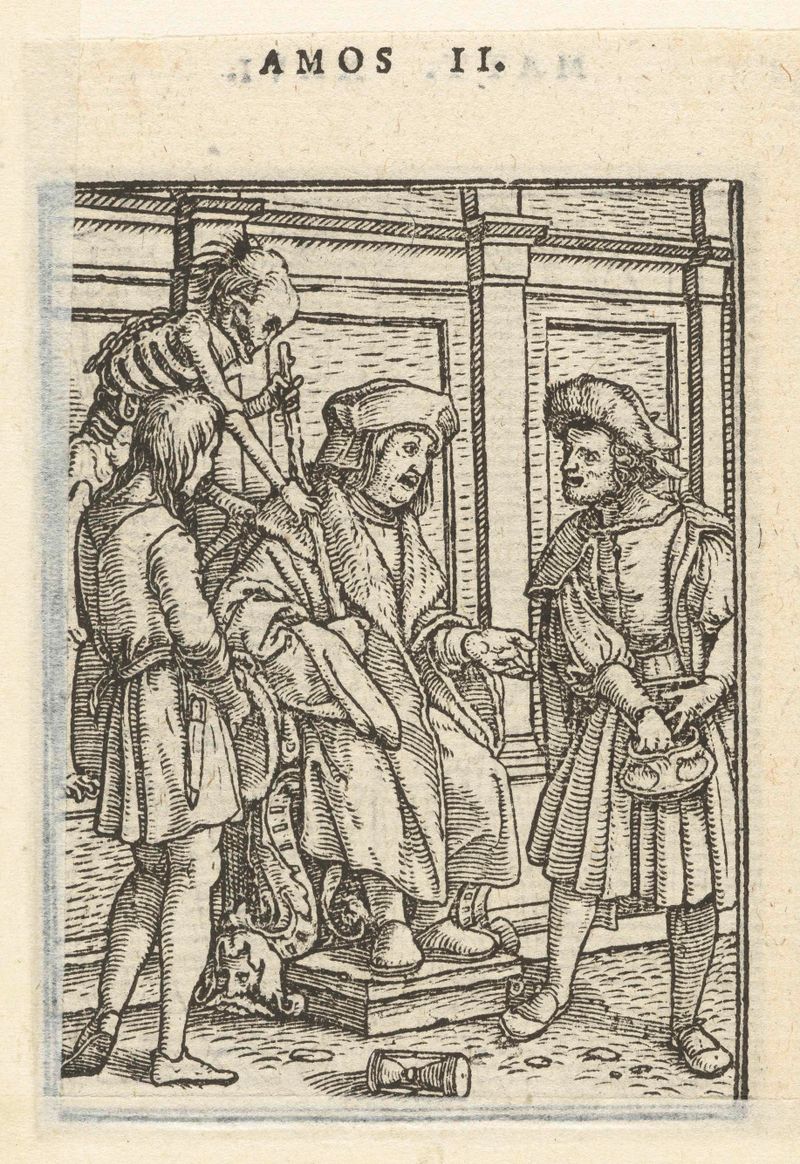
Rechter en de Dood
Hans Holbein (II)
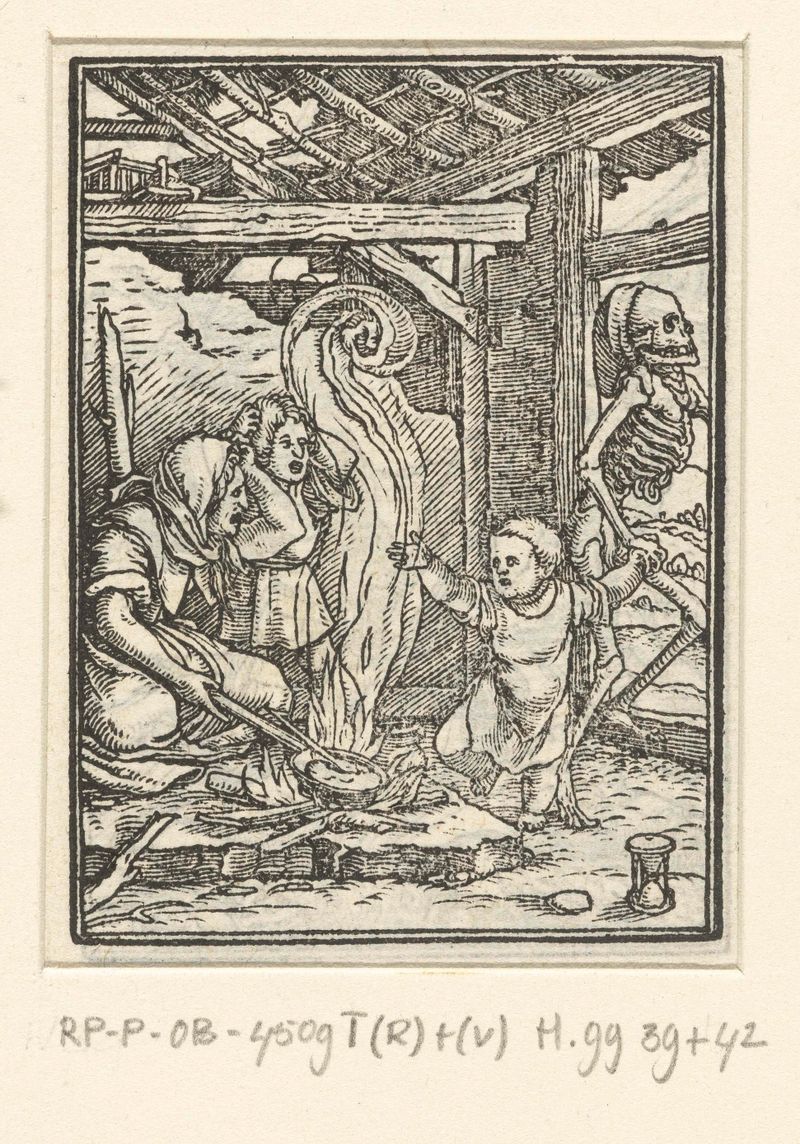
Kind en de Dood
Hans Holbein (II)
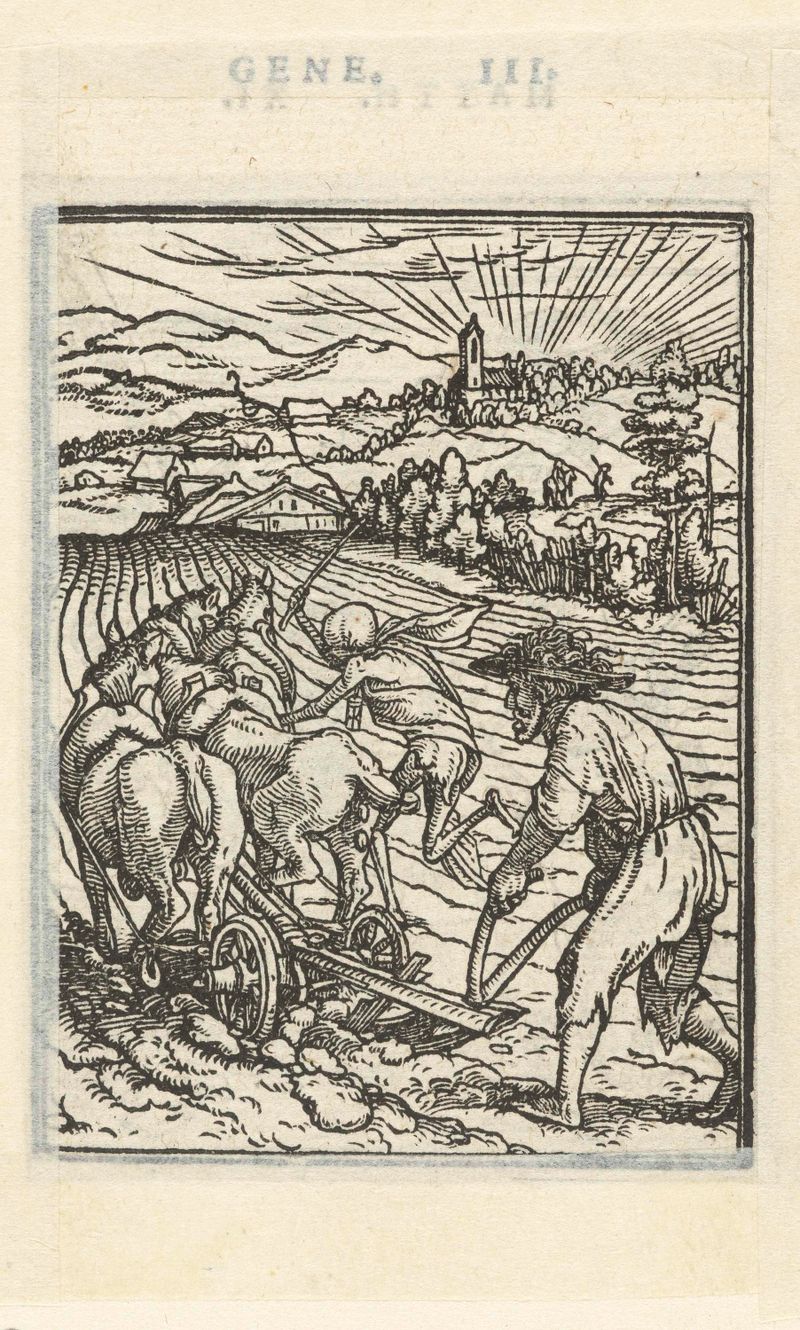
Boer en de Dood
Hans Holbein (II)
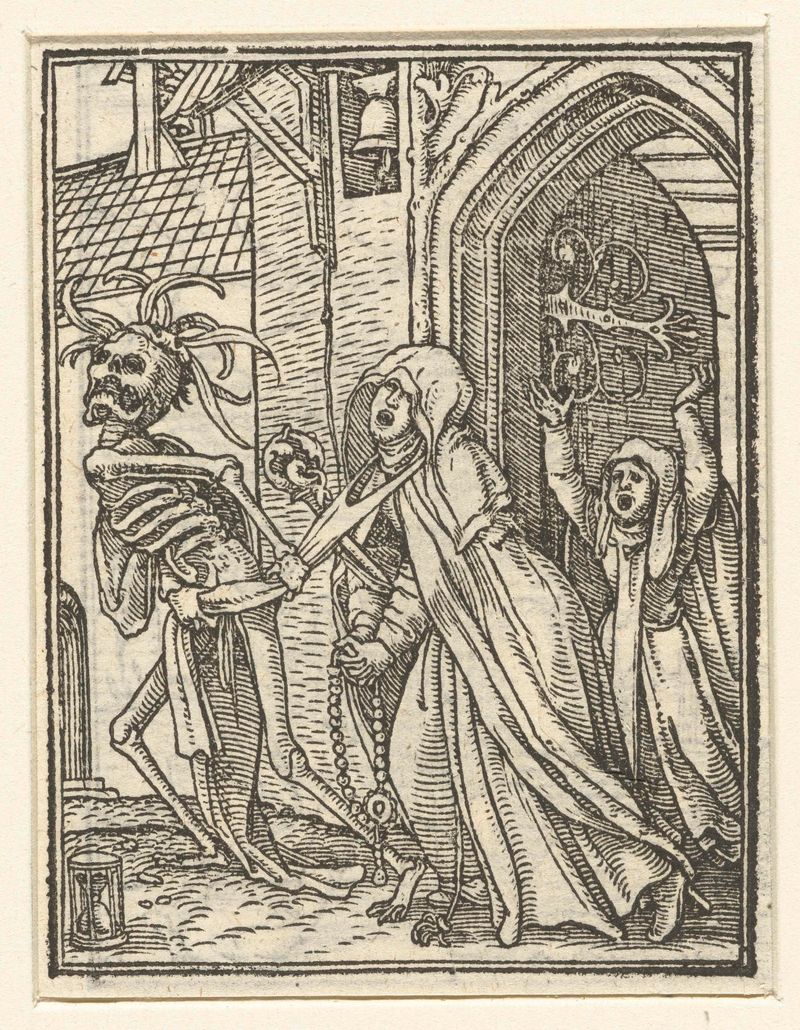
Abdis en de Dood
Hans Holbein (II)
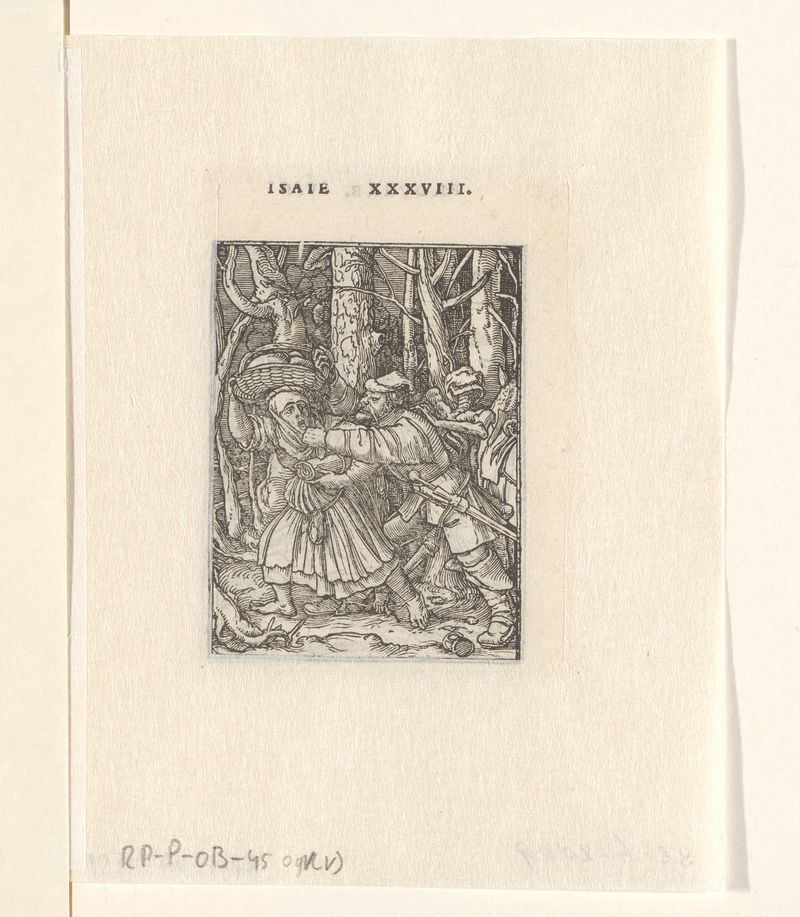
Dief en de Dood
Hans Holbein (II)
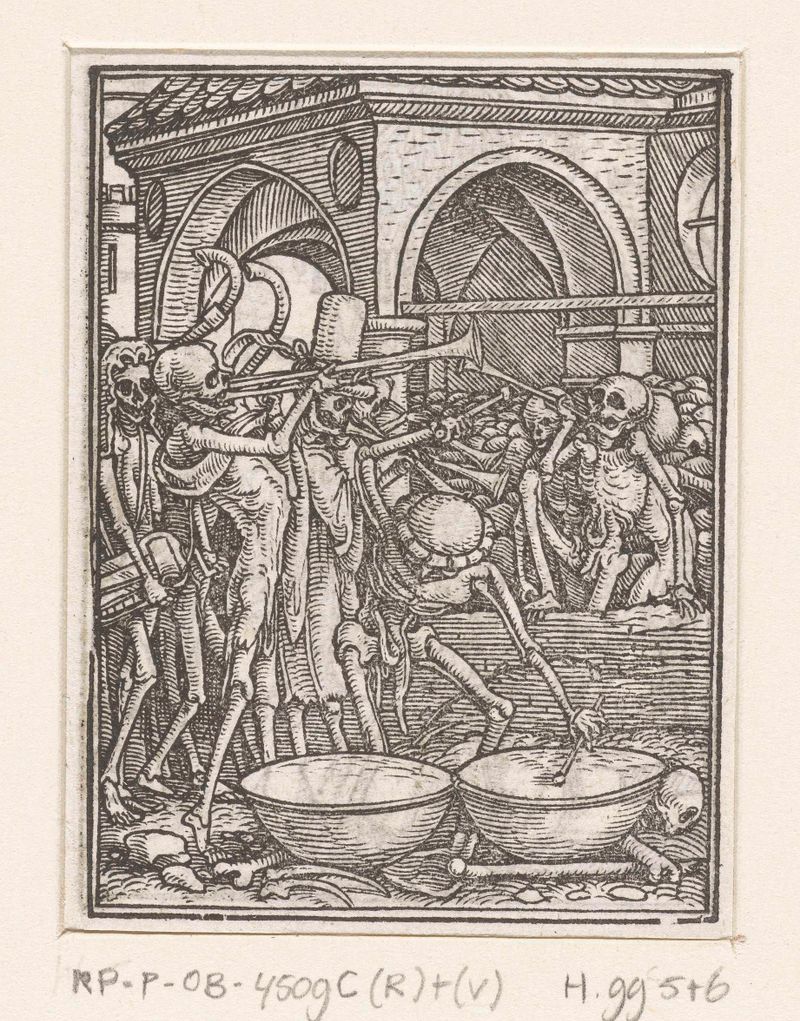
Skeletons Making Music from Dance of the Dead
Hans Holbein (II)
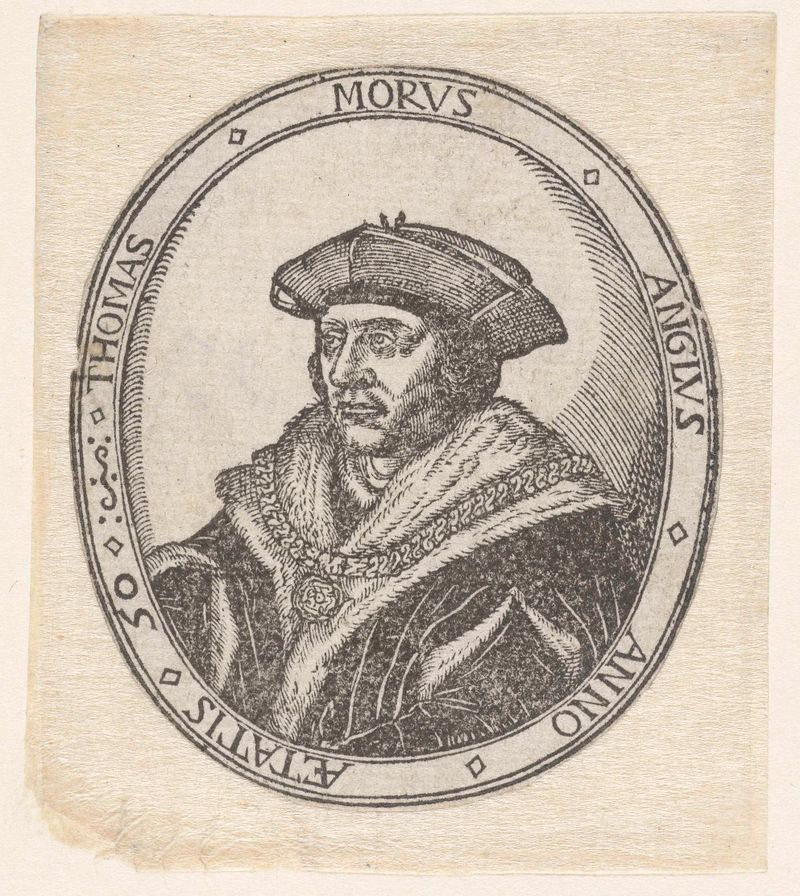
Portret van Thomas More
Hans Holbein (II)
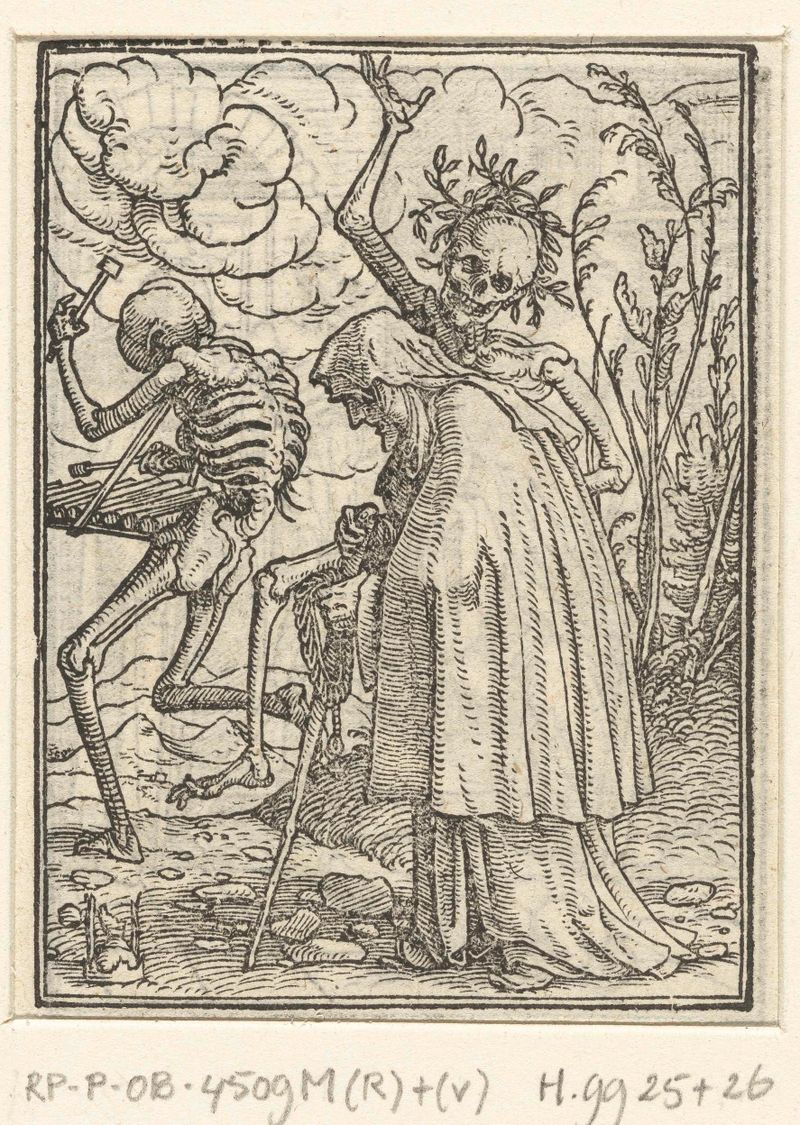
Oude vrouw en de Dood
Hans Holbein (II)





