Noordermarkt met de Noorderkerk — History & Analysis
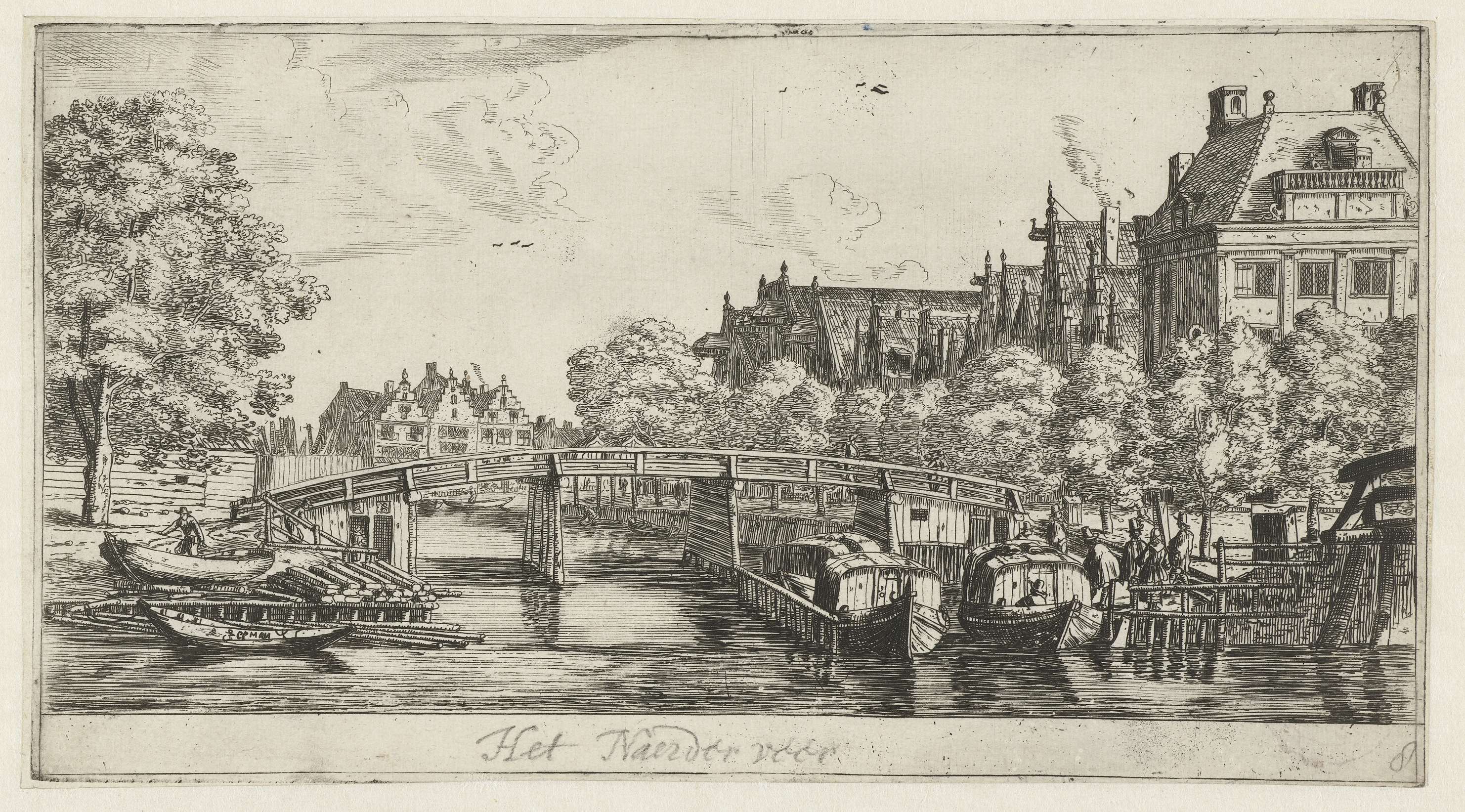
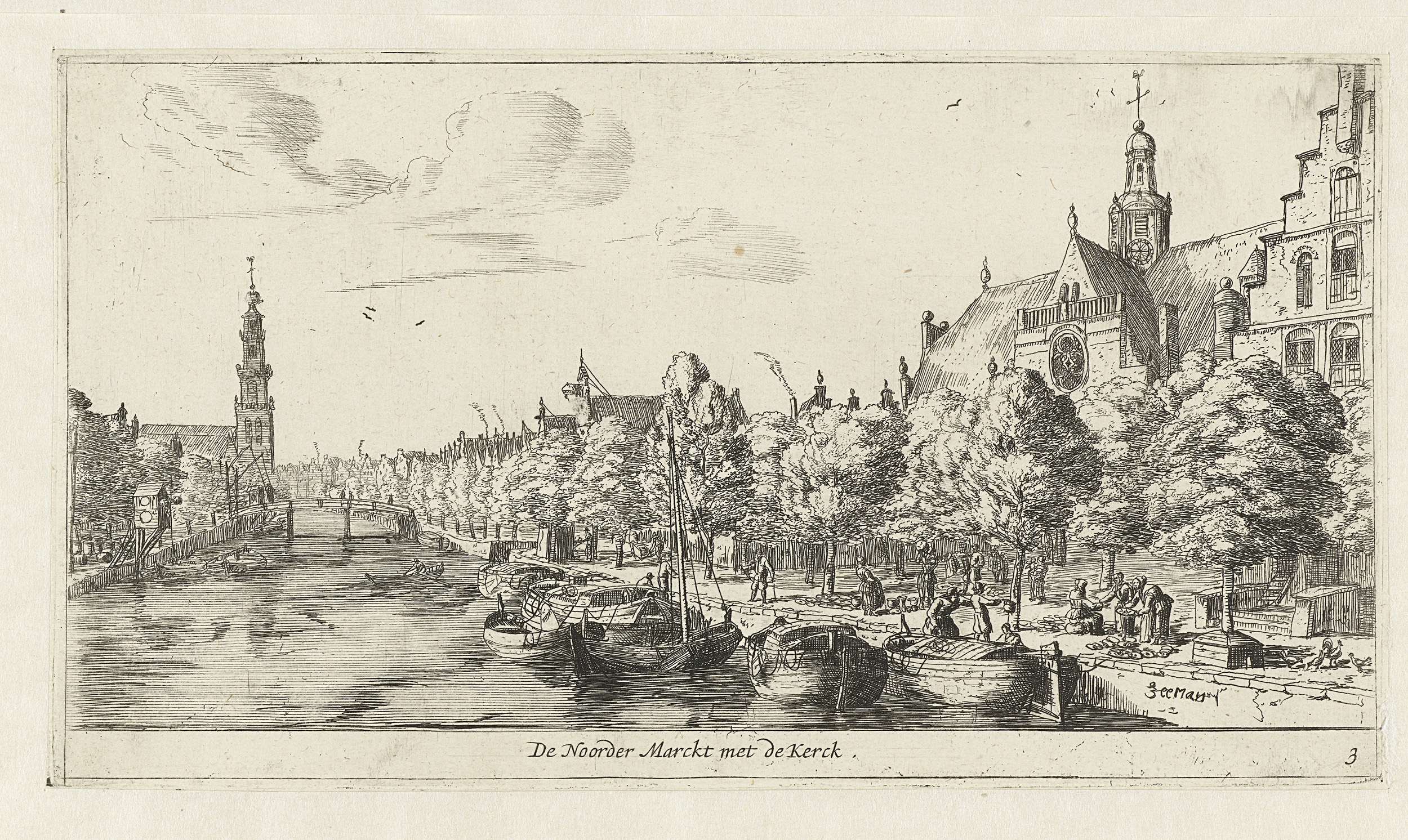
What if beauty was never meant to be finished? In the bustling heart of Amsterdam, a marketplace unfolds, teeming with life and opportunity, yet forever caught in the tension of transformation. Look to the left at the tall spire of the Noorderkerk, its intricate details catching the soft morning light. The rooftops are awash in warm hues, while the figures below mingle, framed by the architectural grace of the church. Notice how the vibrant colors of the vendors' stalls offer a stark contrast to the cool, shadowy corners of the market, guiding the eye through the lively chaos.
This interplay of light and shadow not only emphasizes the vibrancy of daily life but also hints at deeper narratives unfolding beneath the surface. Delve deeper into the scene, and you will uncover layers of meaning. The church, a symbol of faith and stability, stands resilient amidst the bustling market, representing a society in transition. The diverse figures—merchants, townspeople, and onlookers—embody a world grappling with the tension between tradition and the burgeoning spirit of revolution.
Each gesture tells a story of connection, ambition, and the quiet chaos of commerce, reflecting a society on the brink of change. In the backdrop of the late 17th century, Reinier Nooms painted this scene while witnessing the rise of the Dutch Golden Age. He captured the essence of a city flourishing with trade, ideas, and artistic expression. As Amsterdam evolved, so did the artist’s work, marking a pivotal moment in his career, where the vibrant marketplace became a canvas for both everyday life and the broader currents of social transformation.