North Front of the Bank — History & Analysis
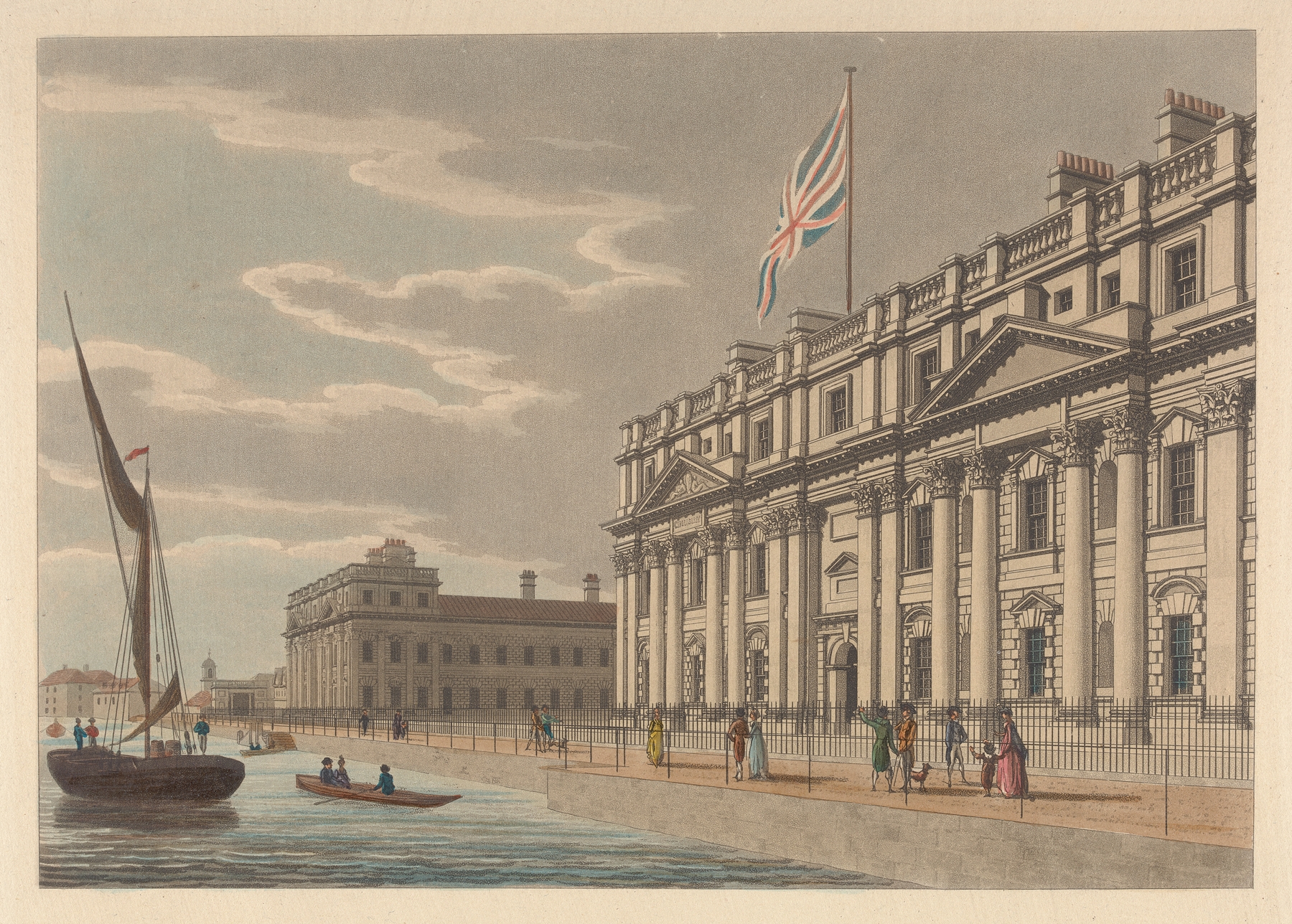
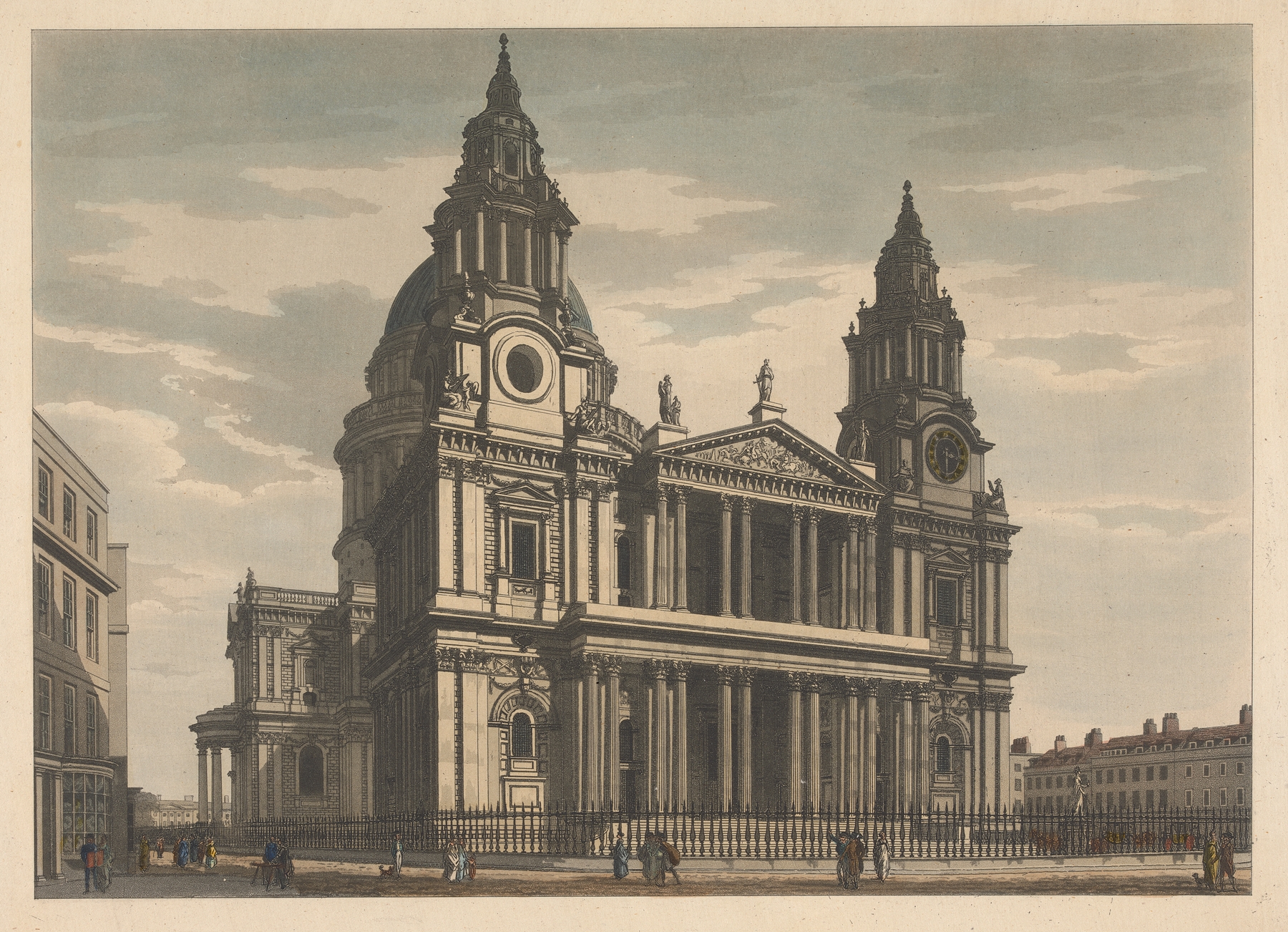
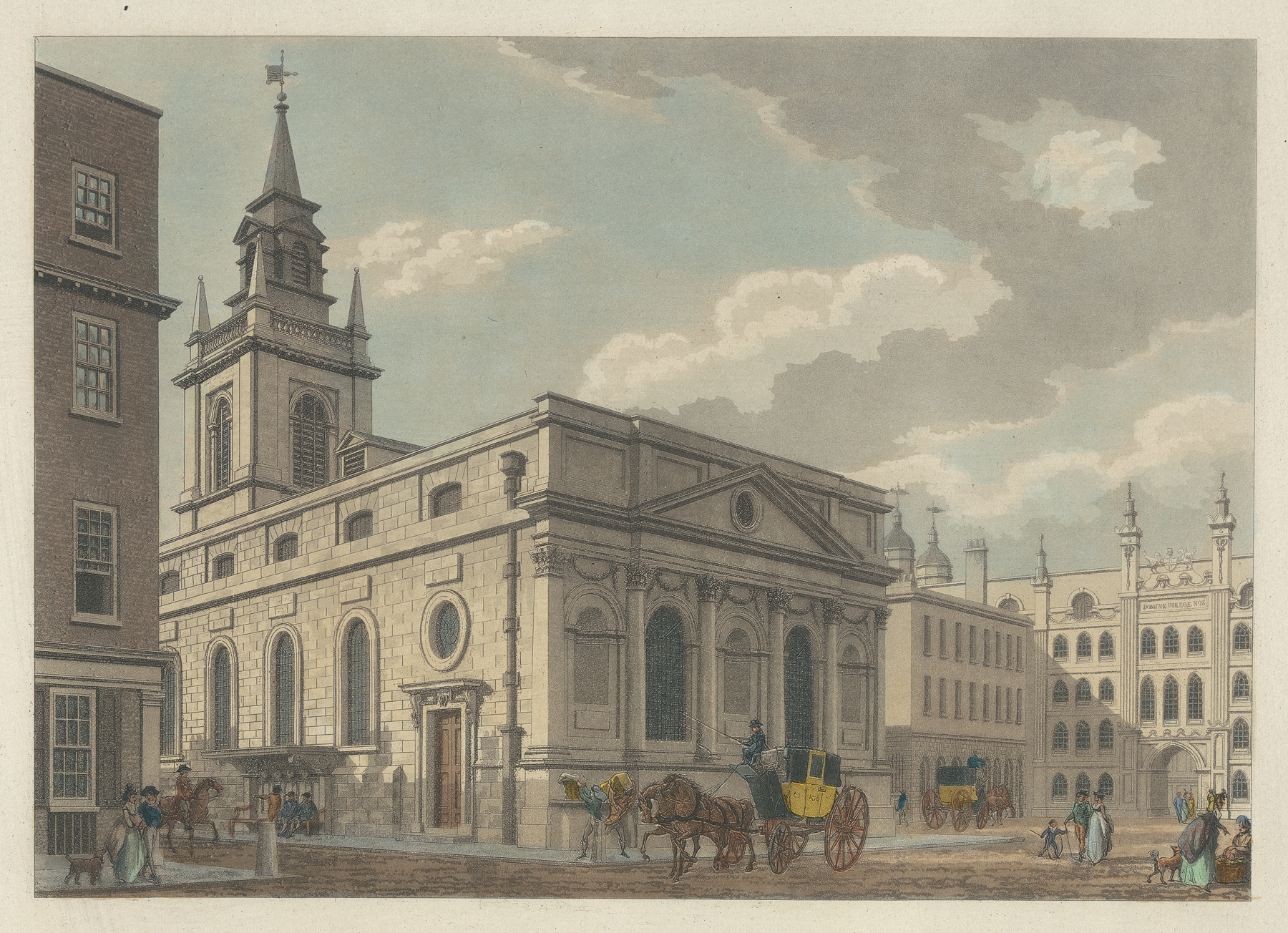
Is this a mirror — or a memory? The architectural elegance captured here evokes a deep longing for an era where grandeur whispered stories through its columns and facades. The interplay of light and shadow invites viewers to step into a dance between history and aspiration, prompting reflections on what we desire from our own lives. Focus on the intricate details of the upper facade, where light falls softly upon the finely rendered stonework.
Notice how the artist carefully highlights the contrasts between the bright, sunlit areas and the shadowed recesses, creating a dynamic sense of depth. The cool palette, accented by delicate touches of warmth, enhances the monumentality of the bank, exuding both stability and elegance, urging the observer to consider the function of such structures in both commerce and society. The emotional tension in this work lies in its duality; it stands as both a representation of civic pride and a reminder of the transient nature of wealth and success. Each arch and window tells a story of ambition, yet the empty street invites contemplation over what has been lost in the chase for progress.
The way the shadows loom suggests an underlying yearning for permanence in a world constantly in flux. In 1797, while creating this piece, the artist was immersed in the burgeoning neoclassical movement in England, which sought to revive the ideals of ancient Rome and Greece. Malton, known for his architectural portrayals, painted this amidst a changing landscape of urban development, capturing the aspirations of a society eager to define itself through monumental architecture. This period was marked by a growing desire for stability and identity in an era of uncertainty, and his work reflects the intricate relationship between society and its built environment.