
Northeaster — History & Facts
In a world fraught with uncertainty, faith stands as a fragile beacon against the storm. First, look at the turbulent sky, heavy with dark clouds swirling above the roiling sea. Notice how the interplay of blues and grays captures the mutability of nature, reflecting not only the physical storm but also the emotional tempest experienced by those at the mercy of its winds. The foreground is populated with a solitary figure, perhaps a fisherman, bracing against the gusts; your gaze is drawn to his unwavering stance amidst the chaos.
The brushwork conveys a sense of urgency, while the splashes of white foam contrast sharply against the deep tones of the water, embodying resilience. The emotional tension in Northeaster arises from the juxtaposition of human vulnerability against the vastness of nature. The fisherman’s isolation speaks to the universal struggle for survival, further emphasized by the menacing waves that threaten to engulf him. This clash between faith and fear, hope and despair, is palpable; it invites contemplation of our own battles in the face of adversity.
The painting, though rooted in a specific moment, transcends its time, echoing the timelessness of human experience. In 1895, when this work was created, Winslow Homer was living in Prouts Neck, Maine, a period marked by intense introspection and a focus on the power of nature. The artist was deeply engaged with the themes of solitude and resilience, reflecting the shifting tides of American art. This era saw the rise of realism and the exploration of more profound subjects, and Homer’s work resonated with a public grappling with rapid societal changes, bringing forth a vivid portrayal of life’s relentless challenges.
More Artworks by Winslow Homer
Browse all →
The Gulf Stream
Winslow Homer
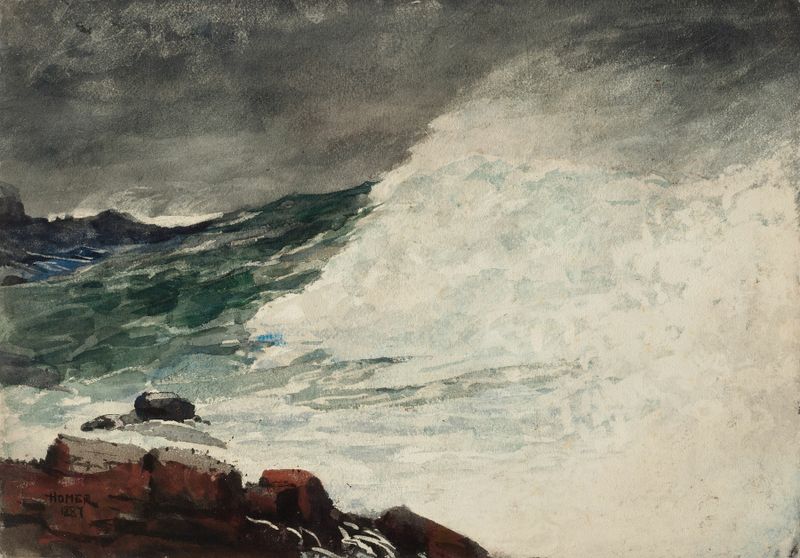
Prout’s Neck, Breaking Wave
Winslow Homer
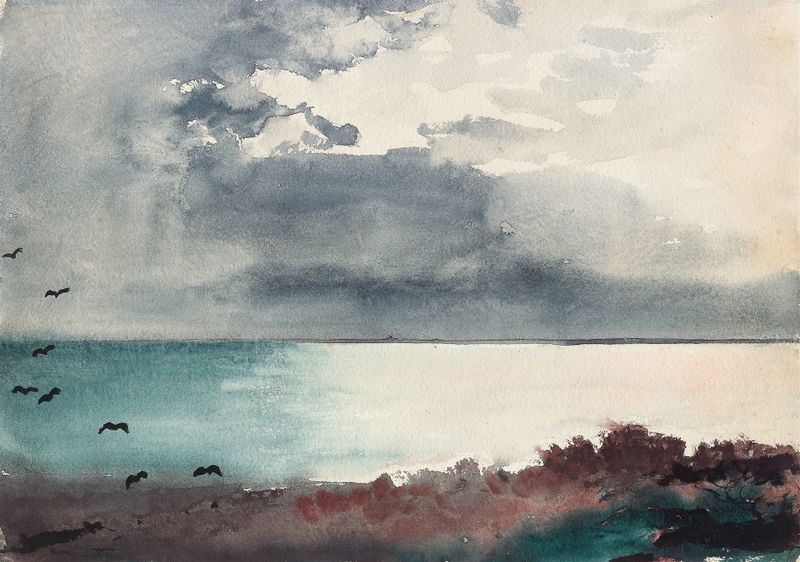
Breaking Storm, Coast of Maine
Winslow Homer
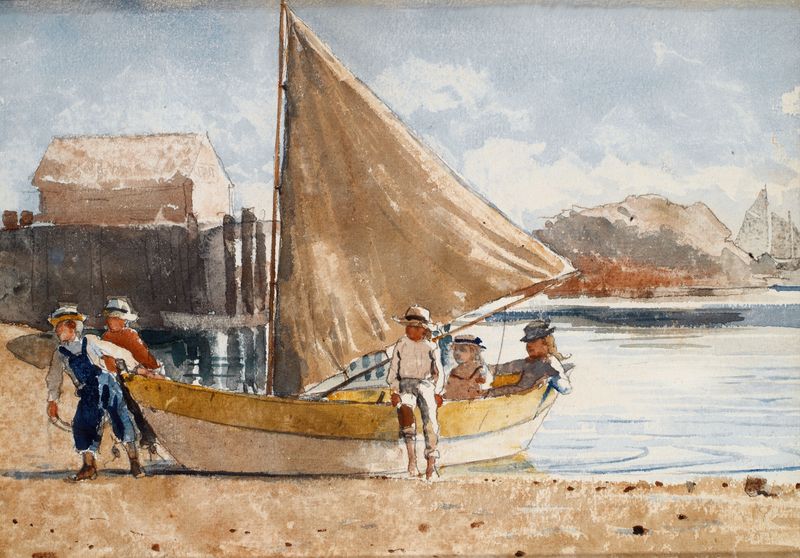
Summertime
Winslow Homer
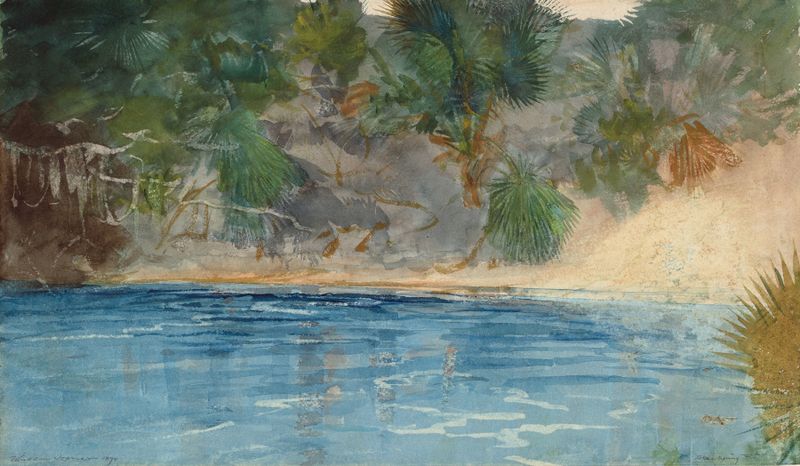
Blue Spring, Florida
Winslow Homer
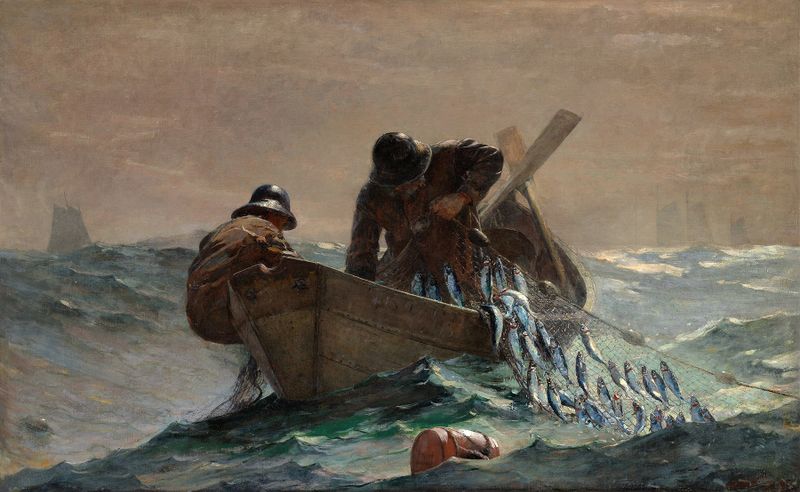
The Herring Net
Winslow Homer
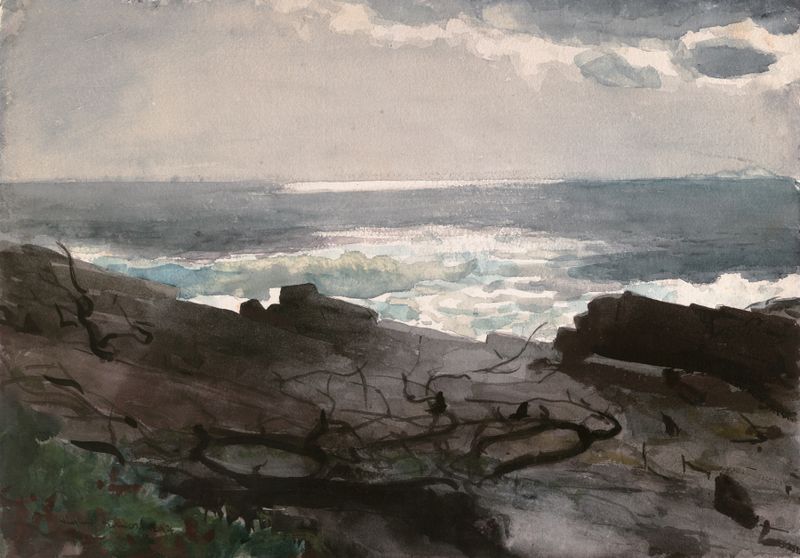
Sunshine and Shadow, Prout’s Neck
Winslow Homer
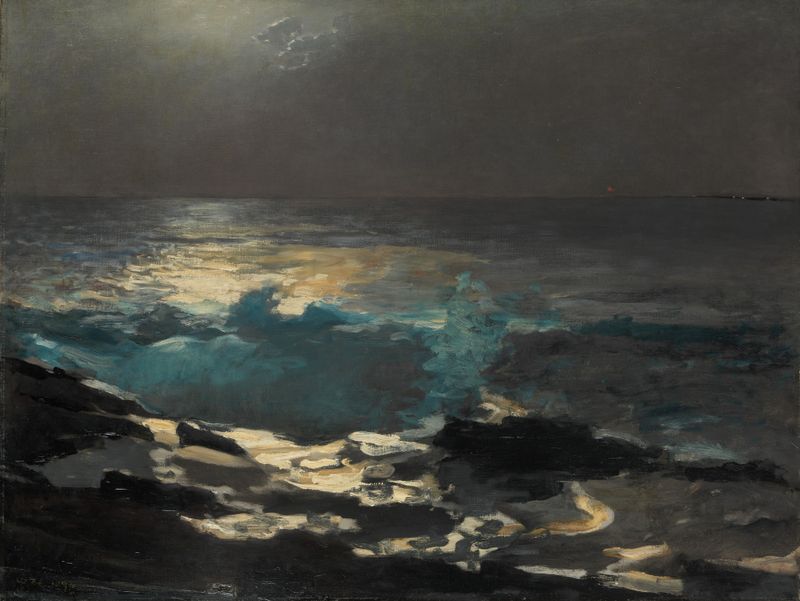
Moonlight, Wood Island Light
Winslow Homer
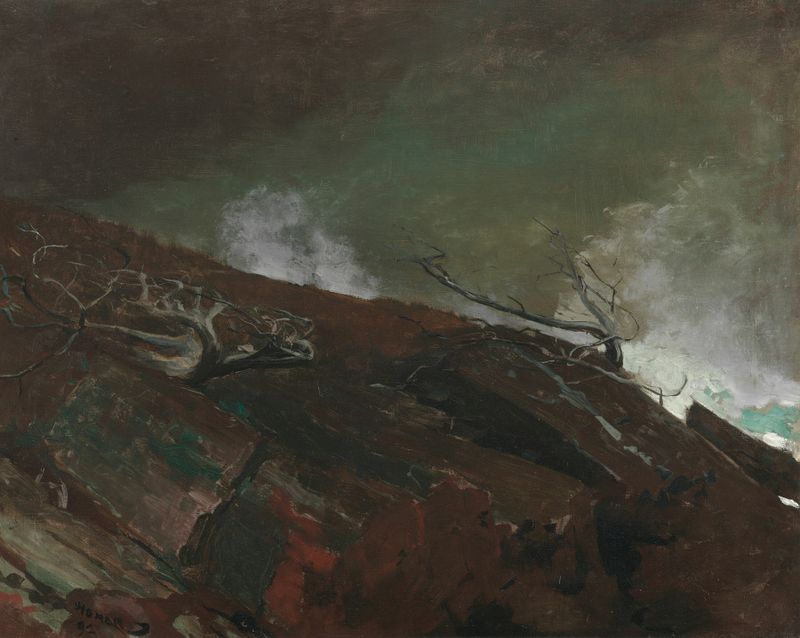
Coast of Maine
Winslow Homer
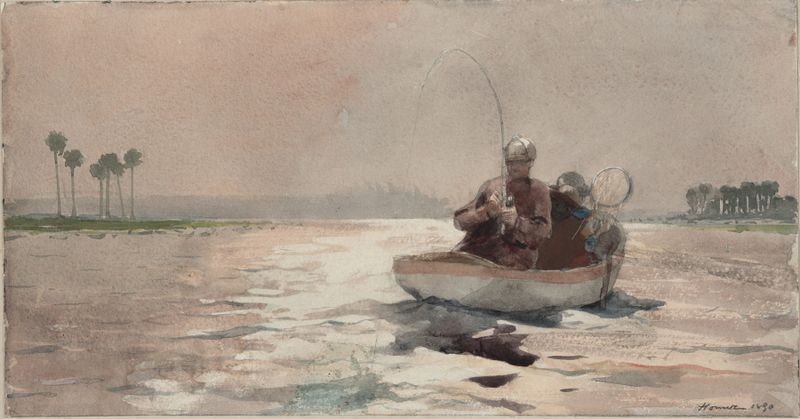
Bass Fishing – Florida
Winslow Homer




