
Norwegian Landscape with Watermill on a Stream — History & Facts
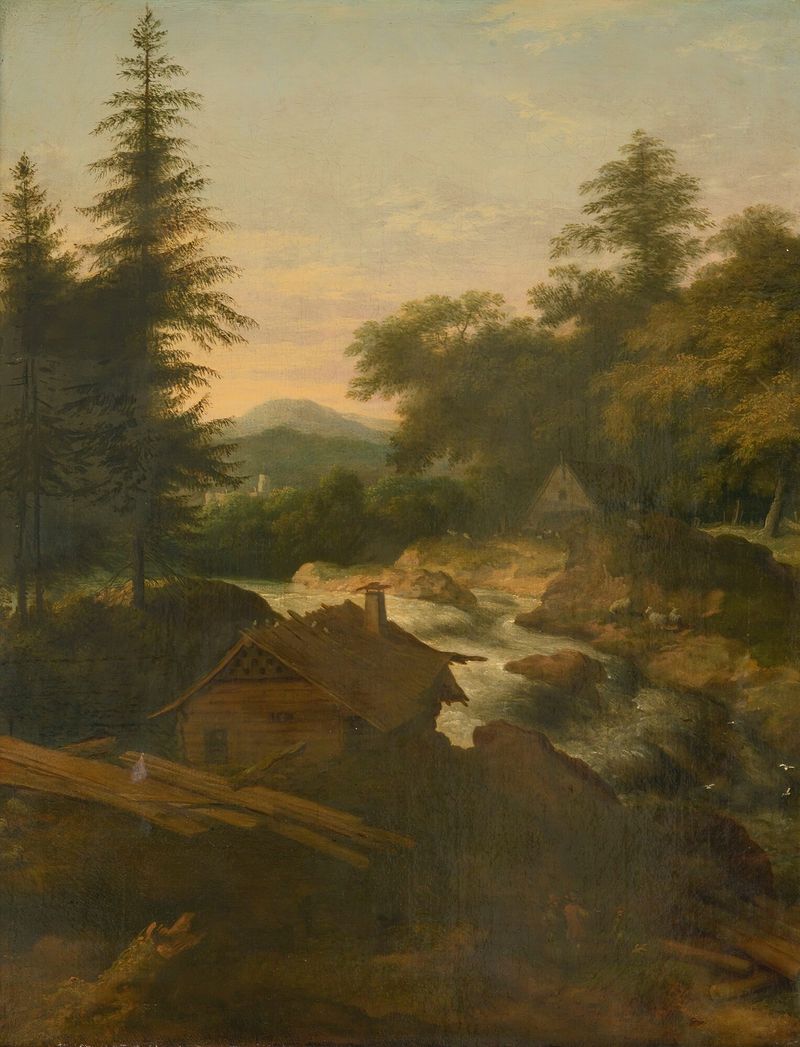
In the stillness of a Norwegian landscape, a hidden yearning unfolds beneath the surface, echoing the silent whispers of nature and the enduring passage of time. Look to the left where the watermill gently graces the edge of the stream, its weathered wooden structure blending seamlessly into the verdant surroundings. The artist’s meticulous brushwork captures the delicate ripples of water, reflecting hues of green and blue that dance in harmony. Notice how the light filters through the trees overhead, illuminating the scene with a soft glow that conveys both tranquility and a sense of nostalgia.
The composition draws the viewer’s eye along the meandering water, inviting exploration of each detail. Embedded within this serene tableau are layers of longing and contrast. The juxtaposition of the sturdy mill against the ephemeral flow of water speaks to the tension between human creation and nature’s relentless passage. The stillness of the landscape is punctuated by the gentle motion of the stream, mirroring the inner emotions of those who might gaze upon this scene—a contemplation of permanence amidst inevitable change.
Each brushstroke evokes a quiet reflection on what is lost and what remains. In the late 17th century, while living in the Netherlands, Allaert van Everdingen created this artwork around 1670, during a period marked by burgeoning exploration and trade. As a key figure in the Northern Baroque movement, he found inspiration in the rugged beauty of Norway, a land where he had never set foot but which fired his imagination. At this time, he was refining his mastery of landscape painting, seeking to evoke not just the physical beauty of nature but also the emotions it inspires in the viewer.
More Artworks by Allaert van Everdingen
Browse all →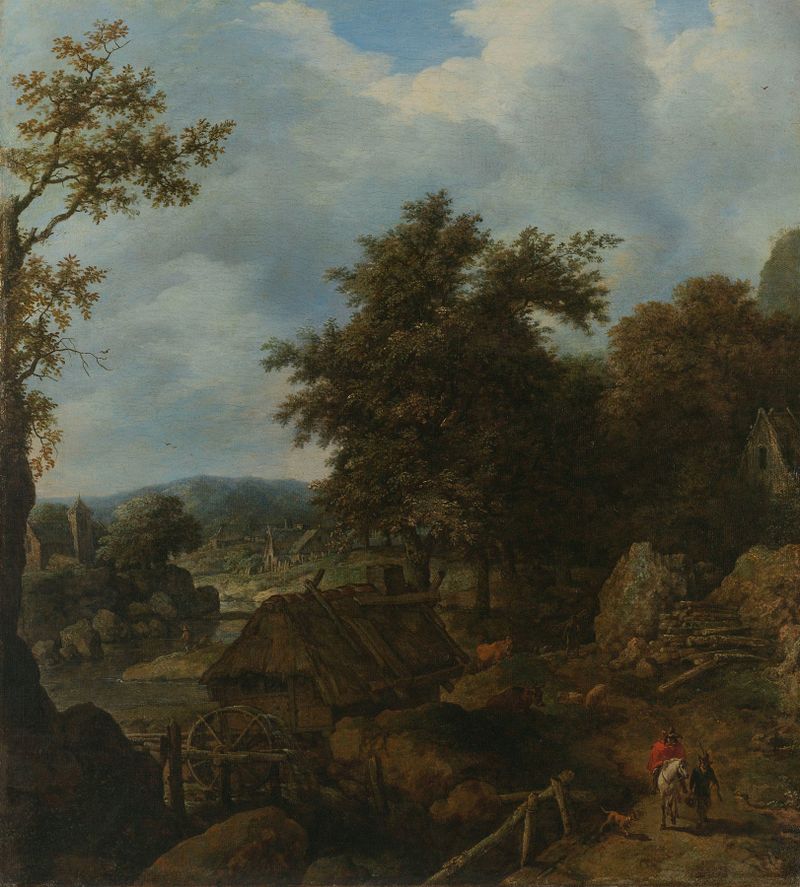
Swedish Landscape with a Water Mill
Allaert van Everdingen
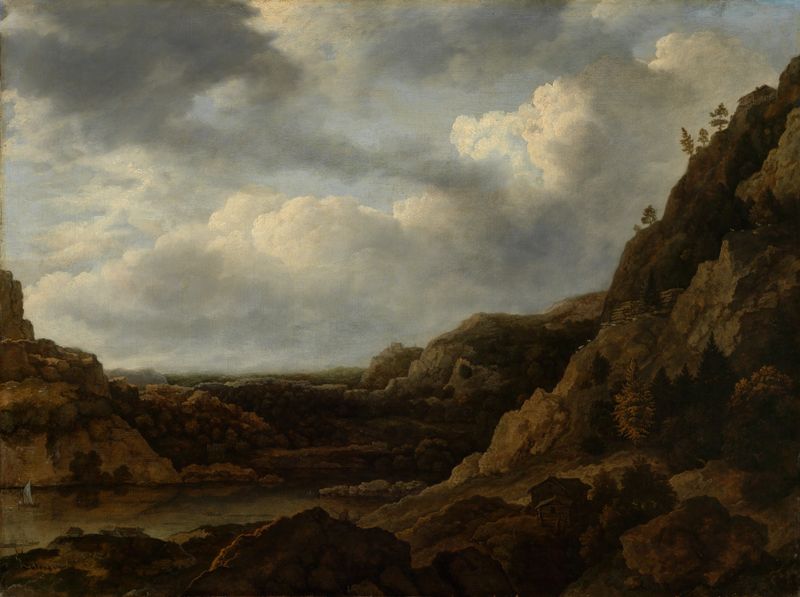
Norwegian fjord
Allaert van Everdingen
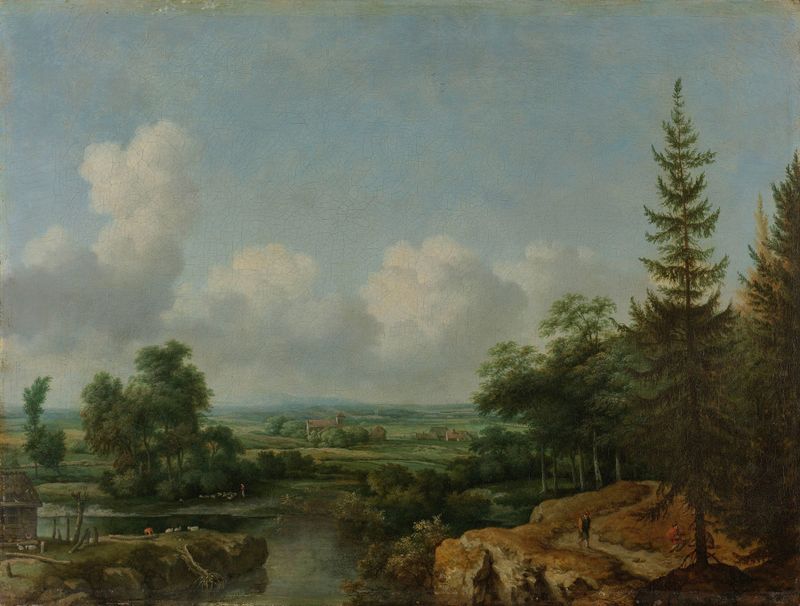
Swedish Landscape
Allaert van Everdingen
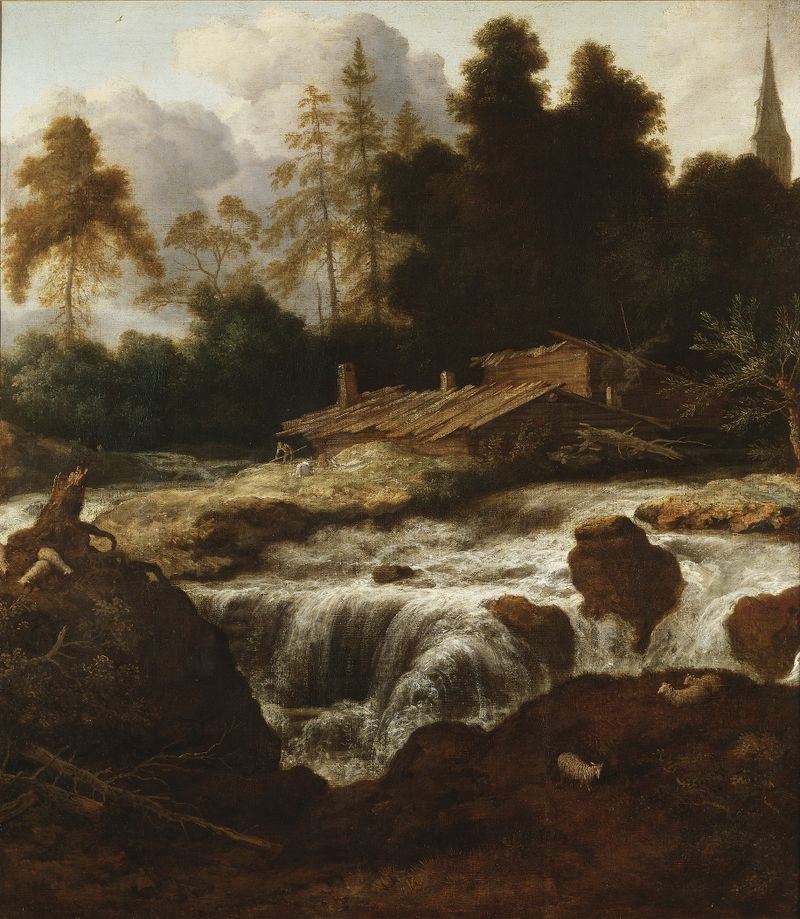
Landscape with a Waterfall
Allaert van Everdingen
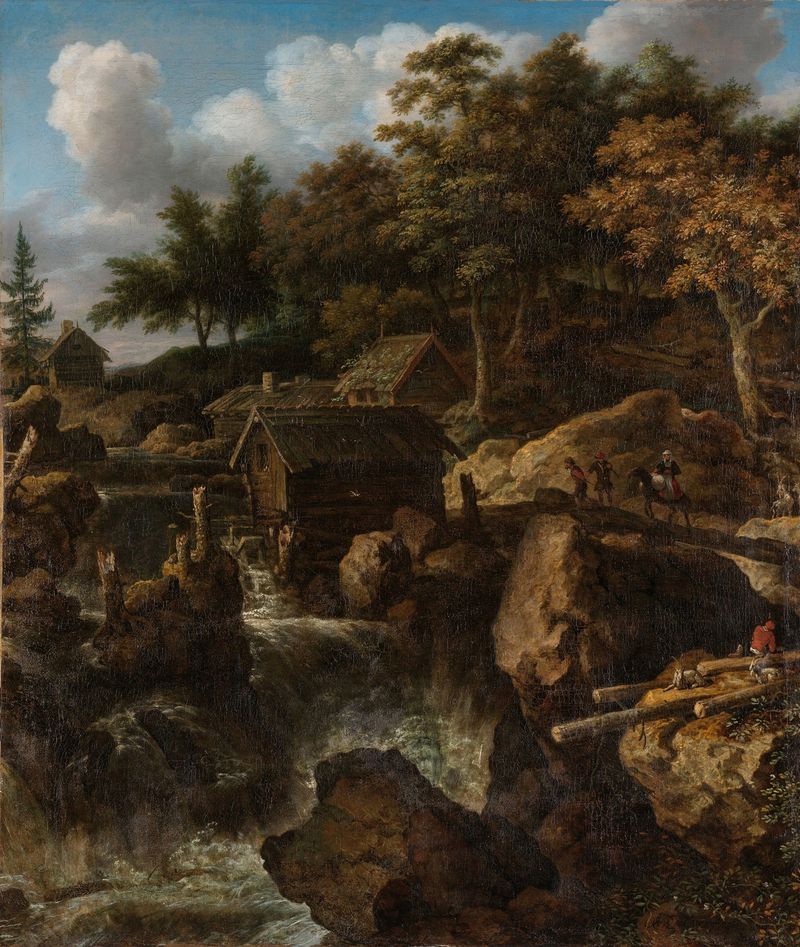
Swedish Landscape with a Waterfall
Allaert van Everdingen
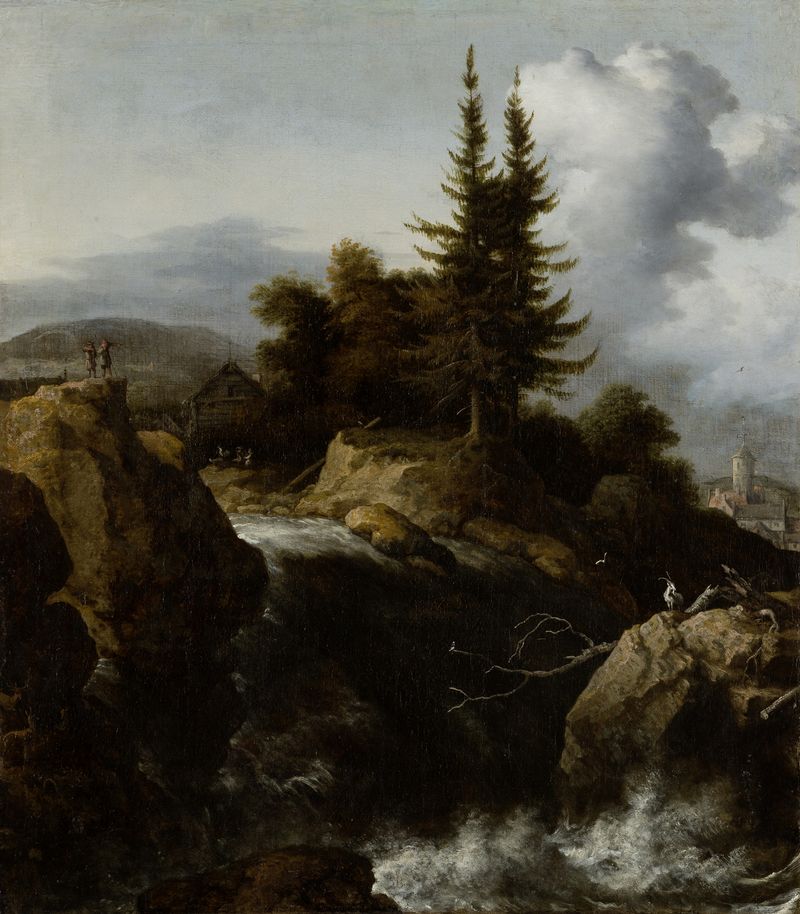
Landscape with Waterfall
Allaert van Everdingen
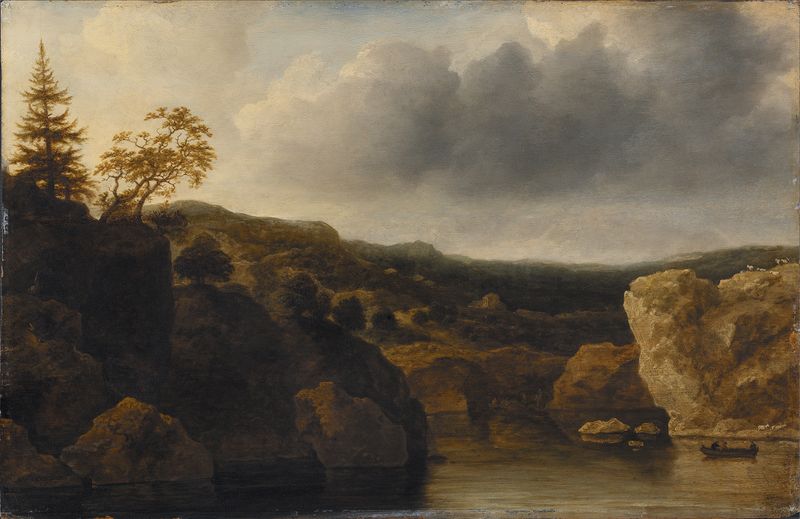
Shore with Steep Cliffs
Allaert van Everdingen
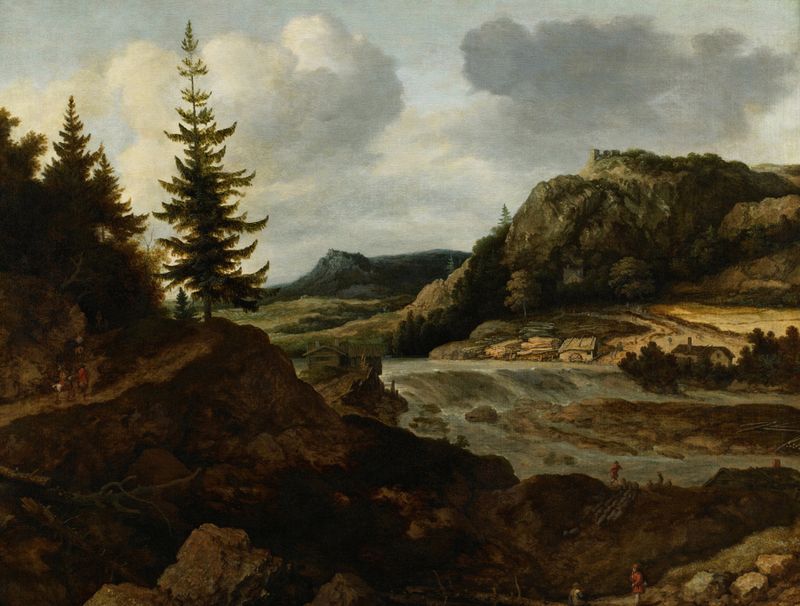
A Mountainous River Landscape with Travellers
Allaert van Everdingen
River Landscape With Cottage
Allaert van Everdingen
Links hohe Felsen mit Tannen, rechts auf hohen Felsen eine Burg, über dem Bach eine steinerne Brücke
Allaert van Everdingen





