
Notre Dame — History & Facts
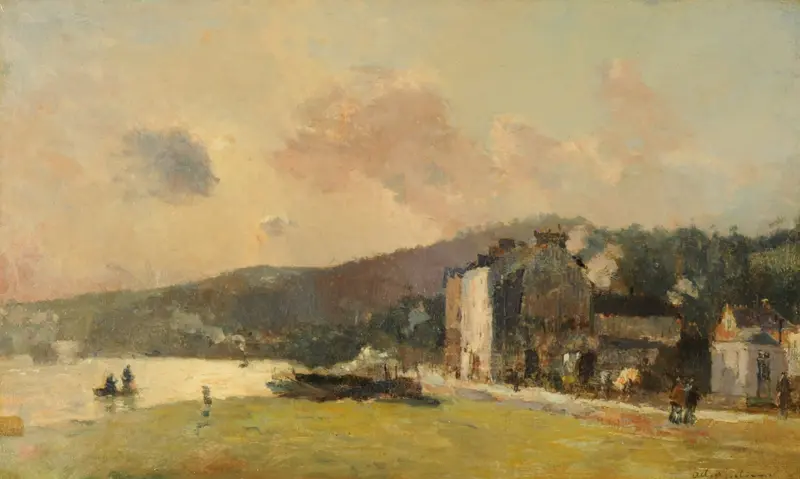
The eye is drawn first not to the famous silhouette of Notre Dame, but to the broad sweep of pale ground and the clustered barrels in the foreground—a working quay, not a postcard view. The cathedral rises, blurred and monumental, through a haze of brushwork that suggests both distance and atmosphere, its spires almost dissolving into the sky. The scene is anchored by the diagonal of a crane or mast, slicing across the riverbank and pointing toward the heart of Paris.
Figures, rendered as small, dark marks, stand beside the barrels, their presence a reminder that this is a place of labor and movement, not just reverence. The palette is subdued, the sky heavy with the muted light of a city morning, lending the whole a mood of quiet anticipation. Painted between 1875 and 1900, this view from the Quai de la Tournelle belongs to an era when artists like Albert Charles Lebourg found poetry in the city’s changing face. Impressionist and post-impressionist painters turned to the Seine and its banks, fascinated by the play of light, fog, and industry—scenes once considered too ordinary for art.
Such works were rarely grand commissions; instead, they were made for the open market or for collectors eager to capture the pulse of modern life. Little is recorded about the journey of this particular painting, now in a private collection, but its quiet focus on workaday Paris places it firmly in the artistic currents of its time. Step closer, and the cathedral’s outline seems to hover between memory and observation, inviting you to see the city as Lebourg did—alive with the rhythms of both past and present.
More Artworks by Albert Charles Lebourg

Le Jardin du Docteur Viau
Albert Charles Lebourg
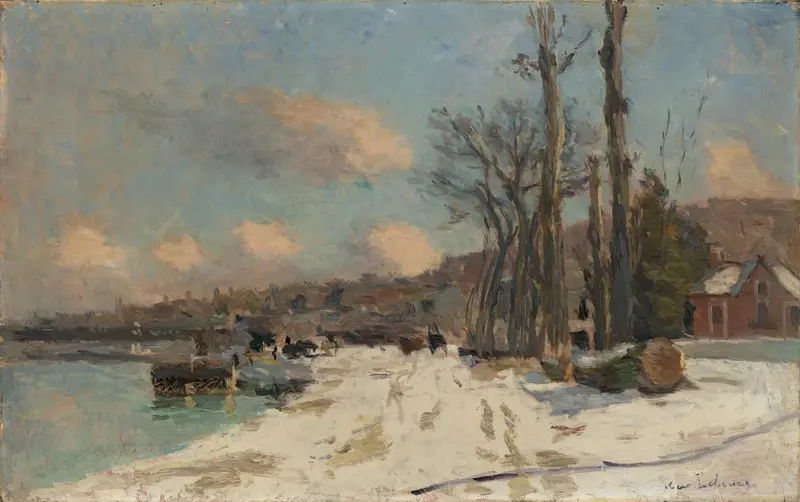
Snow Scene at Bougival
Albert Charles Lebourg
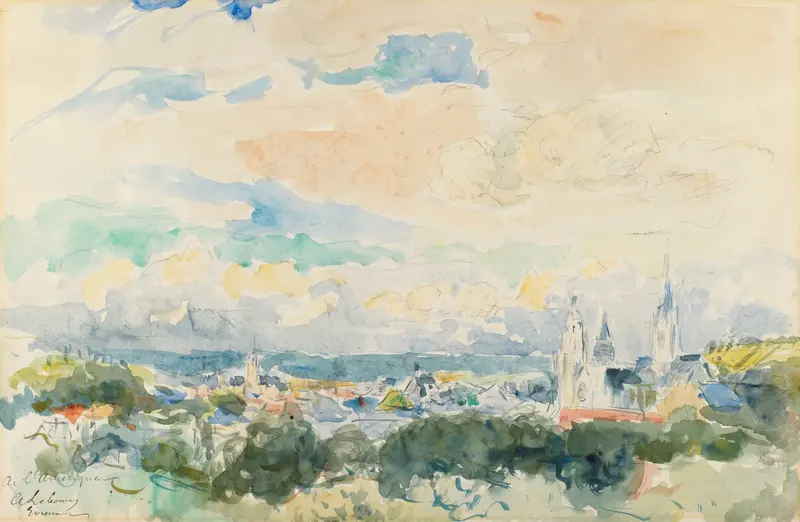
Sketch of a Village
Albert Charles Lebourg
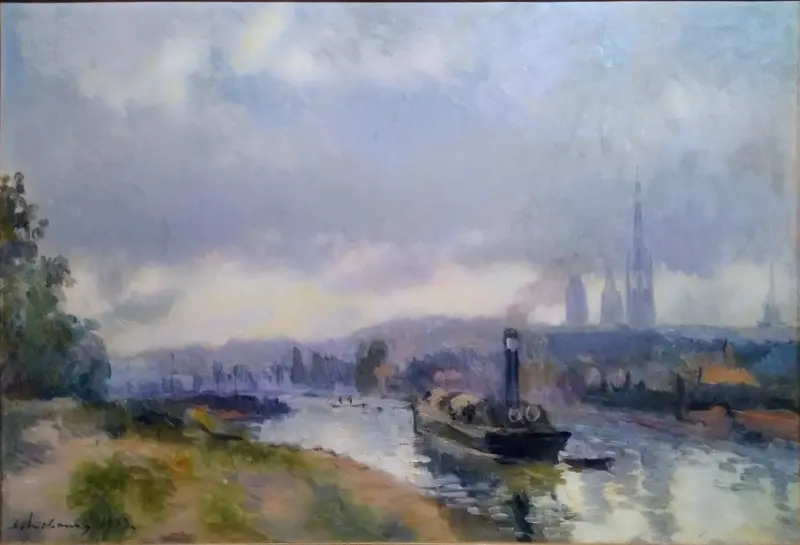
Remorqueurs à Rouen
Albert Charles Lebourg
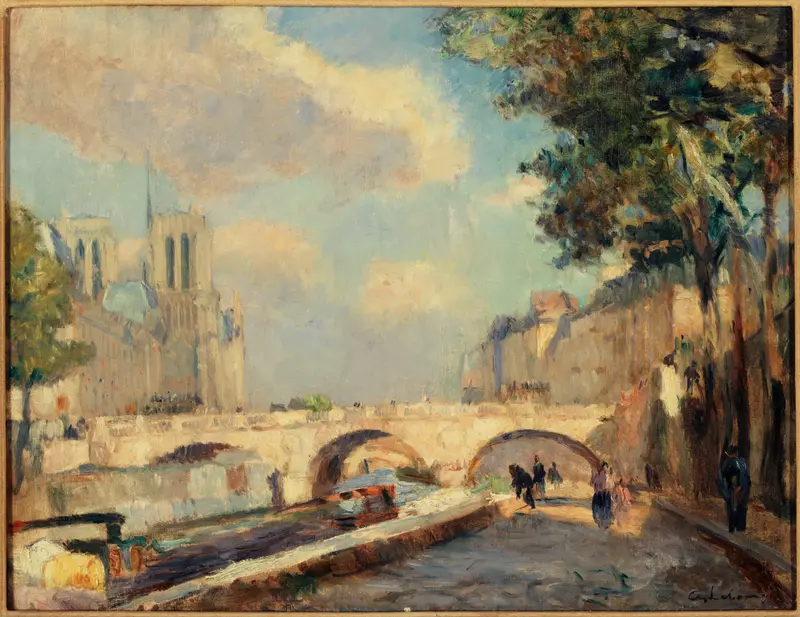
Le pont Saint Michel et Notre Dame, vus du quai des Grands Augustins P459 Musée Carnavalet
Albert Charles Lebourg
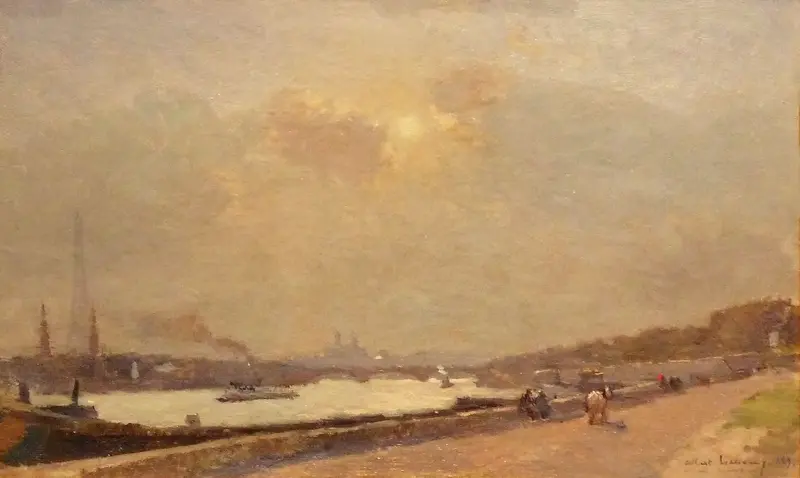
Banks of the Seine, Cours La Reine
Albert Charles Lebourg
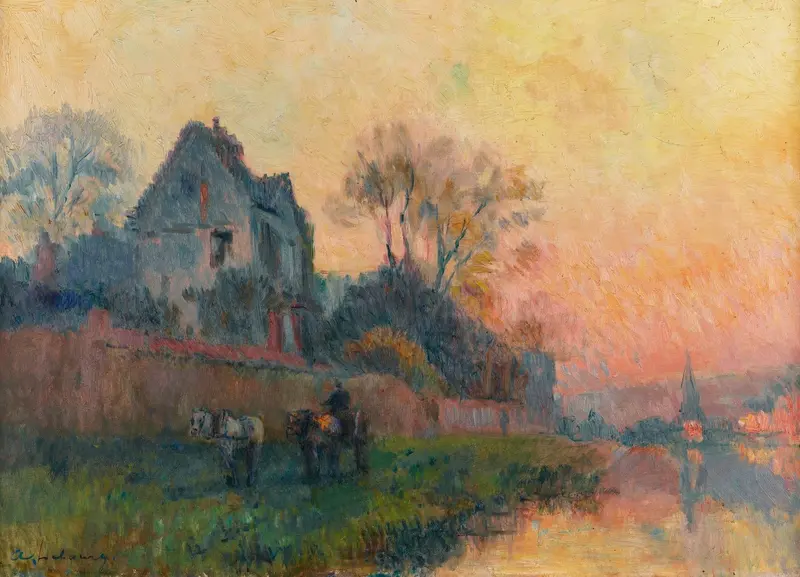
Bords de Seine à Chatou, oil on canvas, 46.4 by 65.1cm, 18.25 by 25.6 in
Albert Charles Lebourg
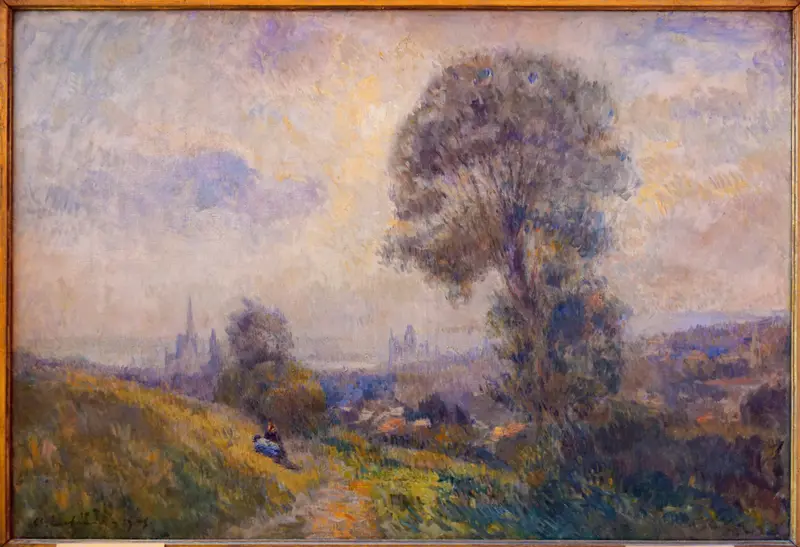
Camaret. The Harbor During a Thunderstorm
Albert Charles Lebourg
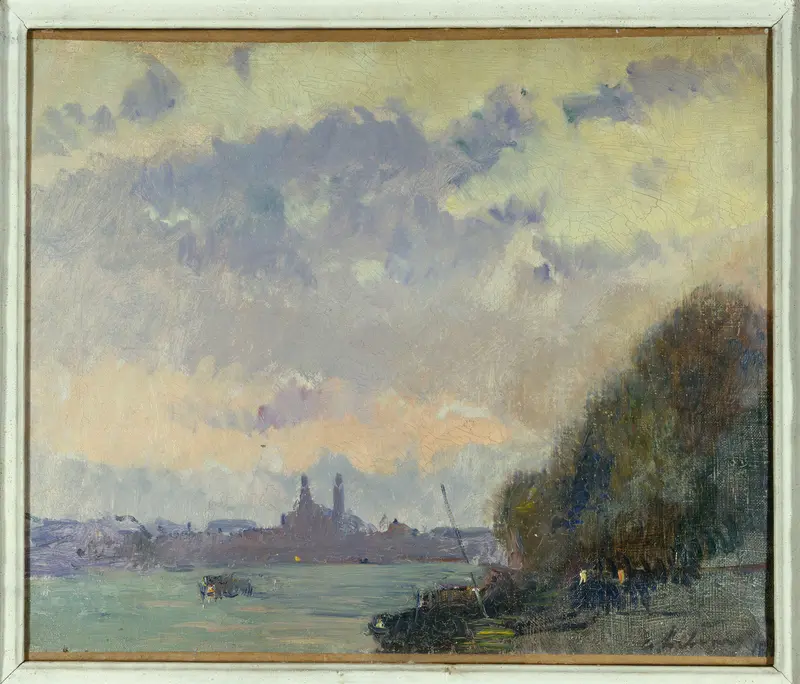
La Seine et l'ancien Trocadéro P2269 Musée Carnavalet
Albert Charles Lebourg
La Seine à Croisset, près de Rouen
Albert Charles Lebourg
More Landscape Art

The Starry Night
Vincent van Gogh

View of Delft
Johannes Vermeer

Water Lilies
Claude Monet

The Grand Canal, Venice, looking north-west from the Ca' Corner to the Ca' Contarini degli Scrigni, with the campanile of Santa Maria della Carità
Canaletto

Windsor Castle
Canaletto

The Grand Canal looking North-East from the Palazzo Dolfin-Manin to the Rialto Bridge
Canaletto