
Notre-Dame de Bruges — History & Facts
Can beauty exist without sorrow? In Notre-Dame de Bruges, the answer hangs delicately in the air, where longing intertwines with the ethereal glow of a fleeting moment. Focus on the breathtaking architecture that rises majestically in the background, commanding your gaze. Notice how the warm sunlight bathes the cathedral’s intricate details, highlighting the textured stonework while casting gentle shadows that whisper of time's passage. The palette of soft blues and warm ochres evokes a sense of nostalgia, inviting you to explore the serene waters below, which act as a reflective mirror, doubling the beauty and amplifying the emotion within this tranquil scene. As you delve deeper, observe the figures in the foreground, their smallness juxtaposed with the towering edifice behind them.
These silhouettes, engaged in quiet contemplation or leisurely walks, embody the human experience—caught between the weight of reverence and the lightness of daily life. The subtle brushstrokes evoke movement and stillness simultaneously, revealing the emotional tension between joy and melancholy, as if yearning for something just out of reach. Pissarro painted this work in 1894 during his time in Belgium, a period marked by personal challenges and a strong desire to capture the essence of life through natural beauty. The Impressionist movement was flourishing, allowing him to experiment with color and form, yet he maintained a distinct voice that reflected his internal struggles, often depicting scenes that spoke to both beauty and longing.
More Artworks by Camille Pissarro
Browse all →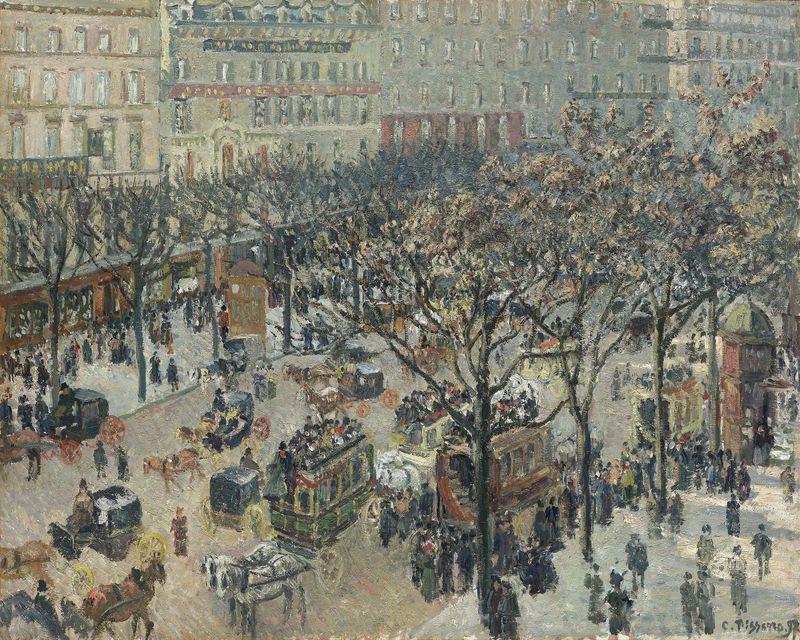
Boulevard des Italiens,Morning_Sunlight
Camille Pissarro
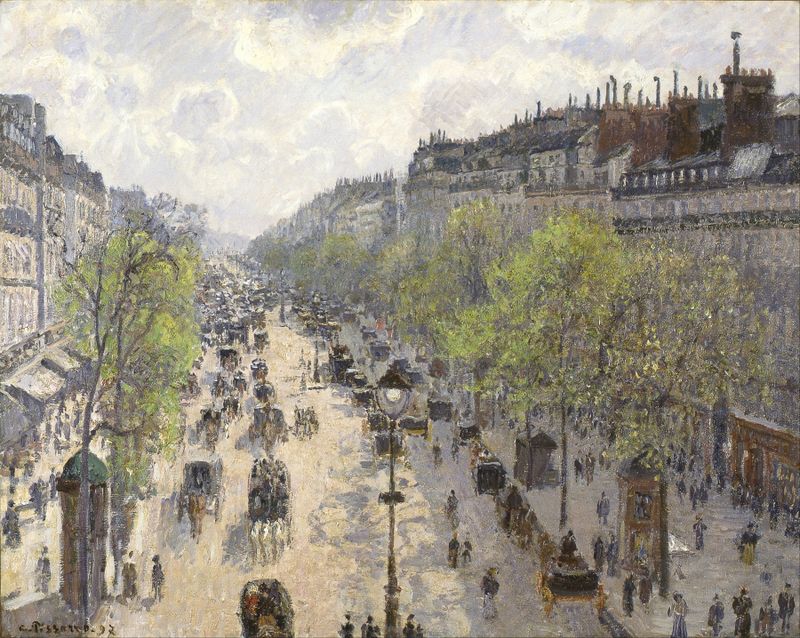
Boulevard Montmartre, Spring
Camille Pissarro
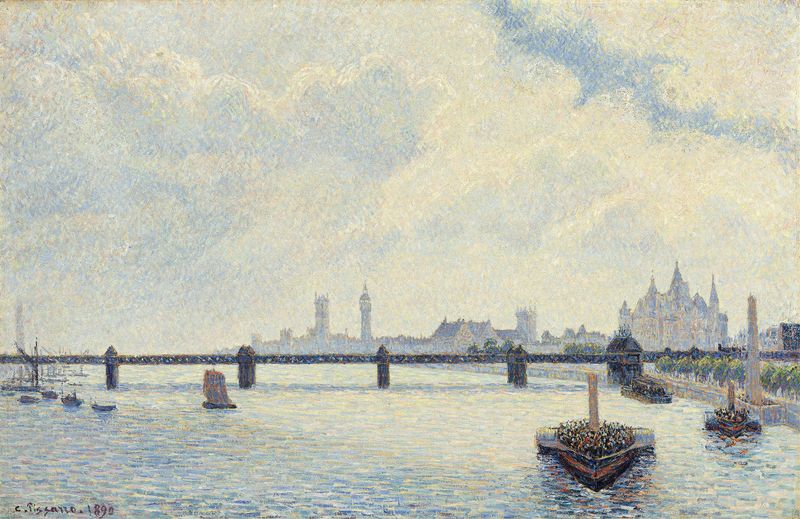
Charing Cross Bridge,London
Camille Pissarro
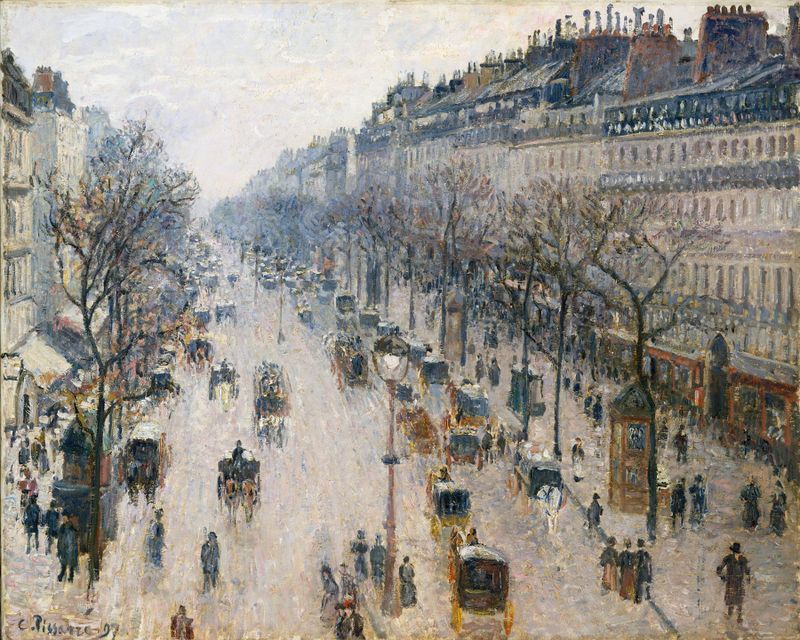
The Boulevard Montmartre on a Winter Morning
Camille Pissarro
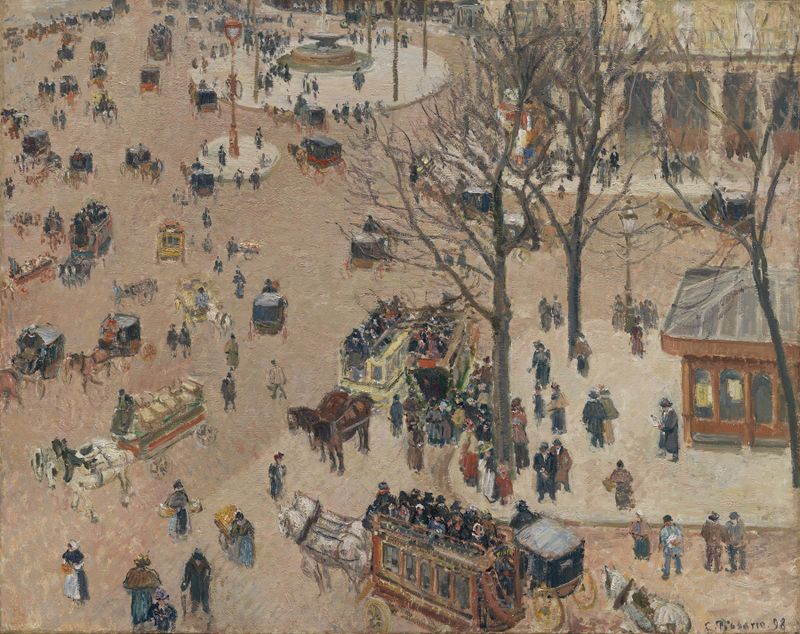
La Place du Théâtre Français
Camille Pissarro

Rue Saint-Lazare, Paris
Camille Pissarro
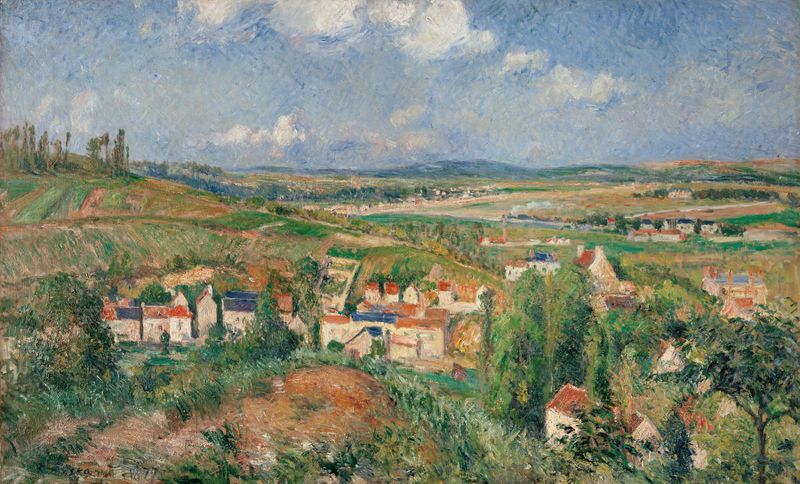
L’hermitage En Été, Pontoise
Camille Pissarro

Place du Theatre Francais,Fog Effect
Camille Pissarro
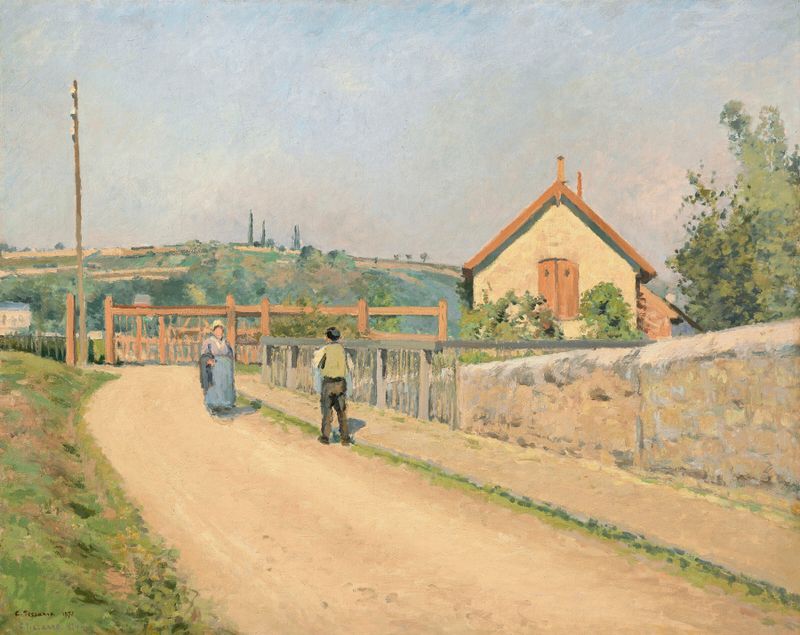
La barrière du chemin de fer, aux Pâtis près Pontoise
Camille Pissarro
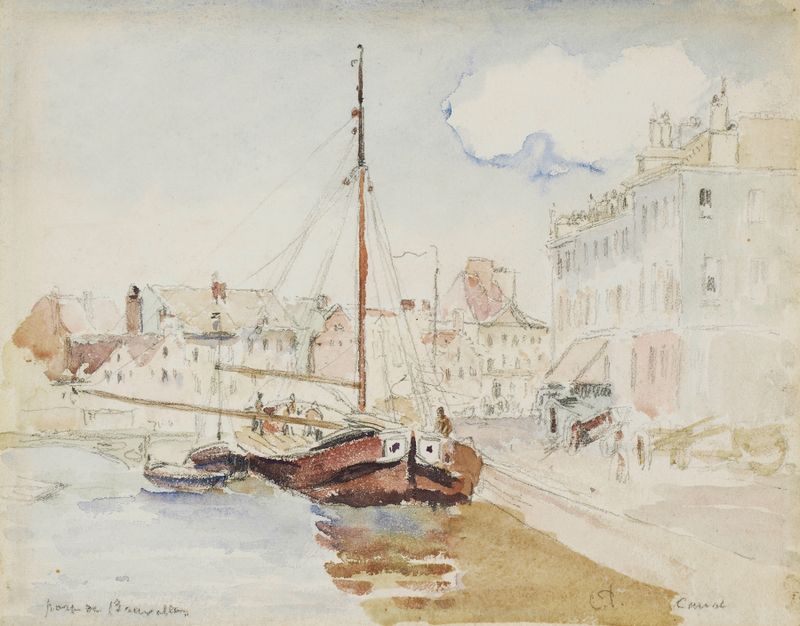
Port de Bruxelles
Camille Pissarro
More Architecture Art
Browse all →
The statue of Liberty
Frédéric Auguste Bartholdi

View of Houses in Delft, Known as ‘The Little Street’
Johannes Vermeer

View of Houses in Delft, Known as ‘The Little Street’
Johannes Vermeer

The Cathedral in Rouen. The portal, Grey Weather
Claude Monet

The yellow house
Vincent van Gogh

The Church in Auvers-sur-Oise, View from the Chevet
Vincent van Gogh