
Notre Dame sur l’Eau, Domfront, Normandy — History & Facts
What if beauty was never meant to be finished? In Notre Dame sur l’Eau, light dances across the surface of the water, inviting contemplation of the momentary and the eternal. Look to the left, where the soft hues of dawn illuminate the grand structure of Notre Dame. The delicate brushwork creates a shimmering reflection in the water, merging the building with its surroundings. Notice how the gentle, pastel colors blend seamlessly, capturing both the tranquility of the morning and the architectural majesty of Domfront.
The composition is masterfully balanced, with the church rising proudly from the edge, while the darkened trees frame the scene, enhancing the sense of depth and serenity. Beneath the surface, a narrative unfolds. The interplay of light and shadow speaks to the fleeting nature of beauty, suggesting that what we see is just a moment captured in time. The distant horizon hints at the vastness beyond, contrasting the intimate stillness of the water with the expansive sky.
Each ripple echoes the passage of time, while the ethereal glow hints at a connection between the earthly and the divine, evoking a profound sense of peace amid the chaos of life. John Sell Cotman painted this work in 1820 during a period of personal reflection as he navigated the complexities of his career in England. Emerging from the shadow of Romanticism, he sought to merge emotion with observation, reflecting the changing landscape of art in an era that valued both nature and the sublime. This piece, rooted in the tranquil beauty of Normandy, encapsulates his exploration of light and atmosphere, establishing him as a pivotal figure in the evolution of landscape painting.
More Artworks by John Sell Cotman
Browse all →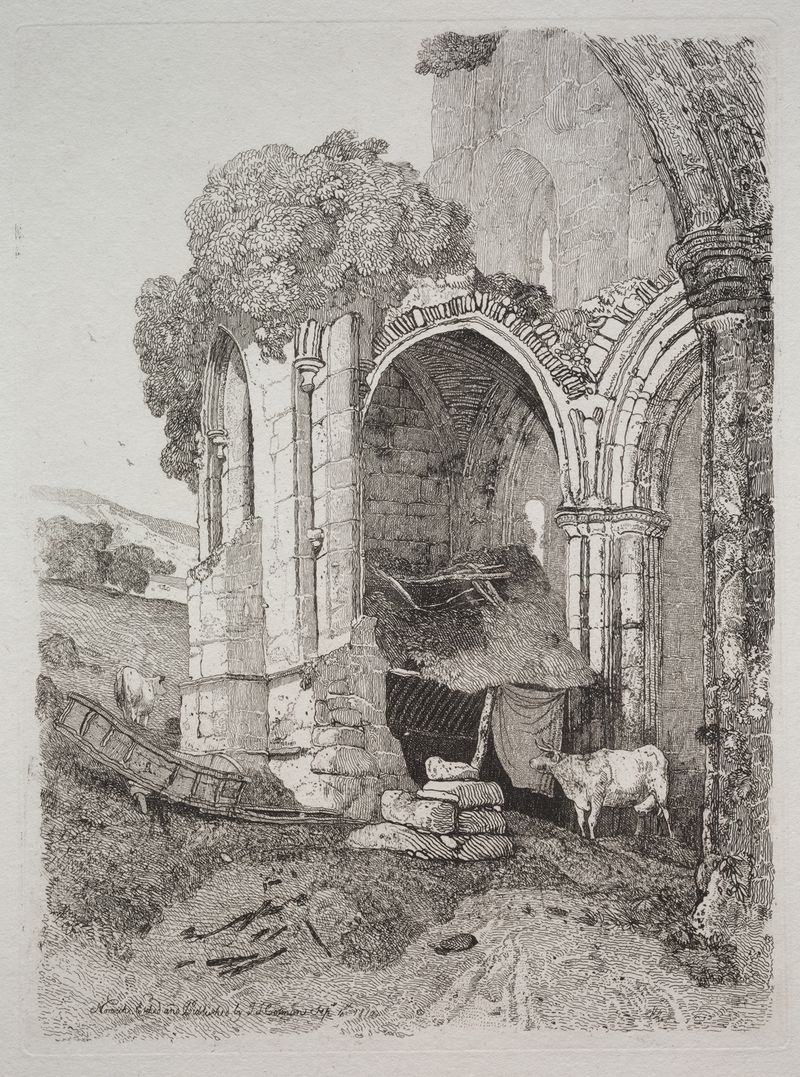
Rievaulx Abbey, Yorkshire
John Sell Cotman
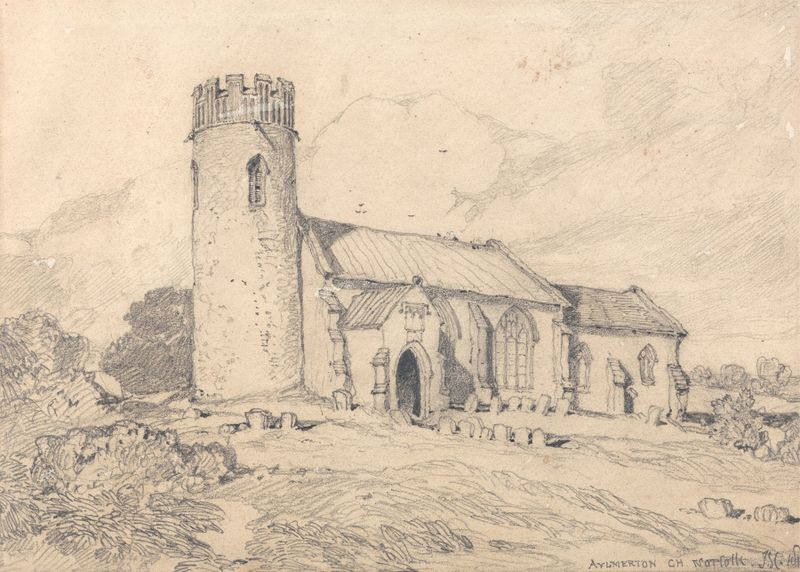
Aylmerton Church; Norfolk, from the South-West
John Sell Cotman
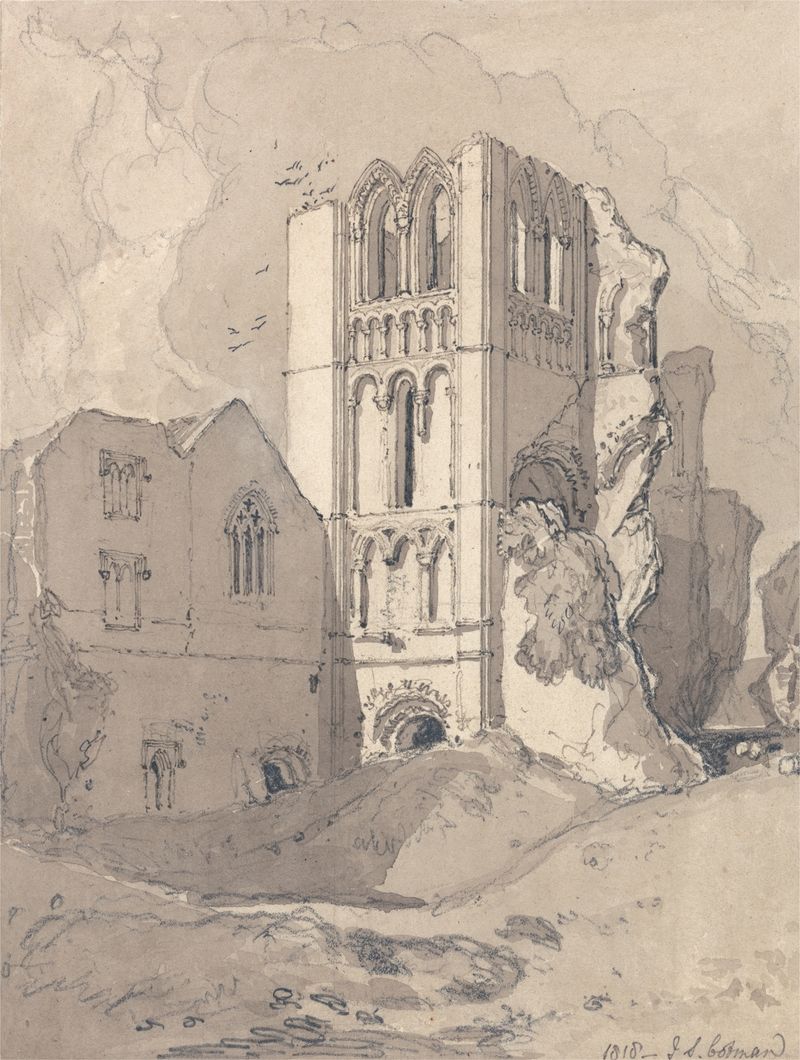
Castle Acre Priory, Norfolk
John Sell Cotman
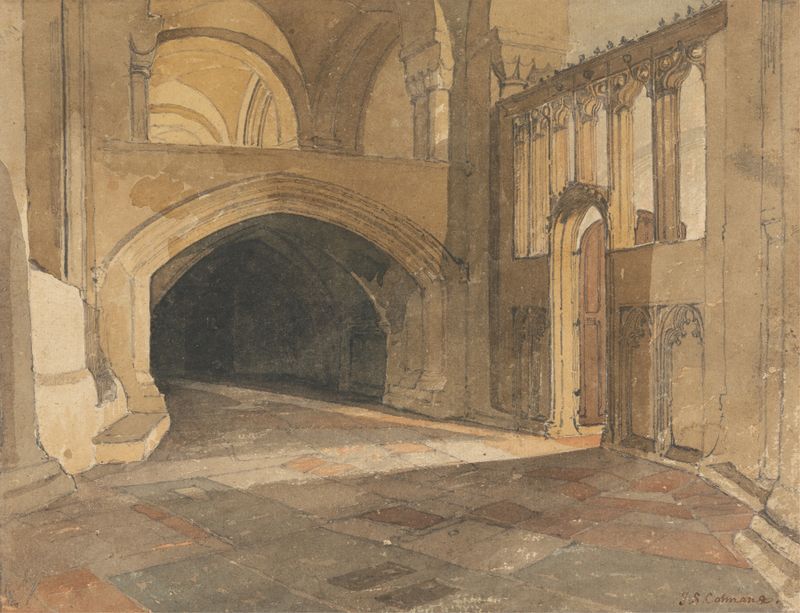
Norwich Cathedral; Entrance to Jesus Chapel
John Sell Cotman
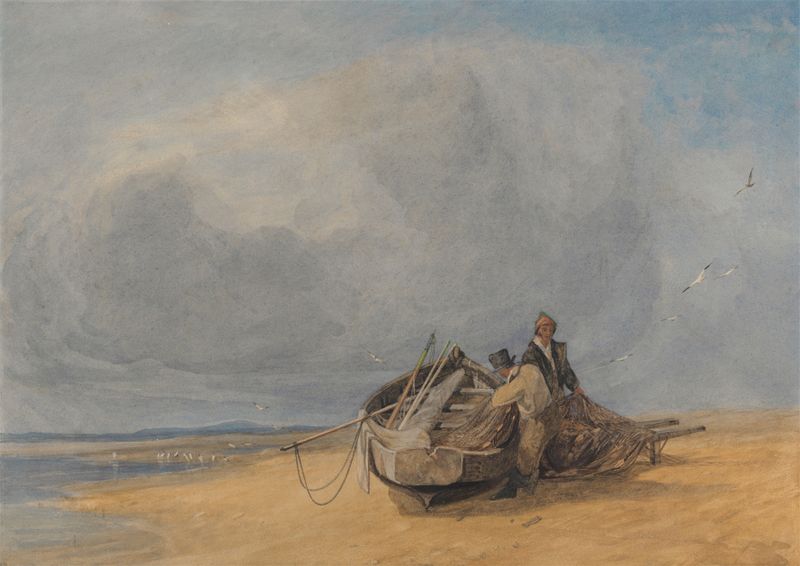
Yarmouth Sands, Norfolk
John Sell Cotman
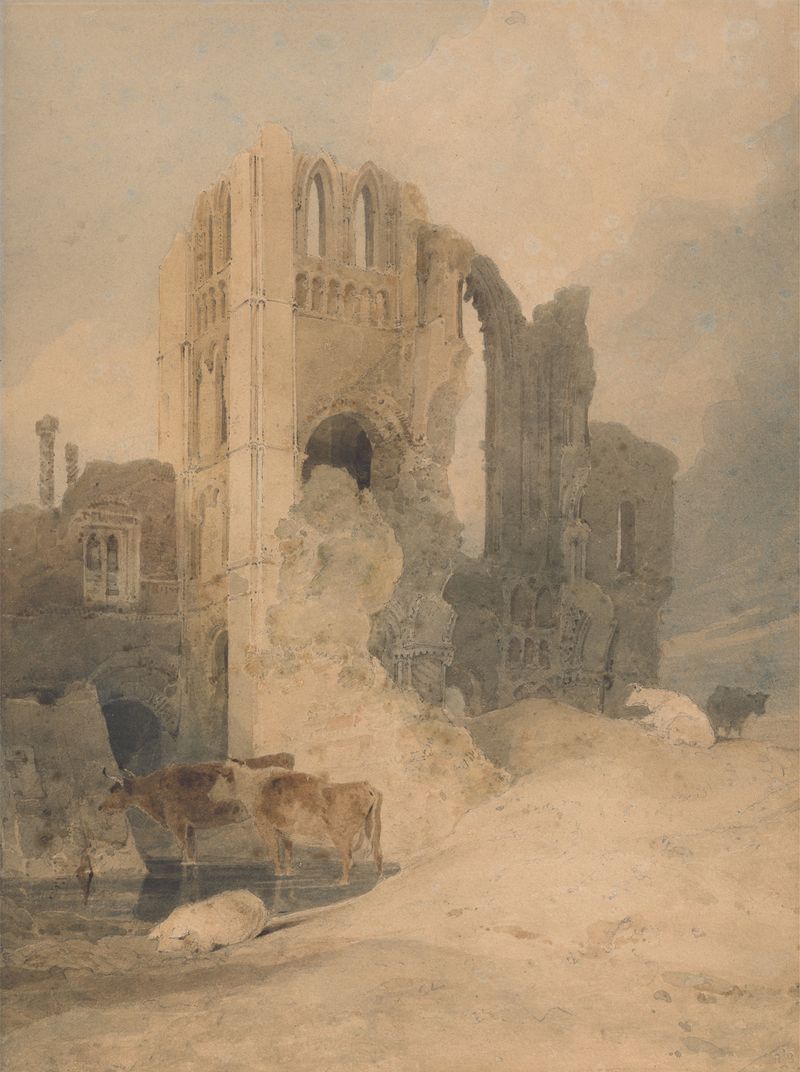
Castle Acre Priory, Norfolk
John Sell Cotman
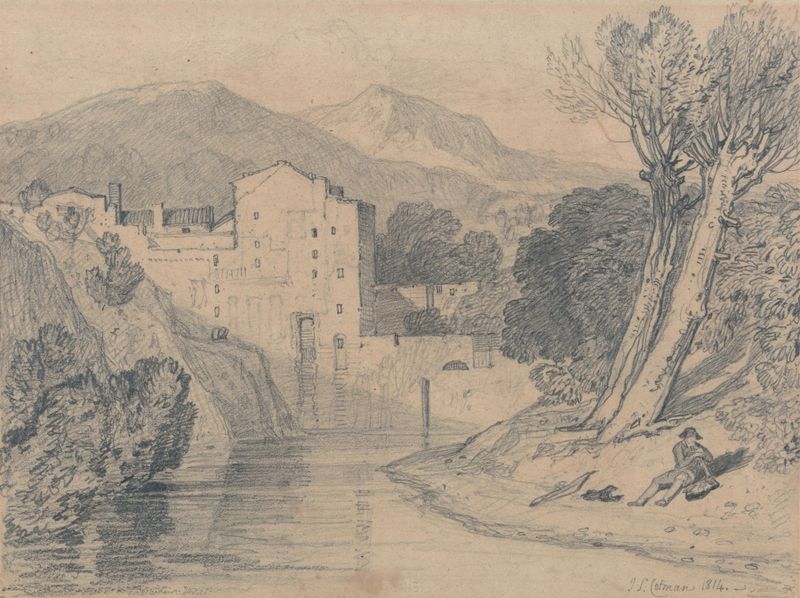
Near Whitby, Yorkshire
John Sell Cotman
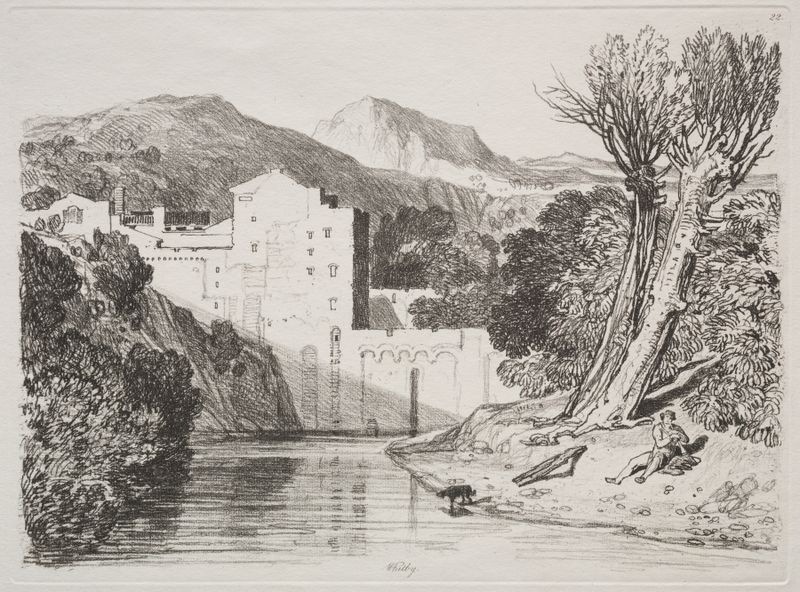
Whitby
John Sell Cotman
The Barons’ Hall, Mont Saint Michel
John Sell Cotman
Norwich Cathedral; Interior of the North Aisle of the Choir, Looking East
John Sell Cotman





