Nymphenburg — History & Facts
In a world shadowed by the inevitability of mortality, art becomes the vessel for our fleeting memories and lost moments. Begin by focusing on the vibrant swirls of color that Kandinsky has woven together; the deep blues and radiant yellows draw you in, stimulating both the eye and the spirit. Notice how these colors clash and harmonize simultaneously, creating a visual rhythm that feels alive. The composition is dynamic, with abstract forms that evoke a sense of movement and energy, inviting the viewer to explore their own interpretations amid the rich textures. Delve deeper into the juxtaposition of chaos and order present in the piece.
The scattered geometric shapes hint at the fragility of life, while the swirling organic forms suggest the persistence of nature and the cycle of existence. This duality creates an emotional tension, reminding us that beauty and transience coexist, much like our own memories and the passage of time. Every stroke resonates with the essence of human experience, urging contemplation on what it means to remember. In 1904, Kandinsky was living in Munich, a time when he was grappling with his own artistic identity amidst the burgeoning movements of modern art.
This period marked a significant shift toward abstraction in his work, reflecting both personal introspection and broader cultural changes. The exploration of color and form in this painting signifies a pivotal moment in his career, as he began to embrace the idea that art can transcend mere representation, tapping into deeper emotional truths.
More Artworks by Wassily Kandinsky
Browse all →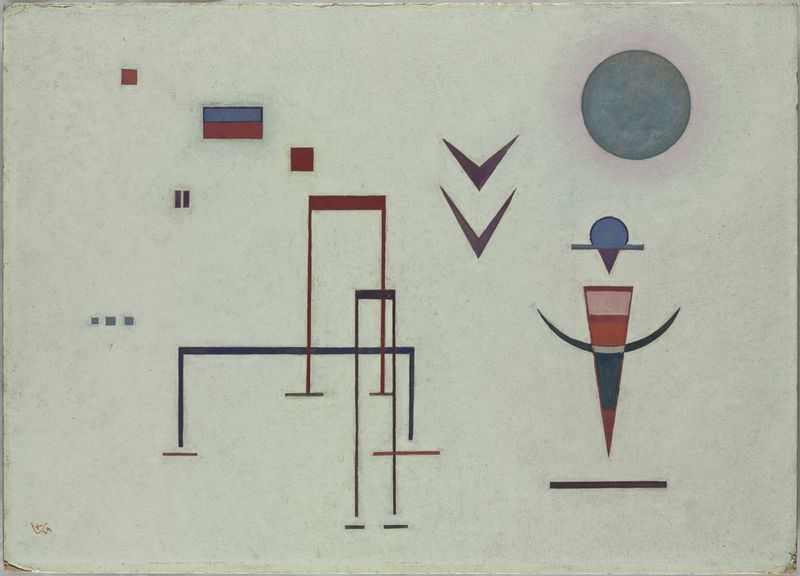
Jocular Sounds
Wassily Kandinsky
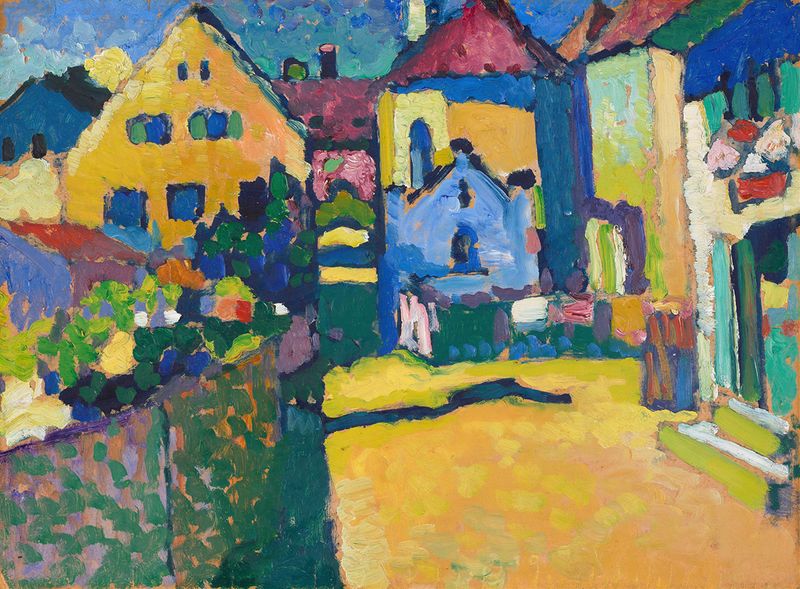
Green Lane in Murnau
Wassily Kandinsky

Murnau
Wassily Kandinsky

Murnau – View from the window of the Griesbräu
Wassily Kandinsky

Landscape with a yellow field
Wassily Kandinsky
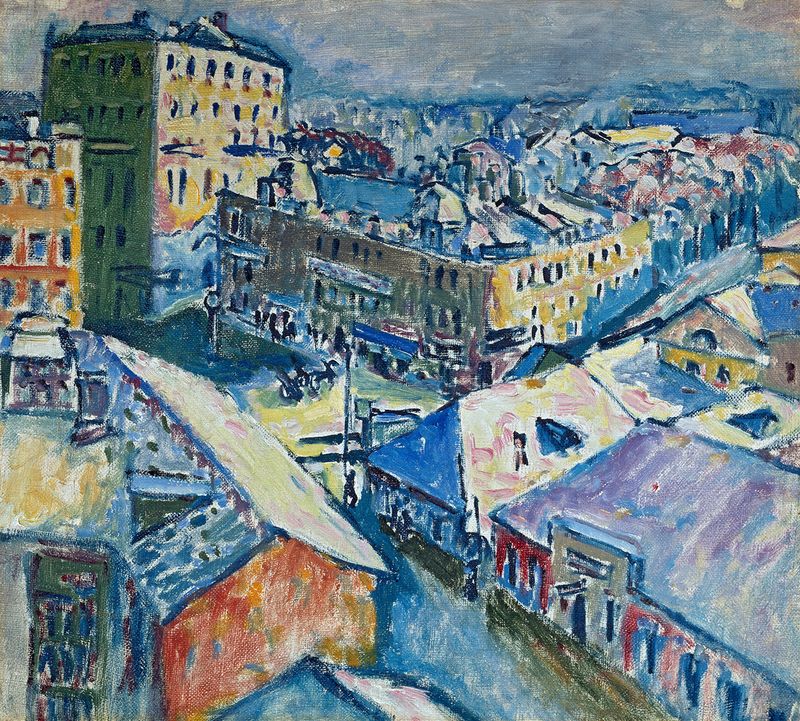
Zubovsky Platz
Wassily Kandinsky

Murnau – Castle and Church
Wassily Kandinsky
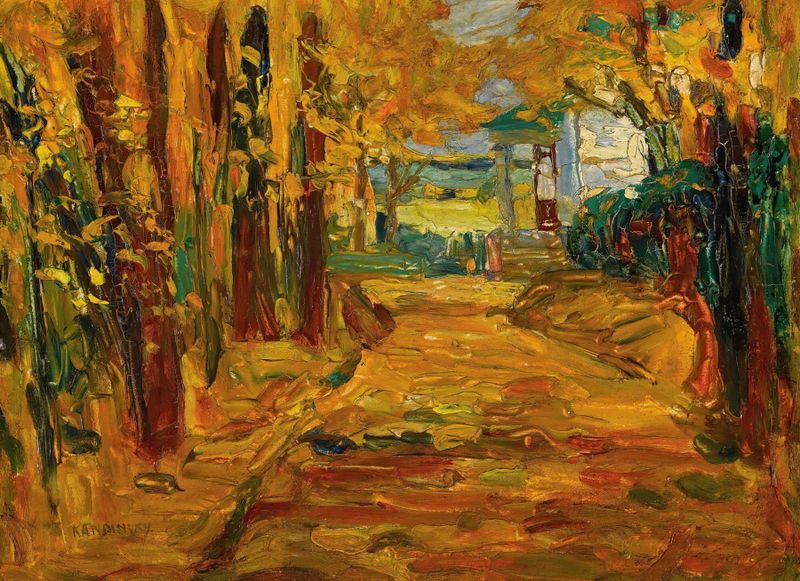
Park Von St. Cloud – Herbst I
Wassily Kandinsky

Cemetery and rectory in Kochel
Wassily Kandinsky
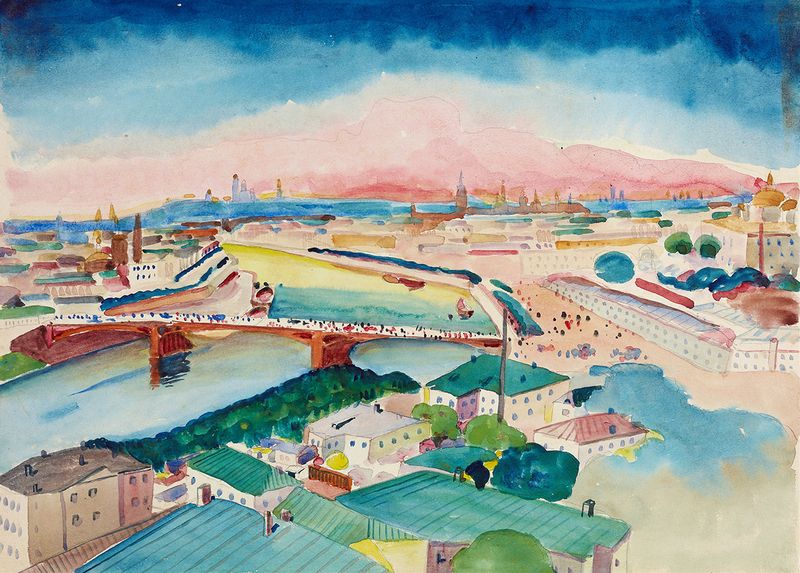
Blick auf Moskau
Wassily Kandinsky