Discover insights about this artwork
Nymphs and a Satyr (Amor Vincit Omnia) — History & Facts
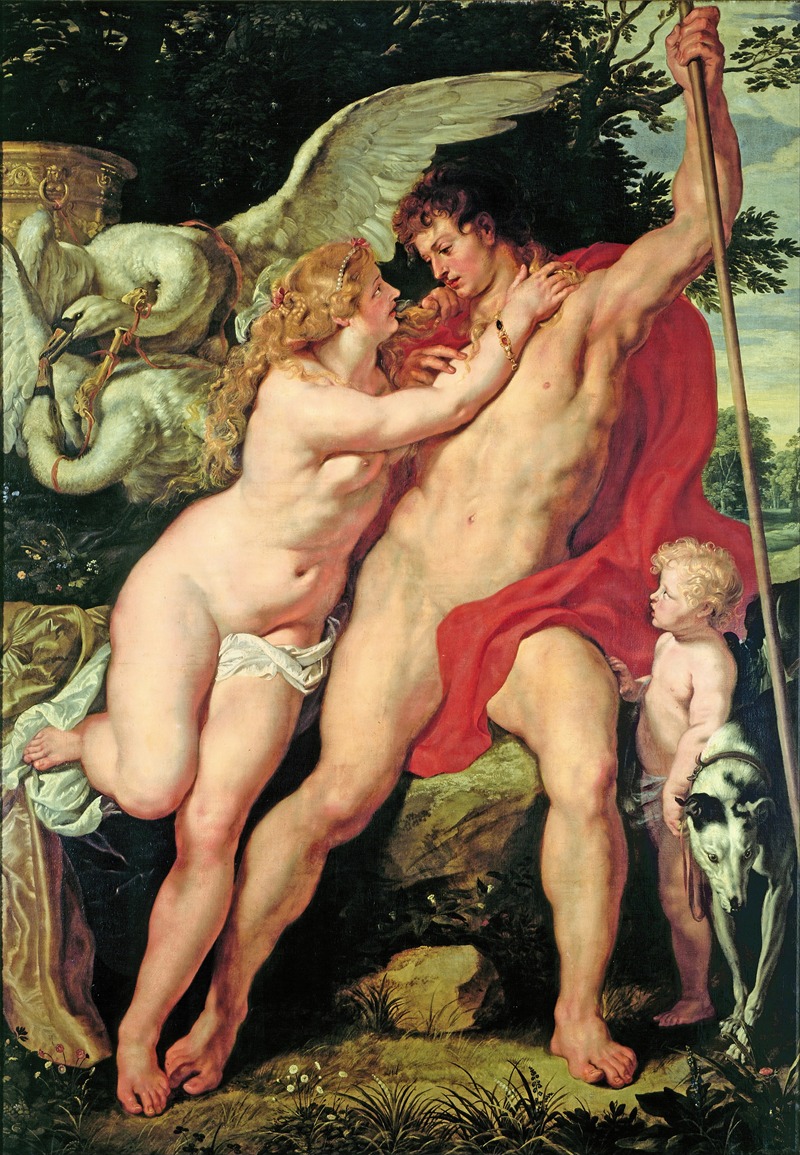
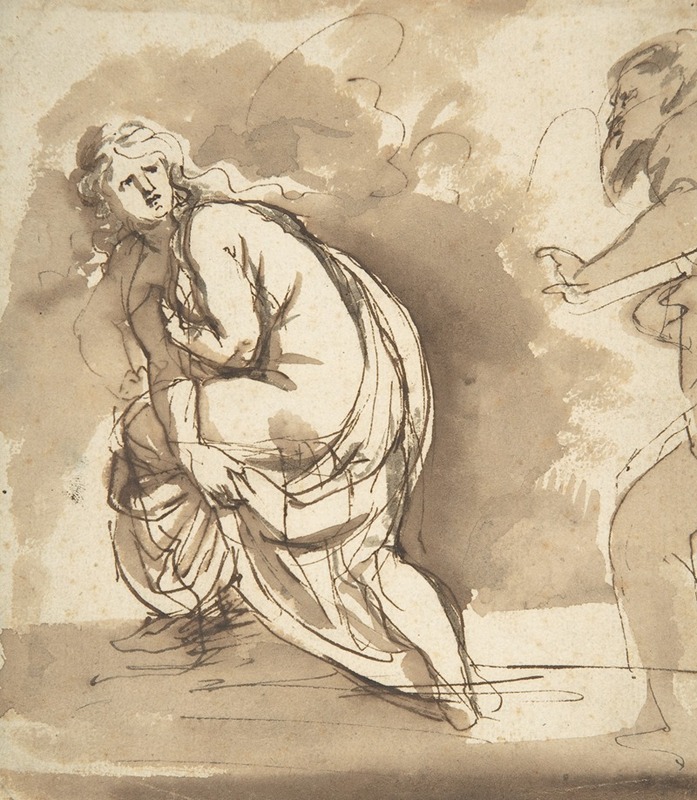
In Nymphs and a Satyr (Amor Vincit Omnia), we see a lush, natural setting filled with vibrant greens and soft earth tones. The figures of the nymphs are depicted with graceful forms, their flowing garments blending into the environment. The satyr, with his playful expression, contrasts with the serene beauty of the nymphs.
This composition creates a sense of harmony between the figures and the surrounding nature. The painting is executed in oil on canvas, showcasing Poussin's skill in blending colors and creating depth. The use of light and shadow adds a three-dimensional quality to the figures, enhancing their physical presence. The brushwork is meticulous, allowing for fine details in the textures of the skin and foliage.
This technical precision is characteristic of the Baroque style, which emphasizes realism and emotional expression. Nicolas Poussin was a leading figure in the Baroque movement, known for his classical approach to painting. Nymphs and a Satyr reflects his interest in mythology and the human condition, particularly the theme of love. An interesting fact about this work is that it was inspired by the concept of 'Amor Vincit Omnia', or 'Love Conquers All', which is a recurring theme in art and literature.
Poussin's ability to convey complex emotions through his figures is a hallmark of his artistic legacy.
More Artworks by Nicolas Poussin
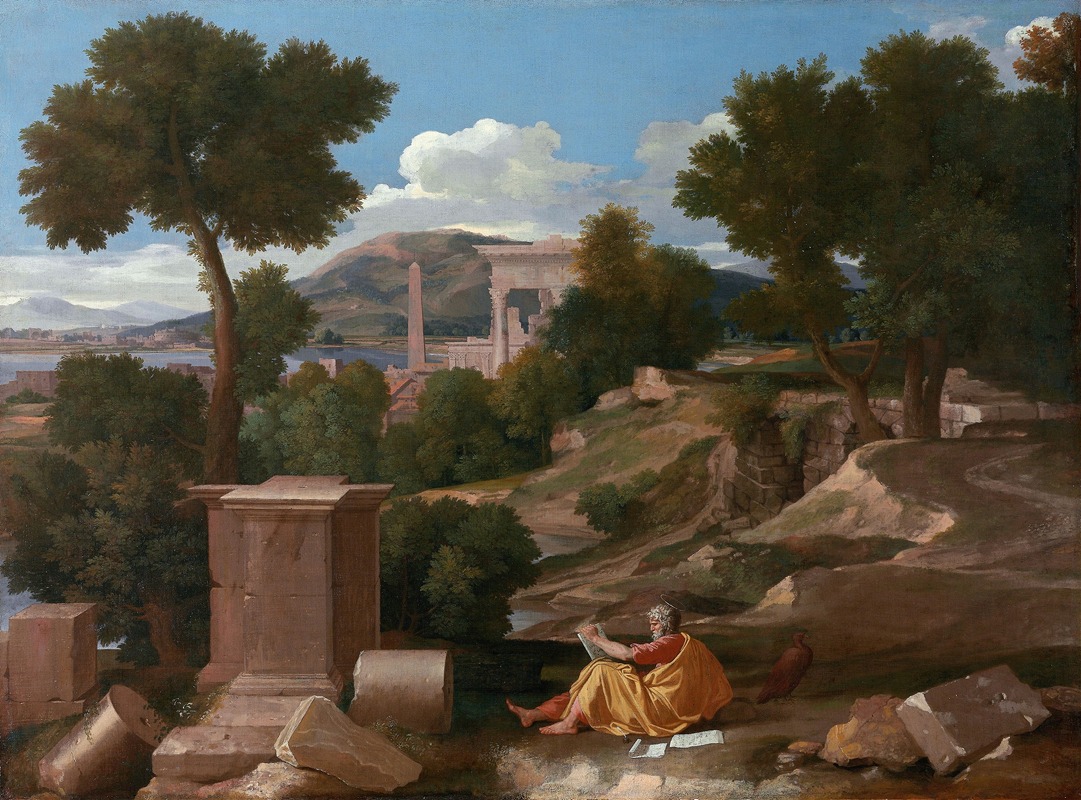
Landscape with Saint John on Patmos
Nicolas Poussin
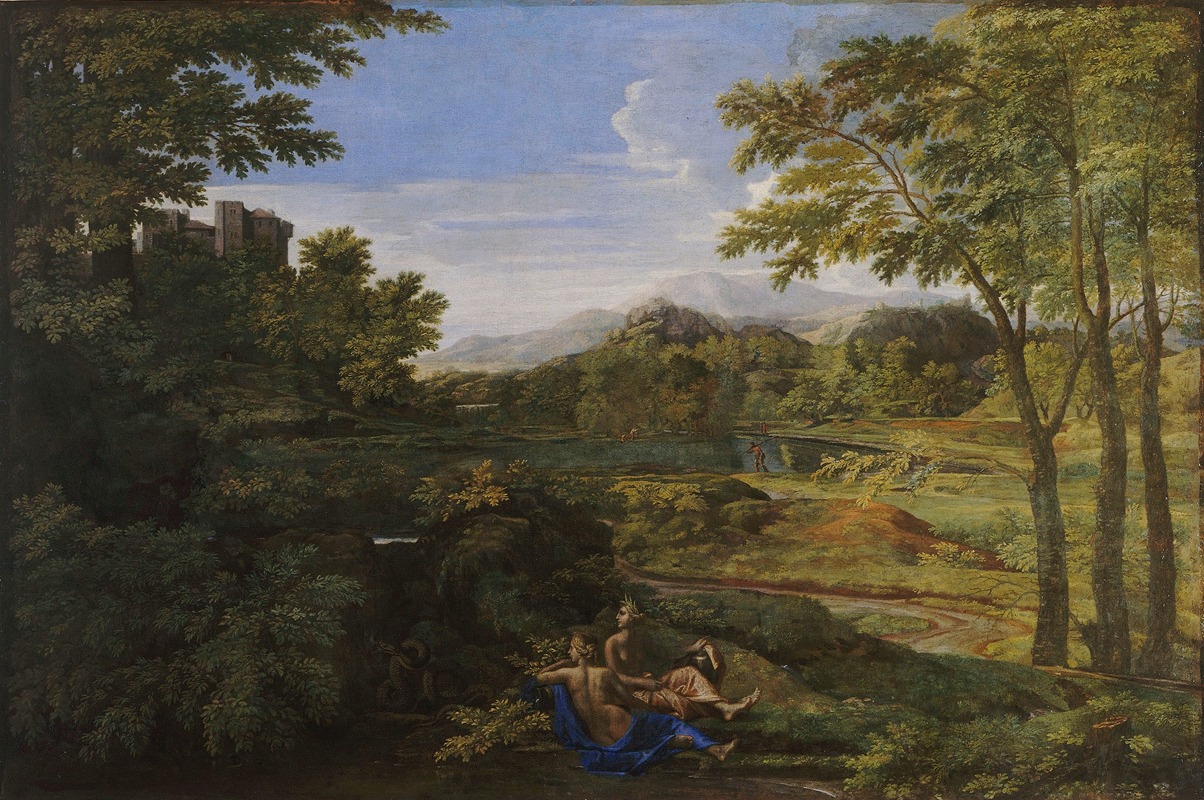
Paysage avec deux nymphes et un serpent
Nicolas Poussin
Paysage avec deux nymphes et un serpent
Nicolas Poussin
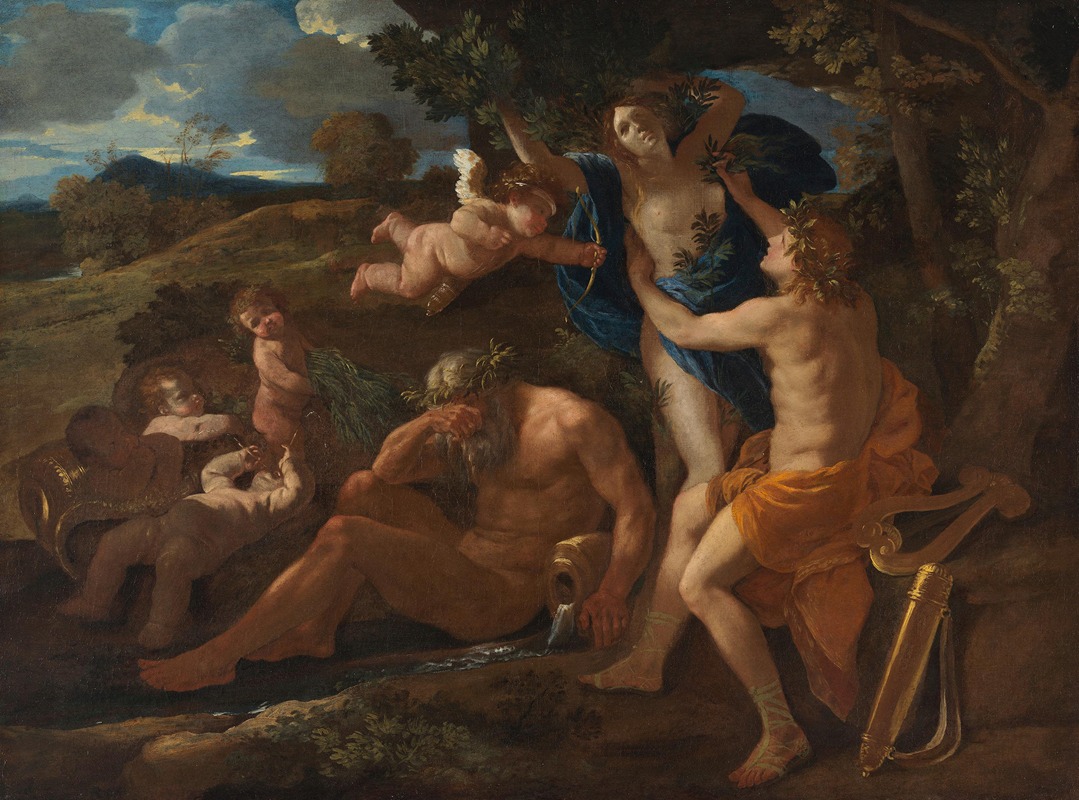
Apollo and Daphne
Nicolas Poussin
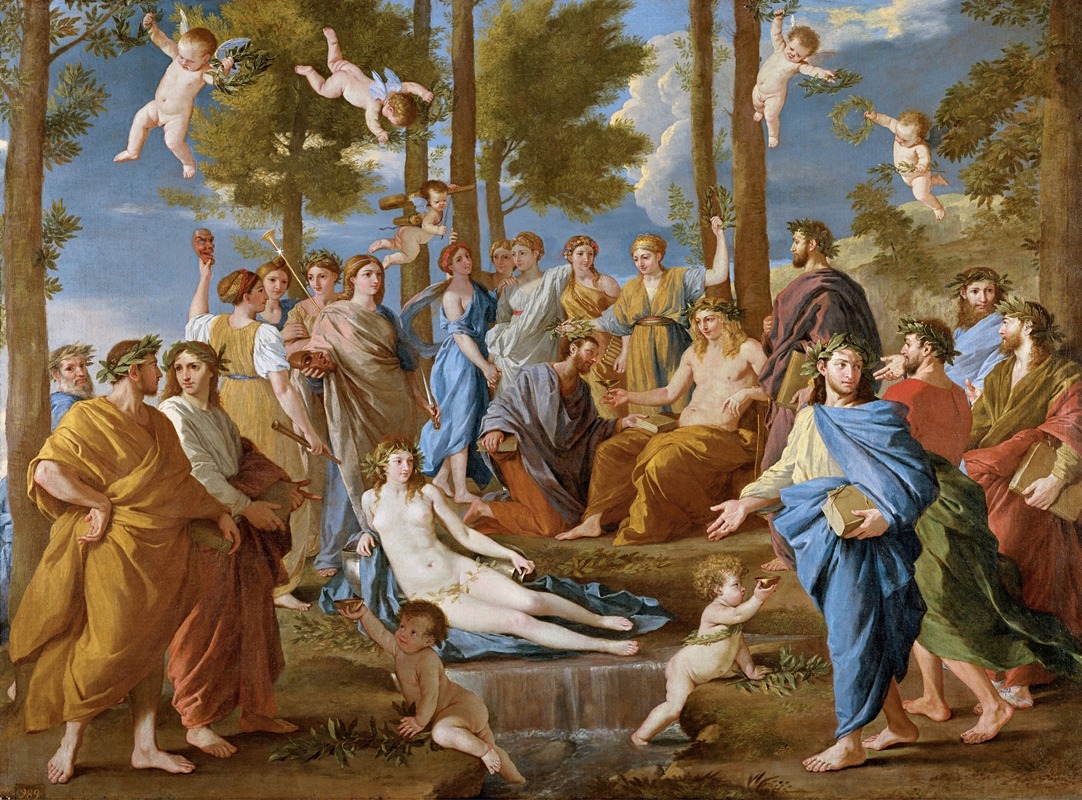
El Parnaso
Nicolas Poussin
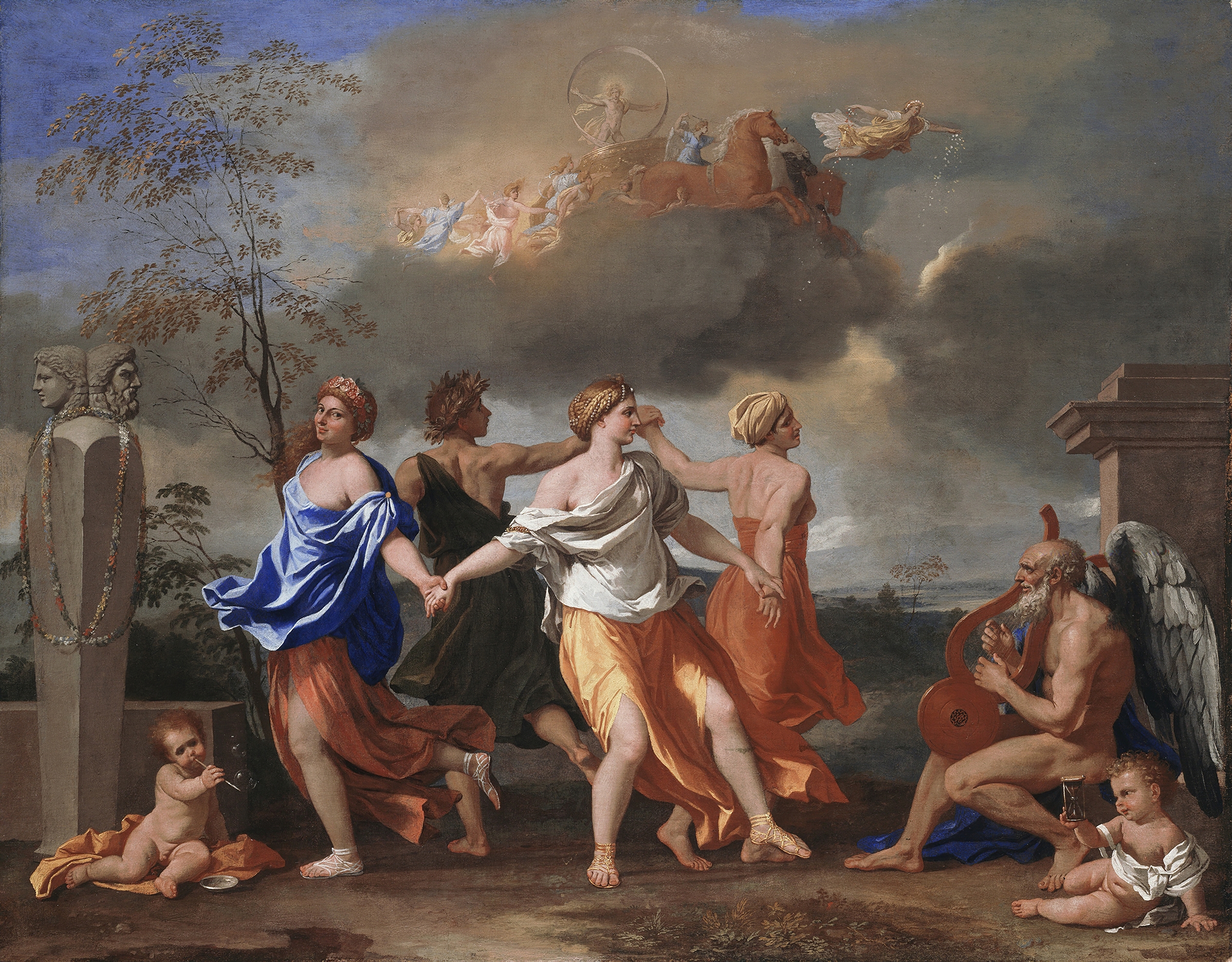
A Dance to the Music of Time
Nicolas Poussin
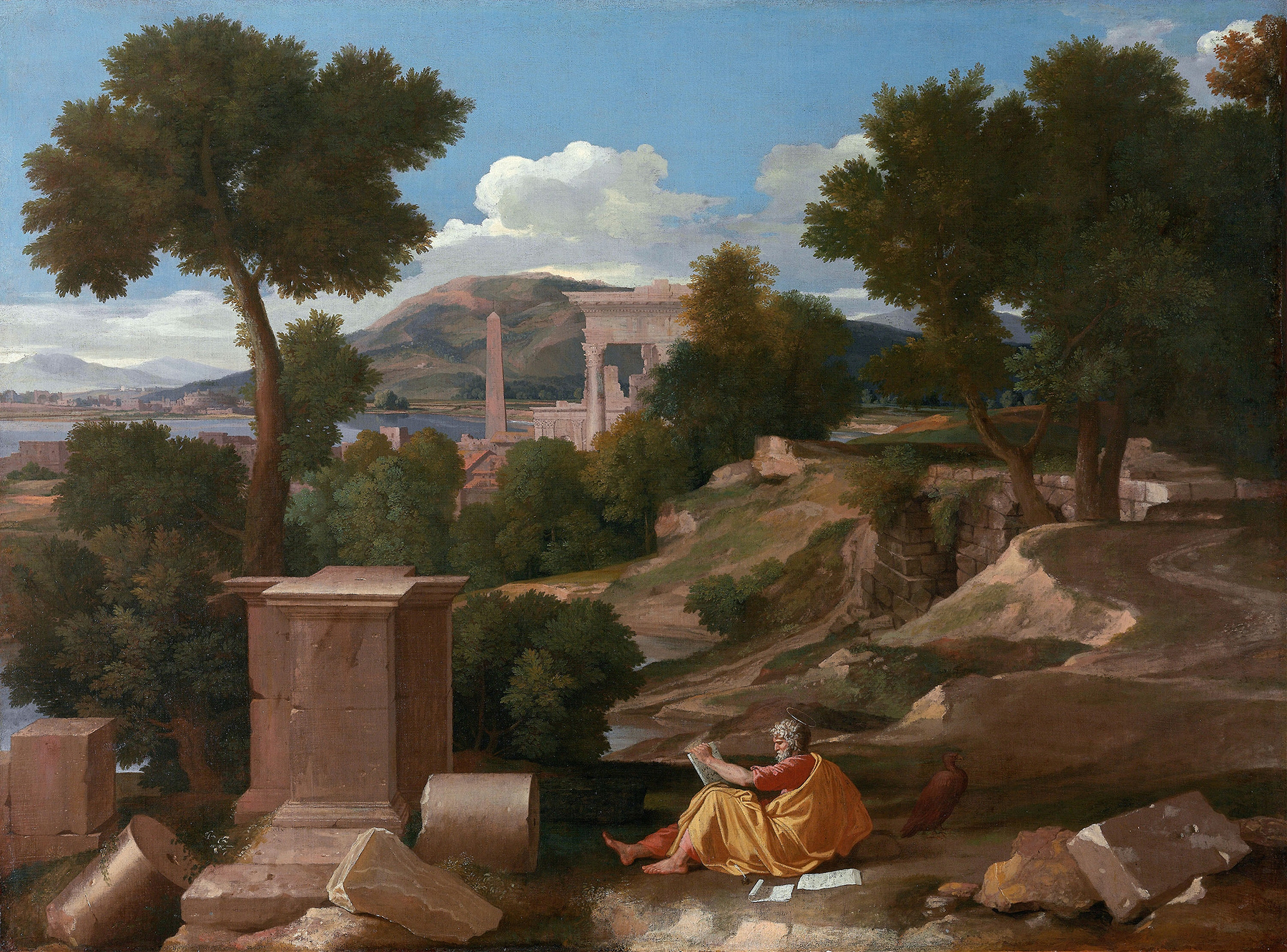
Landscape with Saint John on Patmos
Nicolas Poussin

Landscape with Saint John on Patmos
Nicolas Poussin
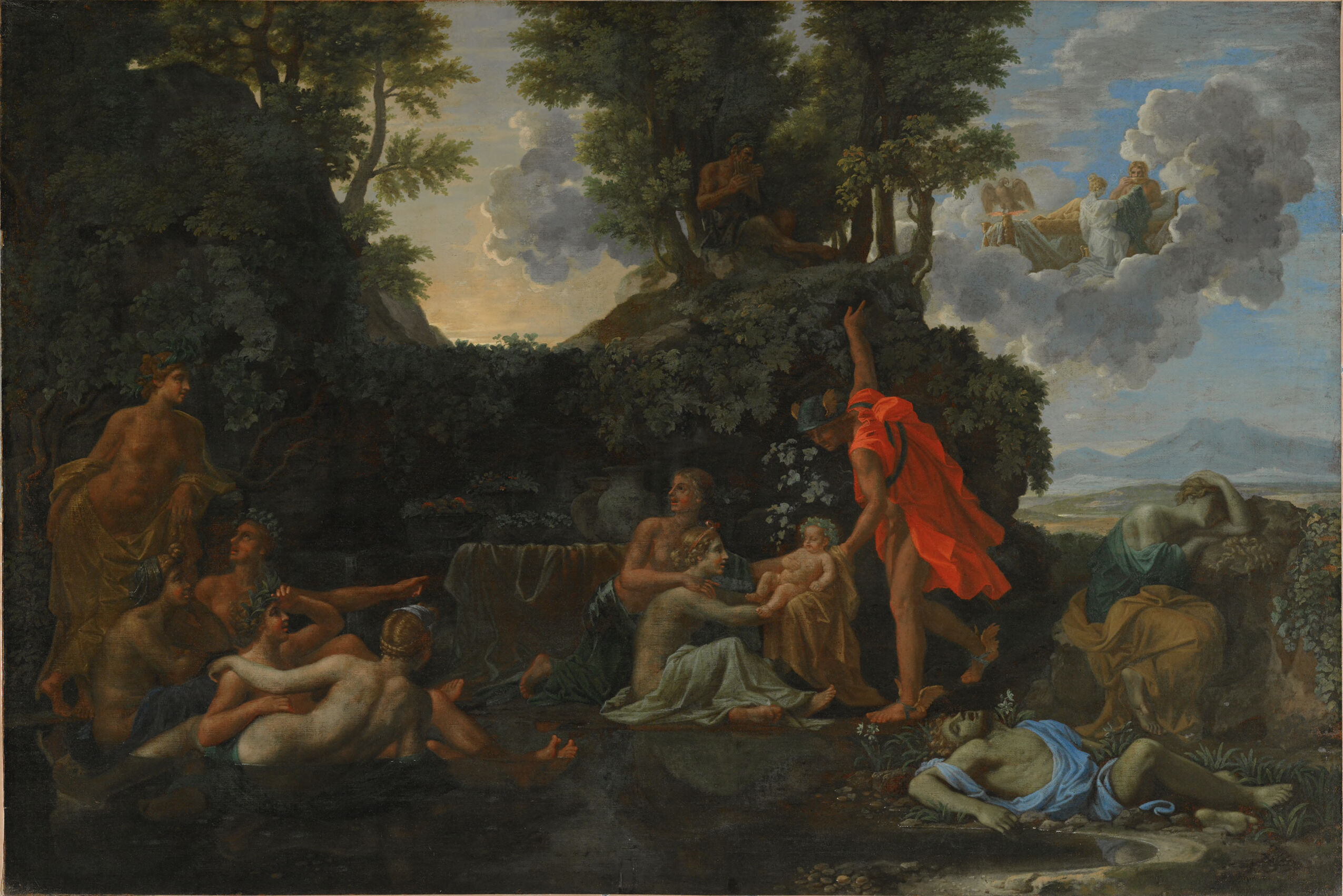
The Infant Bacchus Entrusted to the Nymphs of Nysa; The Death of Echo and Narcissus
Nicolas Poussin
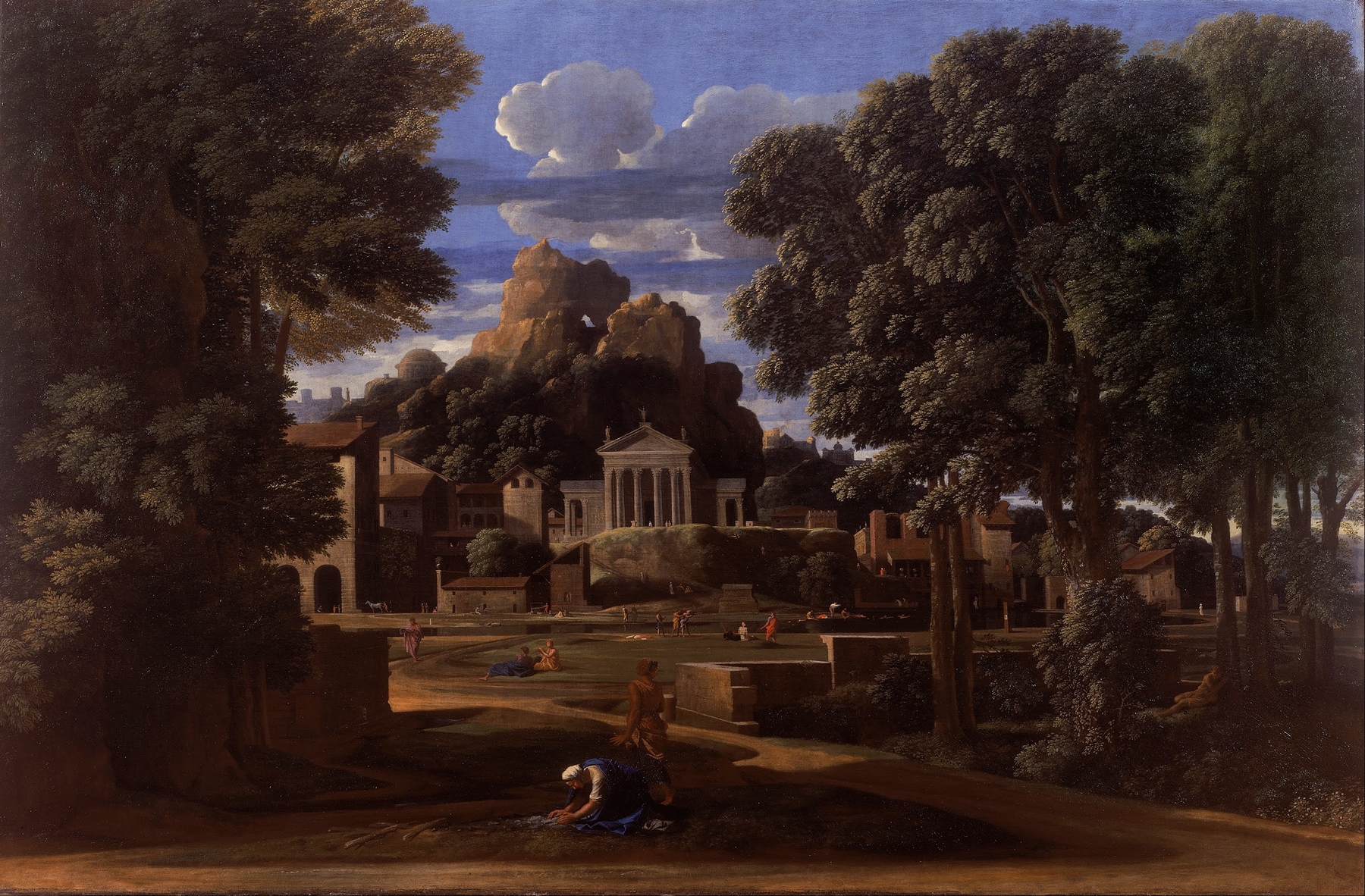
Landscape with the Ashes of Phocion
Nicolas Poussin