Oak. About Rogalin — History & Facts
Could beauty survive in a century of chaos? In Oak, the essence of nature’s resilience emerges, capturing a moment that transcends time and turmoil. Look to the center of the canvas, where an ancient oak tree stands majestic and unwavering, its gnarled branches stretching outward like arms embracing the sky. The artist's brushwork creates a textured interplay of greens, browns, and soft golden light that dances across the foliage, inviting the viewer to explore every intricate detail. Notice how the light filters through the leaves, casting dappled shadows that breathe life into the ground below, hinting at the quiet vibrancy of the forest floor. This artwork echoes the contrasts between strength and fragility, permanence and transience.
The oak, a symbol of endurance, stands resilient amidst an ephemeral world, while the gentle brush strokes convey a sense of movement, suggesting a fleeting moment that may never recur. The subtle interplay of light and shadow captures an illusion of depth, evoking a sense of mystery that encourages contemplation about the passage of time and the enduring spirit of nature. In 1926, during a period marked by the interwar turmoil in Europe, the artist created this piece in Poland. It was a time of reflection, as artists sought to reconnect with their roots in the face of modernity and disarray.
This painting encapsulates not only the personal response of Wyczółkowski to his surroundings but also a broader artistic movement that yearned for permanence amid chaos.
More Artworks by Leon Wyczółkowski
Browse all →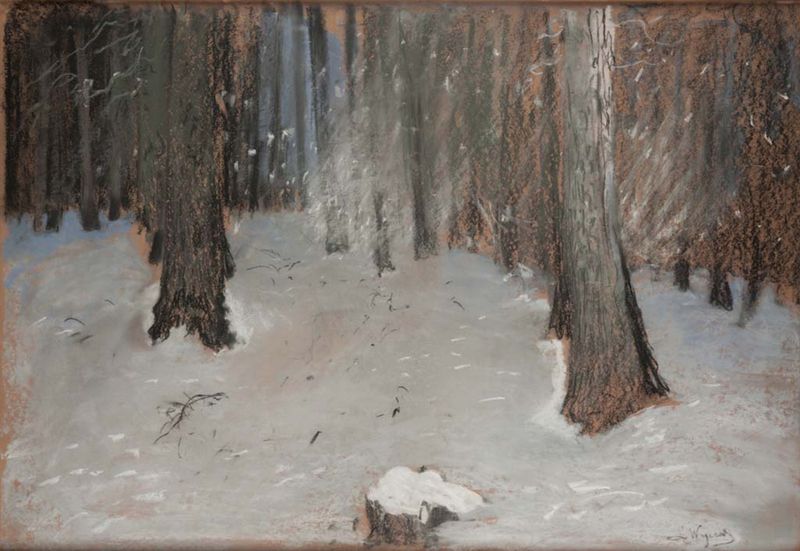
Las zimą
Leon Wyczółkowski
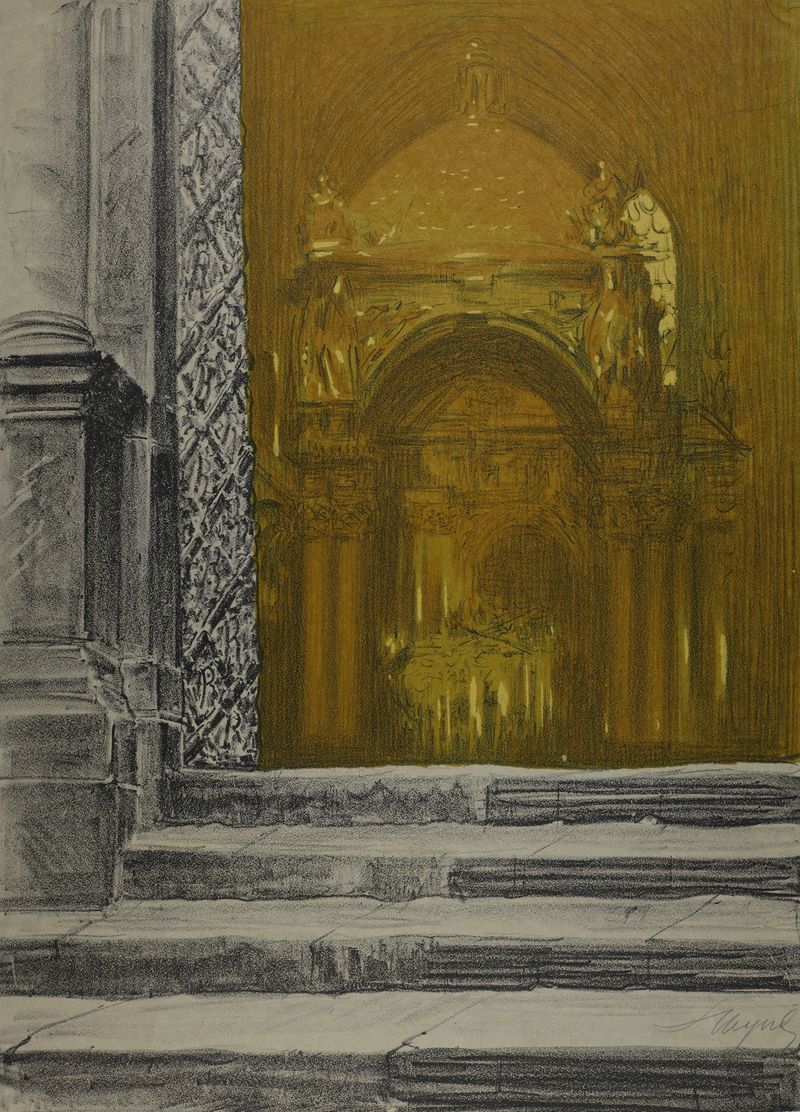
Saint Stanislaus
Leon Wyczółkowski
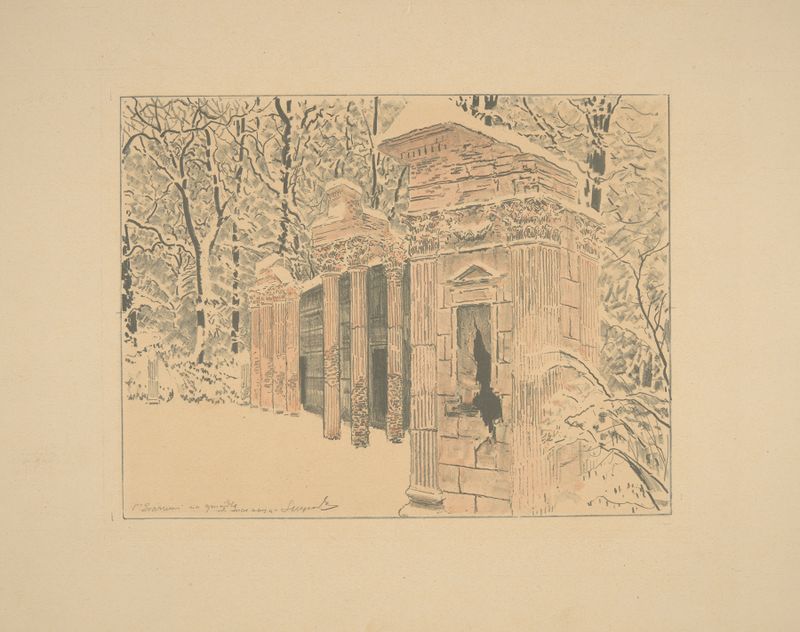
Amfiteatr w Łazienkach pod śniegiem (strona prawa)
Leon Wyczółkowski
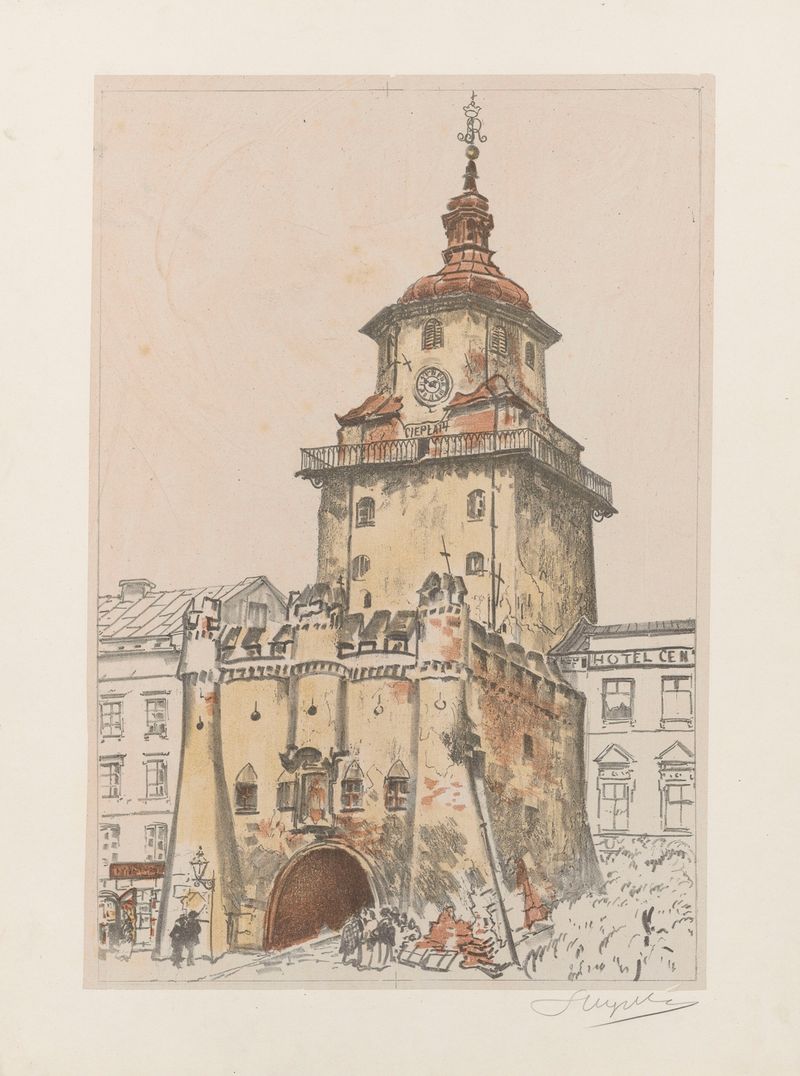
The Krakow Gate in Lublin, in summer
Leon Wyczółkowski
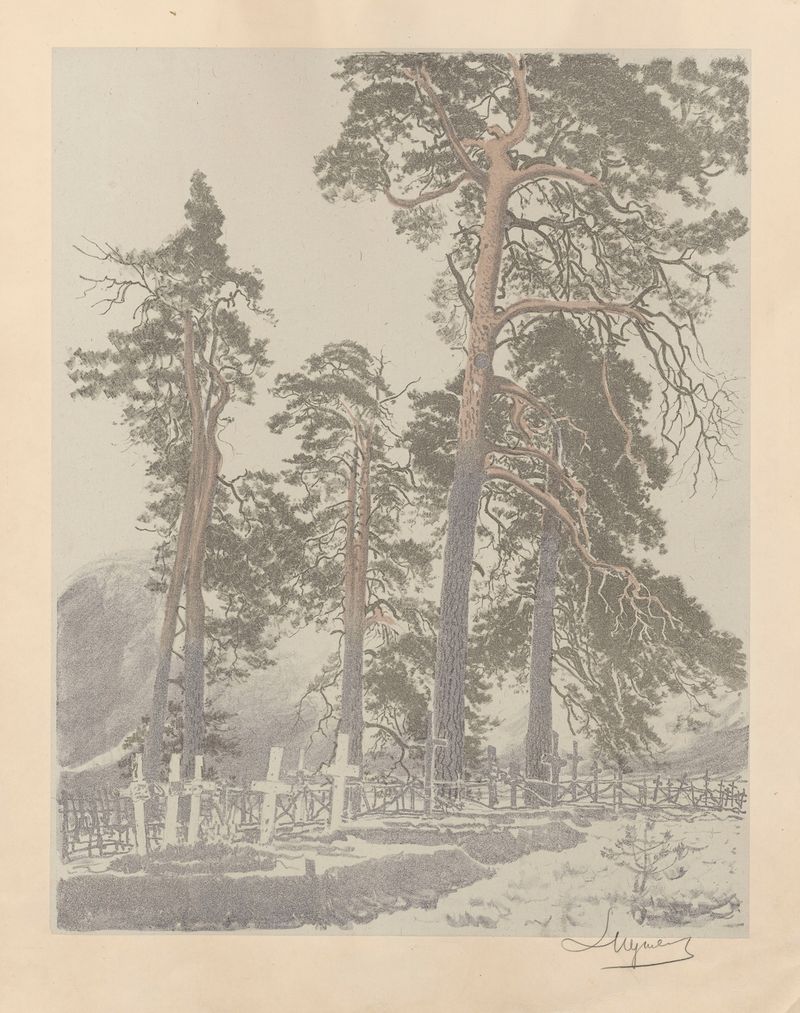
Cemetery in Vowchick
Leon Wyczółkowski
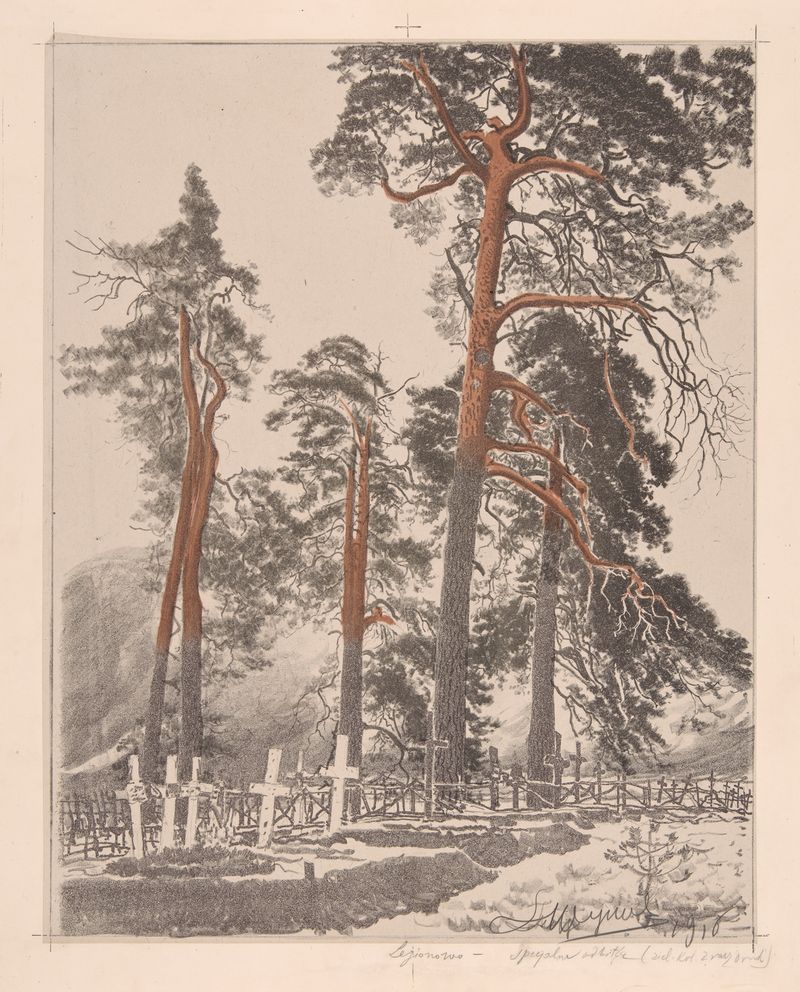
The Wołczecko cemetery
Leon Wyczółkowski
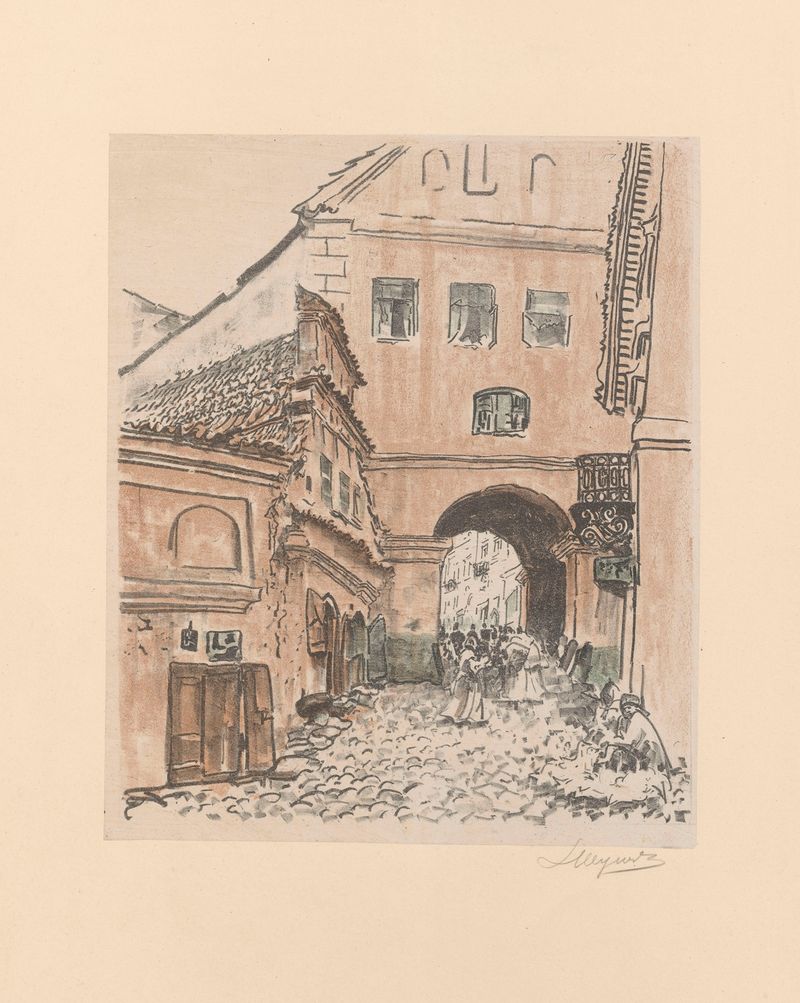
Grodzka Gate
Leon Wyczółkowski
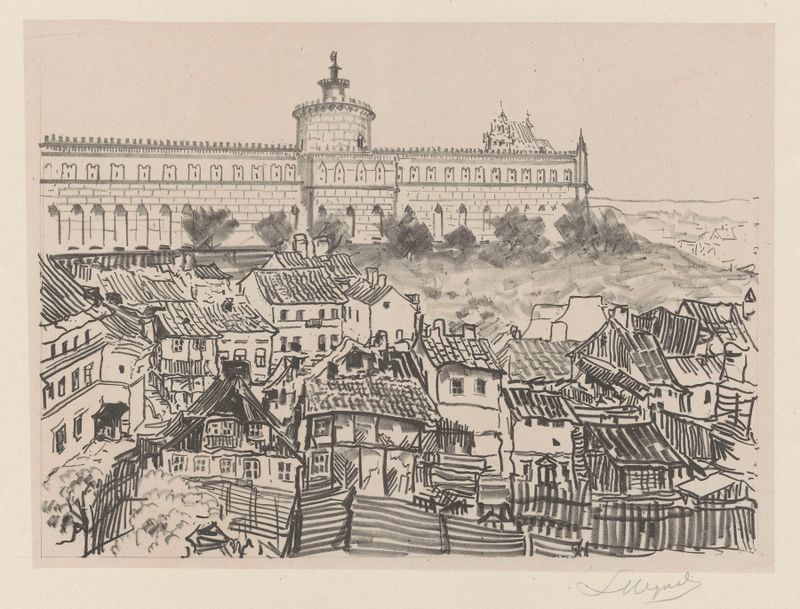
Castle and the Jewish quarter
Leon Wyczółkowski
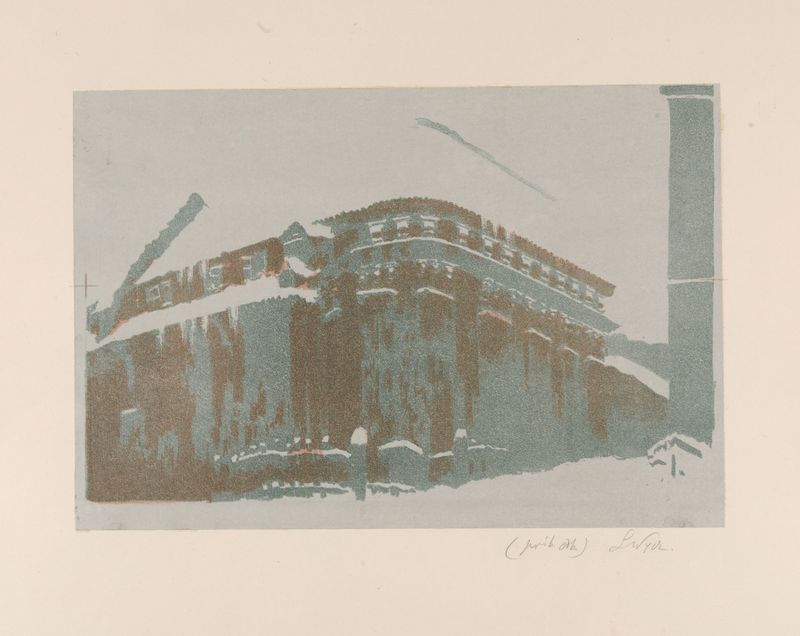
Church of St. Wojciech (in winter)
Leon Wyczółkowski
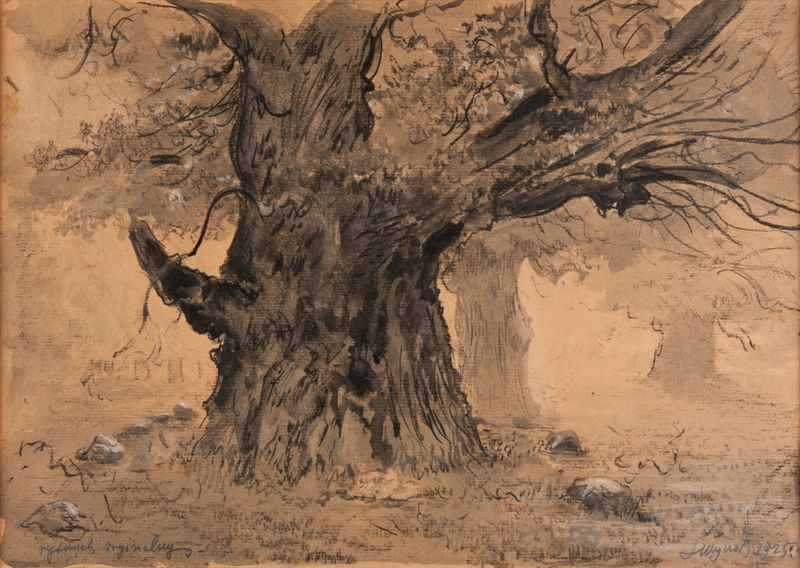
Rogalin Oaks
Leon Wyczółkowski