
Off Iceberg, Newfoundland — History & Facts
Could a single brushstroke hold eternity? In Off Iceberg, Newfoundland, the vast expanse of ice and ocean invites contemplation of solitude and the insignificance of man against nature’s grandeur. Look to the center where a massive, crystalline iceberg rises majestically from the deep blue sea, its form a testament to both beauty and isolation. Notice how the light dances across its jagged surfaces, illuminating shades of turquoise and white that shimmer against the dark waters. The sky overhead, painted in soft pastels of dawn, casts a gentle glow, imbuing the scene with a sense of quiet anticipation.
This interplay of light and shadow draws the viewer's gaze into a space that feels both expansive and confining, evoking the loneliness inherent in vast, empty landscapes. Delve deeper into the painting, and you’ll uncover a striking contrast: the iceberg, a symbol of nature's immensity, stands starkly apart from the tiny, distant figure of a ship barely visible in the foreground. This juxtaposition speaks volumes about human existence—the fragility of life amidst the merciless forces of nature. The ship, almost lost in the icy expanse, becomes an embodiment of isolation, inviting questions about purpose and the pursuit of adventure in a seemingly indifferent world. In 1859, the artist was enthralled by the Romantic movement, focusing on nature as a powerful and sublime force.
Created during a period of personal and artistic exploration, this work reflects Church's fascination with the Arctic landscapes he had studied through sketches and literature. As industrialization began to alter the world, he captured an untouched moment in time, reminding viewers of nature’s beauty and its overwhelming solitude.
More Artworks by Frederic Edwin Church
Browse all →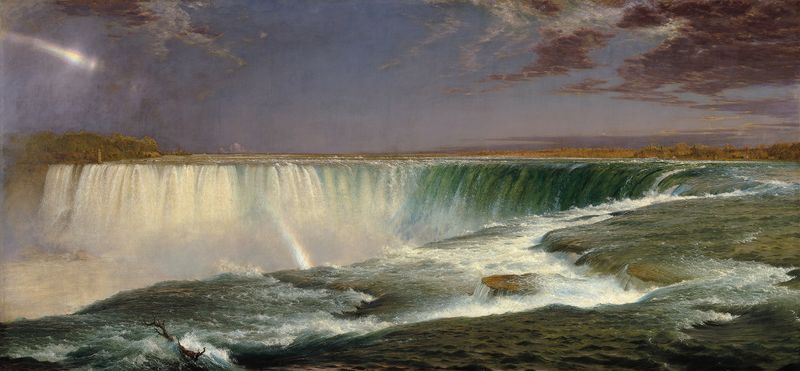
Niagara
Frederic Edwin Church
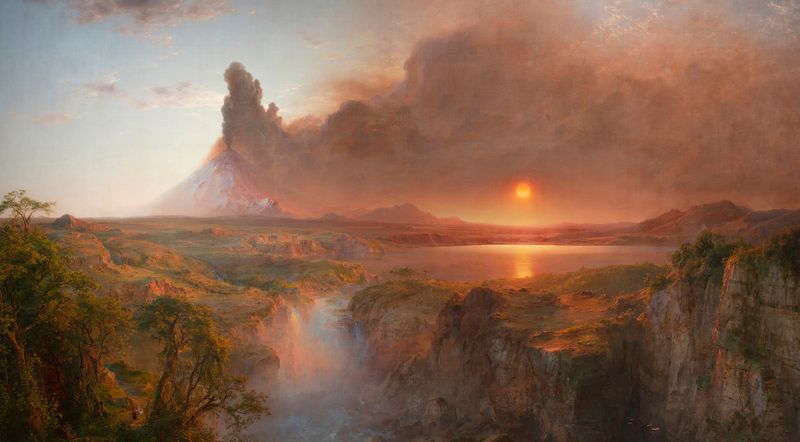
Cotopaxi
Frederic Edwin Church
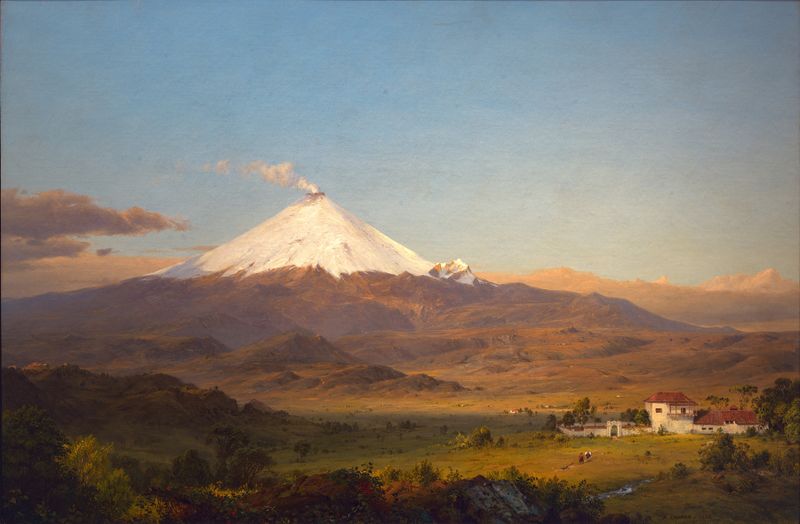
Cotopaxi
Frederic Edwin Church
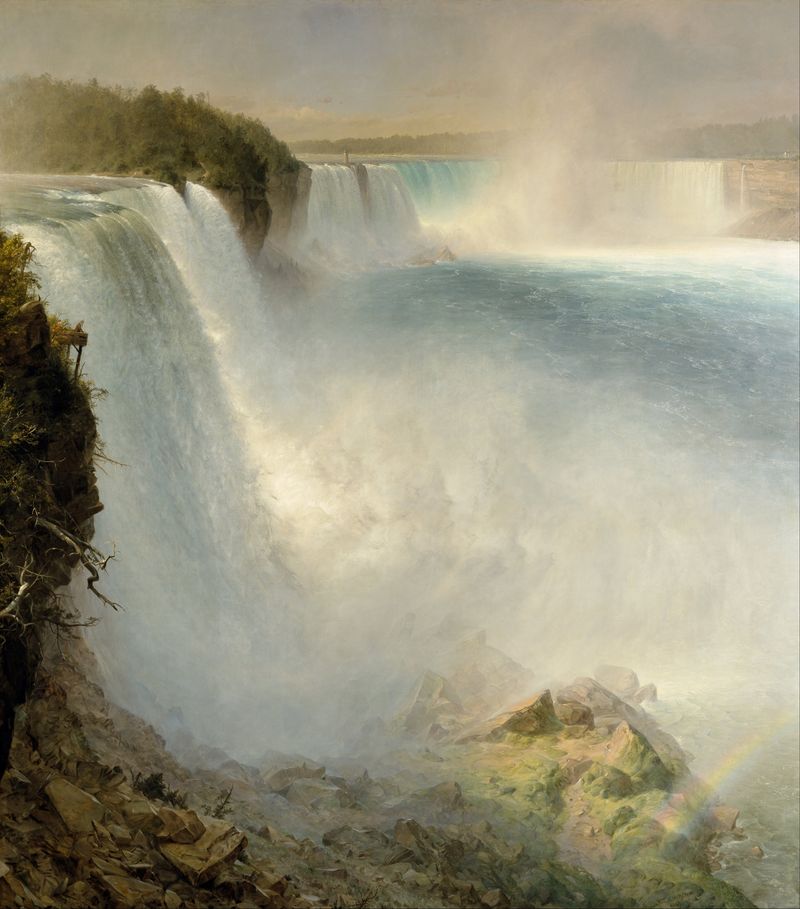
Niagara Falls, from the American Side
Frederic Edwin Church
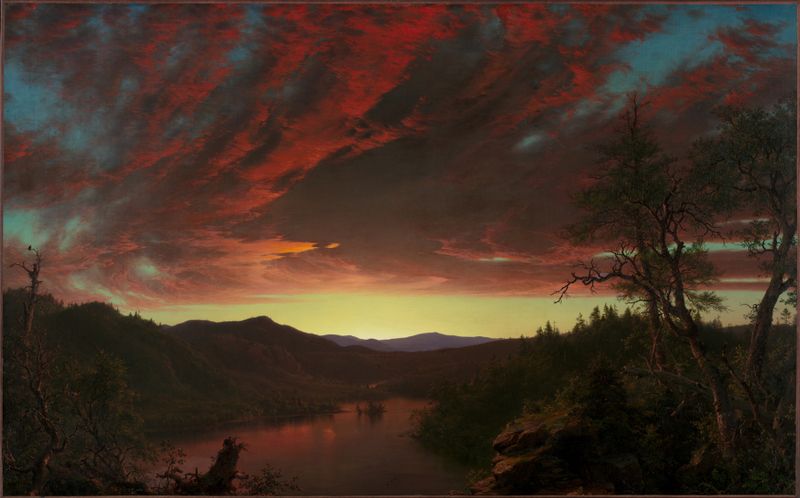
Twilight in the Wilderness
Frederic Edwin Church
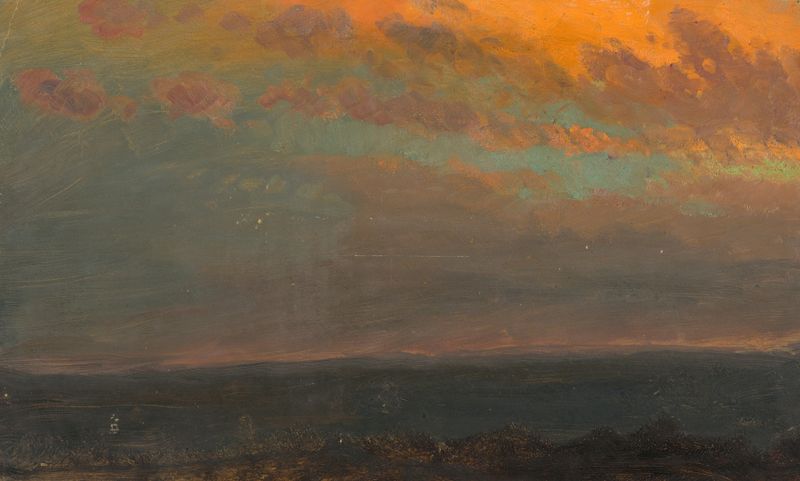
Hudson Valley at Sunset
Frederic Edwin Church
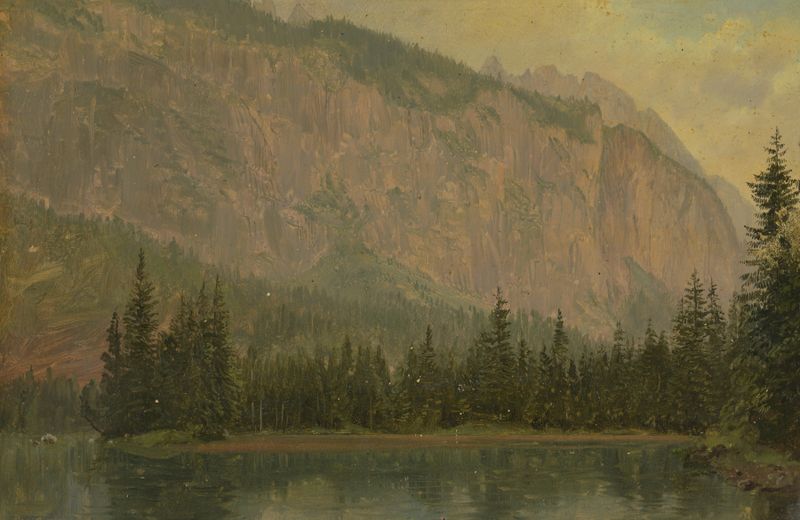
The Hintersee, near Berchtesgaden, Bavaria
Frederic Edwin Church
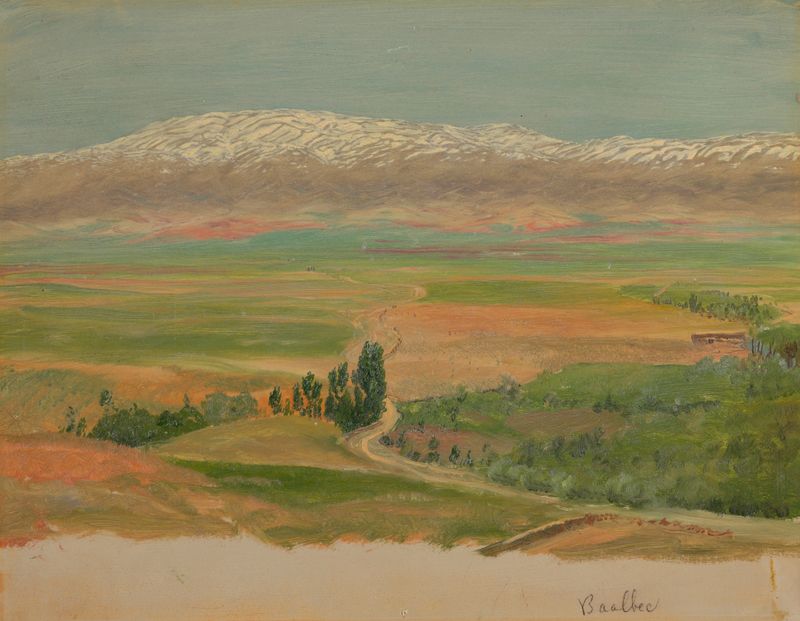
Mountains near Baalbec
Frederic Edwin Church
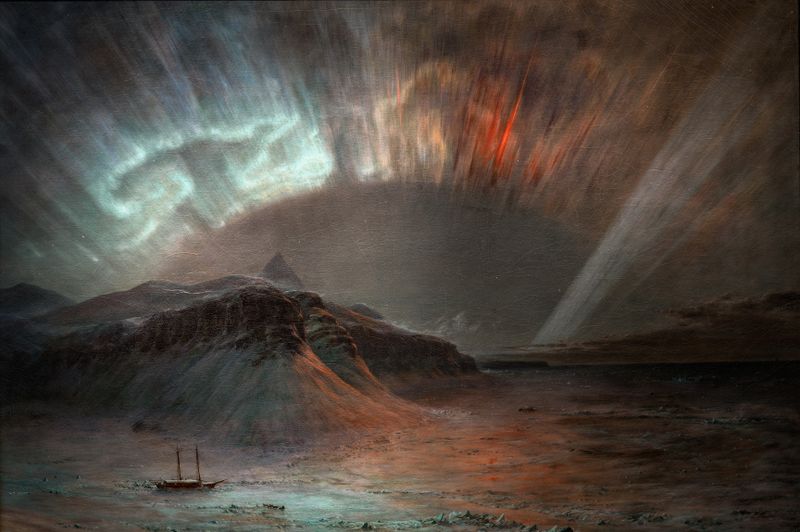
Aurora Borealis
Frederic Edwin Church
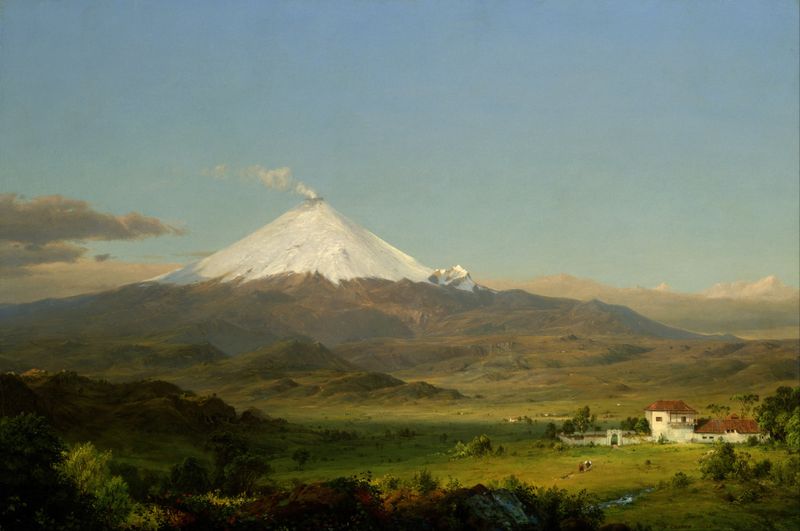
Cotopaxi
Frederic Edwin Church





