Old Marble Hall — History & Facts
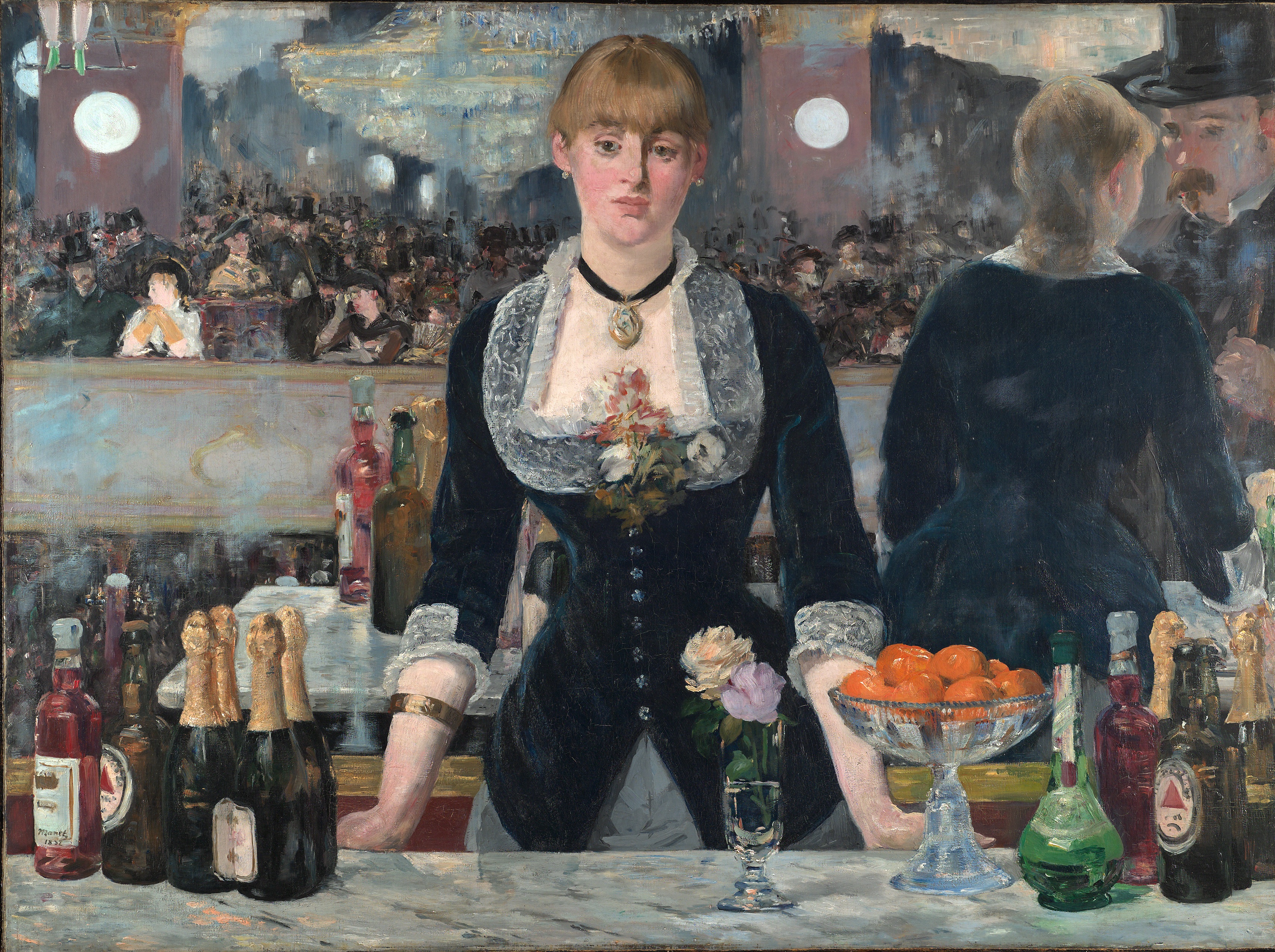
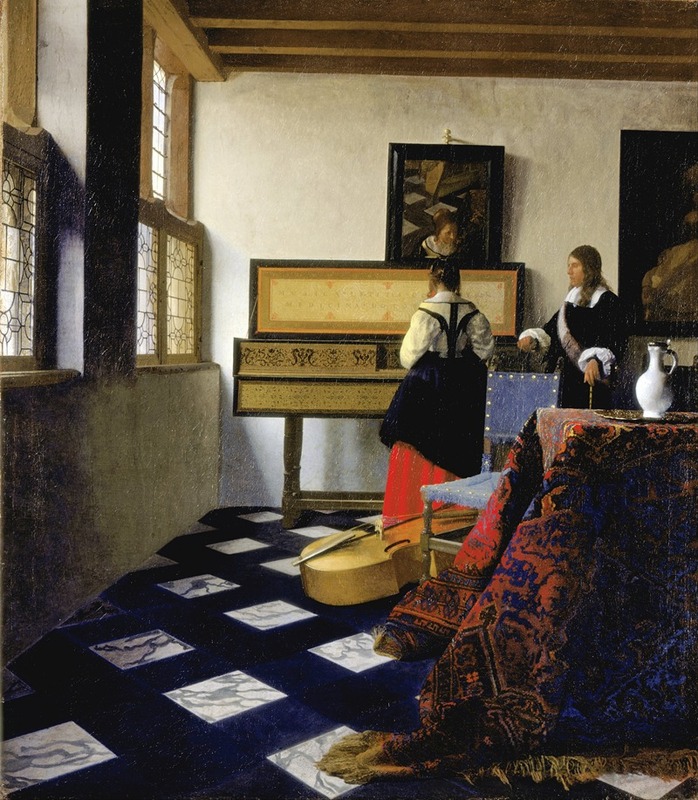
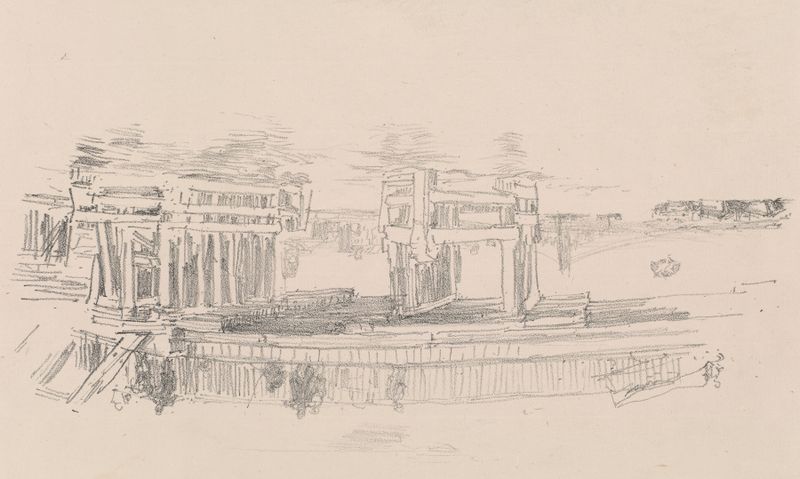
In the quietude of an old hall, beauty emerges not just from the grand architecture, but from the whispers of forgotten stories etched in time. The stillness evokes an ache for what was, offering a glimpse into the past while challenging the present. Look to the left, where the soft play of light gently illuminates the intricate details of the marble columns, casting delicate shadows that dance across the floor. Notice how the muted palette invites serenity; the grays and whites of the stone harmonize with the subtle hints of color that breathe life into the space.
The composition draws your gaze upward, inviting contemplation of the expansive ceiling, while the elegantly arranged furnishings—a testament to both decay and elegance—frame the scene with an inviting yet melancholic embrace. Within this stillness lies an emotional tension, reflecting both the grandeur of the past and the inevitability of time's passage. The interplay of light and shadow suggests a dialogue between memory and oblivion, where each detail—the worn surfaces, the soft textures—tells a story of beauty caught in a moment of reflection. Here, the hall serves as a silent witness to the layers of existence, evoking nostalgia and a longing for connection to what once was. In 1915, Whistler found himself in a period of personal introspection while living in the United States, reflecting on the legacy of beauty in art amidst a changing world.
The tumult of the early 20th century influenced many artists, yet he sought solace in spaces like this one, transforming his observations into works that continue to resonate with viewers today. This piece embodies his mastery of light and atmosphere, capturing the essence of beauty against the backdrop of time.
More Artworks by James Abbott McNeill Whistler
Browse all →
Nocturne in Blue and Silver
James Abbott McNeill Whistler
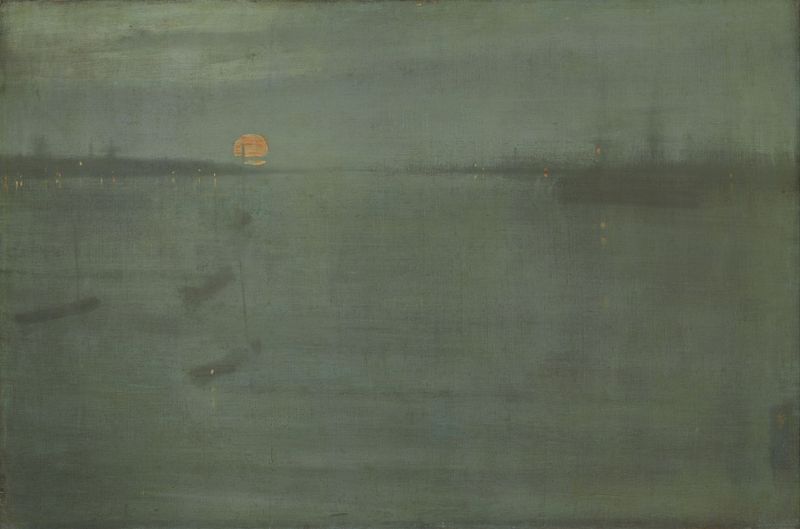
Nocturne: Blue and Gold–Southampton Water
James Abbott McNeill Whistler
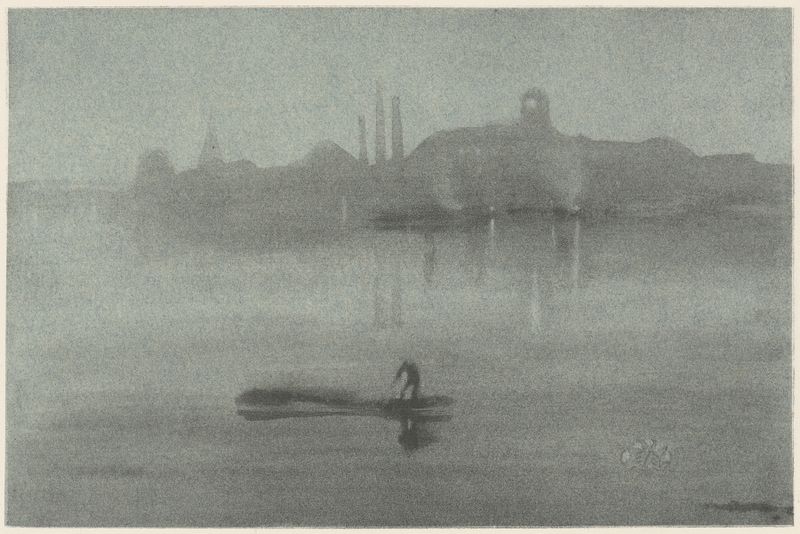
Nocturne
James Abbott McNeill Whistler
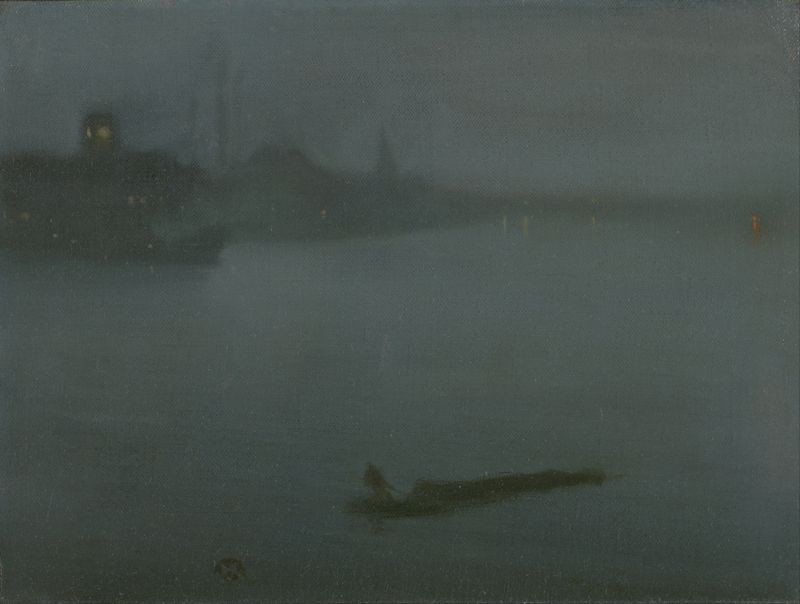
Nocturne in Blue and Silver
James Abbott McNeill Whistler
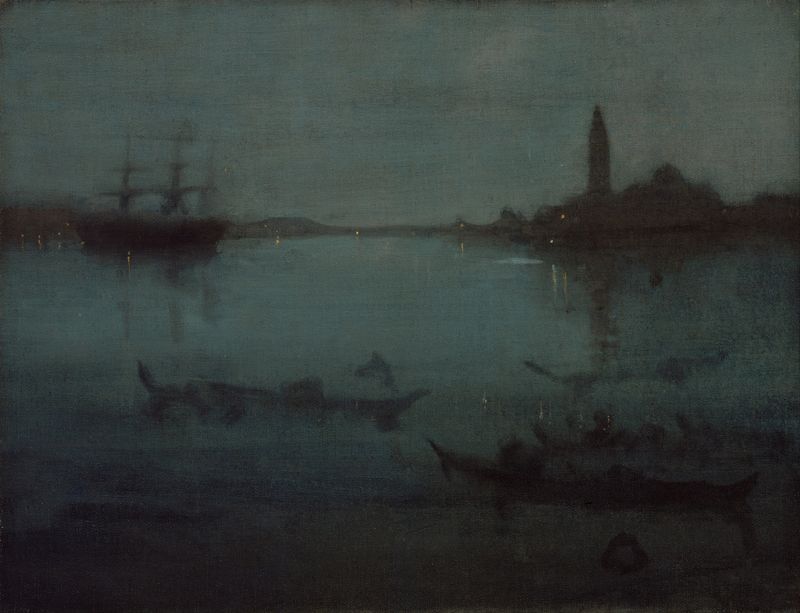
Nocturne in Blue and Silver- The Lagoon, Venice
James Abbott McNeill Whistler
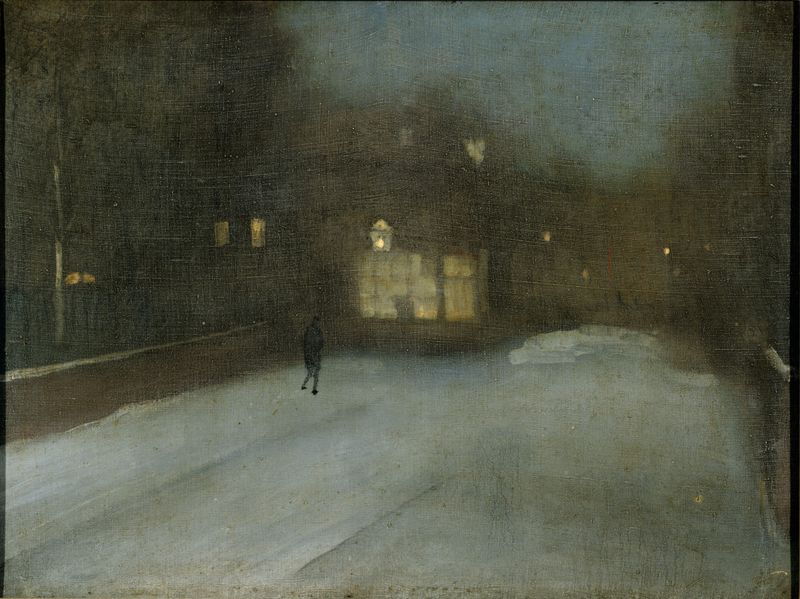
Nocturne in Grey and Gold: Chelsea Snow
James Abbott McNeill Whistler
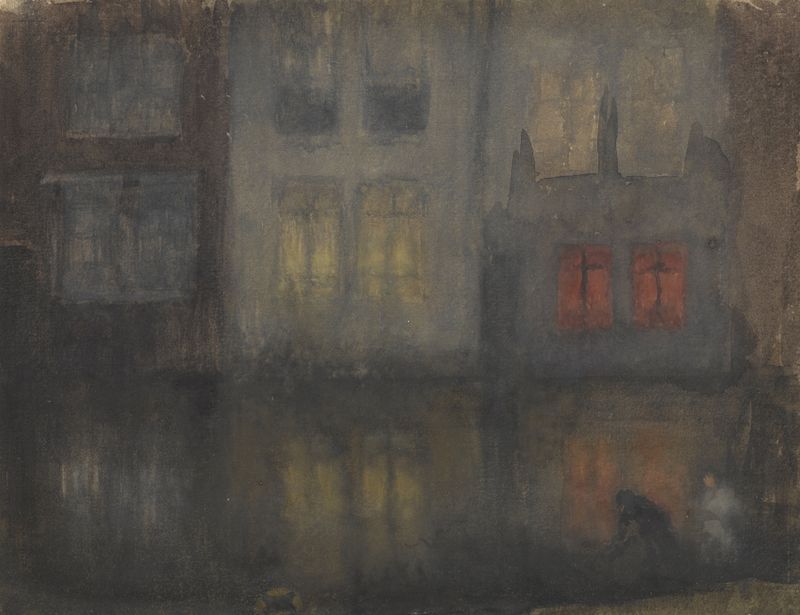
Nocturne: Black and Red—Back Canal, Holland
James Abbott McNeill Whistler
Old Battersea Bridge
James Abbott McNeill Whistler

Nocturne: Blue and Silver–Battersea Reach
James Abbott McNeill Whistler
Grey and Silver–Pier, Southend
James Abbott McNeill Whistler