
Old Scarborough — History & Facts
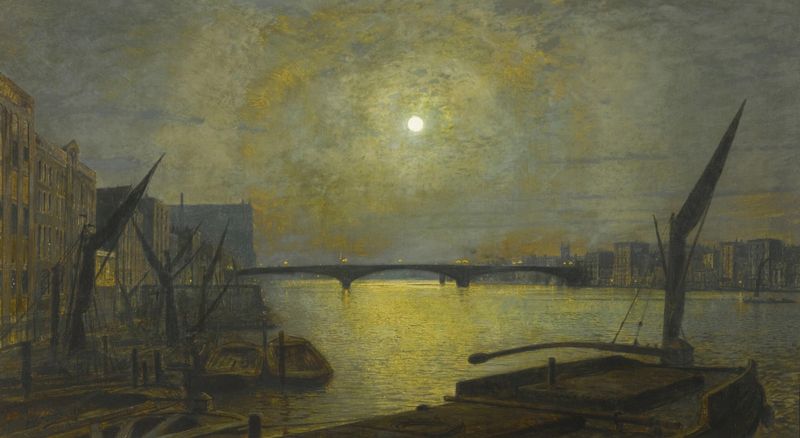
When did color learn to lie? In the hands of a master, decay transforms into beauty, revealing the delicate dance between vibrancy and the inevitable passage of time. Look to the foreground where a weathered stone wall stands sentinel against the encroaching twilight. Grimshaw’s brush captures the subtle interplay of muted browns and greens, each stroke imbued with an emotional resonance that speaks of stories long past. Notice how the fading luminescence of the sky casts a gentle glow upon the old architecture, emphasizing the textures of age and neglect, inviting the viewer to ponder the lives once lived within those walls. In the middle ground, the shadows deepen, suggesting a haunting silence that permeates the scene.
The fading light hints at the marginalization of memory, while the forgotten figures of the past linger like echoes, their presence almost palpable. The contrast between the lively hues of the sky and the somber tones of the structures evokes a sense of nostalgia, touching upon the theme of decay not just in buildings, but in the very fabric of existence. This poignant juxtaposition stirs emotions, provoking reflection on what endures versus what perishes. In 1882, John Atkinson Grimshaw was firmly entrenched in his career, celebrated for his atmospheric depictions of urban life.
Living in Leeds, he often painted scenes that captured the interplay of light and shadow, and during this period he was increasingly drawn to the evocative beauty of twilight. The Industrial Revolution loomed in the background, shaping the world around him, and his work often reflected a longing for the past amidst rapid change.
More Artworks by John Atkinson Grimshaw
Browse all →
Under the Silvery Moonbeams
John Atkinson Grimshaw
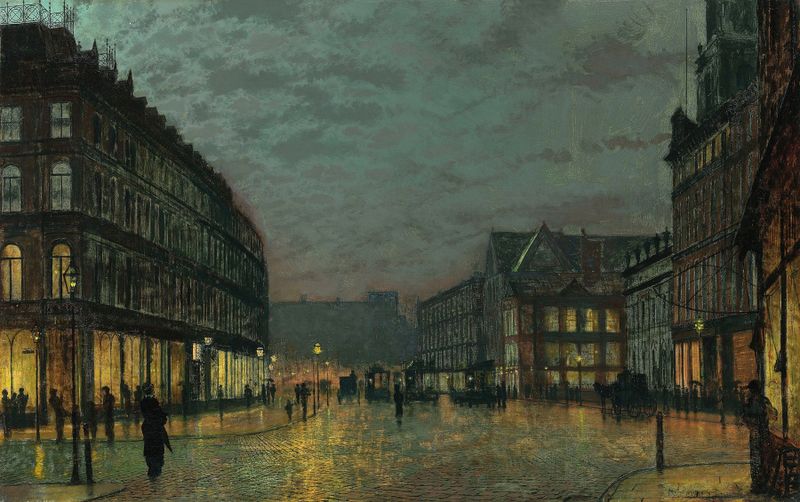
Boar Lane, Leeds by lamplight
John Atkinson Grimshaw
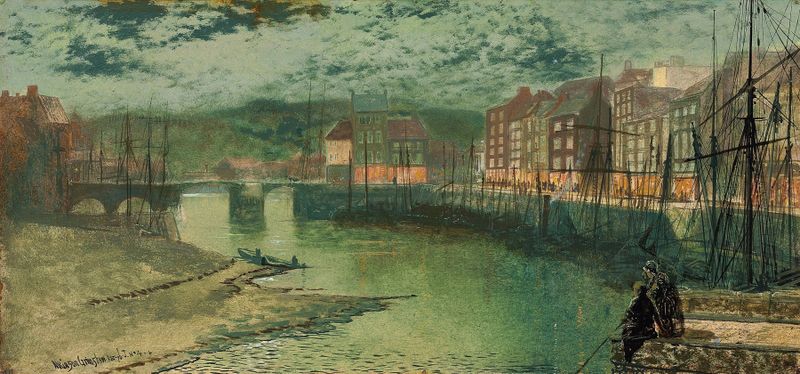
Whitby docks
John Atkinson Grimshaw

Old Chelsea
John Atkinson Grimshaw

Late October
John Atkinson Grimshaw
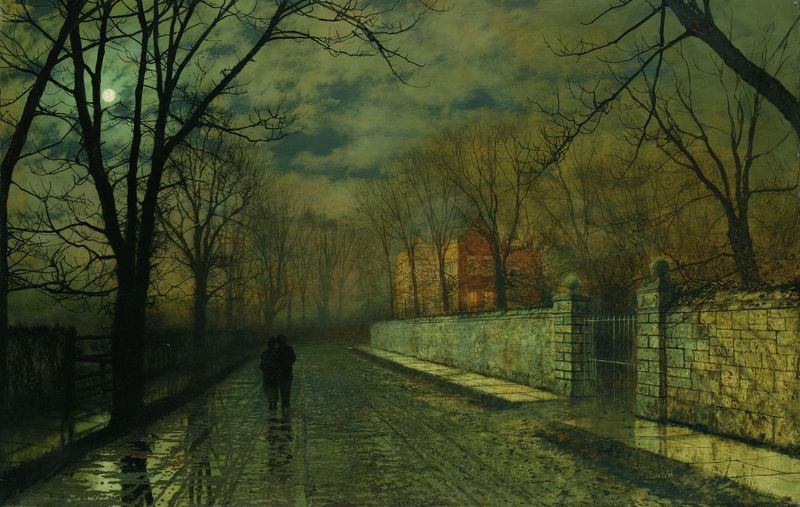
Figures In A Moonlit Lane After Rain
John Atkinson Grimshaw

Liverpool Lights
John Atkinson Grimshaw
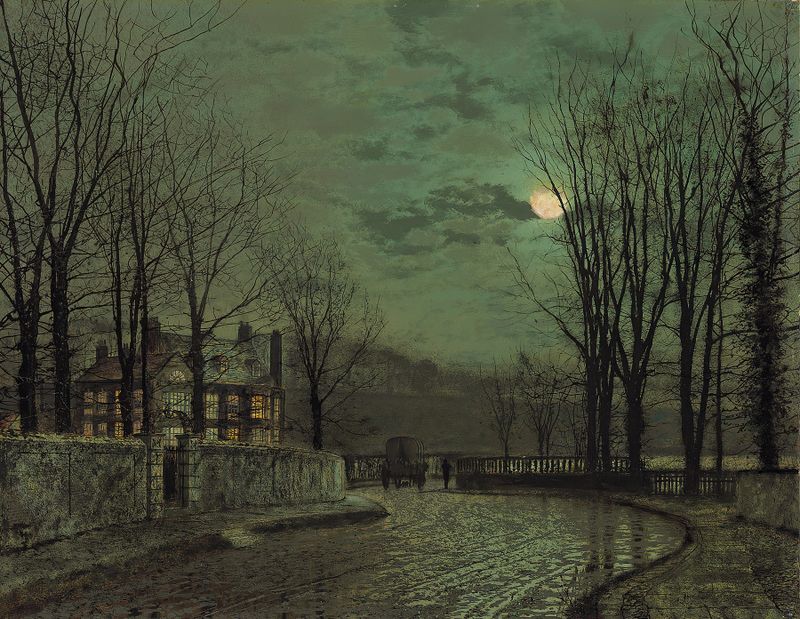
November Moonlight
John Atkinson Grimshaw
Southwark Bridge from Blackfriars by Moonlight
John Atkinson Grimshaw

Whitby From Scotch Head, Moonlight On The Esk
John Atkinson Grimshaw





