Oleanders — History & Facts
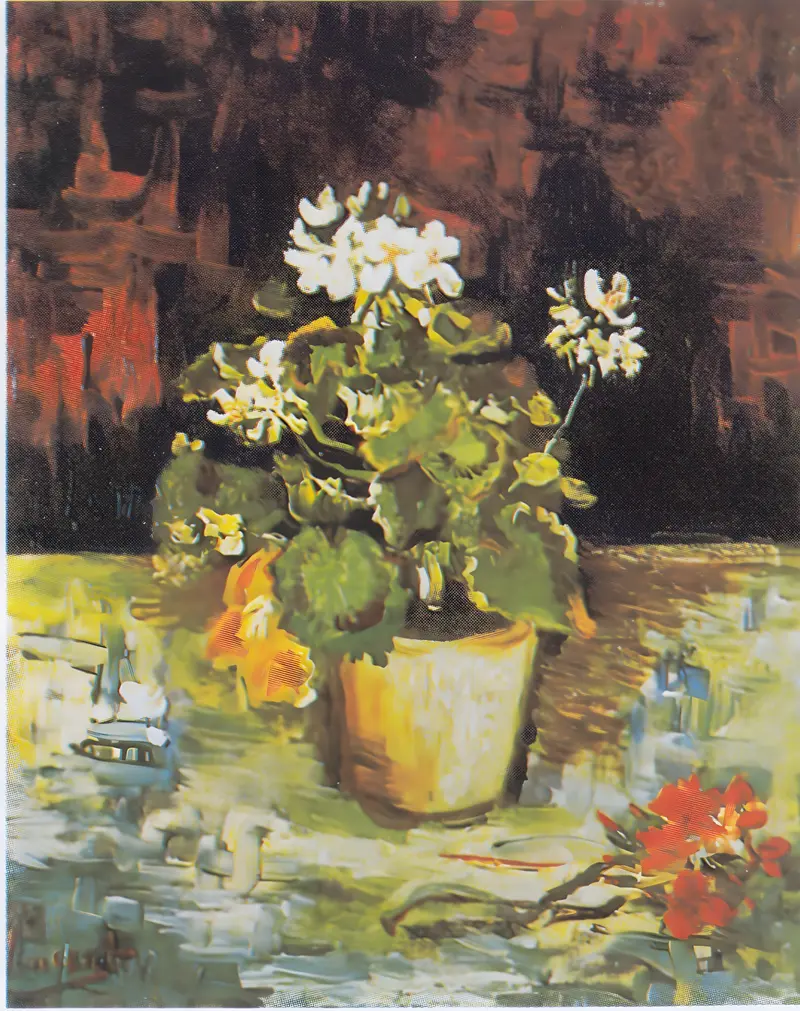
In Oleanders, Vincent van Gogh captures a vibrant display of flowers with rich, saturated colors. The oleanders are depicted in various shades of pink and white, set against a lush green background. The brushwork is dynamic, creating a sense of movement among the petals.
This lively composition invites the viewer into a world of natural beauty. The painting is executed in oil on canvas, a medium that allows for the vivid colors and textures seen in the work. Van Gogh's characteristic brushstrokes are evident, with thick applications of paint that create depth. The dimensions are approximately 60 x 80 cm, making it a substantial piece.
The use of color and form is typical of Post-Impressionism, showcasing Van Gogh's unique style. Oleanders was created during Van Gogh's time in Arles, France, where he sought to capture the beauty of the local flora. This period was marked by his exploration of color and light, leading to some of his most famous works. An interesting fact about this painting is that oleanders are often associated with both beauty and danger, as they are toxic if ingested.
This duality reflects Van Gogh's complex relationship with nature and life.
More Artworks by Vincent van Gogh

The Starry Night
Vincent van Gogh
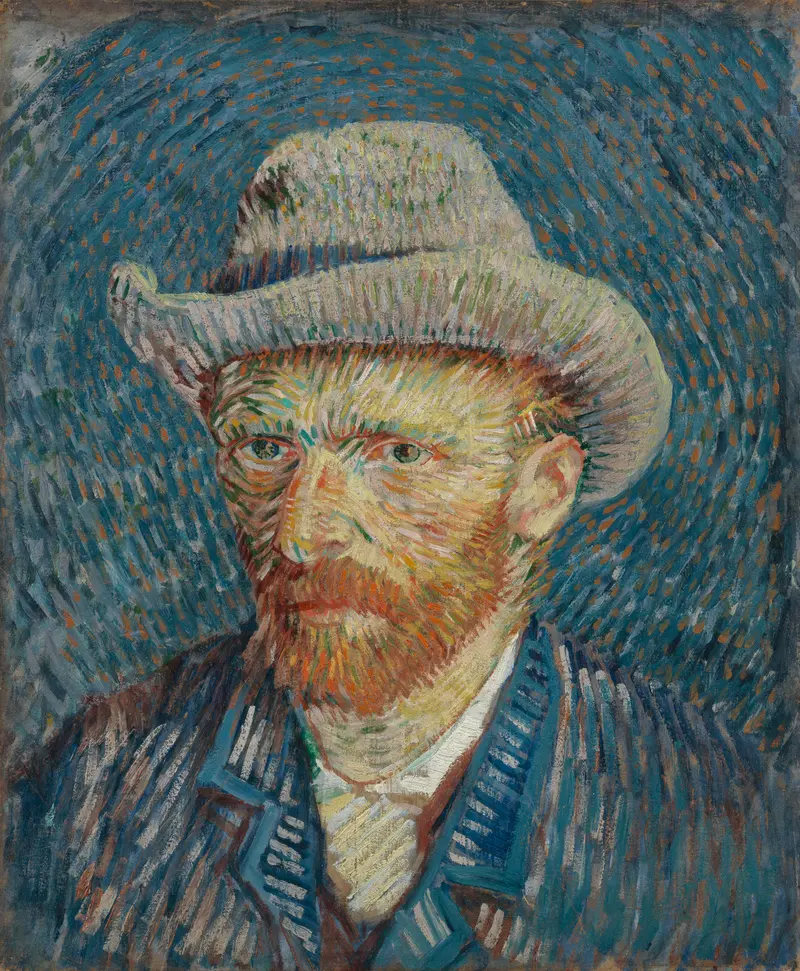
Self-Portrait with Grey Felt Hat
Vincent van Gogh
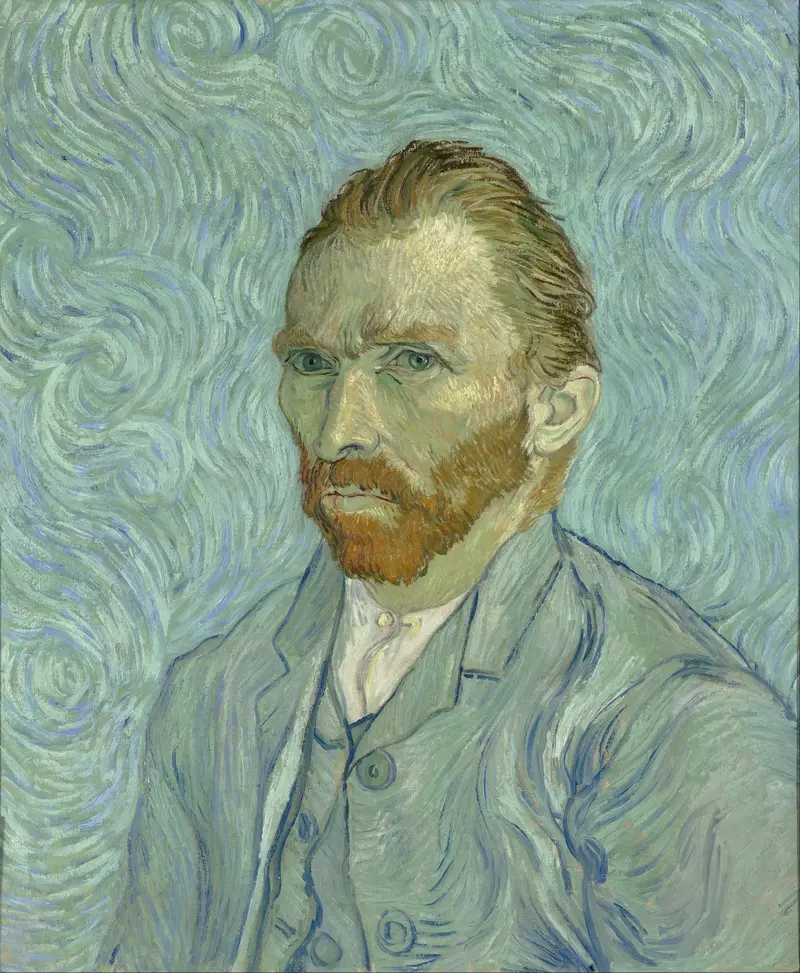
Self-Portrait (1889)
Vincent van Gogh
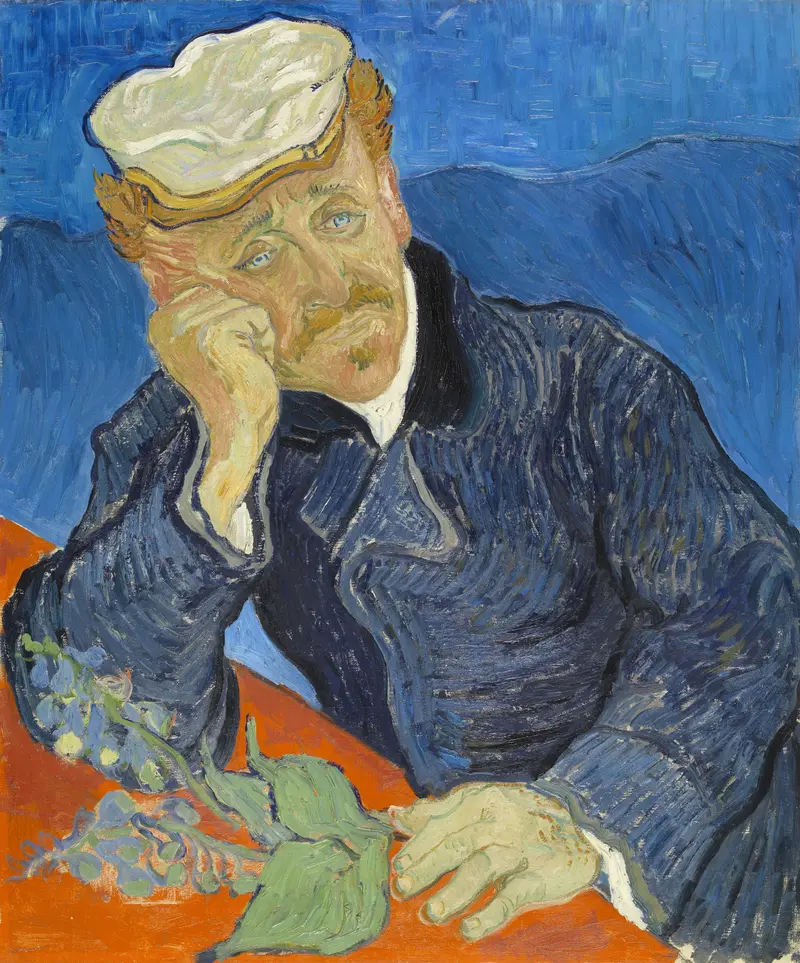
Portrait of Dr Gachet
Vincent van Gogh
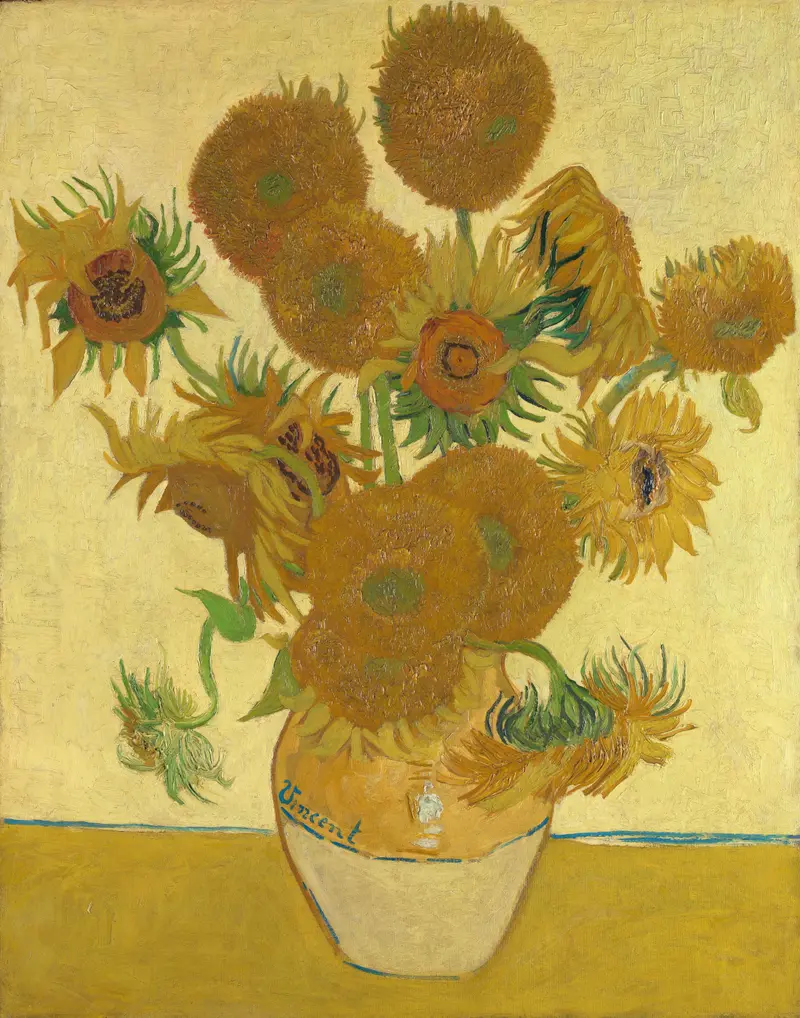
Sunflowers
Vincent van Gogh
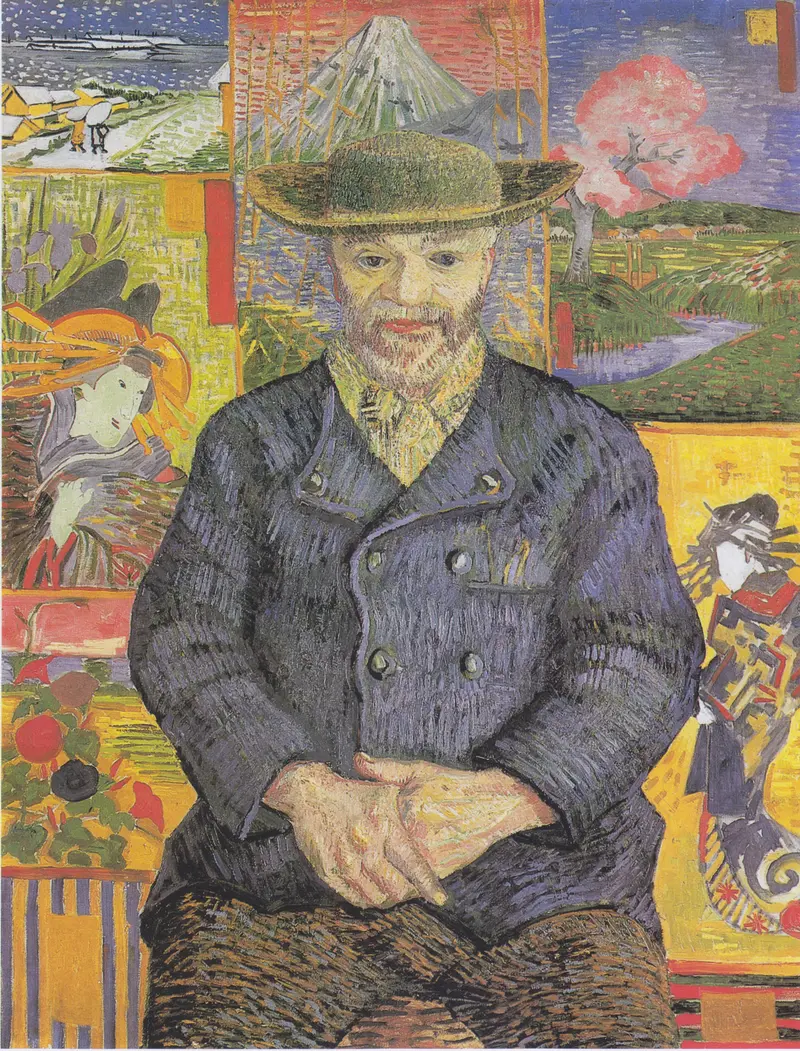
Portrait of Père Tanguy
Vincent van Gogh
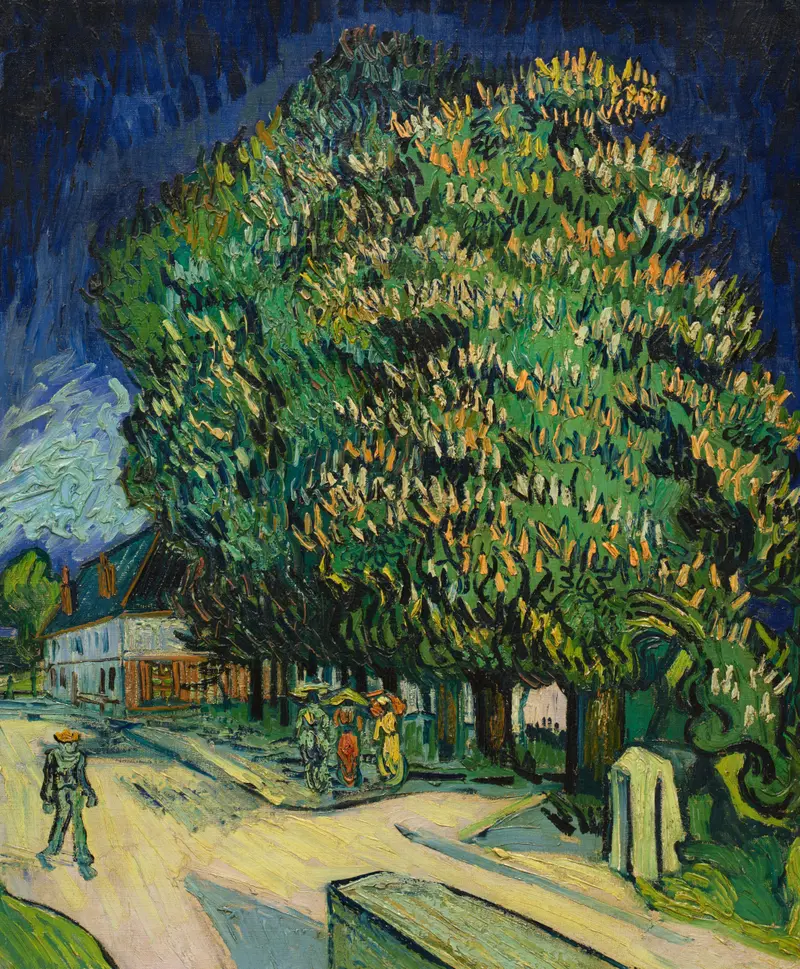
Chestnut Trees in Blossom
Vincent van Gogh
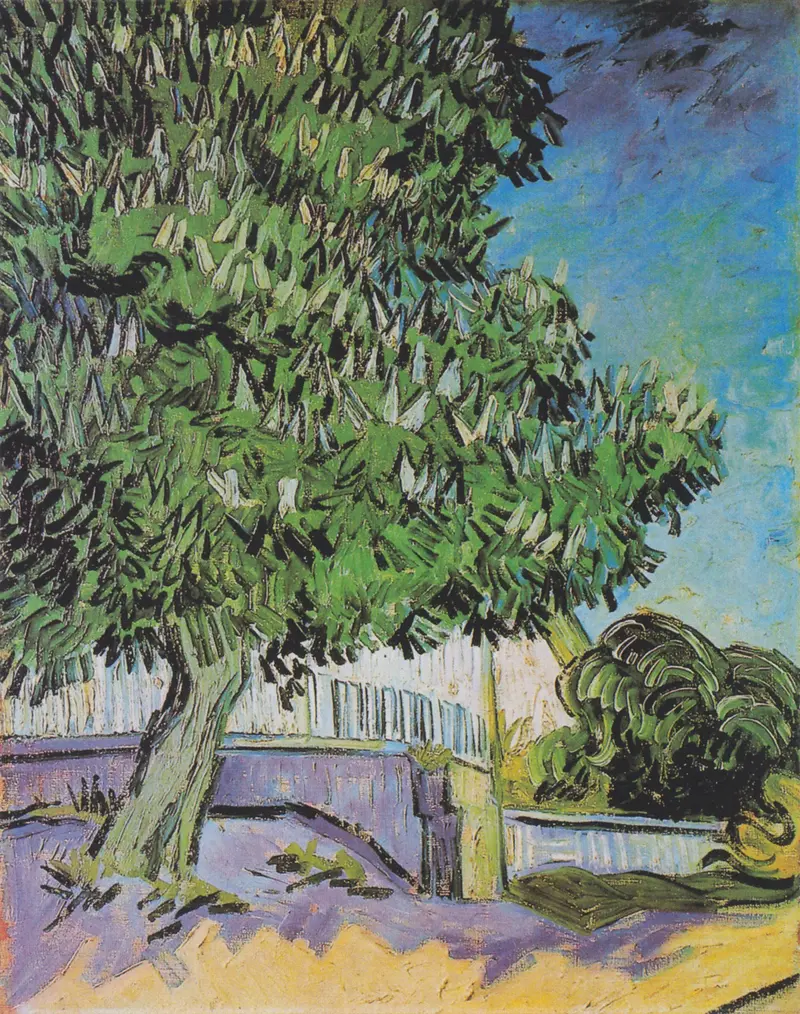
Blossoming Chestnut Trees
Vincent van Gogh

The Night Café
Vincent van Gogh
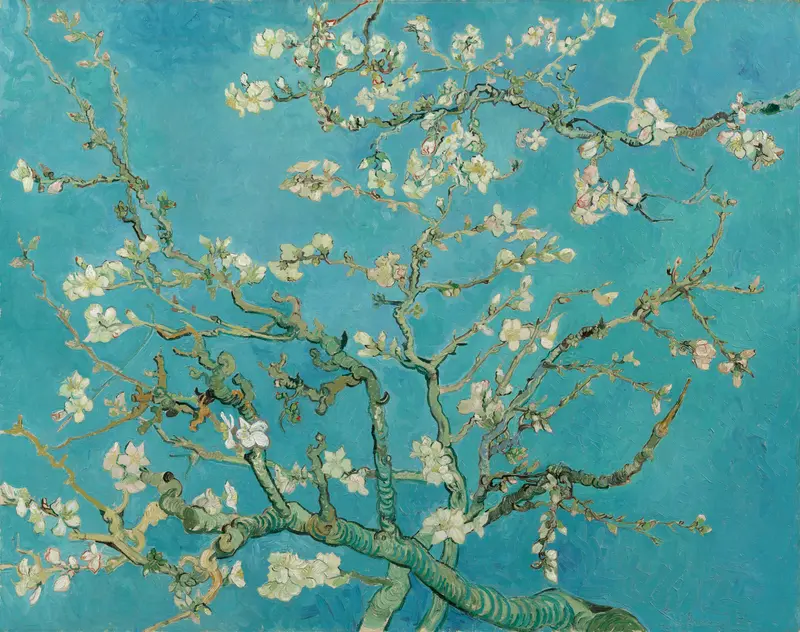
Almond Blossom
Vincent van Gogh