
Olijfboom, te Tivoli — History & Facts
Could beauty survive in a century of chaos? In Olijfboom, te Tivoli, the answer reverberates through the stillness captured on canvas. This painting offers a serene reflection on nature, a moment suspended in time, where the elements of life and light coalesce in a gentle embrace. Focus on the center of the composition, where the olive tree stands proud and unwavering, its gnarled branches reaching out like weary arms after years of toil. Notice how the sunlight bathes the leaves in a soft, golden hue, creating a joyful contrast against the deep blues of a tranquil sky.
The painter’s brushwork invites your gaze to dance across the textured bark and the delicate interplay of shadows, evoking a feeling of warmth and nostalgia for the landscapes of a simpler time. In this work, emotional tensions arise from the juxtaposition of the olive tree's enduring presence against the expansive background of sky and earth. The tree, a symbol of peace and resilience, silently witnesses the passage of time, while the light and shadows suggest an ever-present cycle of hope and despair. Each detail, from the gentle sway of the leaves to the distant horizon, hints at the complexities of existence woven into this seemingly tranquil scene. Created in 1843 in the picturesque surroundings of Tivoli, the artist's focus on nature reflects a period when Romanticism was blossoming, celebrated for its emphasis on emotion and the sublime beauty of the natural world.
Dubourcq was immersed in an artistic climate that sought both solace and inspiration from nature, responding to the tumultuous social changes of his era. This painting, rich with introspection, stands as a testament to the resilience of beauty amidst chaos.
More Artworks by Pierre Louis Dubourcq
Browse all →
Een wijngaard bij Olevano
Pierre Louis Dubourcq
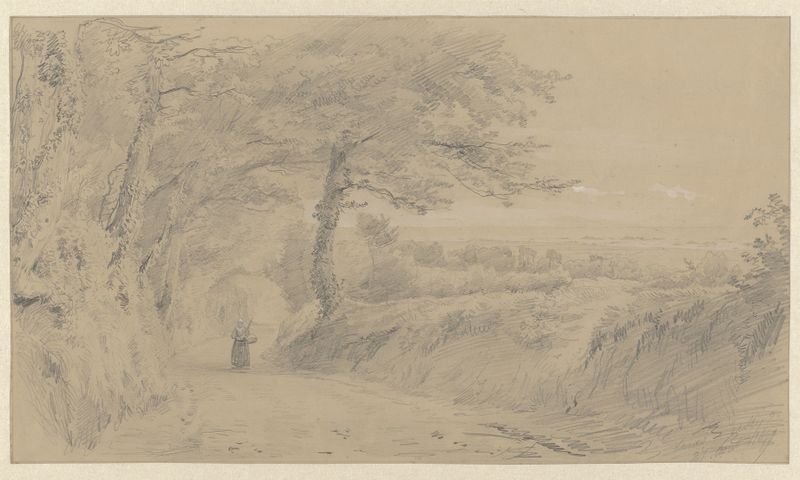
Landschap op Jersey
Pierre Louis Dubourcq

De tempel van Neptunus, Paestum
Pierre Louis Dubourcq
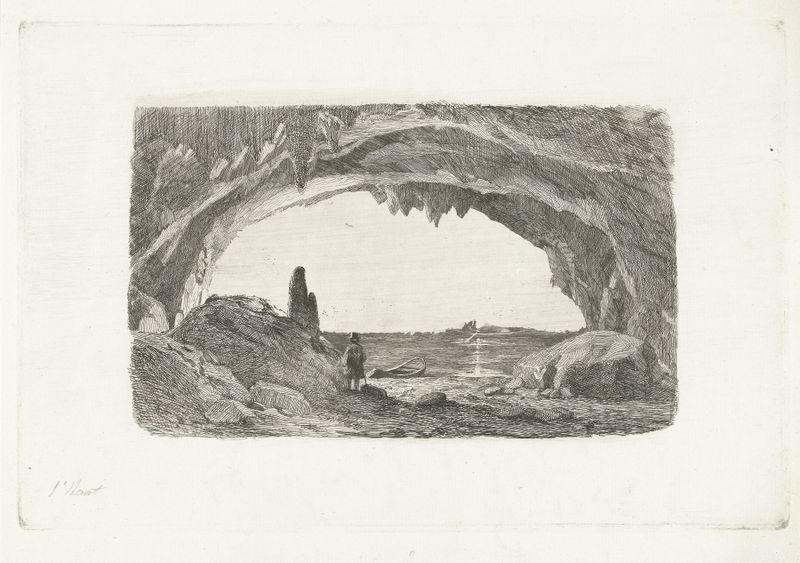
Man met roeiboot in de grotten van Han
Pierre Louis Dubourcq
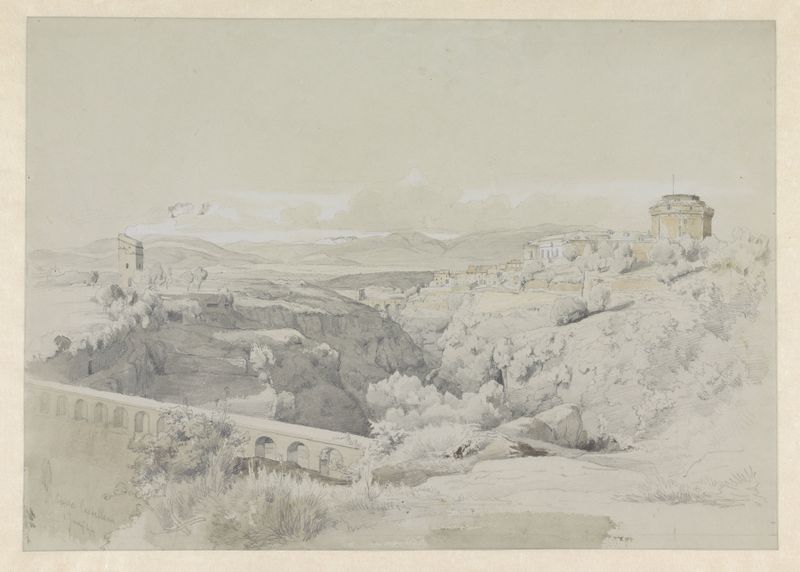
Gezicht op Civita Castellana
Pierre Louis Dubourcq

Paard en wagen op een weg
Pierre Louis Dubourcq
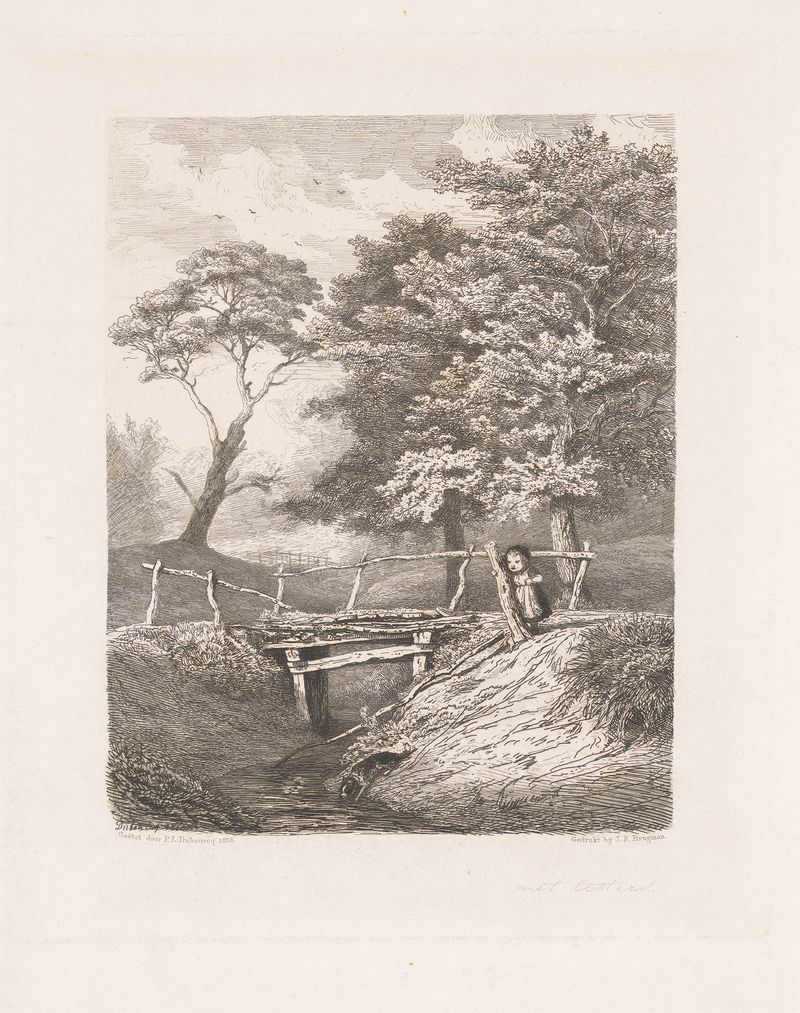
Meisje met hond bij houten brug
Pierre Louis Dubourcq

Kustlandschap te Granville
Pierre Louis Dubourcq

View of Castle Gerone on the island Ischia
Pierre Louis Dubourcq

De rivier de Nera bij Narni
Pierre Louis Dubourcq





