
Tweewielkar met hooi Vijf etsproeven — History & Facts
Could a single brushstroke hold eternity? In the delicate balance between chaos and order, violence lurks just beneath the surface of beauty. Look to the left at the intricate wheel of the cart, its spokes captured in a sweeping motion that suggests both movement and stillness. The hay, rendered with soft, almost ethereal strokes, rests atop in a deceptive tranquility, juxtaposed against the firm, heavy structure of the cart itself. Notice how the muted color palette—earthy browns and greens—hints at the toil of labor while simultaneously evoking a sense of nostalgia, inviting the viewer to contemplate deeper narratives hidden within the scene. As you delve deeper, observe the tension between the cart and the weight it carries.
The hay, deceptively light, emerges as a metaphor for burdens that can lead to violence when the balance is tipped. The contrast between the smoothness of the hay and the rough texture of the cart’s wood reflects the fragility of peace versus the potential for upheaval, suggesting a world where livelihood is constantly threatened by the precipice of conflict. In 1836, Pierre Louis Dubourcq created this work during a time of socio-political unrest in France, marked by revolutions and the rise of industrialization. Influenced by the art movements surrounding him, Dubourcq was exploring the intersection of realism and emotion, seeking to capture the essence of everyday life while grappling with the underlying tensions of existence.
As he painted, he stood at the cusp of artistic change, where the personal met the collective, and violence simmered just beneath the surface of the mundane.
More Artworks by Pierre Louis Dubourcq
Browse all →
Een wijngaard bij Olevano
Pierre Louis Dubourcq
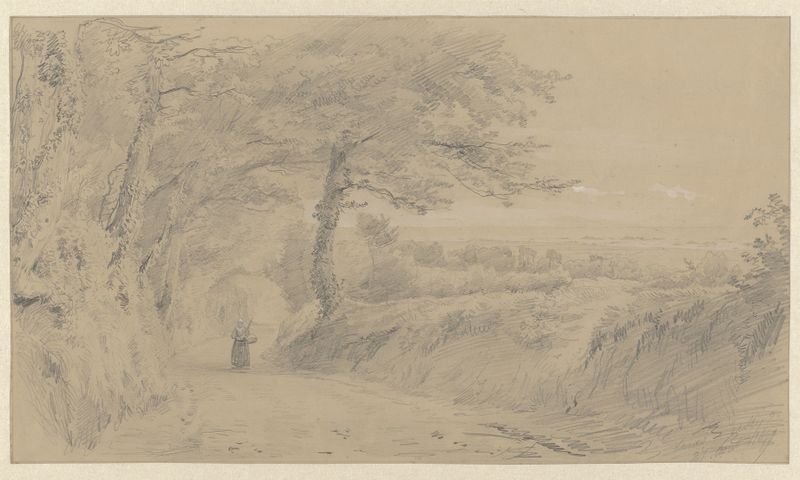
Landschap op Jersey
Pierre Louis Dubourcq

De tempel van Neptunus, Paestum
Pierre Louis Dubourcq
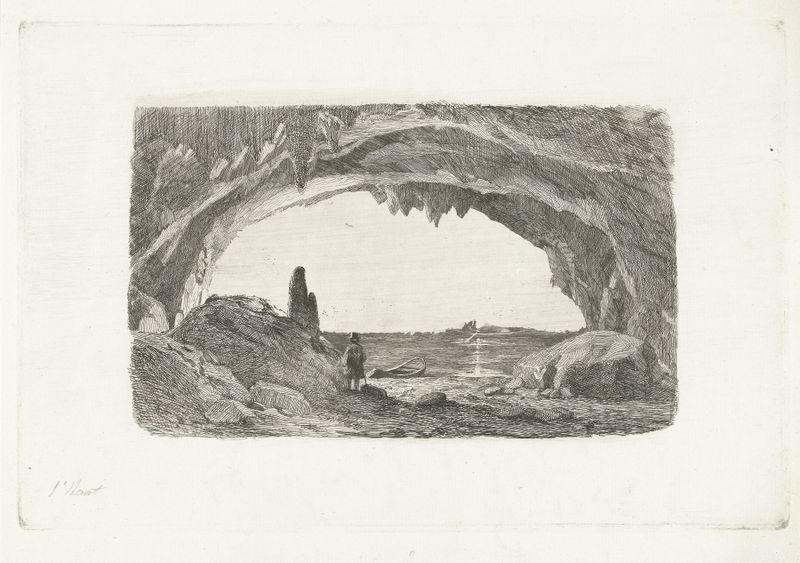
Man met roeiboot in de grotten van Han
Pierre Louis Dubourcq
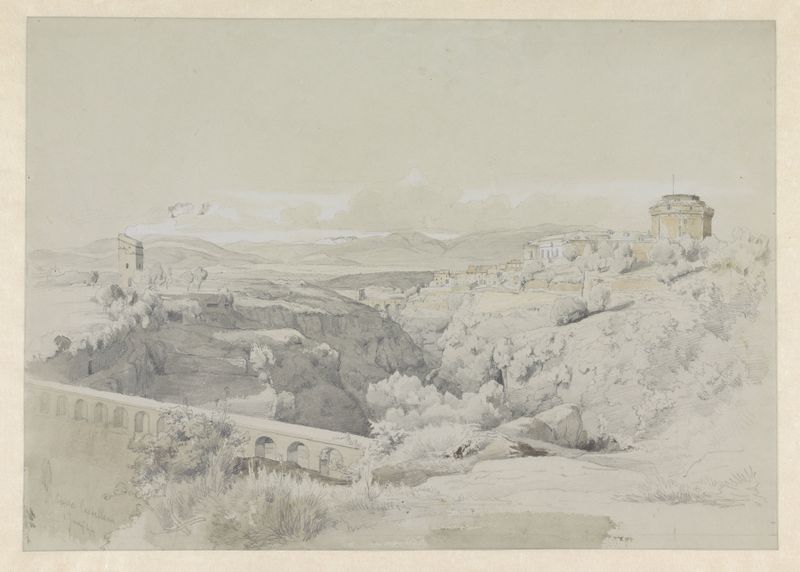
Gezicht op Civita Castellana
Pierre Louis Dubourcq

Paard en wagen op een weg
Pierre Louis Dubourcq
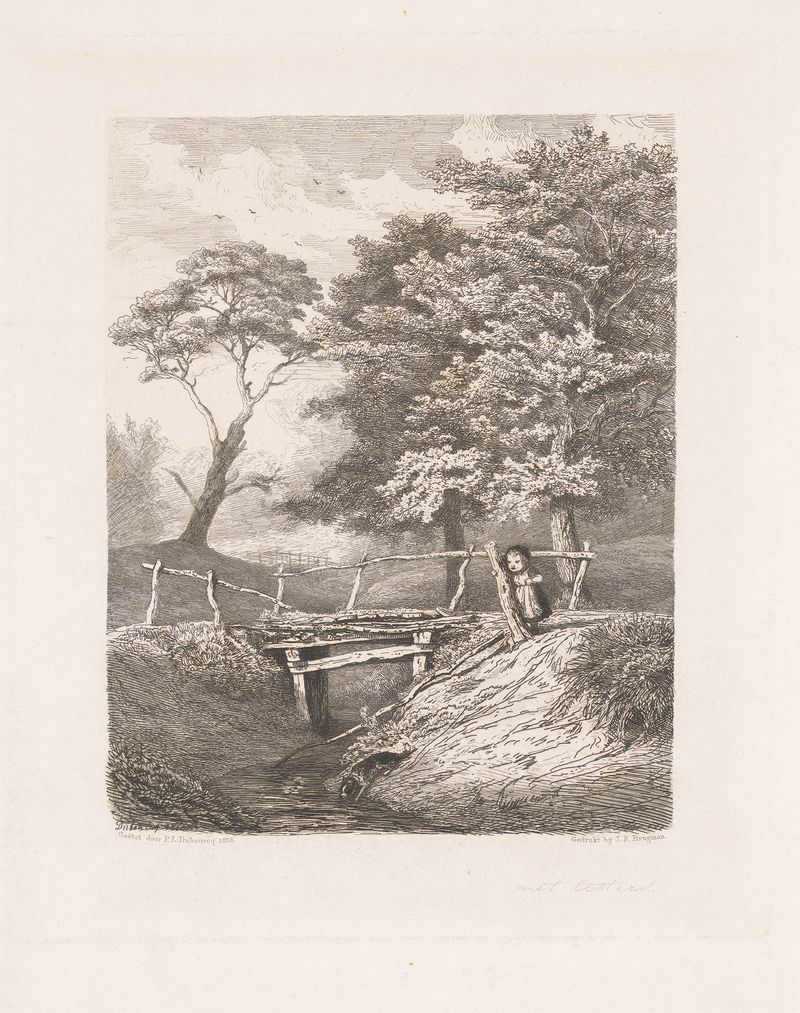
Meisje met hond bij houten brug
Pierre Louis Dubourcq

Kustlandschap te Granville
Pierre Louis Dubourcq

View of Castle Gerone on the island Ischia
Pierre Louis Dubourcq

De rivier de Nera bij Narni
Pierre Louis Dubourcq





