
On a Lee Shore — History & Facts
Could beauty survive in a century of chaos? In On a Lee Shore, the tumultuous relationship between nature and humanity unfolds, evoking a poignant sense of resilience amid turmoil. Look to the left at the crashing waves, their churning energy encapsulated in vibrant blues and whites, reflecting the stormy emotions that dominate the scene. The figures huddled on the shore, cloaked against the windswept spray, draw your gaze toward their tense postures and weather-beaten expressions. Notice how the soft, muted colors of the sky shift from foreboding darks to tentative pastels, portraying the fragile transition between chaos and calm. This painting captures the struggle between man and nature; the figures represent humanity's vulnerability against the relentless power of the sea.
Within the swirling depths of the water, there lies a stark contrast between the chaos of the elements and the steadfastness of the people who confront it. Their body language, tense and ready, suggests an emotional endurance, reminding viewers of the silent stories behind their resolve amidst the looming tempest. Created in 1900, On a Lee Shore emerged during a transformative period for Winslow Homer, who was living in Prouts Neck, Maine. At this time, he was deeply inspired by the coastal landscape and the narratives of those who worked its shores.
The world was witnessing rapid changes and upheavals, and Homer’s work often reflected the complexities of life, capturing both the serene and the stormy aspects of existence.
More Artworks by Winslow Homer
Browse all →
The Gulf Stream
Winslow Homer
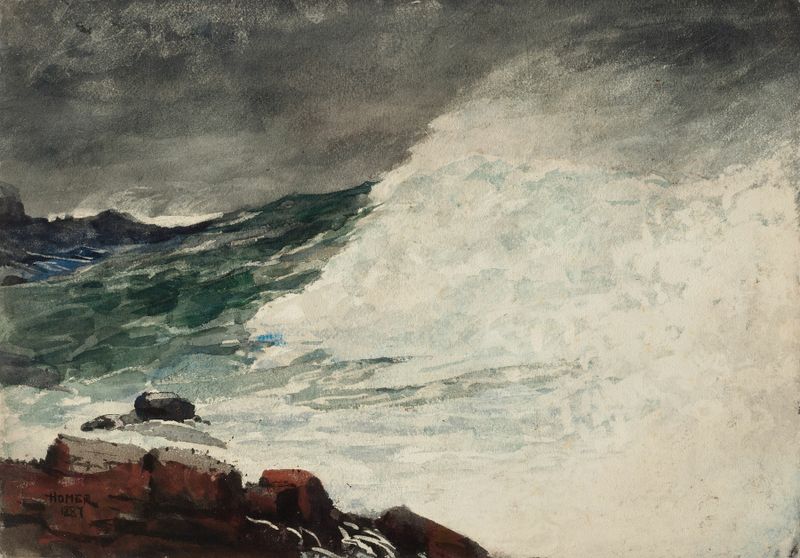
Prout’s Neck, Breaking Wave
Winslow Homer
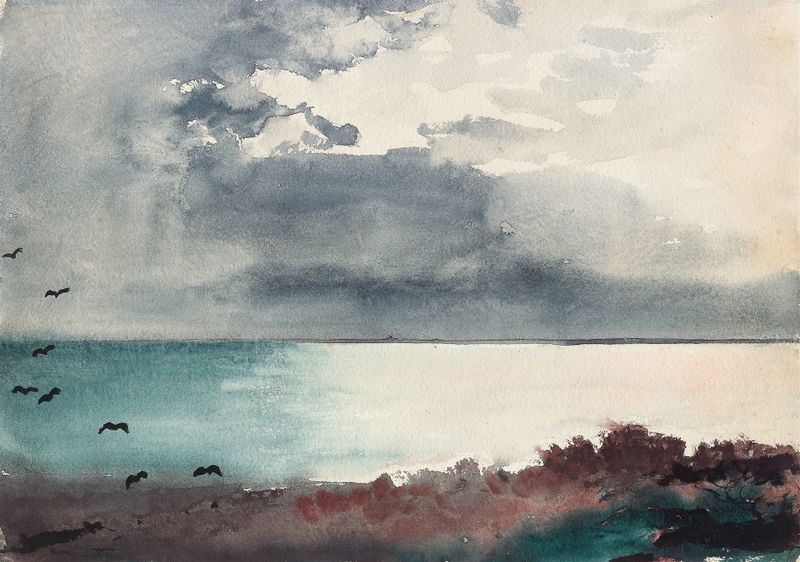
Breaking Storm, Coast of Maine
Winslow Homer
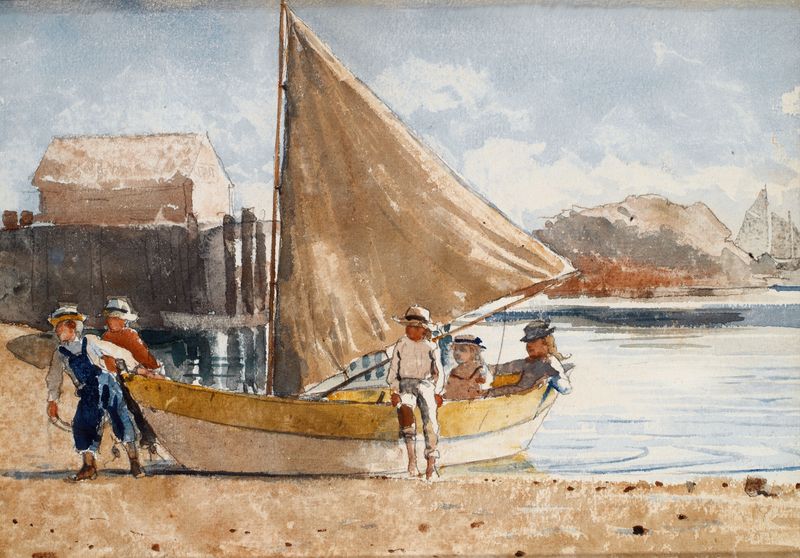
Summertime
Winslow Homer
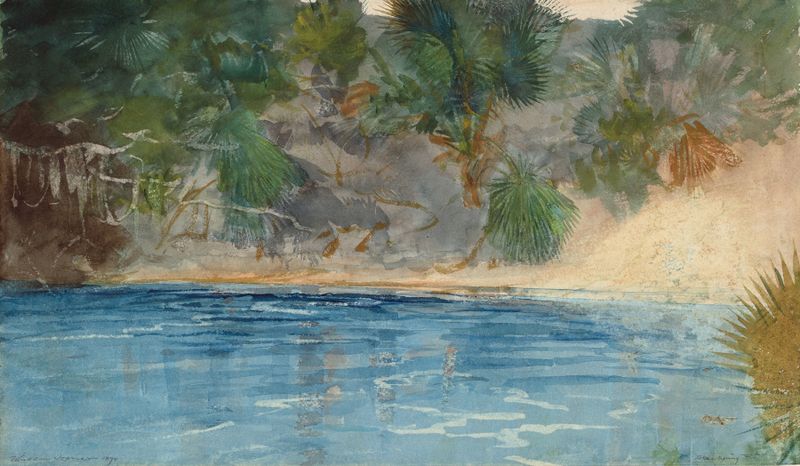
Blue Spring, Florida
Winslow Homer
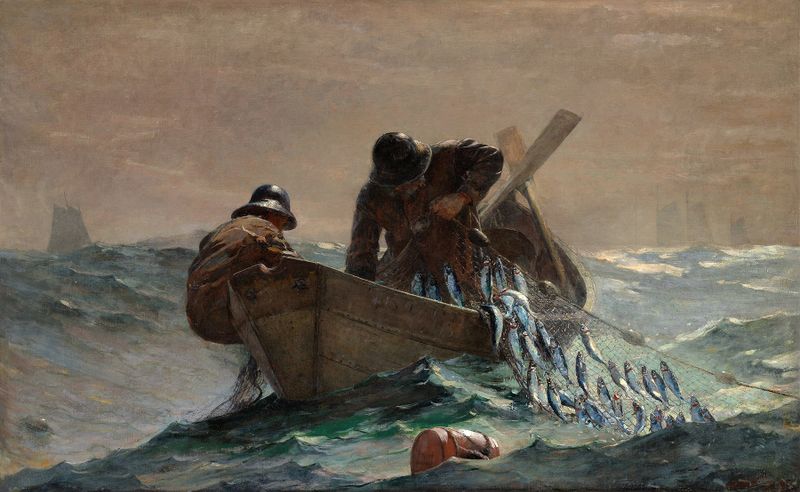
The Herring Net
Winslow Homer
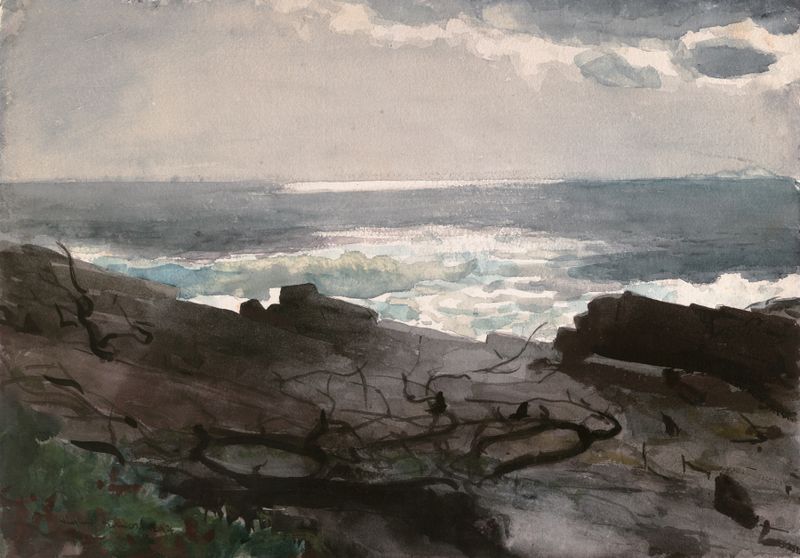
Sunshine and Shadow, Prout’s Neck
Winslow Homer
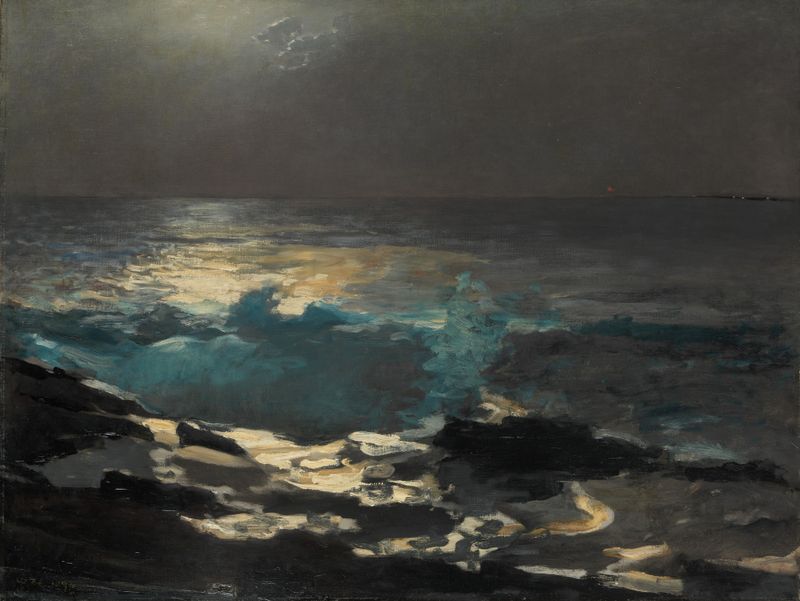
Moonlight, Wood Island Light
Winslow Homer
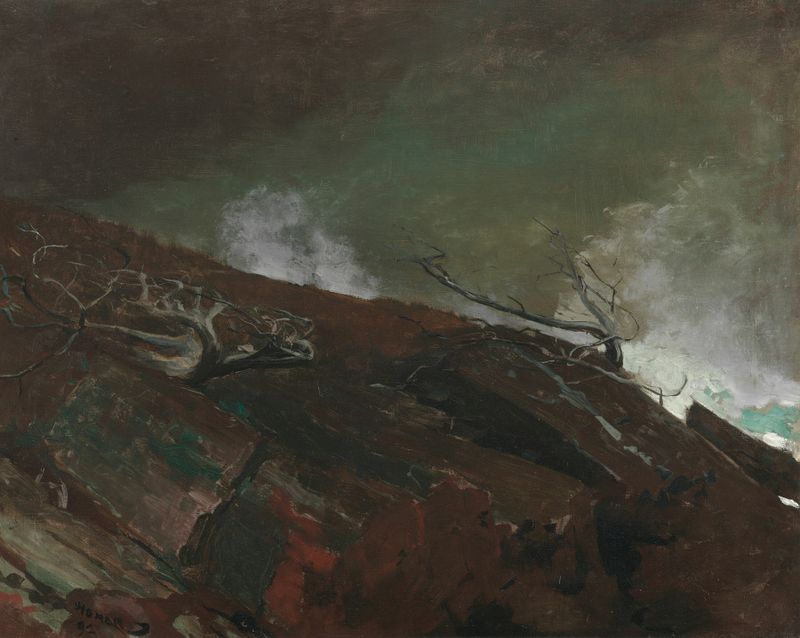
Coast of Maine
Winslow Homer
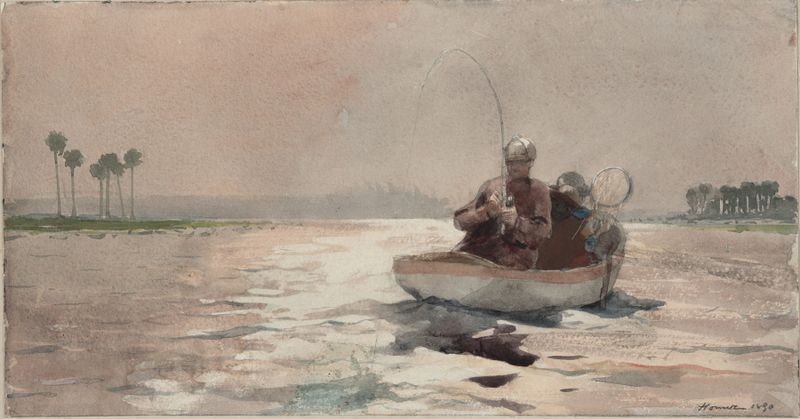
Bass Fishing – Florida
Winslow Homer




