
On the Clyde, Glasgow — History & Facts
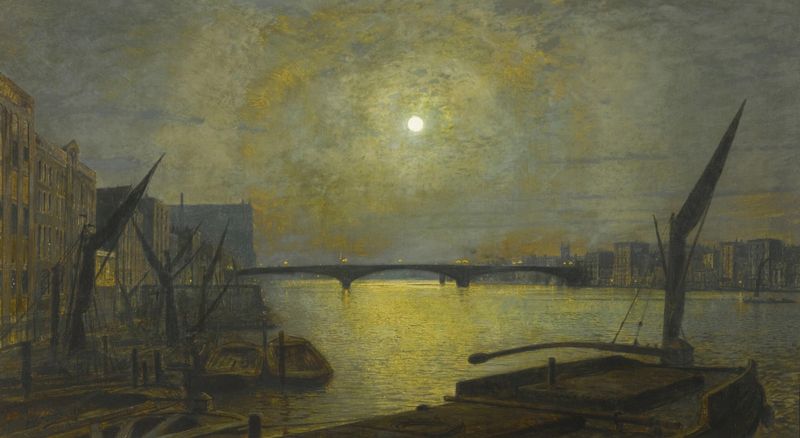
Under the brush, chaos becomes grace. What happens when a cacophony of colors and forms melds into a singular, serene vision? On the Clyde, Glasgow encapsulates this transformation, revealing the poetry hidden within the urban clamor. Focus on the gentle undulation of the water, where the moonlight cascades in silvery ripples. The soft interplay of blues and greens draws you into the center, while the silhouettes of bustling workers and distant factories frame the scene.
Notice how the artist skillfully captures the essence of twilight, with light diffusing into the fog, blurring edges and lending a dreamlike quality to the industrial landscape. Each brushstroke seems to breathe life into the scene, imbuing it with a sense of calm amidst the surrounding chaos. Yet beneath the tranquil waters lies a deeper commentary on the industrial age. The contrast between the organic flow of the river and the rigid geometry of factories exposes the tension between nature and progress.
Delve into the subtle details—the vibrant reflections hinting at life within the depths, while the pallid sky suggests a weariness hiding behind the beauty of dusk. This duality evokes a poignant reminder of humanity's relentless march forward, often at the expense of the natural world. In 1879, during a period of significant industrial expansion in Britain, the artist was establishing his distinctive style, melding realism with a touch of romanticism. Living and working in Leeds, Grimshaw was captivated by the interplay of light and shadow in urban settings, notably the industrial landscapes around him.
This painting reflects not only his personal artistic journey but also the broader societal changes that defined an era teetering between nature and industrialization.
More Artworks by John Atkinson Grimshaw
Browse all →
Under the Silvery Moonbeams
John Atkinson Grimshaw
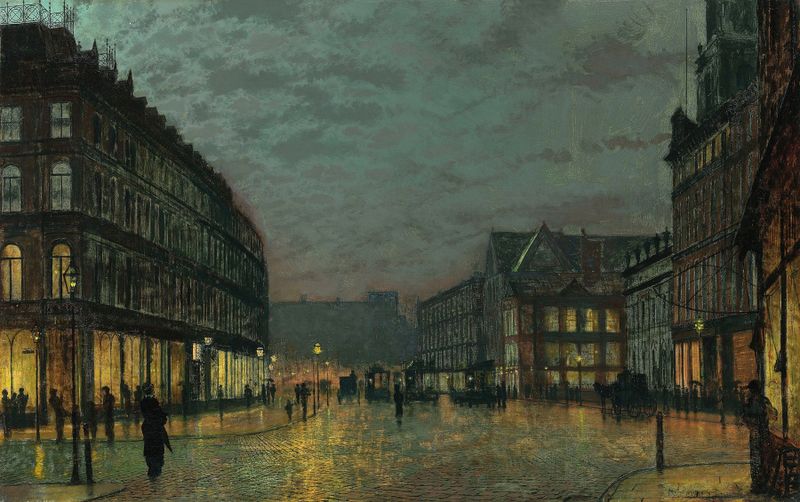
Boar Lane, Leeds by lamplight
John Atkinson Grimshaw
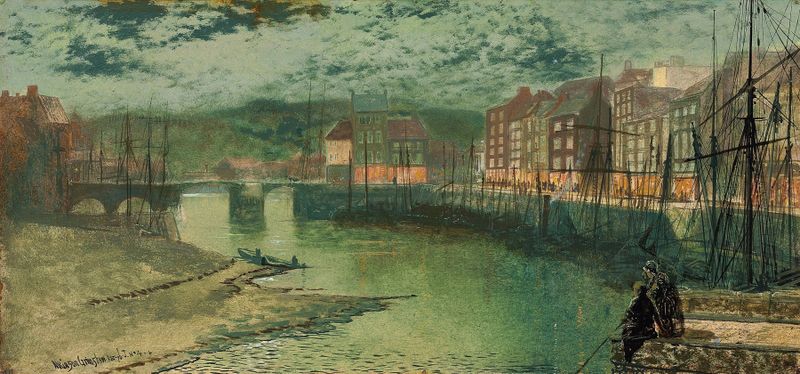
Whitby docks
John Atkinson Grimshaw

Old Chelsea
John Atkinson Grimshaw

Late October
John Atkinson Grimshaw
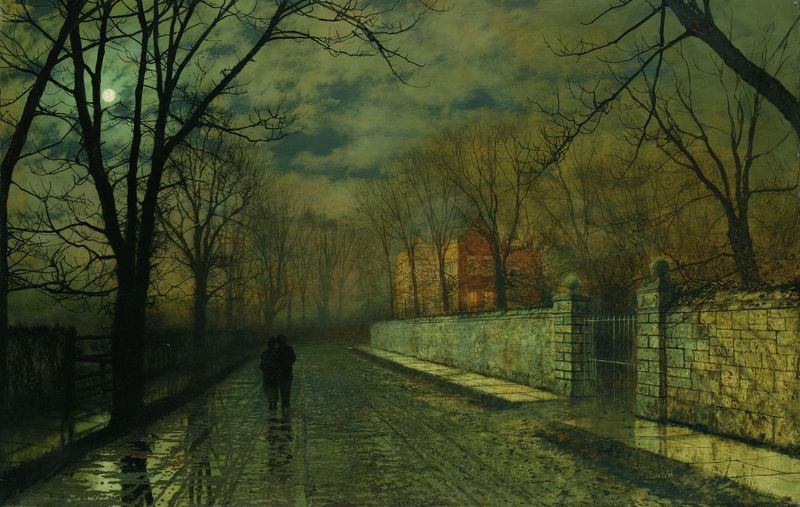
Figures In A Moonlit Lane After Rain
John Atkinson Grimshaw

Liverpool Lights
John Atkinson Grimshaw
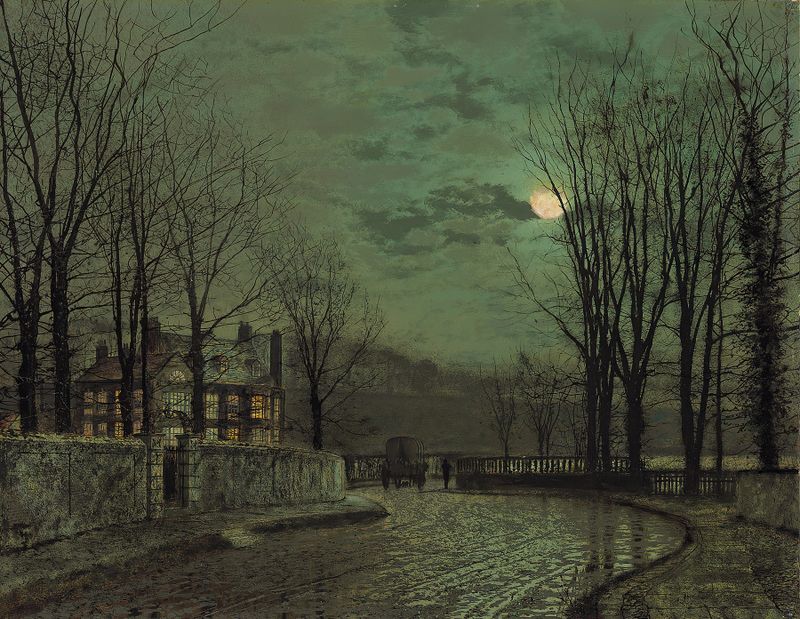
November Moonlight
John Atkinson Grimshaw
Southwark Bridge from Blackfriars by Moonlight
John Atkinson Grimshaw

Whitby From Scotch Head, Moonlight On The Esk
John Atkinson Grimshaw





