
On the Coast — History & Facts
In the realm of artistry, there exists a delicate balance between the tumultuous forces of nature and the serene beauty that can emerge from them. This dance of creation is strikingly embodied in the vivid landscape painted by a master at work. Look to the left of the canvas, where the rocky outcroppings jut into the sea, creating a firm foundation for the waves that kiss the shore. Notice how the light catches on the water's surface, transforming the undulating blues and greens into a shimmering tapestry.
The brushwork conveys both movement and tranquility, inviting the eye to wander along the coast, while the soft, diffused sky above evokes a sense of hope and renewal. Kensett employs a harmonious palette that captures the essence of a coastal morning, with each stroke meticulously layered to evoke depth and emotion. Beneath this picturesque scene lies a subtle tension between the ruggedness of the land and the gentle caress of the water, symbolizing the interplay between strength and vulnerability. The juxtaposition of solid rocks against the fluidity of the tide suggests a dialogue between permanence and transience, reflecting the transient nature of life itself.
The soft clouds drifting above hint at the passage of time, while the distant horizon invites contemplation of what lies beyond the visible world. In 1870, Kensett was deeply immersed in the American landscape painting movement, drawing inspiration from the natural beauty of the Northeastern United States. During this period, he was based in New York, where societal shifts and a growing appreciation for the American landscape marked a pivotal time in art history. His commitment to capturing the essence of nature not only showcased his technical prowess but also aligned with the broader Romantic ideals of the era, celebrating the sublime beauty found in the great outdoors.
More Artworks by John Frederick Kensett
Browse all →
White Mountains from Shelburne, NH
John Frederick Kensett

An October Day in the White Mountains
John Frederick Kensett
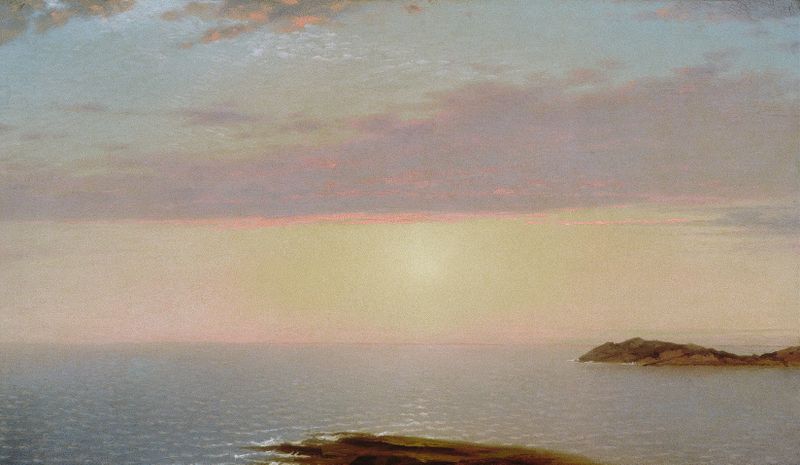
Sunset
John Frederick Kensett
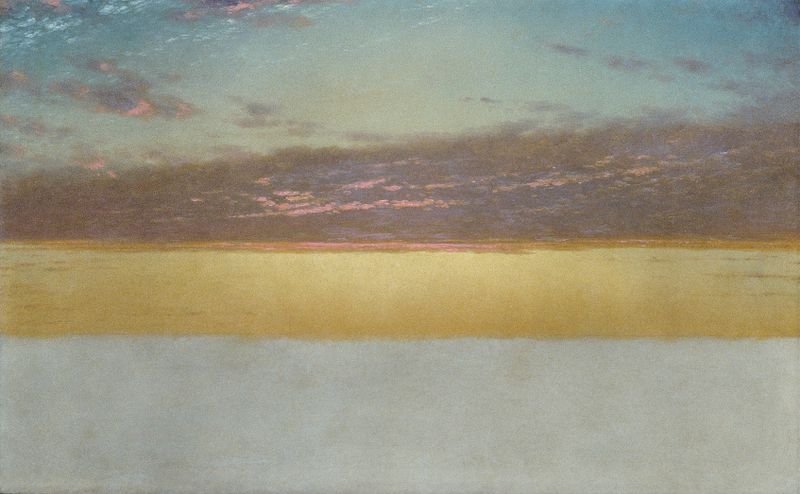
Sunset Sky
John Frederick Kensett
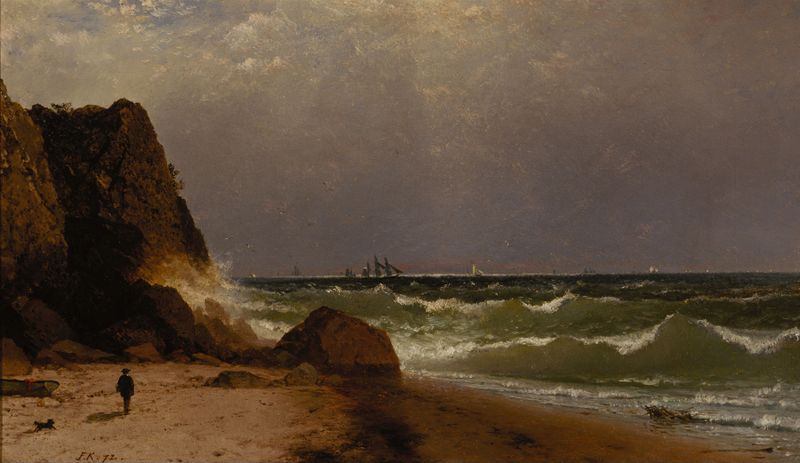
Near Newport, Rhode Island
John Frederick Kensett
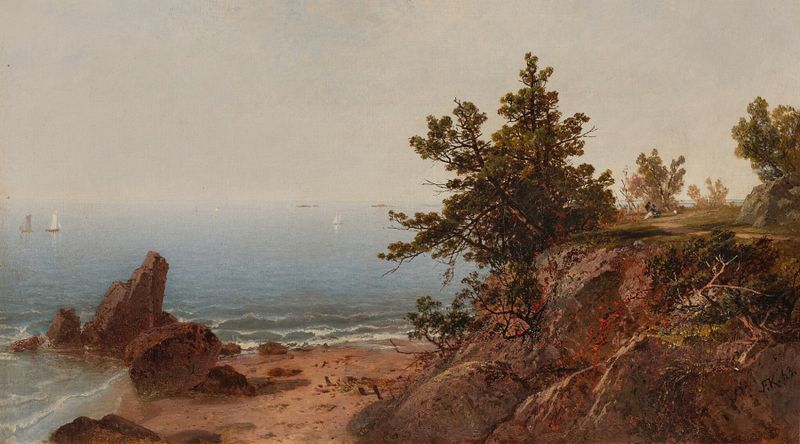
View from the Cliff (Noon on the Seashore)
John Frederick Kensett
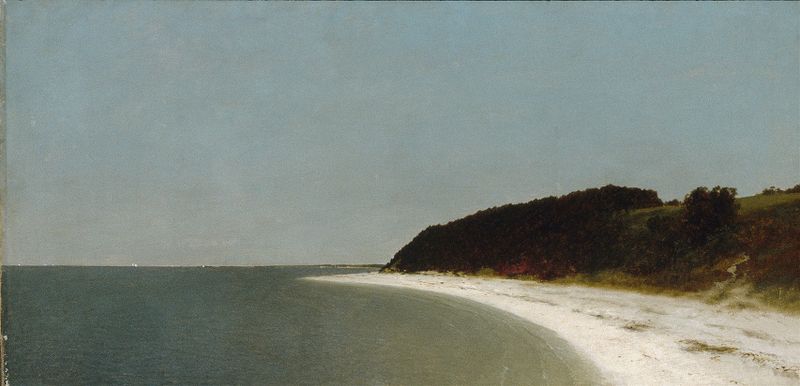
Eaton’s Neck, Long Island
John Frederick Kensett
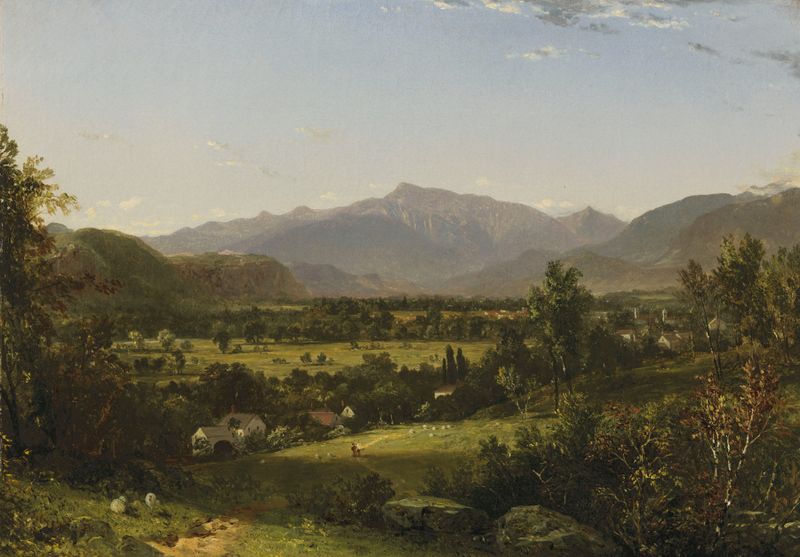
Mount Washington from North Conway
John Frederick Kensett
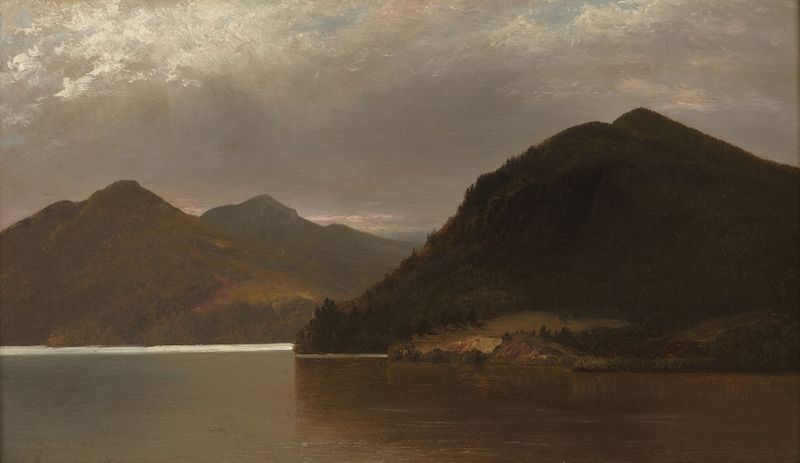
Lake George
John Frederick Kensett
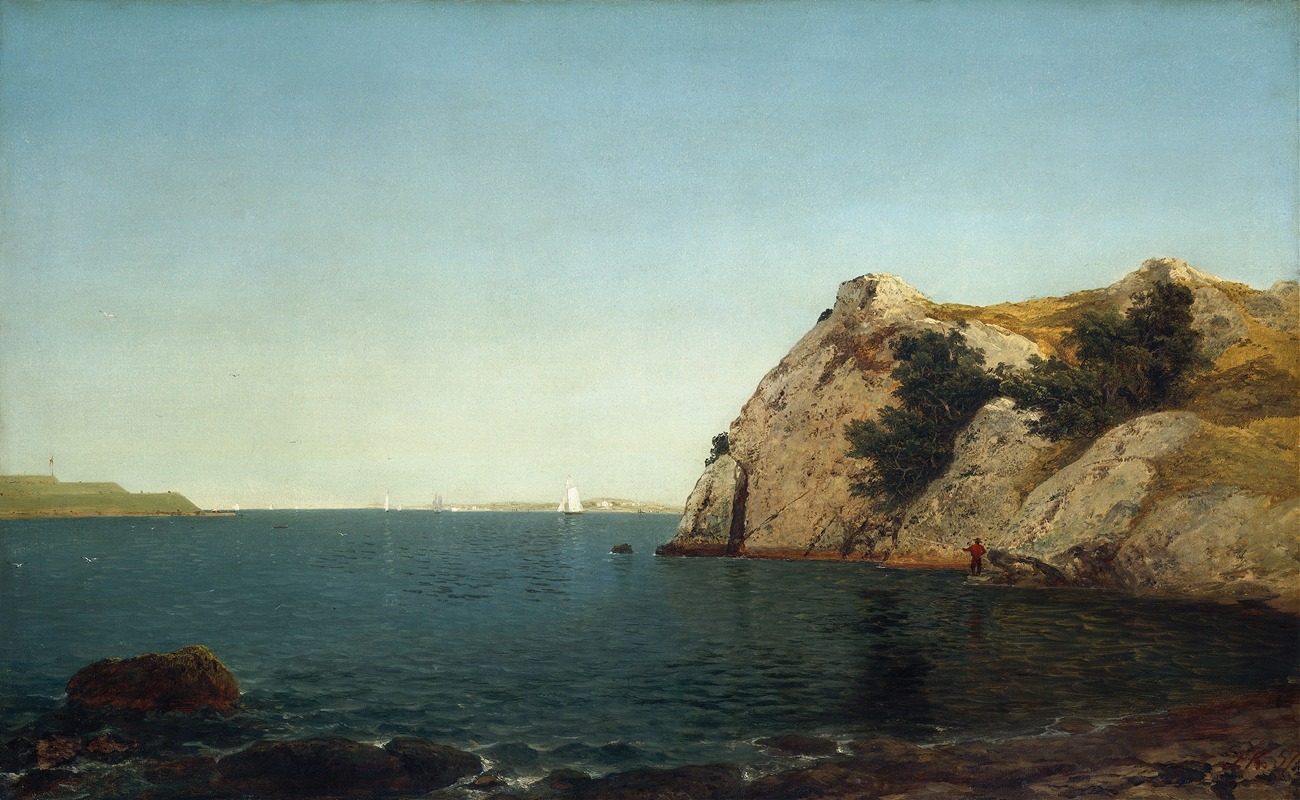
Near Newport
John Frederick Kensett





