
On the Sands — History & Facts
In the stillness of a beach, silence hangs heavy, as if the very air holds its breath, allowing the moment to etch itself into eternity. Look closely at the figures positioned along the shore, their forms almost swallowed by the vastness of the sand and sea. The warm hues of golden sand contrast against the cool blues of the gentle waves, creating a palette that whispers of both warmth and solitude. Notice how the light dances on the water's surface, illuminating the delicate ripples that lead the eye towards the horizon, where sea and sky meld into infinity. Beneath the surface of this tranquil scene lies a deeper tension: the juxtaposition of human presence against the relentless march of nature.
The solitary figures, seemingly caught in a moment of introspection, evoke feelings of both isolation and connection to the earth. Their silence speaks volumes about the fleeting nature of existence, as the vast expanse of the ocean serves as a reminder of both life’s beauty and its ephemeral quality. In 1881, the artist worked primarily in coastal settings, seeking to capture the essence of the American experience through natural landscapes. This period marked a shift in art, with a growing focus on realism and the portrayal of everyday life.
The artist’s exploration of light and shadow reflected a deepening understanding of the relationship between nature and humanity, forging a path that would influence future generations.
More Artworks by Winslow Homer
Browse all →
The Gulf Stream
Winslow Homer
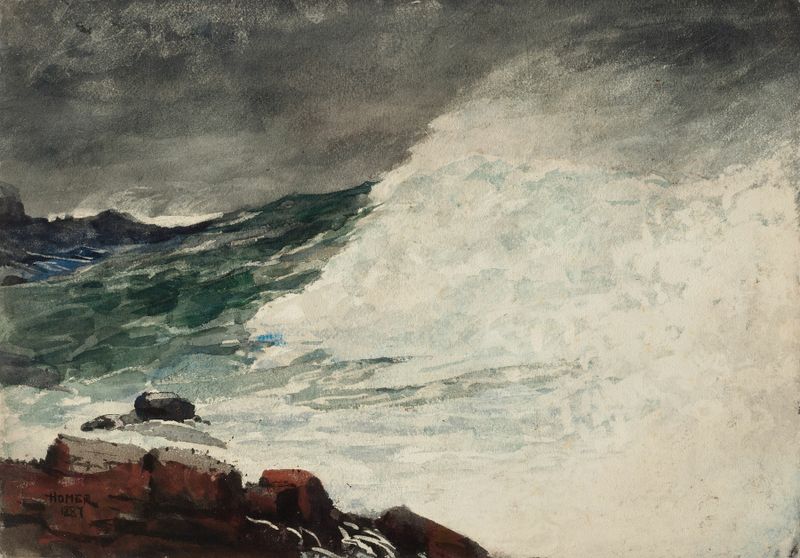
Prout’s Neck, Breaking Wave
Winslow Homer
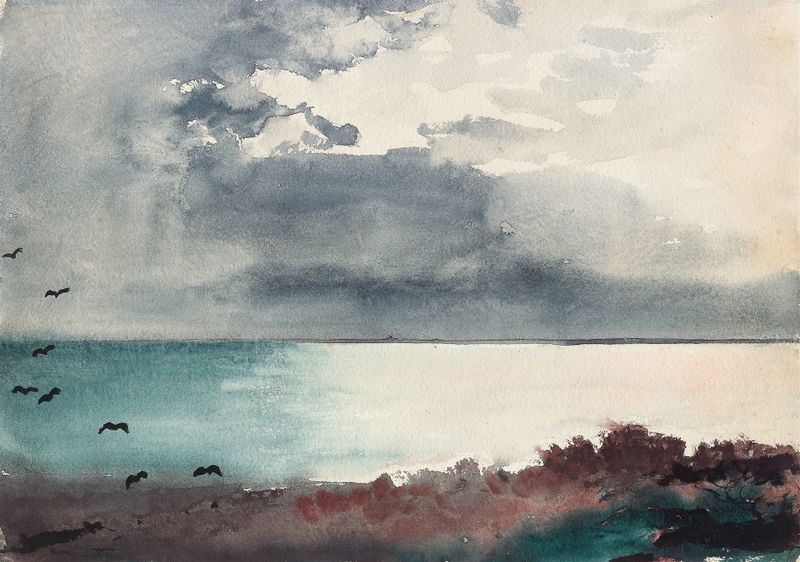
Breaking Storm, Coast of Maine
Winslow Homer
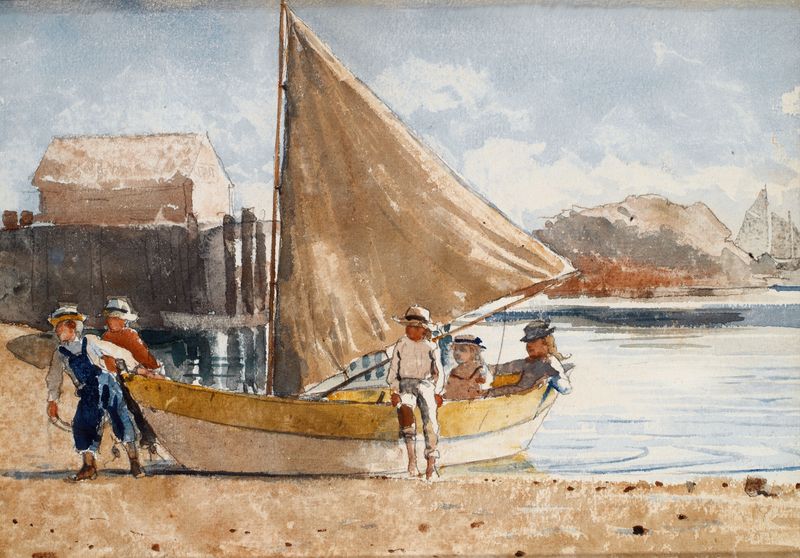
Summertime
Winslow Homer
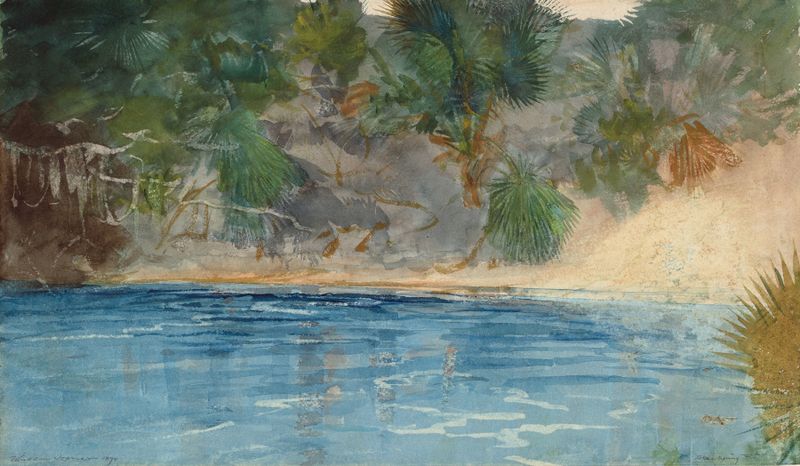
Blue Spring, Florida
Winslow Homer
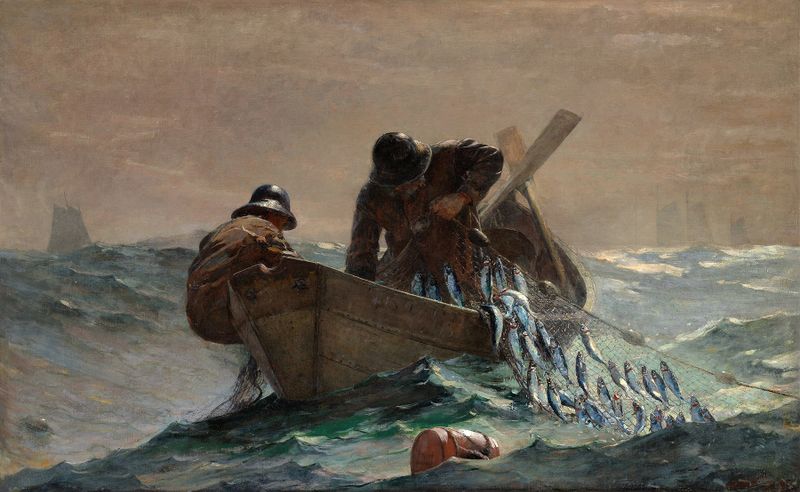
The Herring Net
Winslow Homer
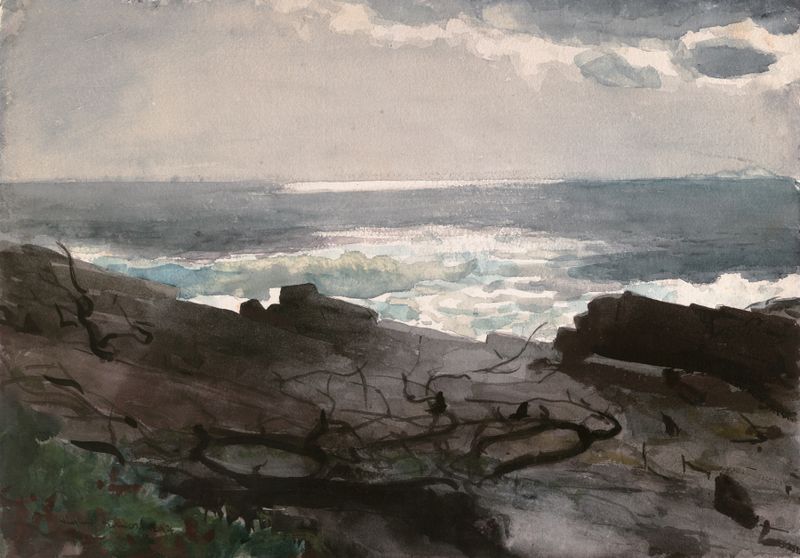
Sunshine and Shadow, Prout’s Neck
Winslow Homer
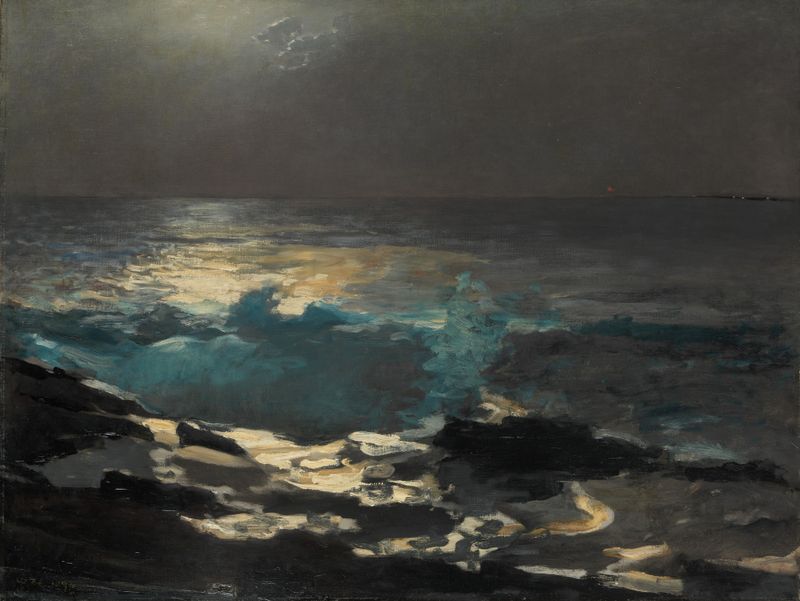
Moonlight, Wood Island Light
Winslow Homer
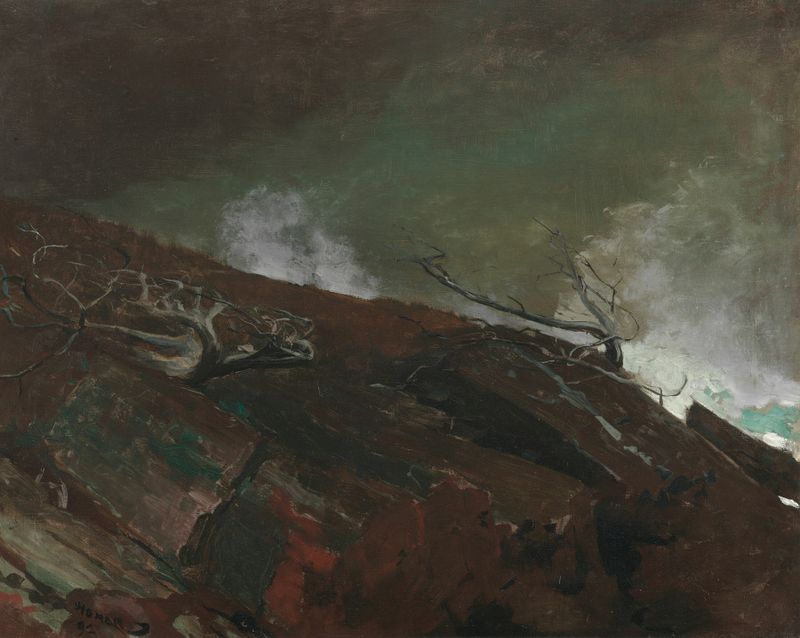
Coast of Maine
Winslow Homer
Bass Fishing – Florida
Winslow Homer




