
Oostpoort van de nieuwe tempel in visioen van Ezechiël — History & Facts
This profound stillness invites viewers to contemplate the transcendence of the moment, urging them to seek the divine hidden within the mundane. Begin your exploration by looking toward the majestic gate at the center of the canvas. Its grand archway, adorned with intricate details, beckons forth a sense of mystery and reverence. Notice how the light bathes the structure, casting elongated shadows that hint at the presence of something beyond our earthly perception.
The muted palette of earth tones contrasts with the ethereal glow illuminating the gate, enhancing the feeling of a passage between realms. Delve deeper into the symbolism woven throughout the piece. The gate itself represents a threshold, embodying the potential for spiritual awakening. The surrounding figures, both humble and awe-inspiring, evoke a sense of collective yearning for understanding.
Each face reflects a different facet of belief and doubt, suggesting the complex interplay between faith and the human experience. This tension carries a weight that resonates with the viewer, prompting introspection and a confrontation with their own spiritual journey. Created during a time of significant transition in both art and society, this work emerged in 1538, as the artist navigated the artistic currents of the Renaissance in Northern Europe. Holbein, known for his intricate portraits and religious themes, painted amidst the tumult of Reformation, where beliefs were being challenged and redefined.
This backdrop influenced his exploration of spirituality, offering a lens through which to view the profound connection between humanity and the divine.
More Artworks by Hans Holbein (II)
Browse all →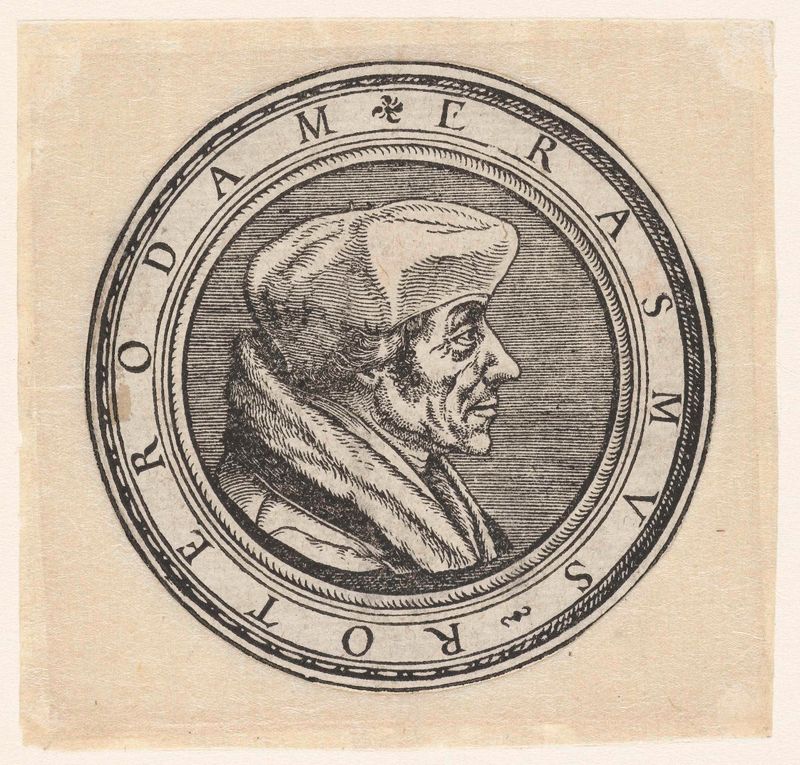
Portret van Erasmus
Hans Holbein (II)
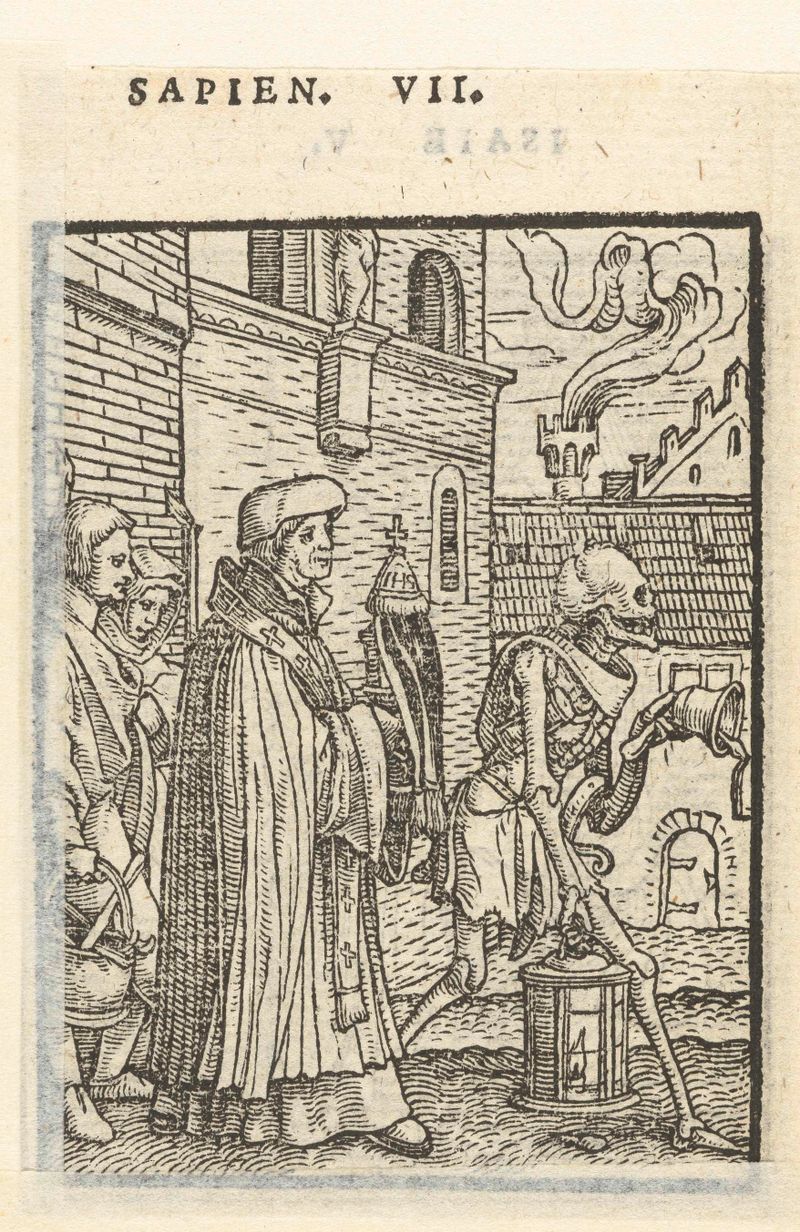
Priester en de Dood
Hans Holbein (II)
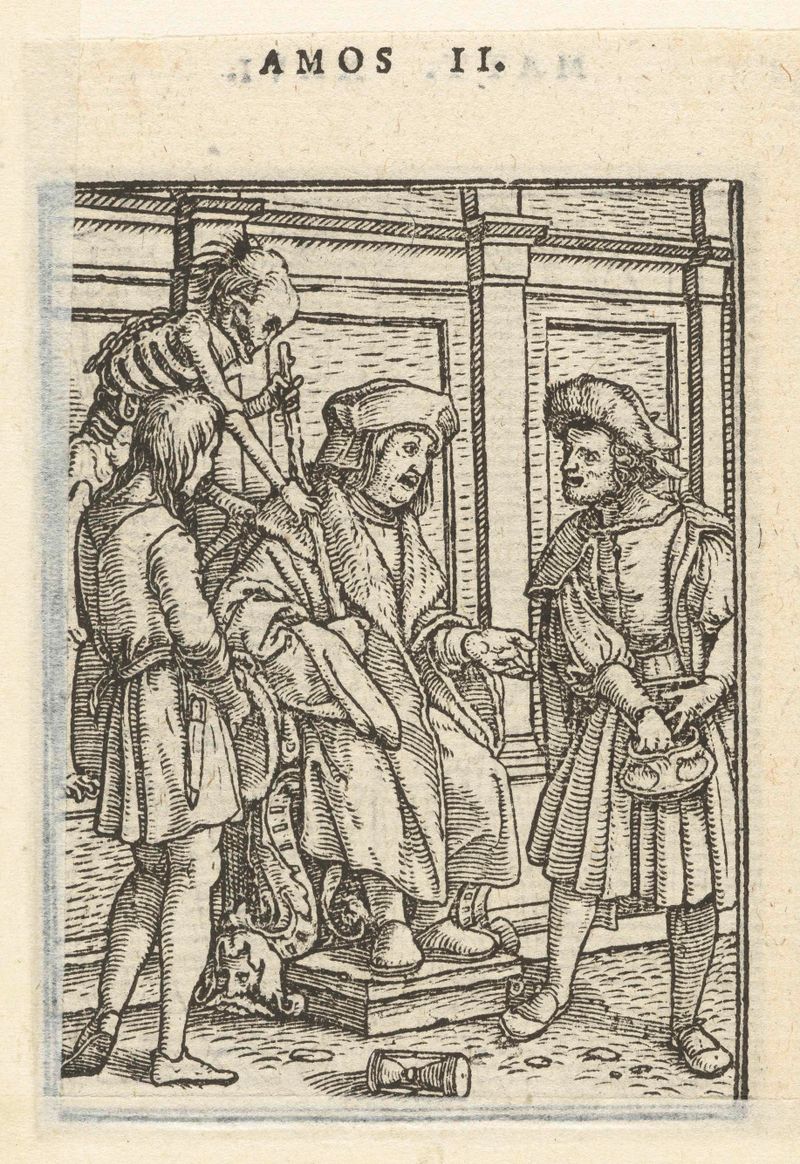
Rechter en de Dood
Hans Holbein (II)
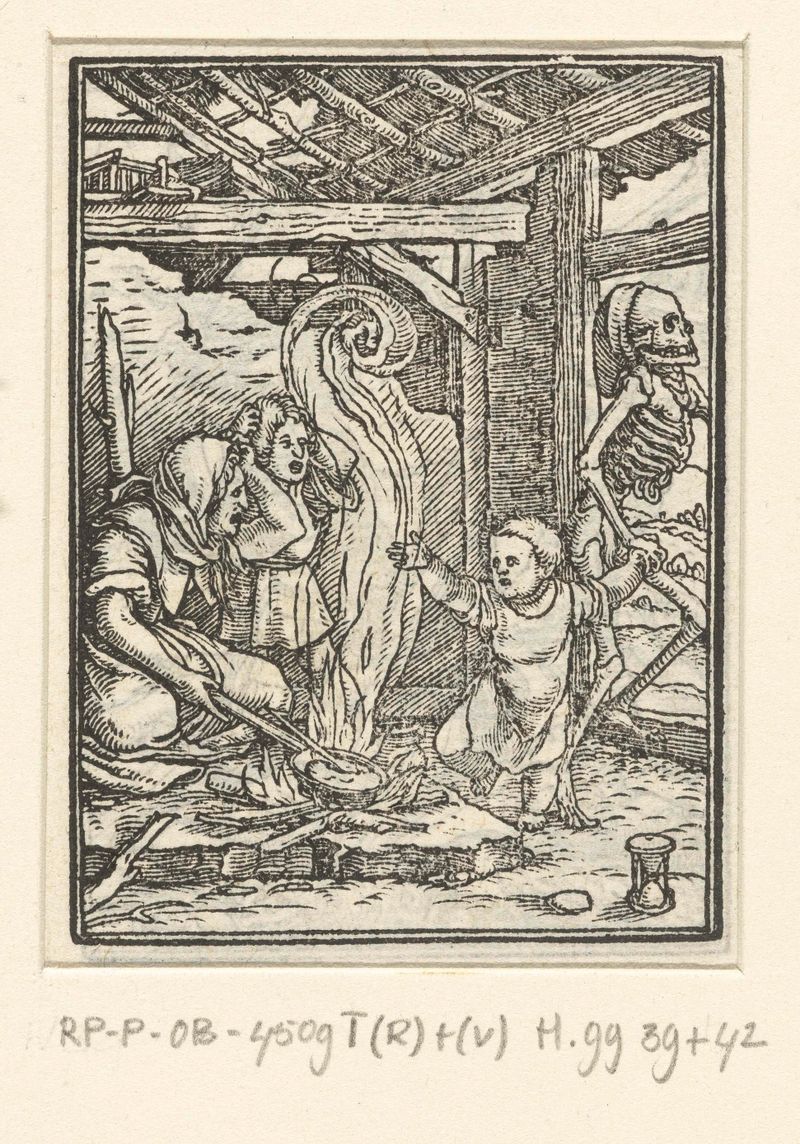
Kind en de Dood
Hans Holbein (II)
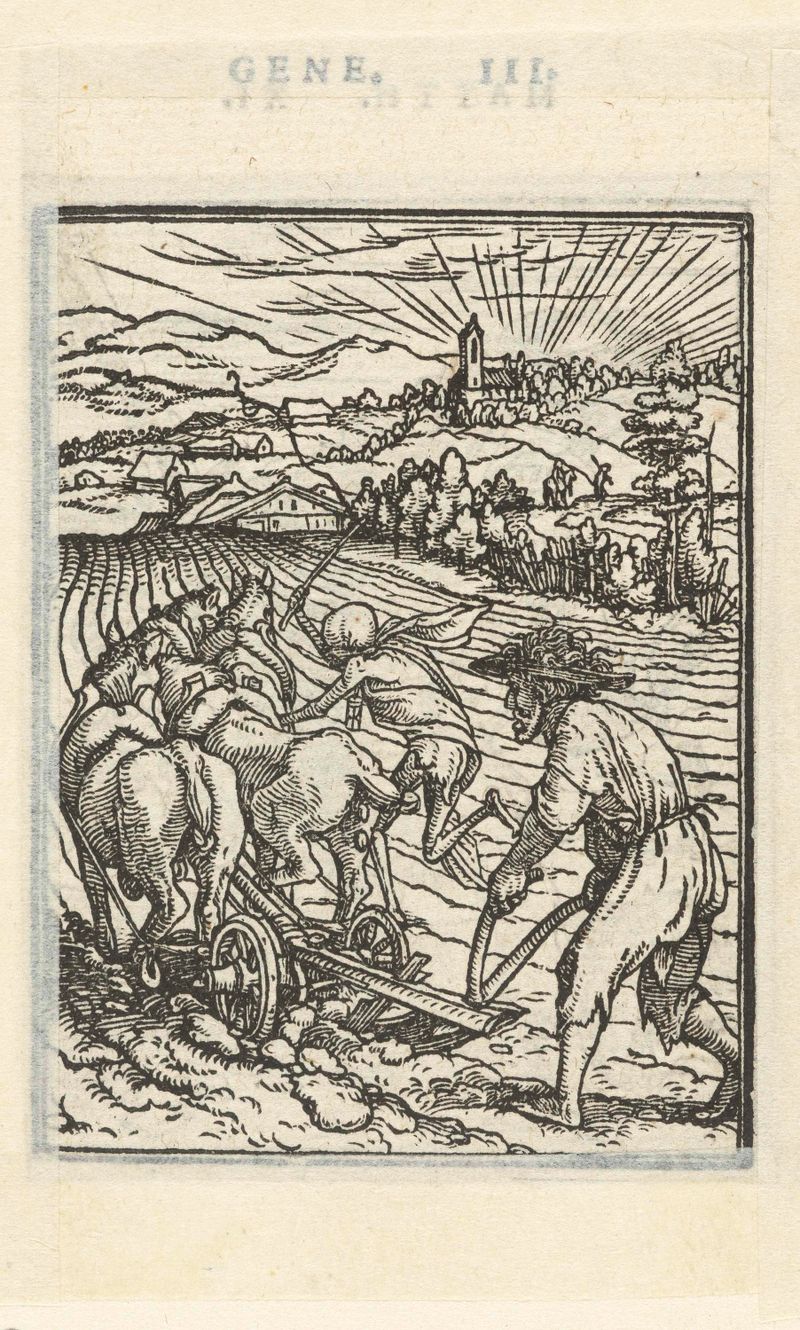
Boer en de Dood
Hans Holbein (II)
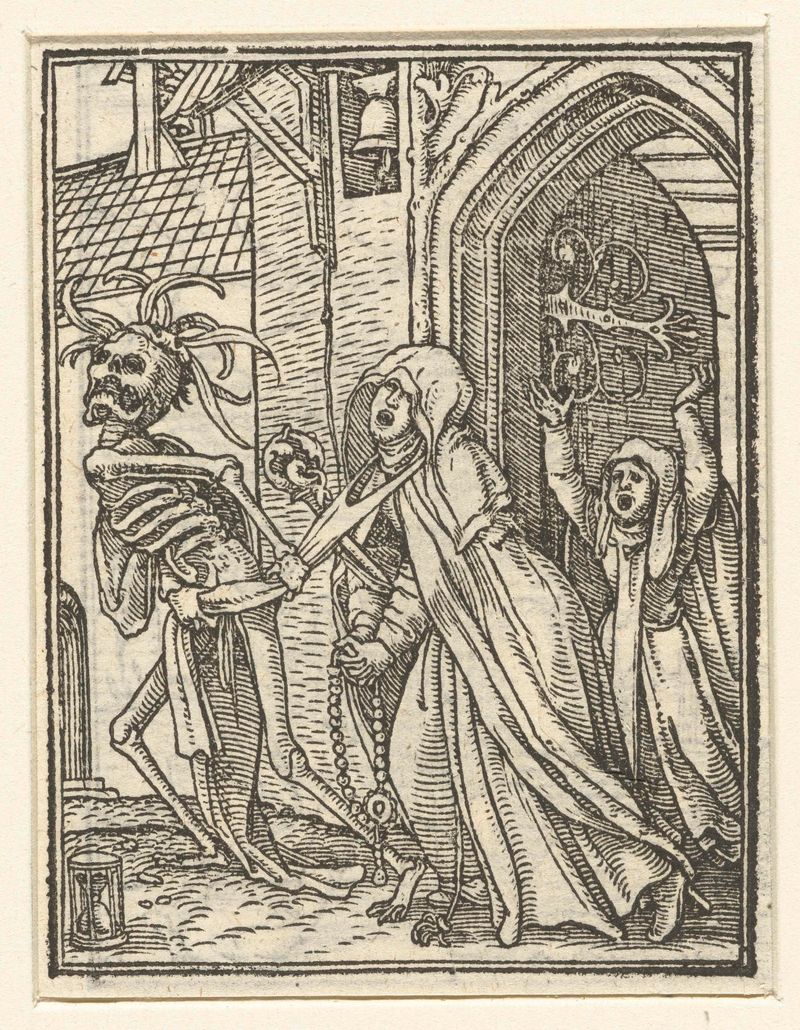
Abdis en de Dood
Hans Holbein (II)
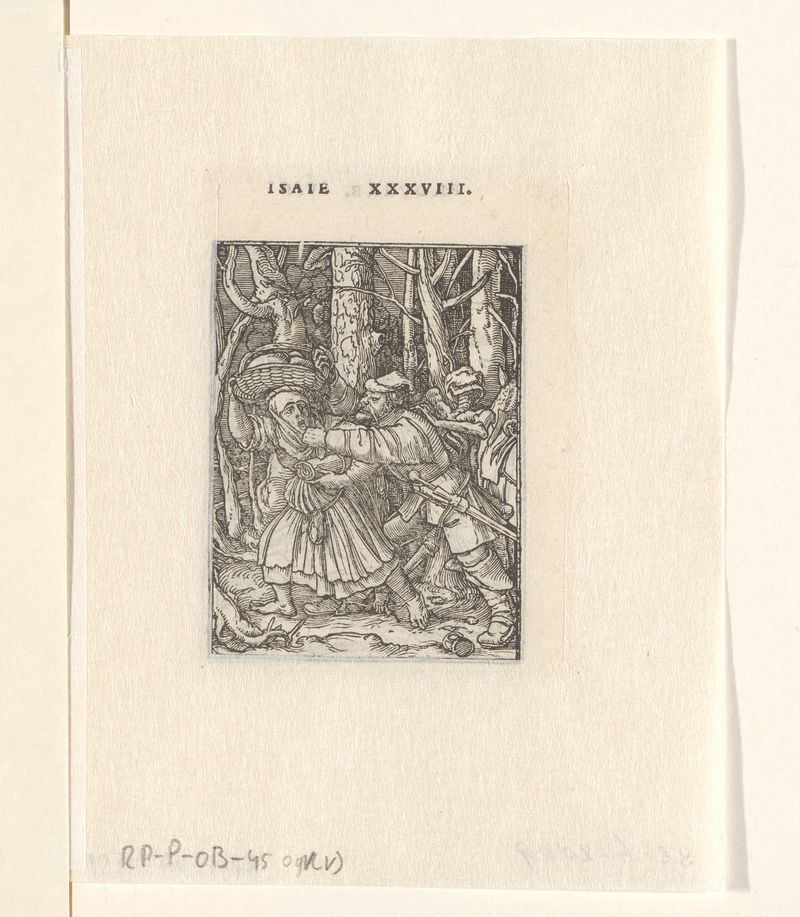
Dief en de Dood
Hans Holbein (II)
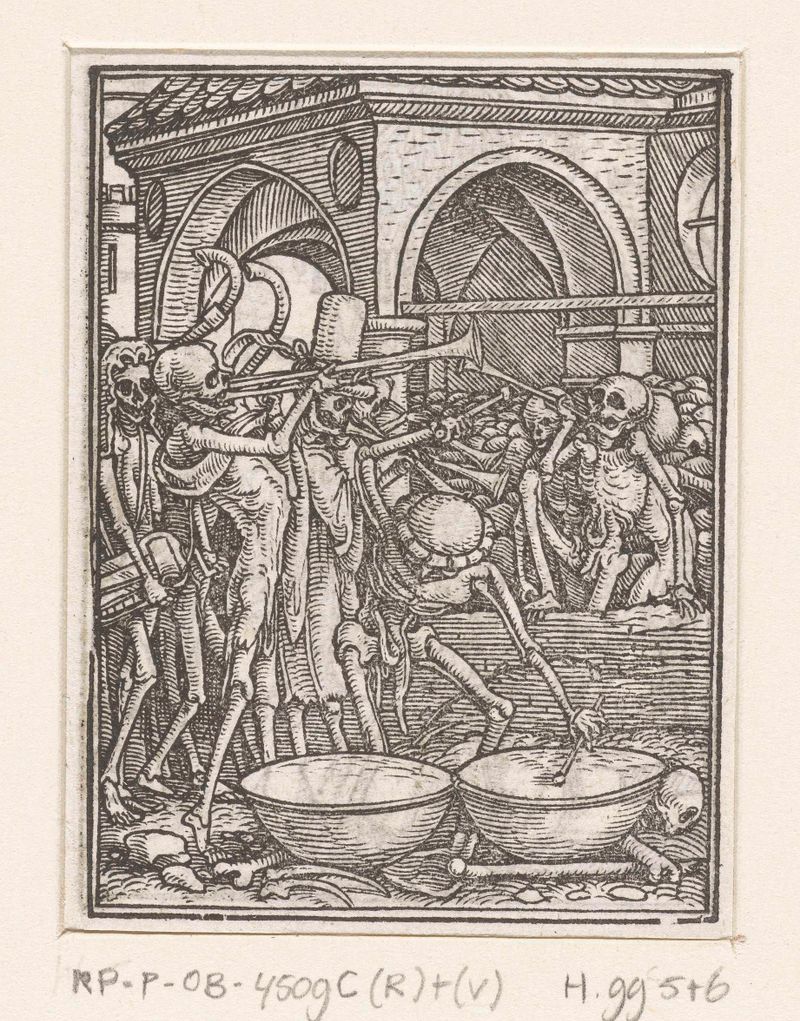
Skeletons Making Music from Dance of the Dead
Hans Holbein (II)
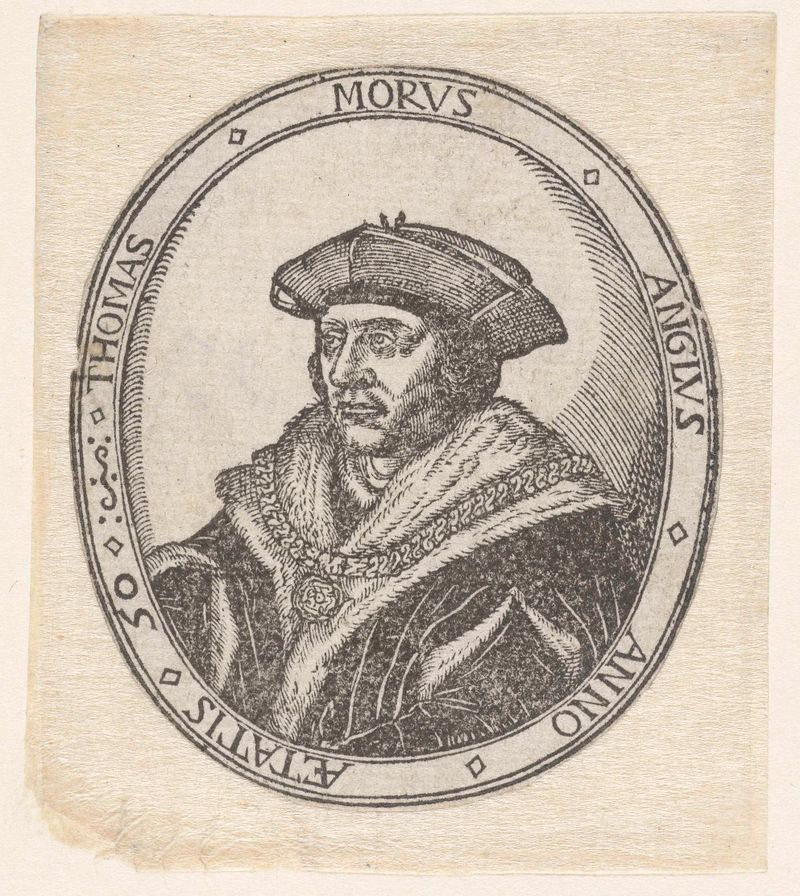
Portret van Thomas More
Hans Holbein (II)
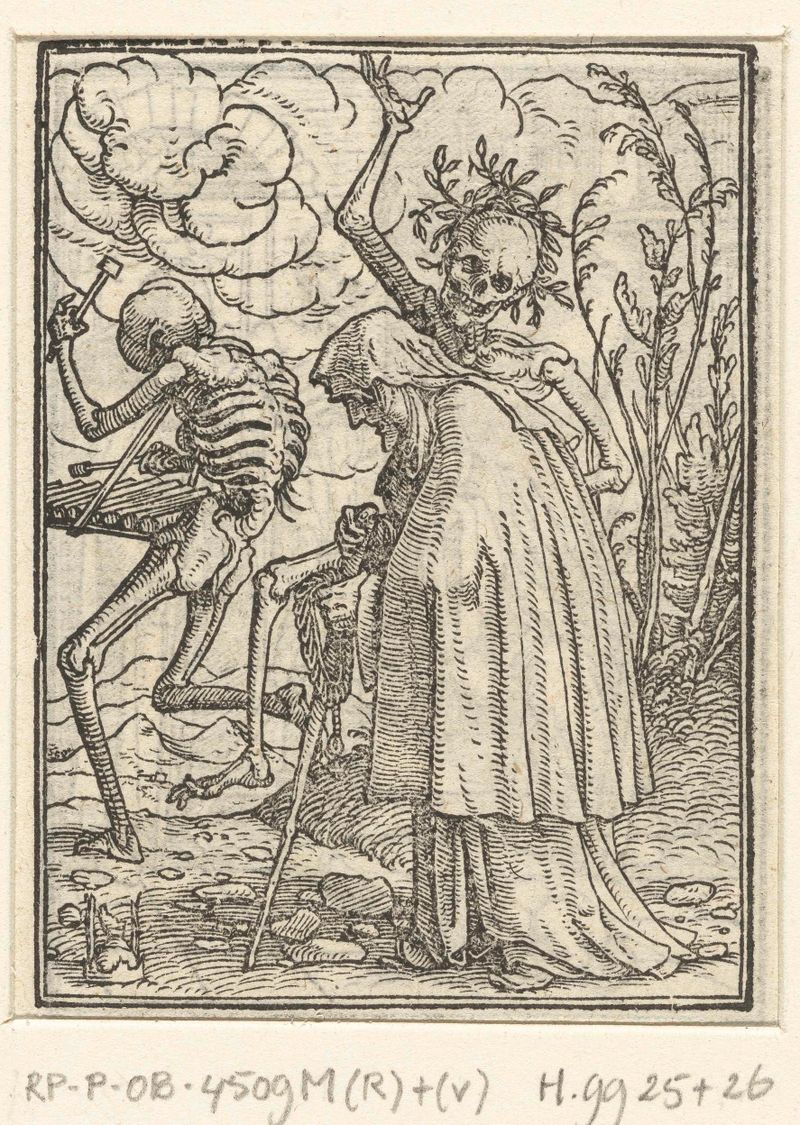
Oude vrouw en de Dood
Hans Holbein (II)
More Architecture Art
Browse all →
The statue of Liberty
Frédéric Auguste Bartholdi

View of Houses in Delft, Known as ‘The Little Street’
Johannes Vermeer

View of Houses in Delft, Known as ‘The Little Street’
Johannes Vermeer

The Cathedral in Rouen. The portal, Grey Weather
Claude Monet

The yellow house
Vincent van Gogh

The Church in Auvers-sur-Oise, View from the Chevet
Vincent van Gogh