
Open Landscape with the Alpine Foothills and Stream — History & Facts
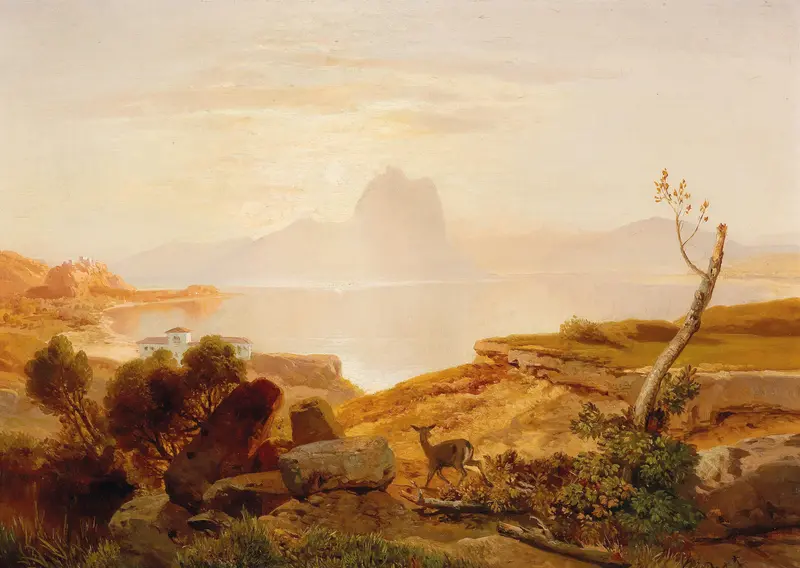
The eye is drawn first to the gentle bend of the stream, where water catches the sky’s reflection and leads you into a world of layered green. The trees crowd together in a dense, sunlit tangle, their leaves painted with a precision that invites you to imagine the rustle of a breeze. In the foreground, the sandy bank and tufts of grass suggest a quiet, undisturbed place, while the lone tree leaning over the water hints at the slow work of time and weather.
The horizon opens wide, revealing distant blue foothills beneath a sky alive with cloud and light, and a few birds barely visible in flight. Every detail feels chosen to slow the viewer’s pace, to encourage a moment of stillness before the expanse. Painted by Albert August Zimmermann by 1888, this landscape belongs to a tradition that flourished in nineteenth-century Europe, when artists and collectors alike sought out scenes of unspoiled nature. Such works were often commissioned or purchased by a rising middle class eager to bring the peace of the countryside into their homes—an antidote to the rapid urbanization of the era.
The painting’s presence today in a collection devoted to nineteenth-century paintings and watercolours, as documented by its listing at Dorotheum, speaks to the enduring appeal of this vision of nature. History has kept few traces of the specific journey of this canvas, but its quiet invitation remains: to look again, and let your eye wander from water’s edge to distant mountain.
More Artworks by Albert August Zimmermann
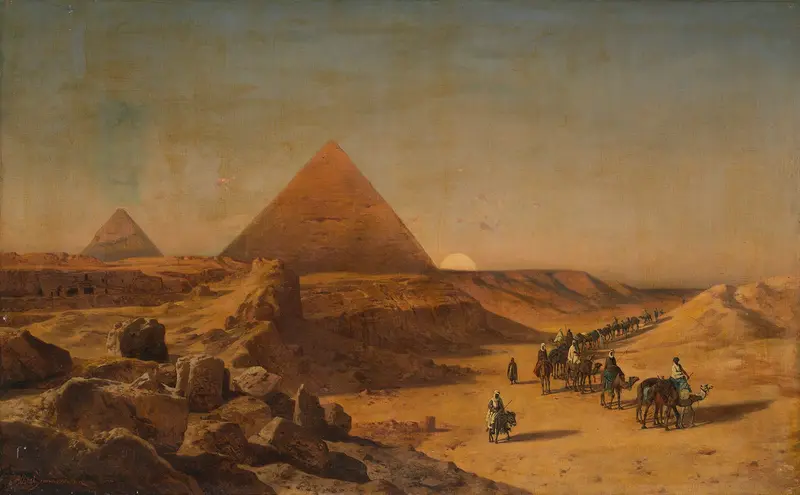
Pyramids
Albert August Zimmermann

Schwäbische Alb
Albert August Zimmermann
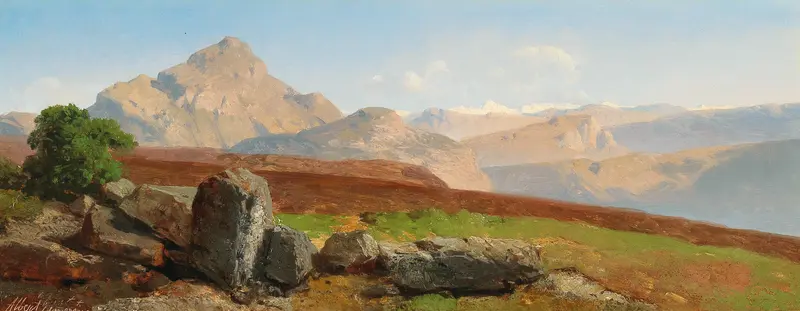
Mountain Landscape
Albert August Zimmermann
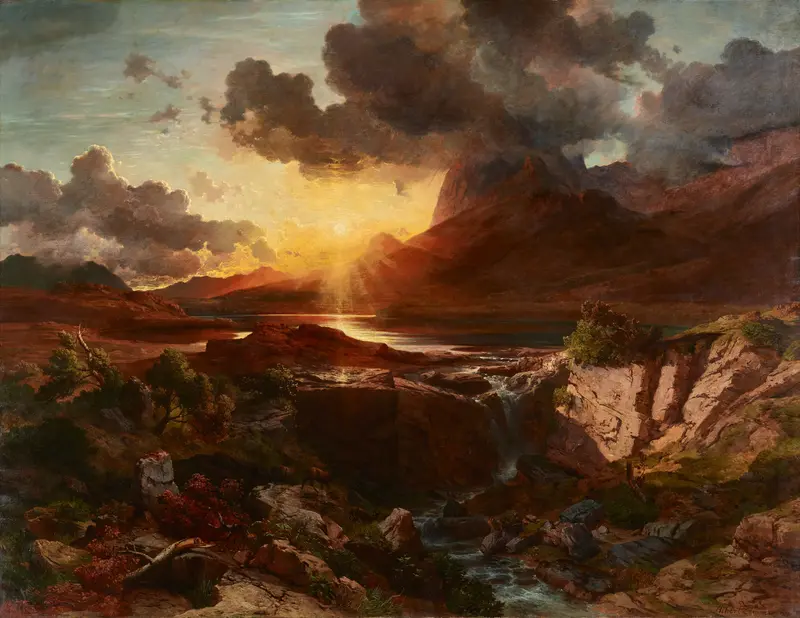
Sonnenuntergang am Hintersee in Berchtesgaden 13 Österreichische Galerie Belvedere
Albert August Zimmermann
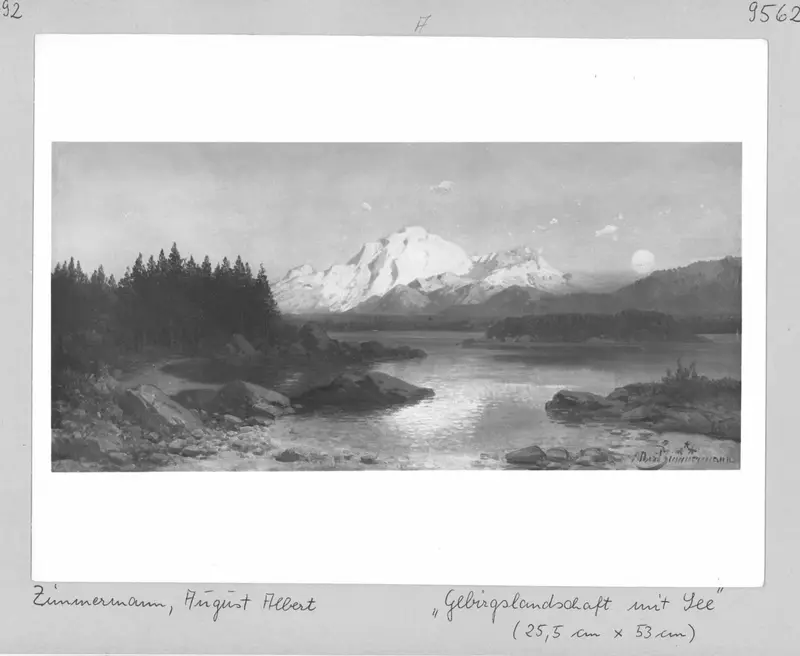
Mountain-landscape with lake
Albert August Zimmermann
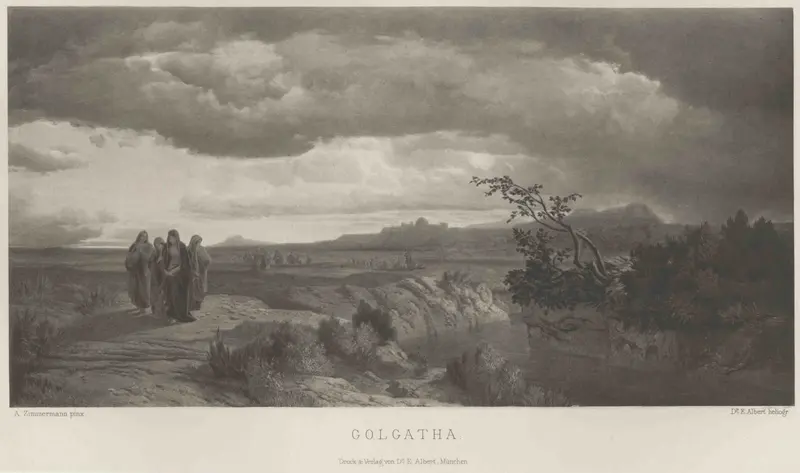
Golgatha
Albert August Zimmermann
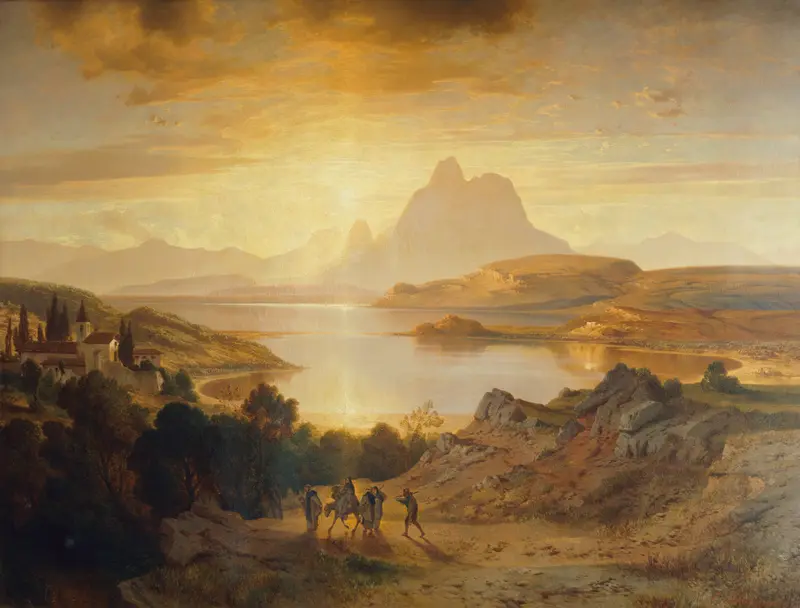
Lago di Lugano 65 Österreichische Galerie Belvedere
Albert August Zimmermann
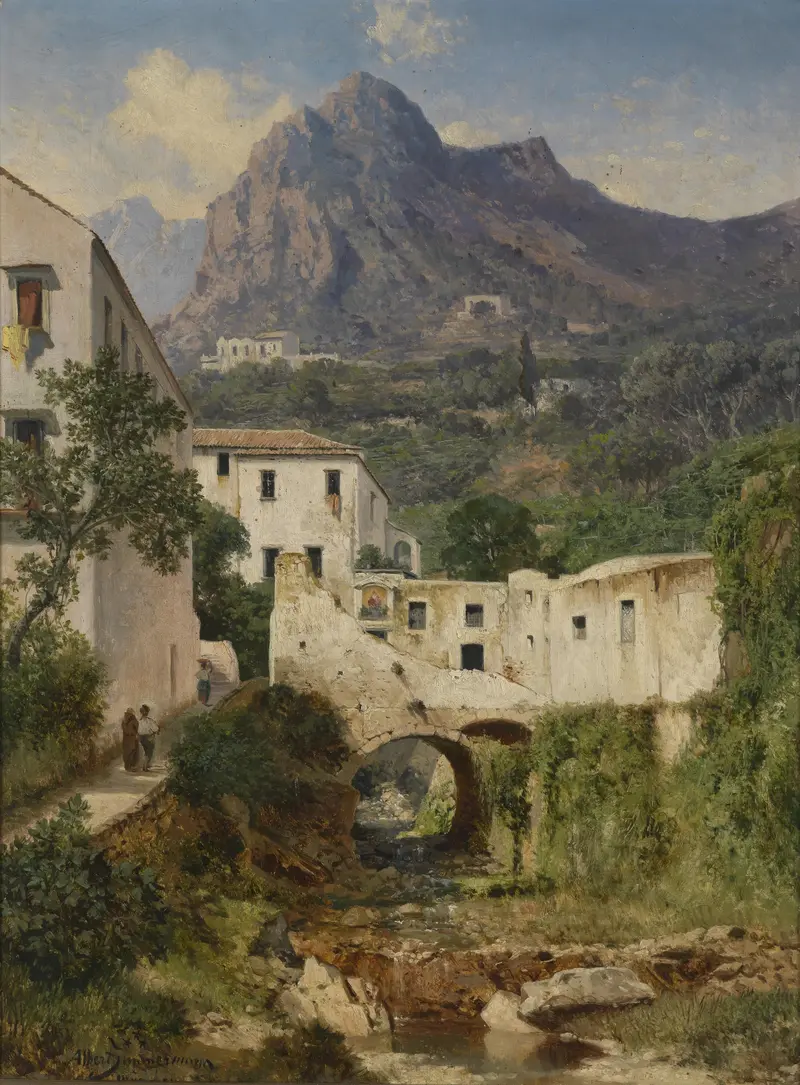
Mühltal bei Amalfi
Albert August Zimmermann
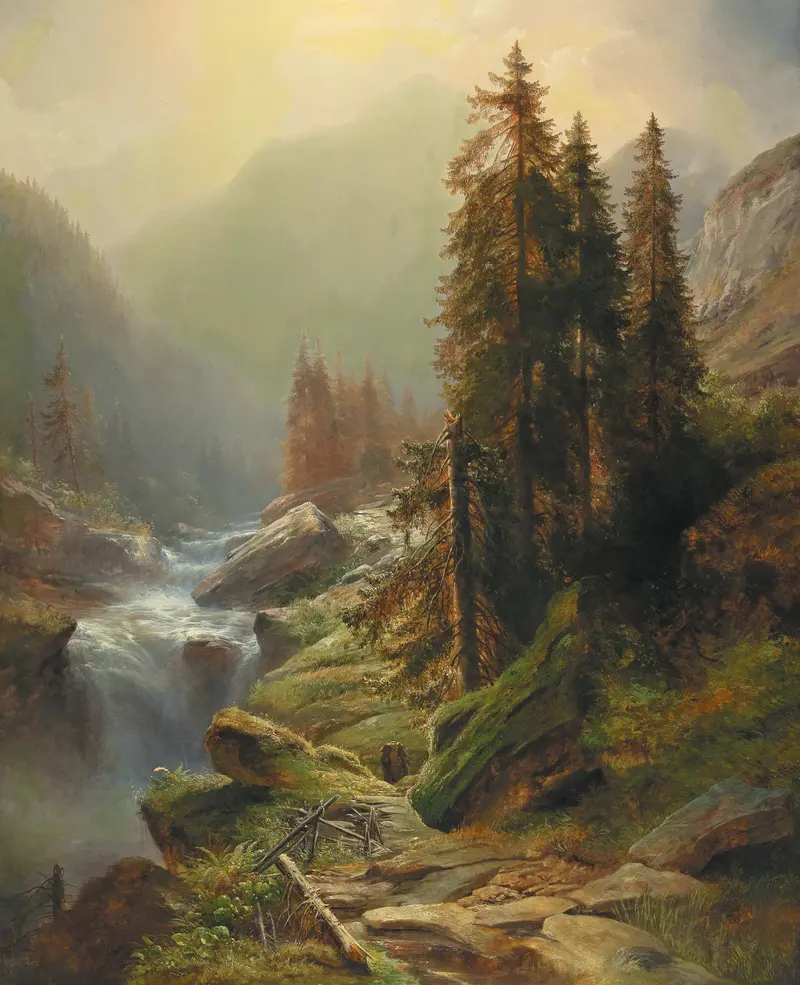
Large Mountain Landscape
Albert August Zimmermann
Partie am Como See
Albert August Zimmermann
More Landscape Art

The Starry Night
Vincent van Gogh

View of Delft
Johannes Vermeer

Water Lilies
Claude Monet

The Grand Canal, Venice, looking north-west from the Ca' Corner to the Ca' Contarini degli Scrigni, with the campanile of Santa Maria della Carità
Canaletto

Windsor Castle
Canaletto

The Grand Canal looking North-East from the Palazzo Dolfin-Manin to the Rialto Bridge
Canaletto