
Orchard — History & Facts
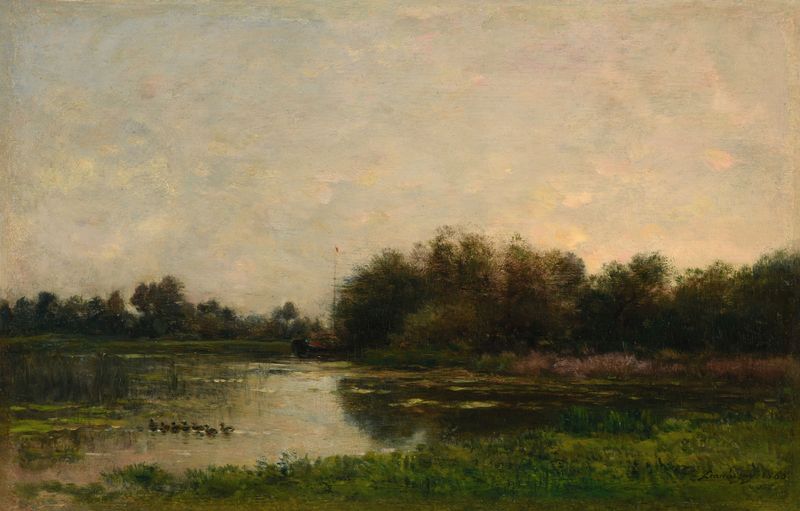
In the stillness of an orchard, whispers of change flutter like leaves in a breeze, beckoning revolution in both spirit and nature. Look to the left at the lush greenery, where dappled sunlight filters through the branches, casting playful shadows on the ground. The vibrant hues of green clash with earthy browns and splashes of color from ripe fruit, creating a harmonious yet electric atmosphere. Notice how the brushstrokes dance across the canvas, each stroke alive with intention; Daubigny’s technique captures the essence of life, pulsating with the energy of the orchard itself. As you explore the scene, observe the juxtaposition of tranquility and anticipation.
The boughs are heavy with fruit, symbolizing abundance and the promise of harvest, while the looming clouds in the distance suggest an impending storm, reflecting the tension between nature's beauty and the unpredictability of change. The interplay of light and shadow reveals a deeper narrative; perhaps it speaks to the struggles of the artist’s time, echoing the societal shifts that were brewing beneath the surface. Created between 1865 and 1869, this work emerged during a pivotal moment for Daubigny, who was deeply engaged in the evolving landscape of French art. The era was marked by the rise of Impressionism, which challenged traditional methods, prompting artists to embrace spontaneity and the natural world.
Amid this artistic revolution, Daubigny sought to capture the essence of rural life, reflecting the shifting tides of society with each brushstroke.
More Artworks by Charles François Daubigny
Browse all →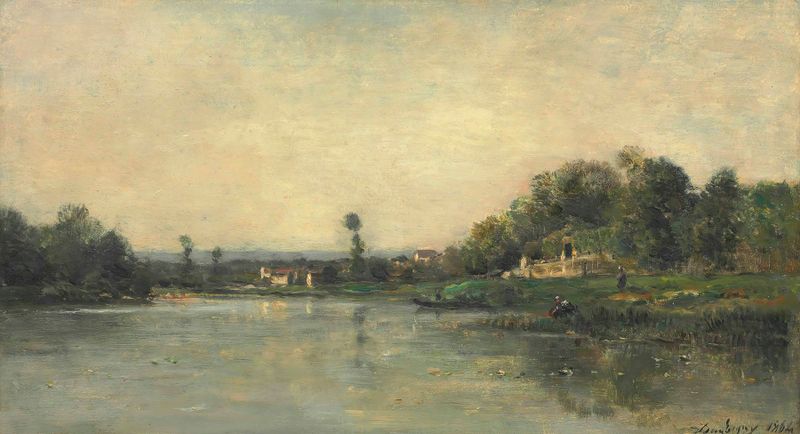
Les Bords De L’oise
Charles François Daubigny
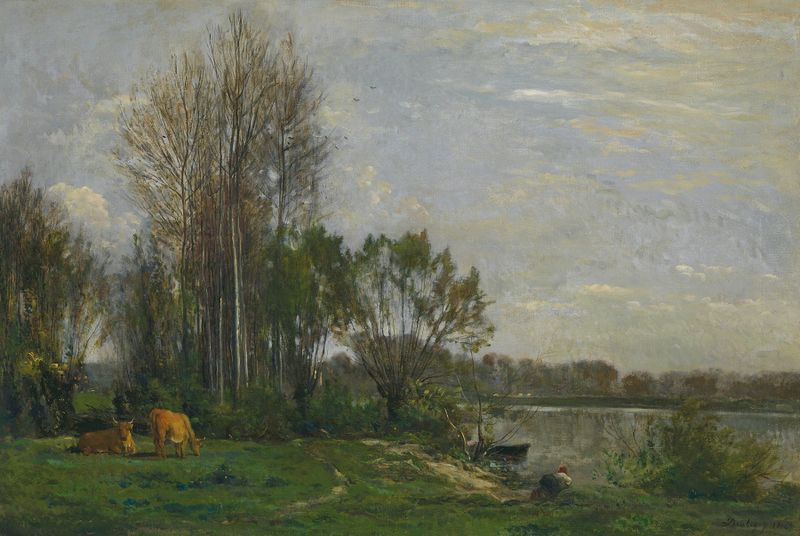
Les Bord De L’oise
Charles François Daubigny
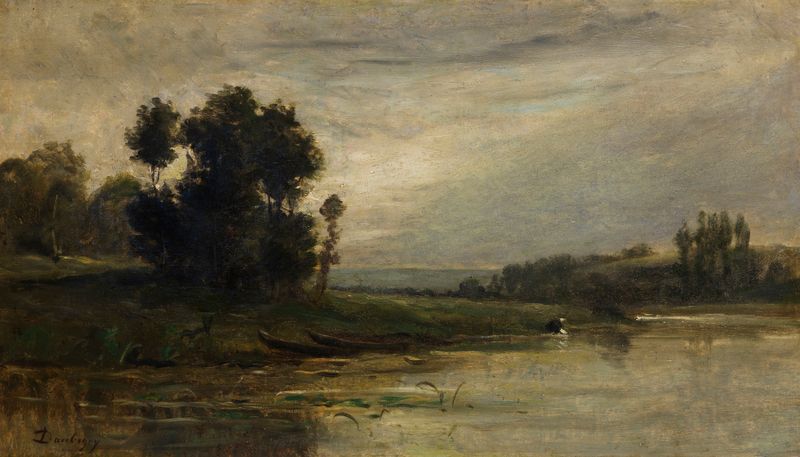
Bords de l’Oise
Charles François Daubigny
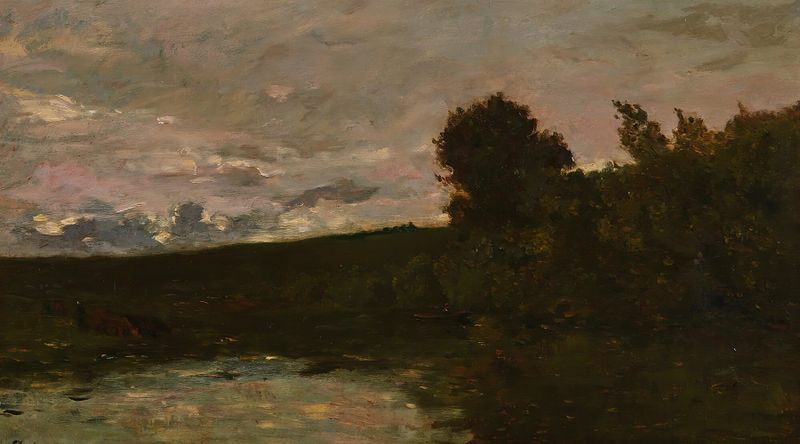
Bord De Riviére
Charles François Daubigny
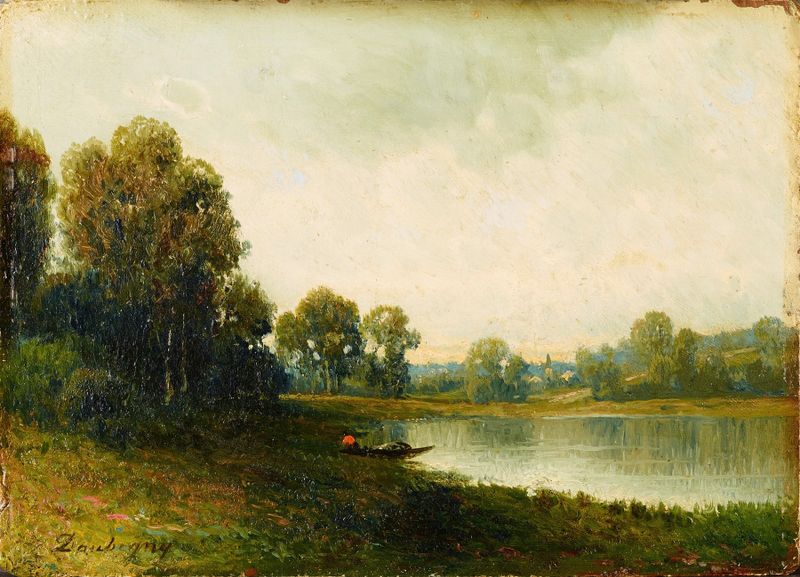
Landscape
Charles François Daubigny
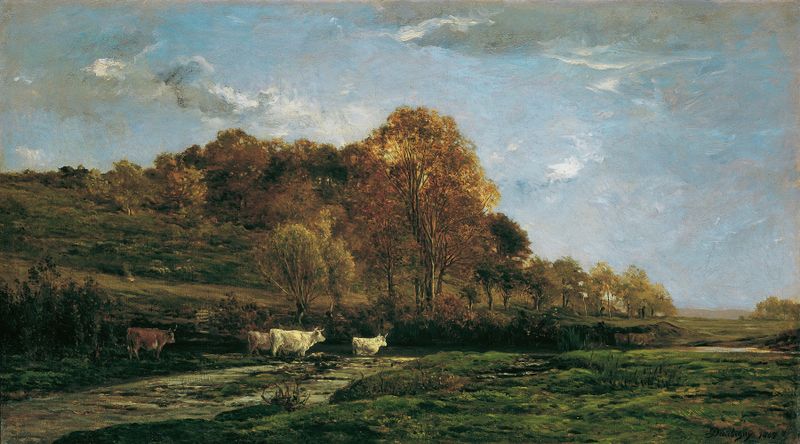
Herbstliche Aulandschaft Abendstimmung
Charles François Daubigny
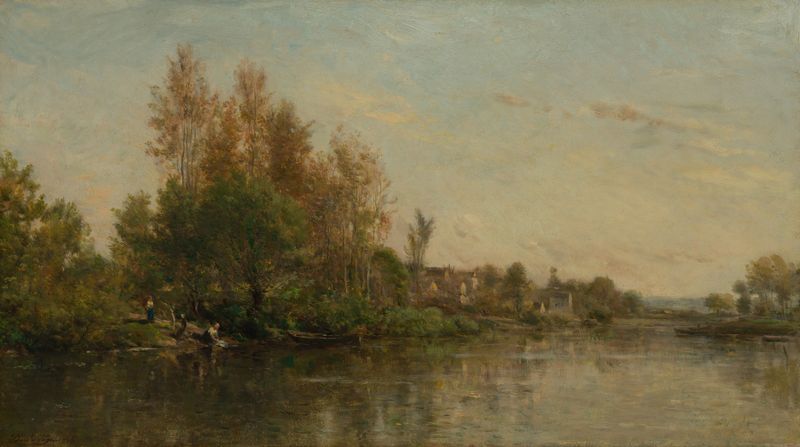
The Banks of the Oise
Charles François Daubigny
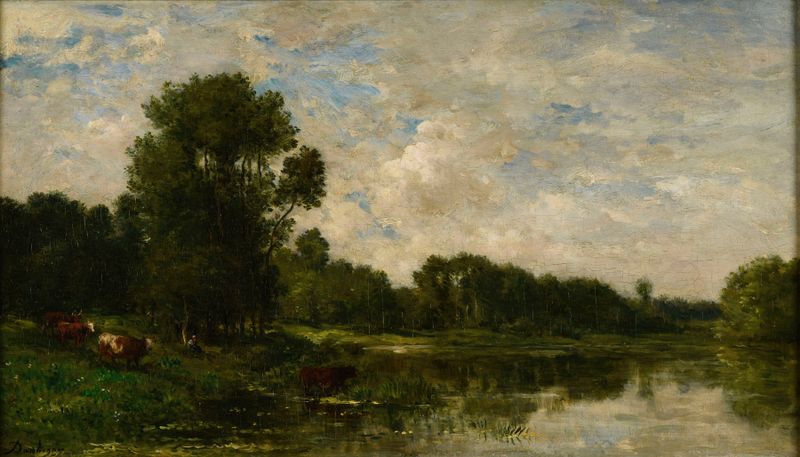
Bords de l’Oise
Charles François Daubigny
Bords de l’Oise
Charles François Daubigny
Scène de rivière (River Scene)
Charles François Daubigny





