
Oriskany — History & Facts
Could beauty survive in a century of chaos? This question lingers in the air, echoing through the brushstrokes and colors of a world steeped in loss and longing. Look to the left at the haunting silhouette of a lone tree, its gnarled branches stretching toward a vast, turbulent sky. The contrasts in this work are immediately striking; soft pastels bleed into deep, brooding blues, creating a visceral tension between serenity and turmoil. The foreground, a vibrant tapestry of greens and browns, pulls the viewer in, inviting a moment of contemplation amid nature’s chaos.
The delicate interplay of light and shadow enhances the emotional weight, capturing a fleeting beauty that belies the underlying sense of despair. Nestled within the composition are subtle details that whisper of deeper narratives—perhaps the tree, with its tenacity, symbolizes resilience amid decay, or the colors evoke an unresolved tension between hope and desolation. The expansive sky looms overhead, a reminder of nature's indifference to human struggles, while the gentle brushwork suggests a fleeting moment of stillness that invites reflection on loss and the passage of time. Together, these elements weave a complex emotional landscape, prompting the viewer to confront their own experiences of beauty and absence. In 1897, during a time of great transition in American art, Peixotto painted this evocative piece while living in California.
Influenced by the plein air movement and the rise of impressionism, he sought to capture the essence of the American landscape and its inherent beauty. Yet, amid flourishing creativity, the echoes of societal upheaval and personal loss lingered, shaping his artistic vision and infusing Oriskany with an enduring sense of poignancy.
More Artworks by Ernest Peixotto
Browse all →
Fort Moultrie on the Site of Old Fort Sullivan
Ernest Peixotto
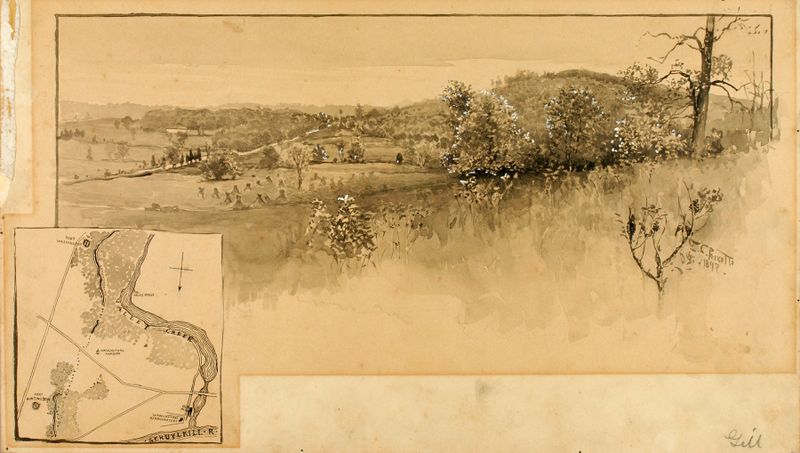
Valley Forge
Ernest Peixotto
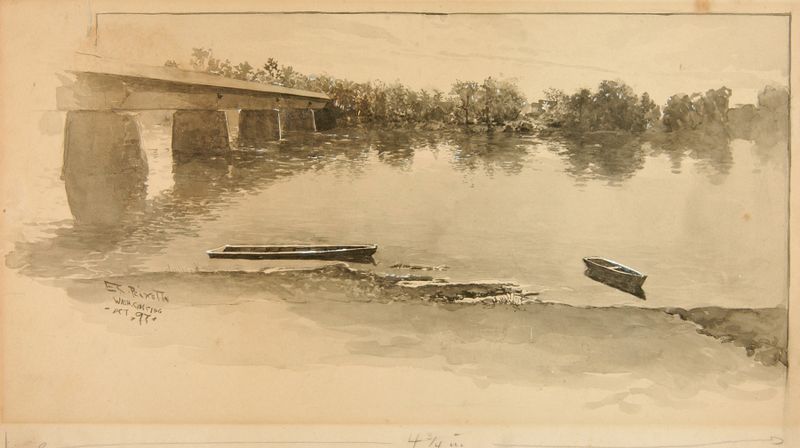
Washington Crossing
Ernest Peixotto

Ticonderoga
Ernest Peixotto
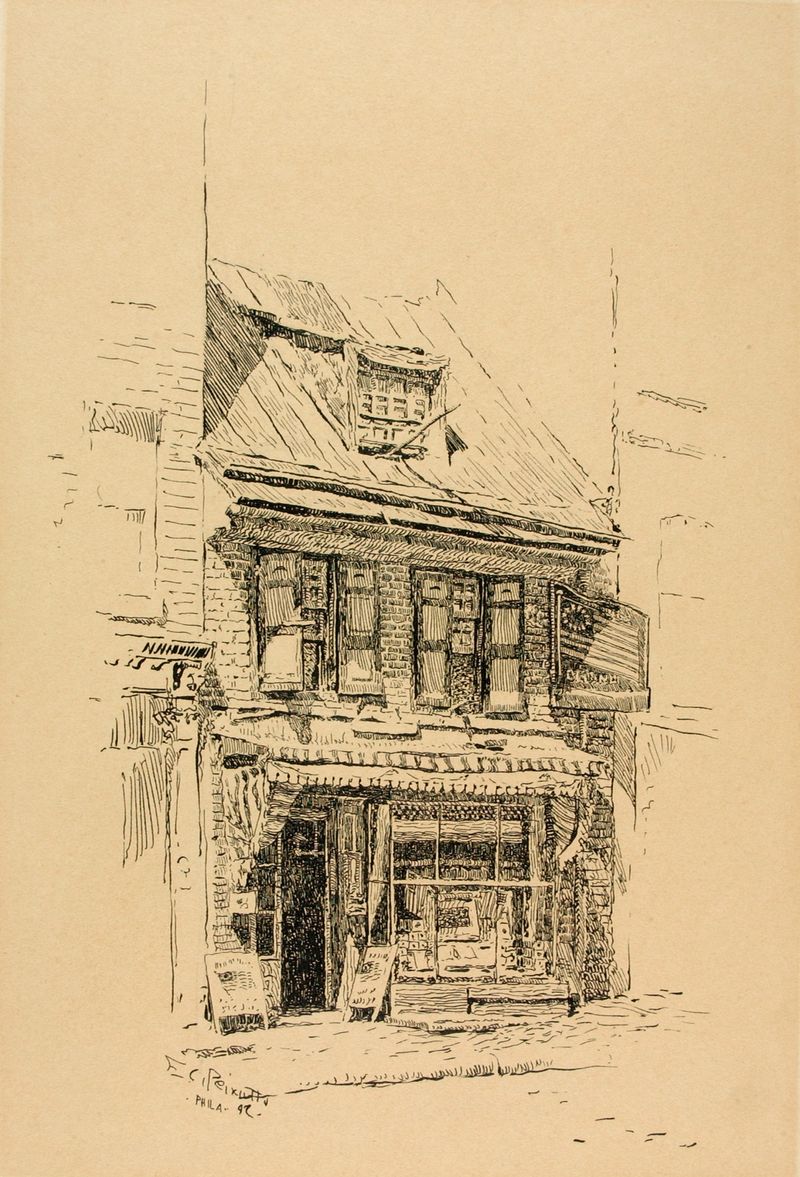
House Where First American Flag Was Made
Ernest Peixotto
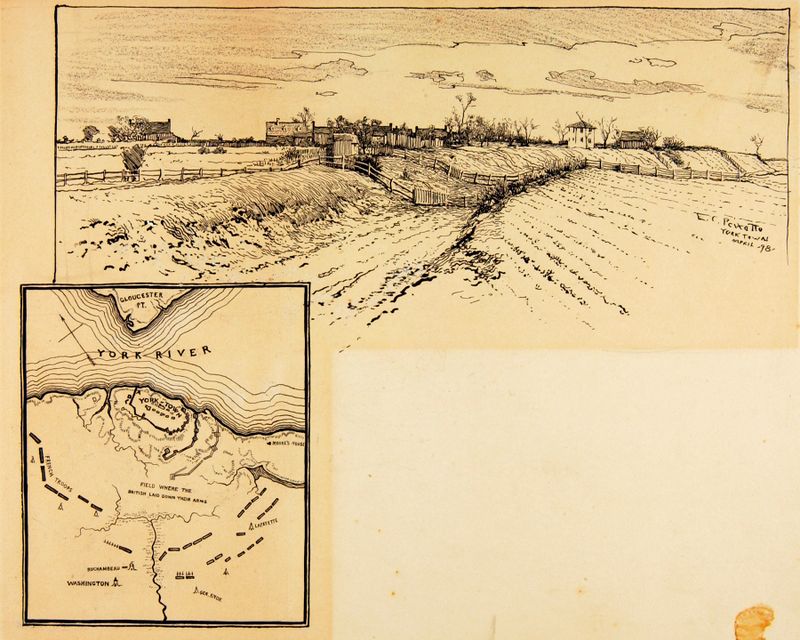
Present Appearance of British Entrenchment, Yorktown
Ernest Peixotto
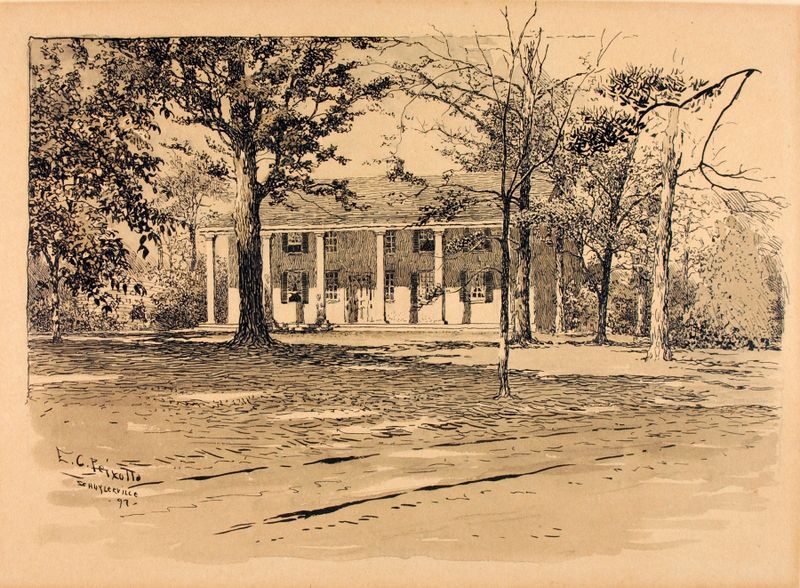
Saratoga. General Schuyler’s House
Ernest Peixotto
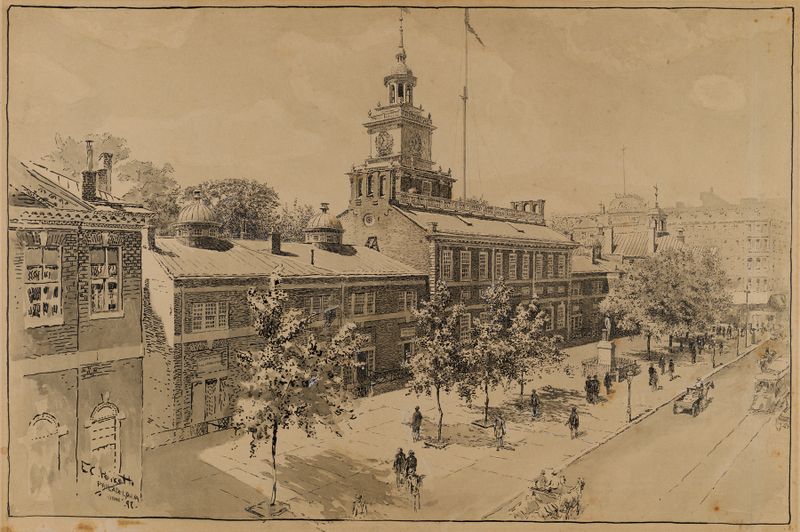
Philadelphia, Independence Hall, Chestnut Street
Ernest Peixotto
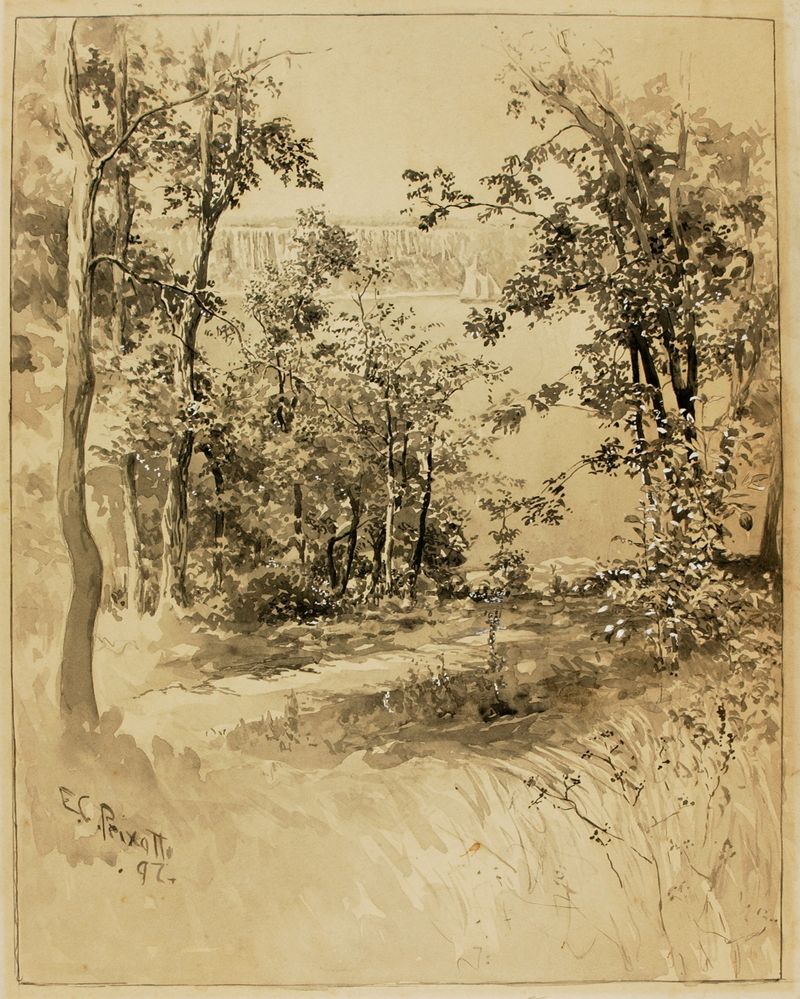
New York, Site of Fort Washington, Looking at Fort Lee
Ernest Peixotto

Capture of Fort Ticonderoga
Ernest Peixotto





