Ornamentele schaal met Neptunus — History & Facts
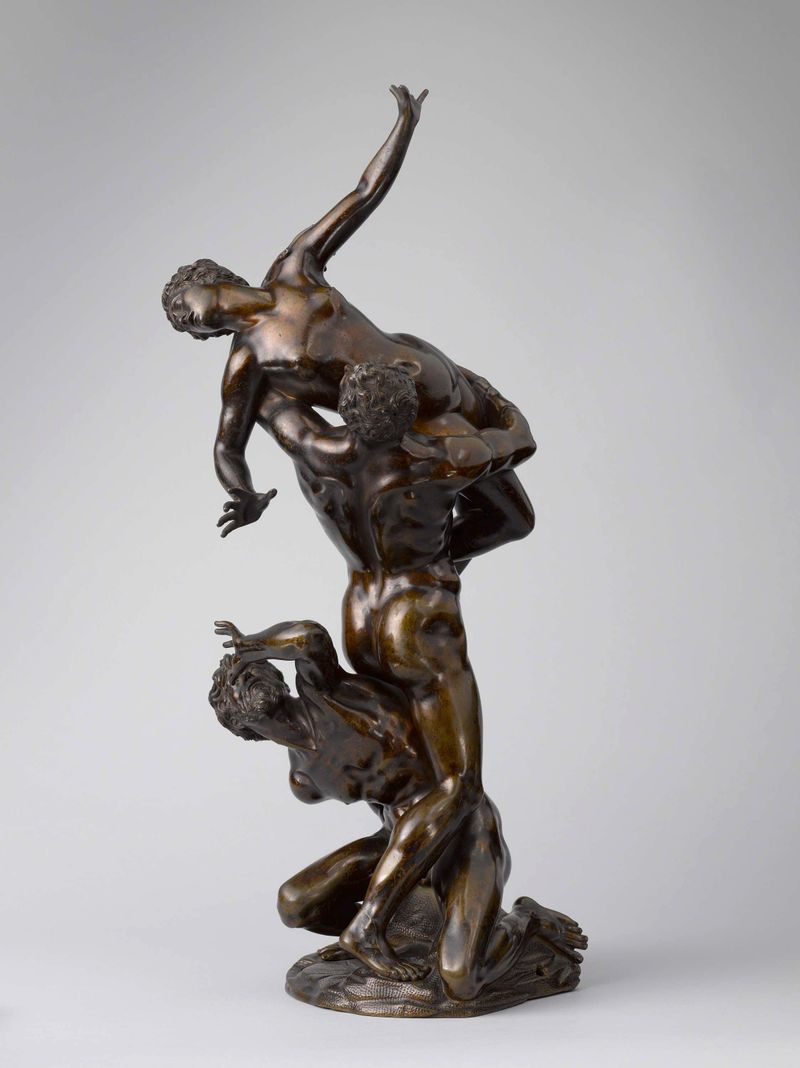
Who listens when art speaks of silence? In Ornamentele schaal met Neptunus, the dialogue unfolds not through sweeping narratives but through meticulous details, inviting a deeper contemplation of beauty and illusion. Look closely at the exquisite shell, cradling the figure of Neptune, the god of the sea. Notice how the artist has rendered the surface with a delicate interplay of light and shadow, each curve and contour meticulously crafted to evoke a sense of liquid motion. The intricate patterns of the shell draw the eye, while the muted palette of browns and greens creates a harmonious connection to nature, grounding the divine figure within the material world. As you explore further, observe the tension between opulence and fragility—the grandeur of Neptune contrasted against the delicate form of the shell.
The elemental forces of water, embodied in Neptune, seem to pulse beneath the surface, as if the shell can barely contain the vibrant energy of the sea god. This juxtaposition encourages a reflection on illusion; the ornate shell serves not only as a vessel for Neptune but also as a symbol of the transient beauty of art itself, eliciting a momentary escape from reality. In 1646, Wenceslaus Hollar found himself in the bustling artistic hub of Amsterdam, where he was influenced by the grandeur of Baroque aesthetics. At this time, he was establishing his reputation as a skilled etcher and draftsman, capturing both the elegance and complexity of the natural world.
His work during this period reflects a keen awareness of the interplay between art and perception, resonating with the broader artistic movements of his time while carving out his unique voice.
More Artworks by Wenceslaus Hollar
Browse all →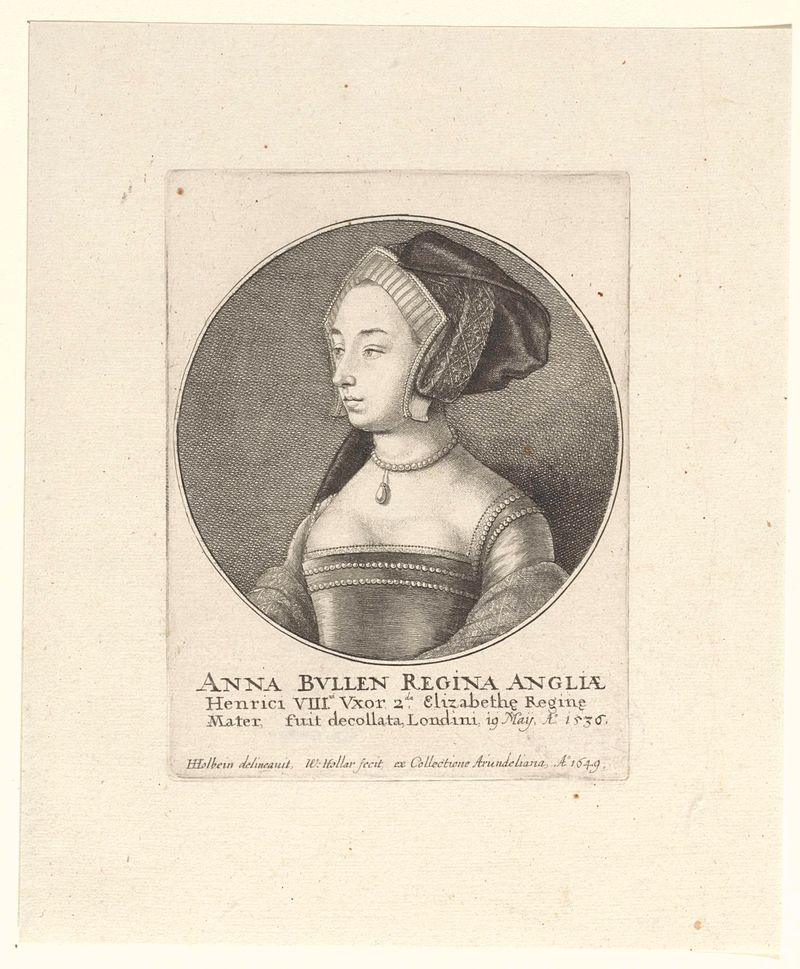
Portret van Anna Boleyn, koningin van Engeland
Wenceslaus Hollar
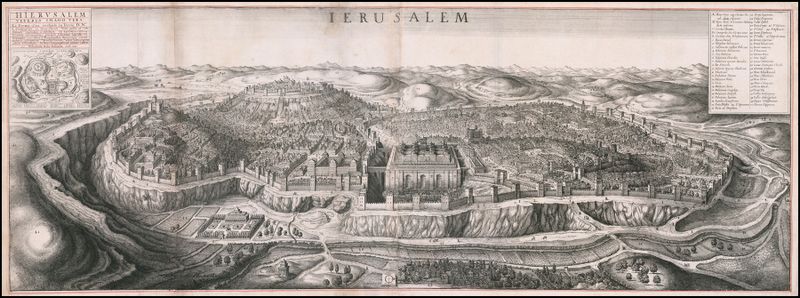
Bird’s eye view of Jerusalem
Wenceslaus Hollar
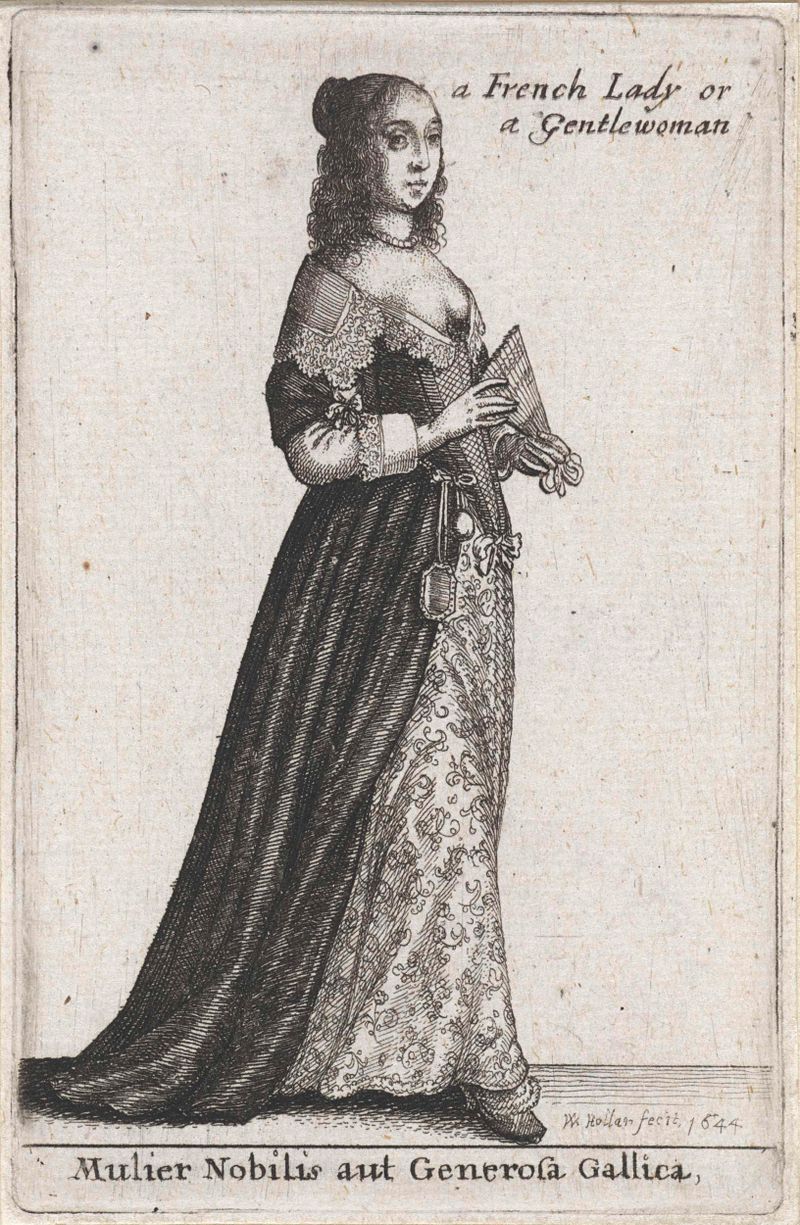
Mulier Nobilis aut Generosa Gallica / a French Lady or Gentlewoman
Wenceslaus Hollar
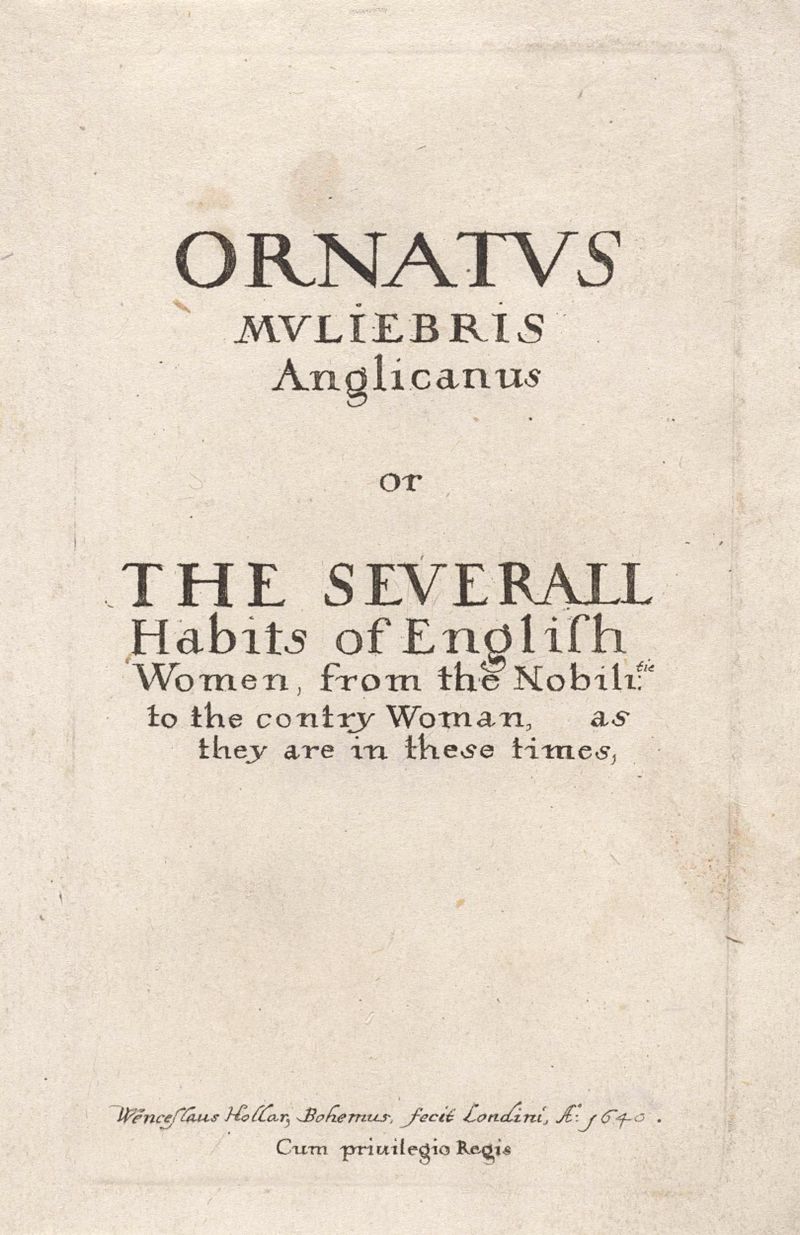
Titelprent voor: Ornatus Muliebris Anglicanus
Wenceslaus Hollar
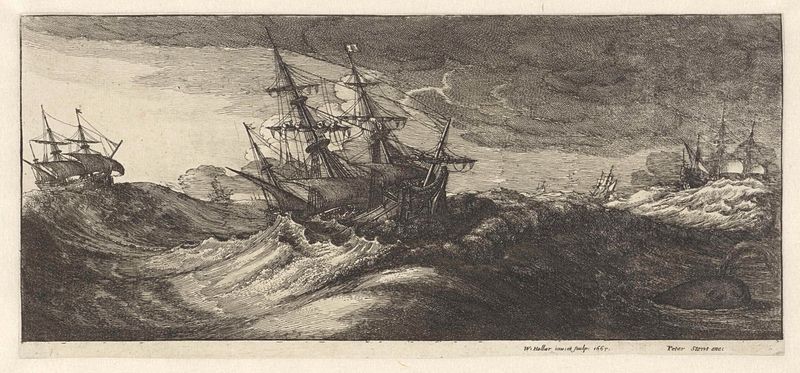
Oorlogsschepen en een walvis in een zeestorm
Wenceslaus Hollar
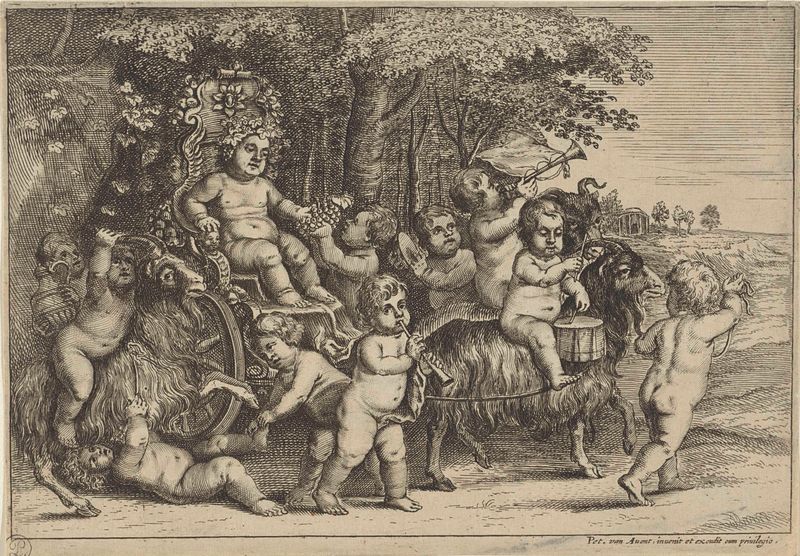
Optocht van bacchant en jongetjes op geiten
Wenceslaus Hollar
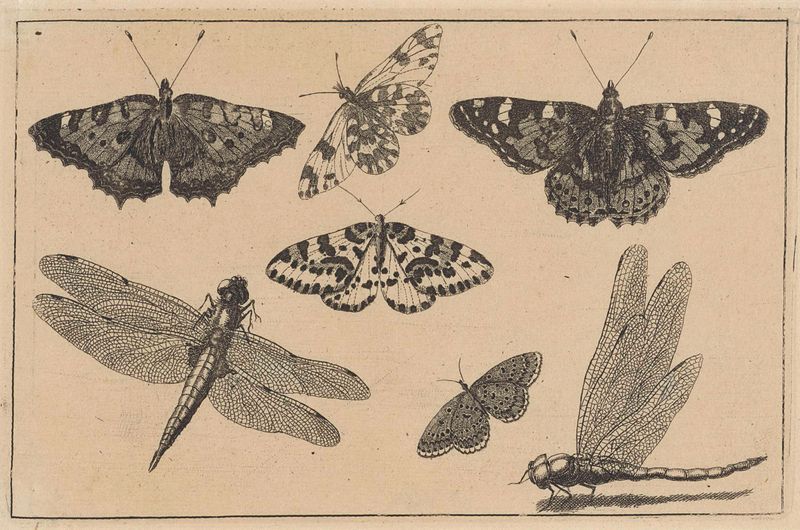
Twee libellen en vijf vlinders
Wenceslaus Hollar
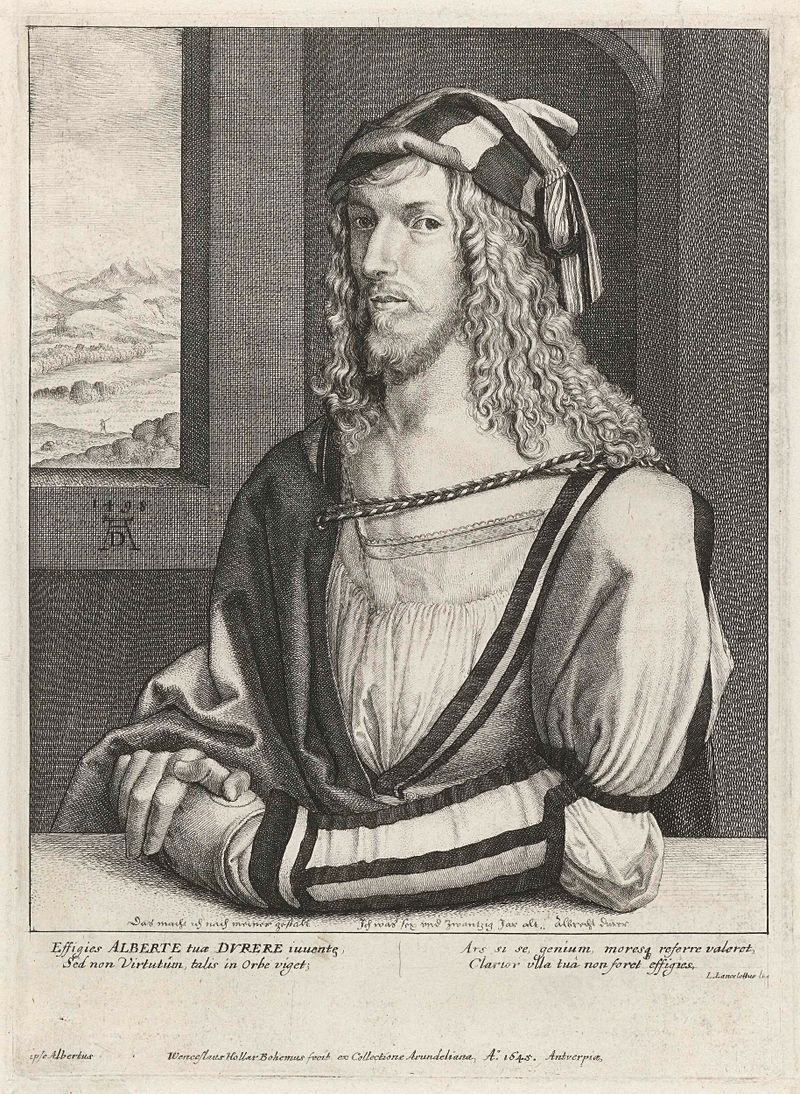
Portret van Albrecht Dürer
Wenceslaus Hollar
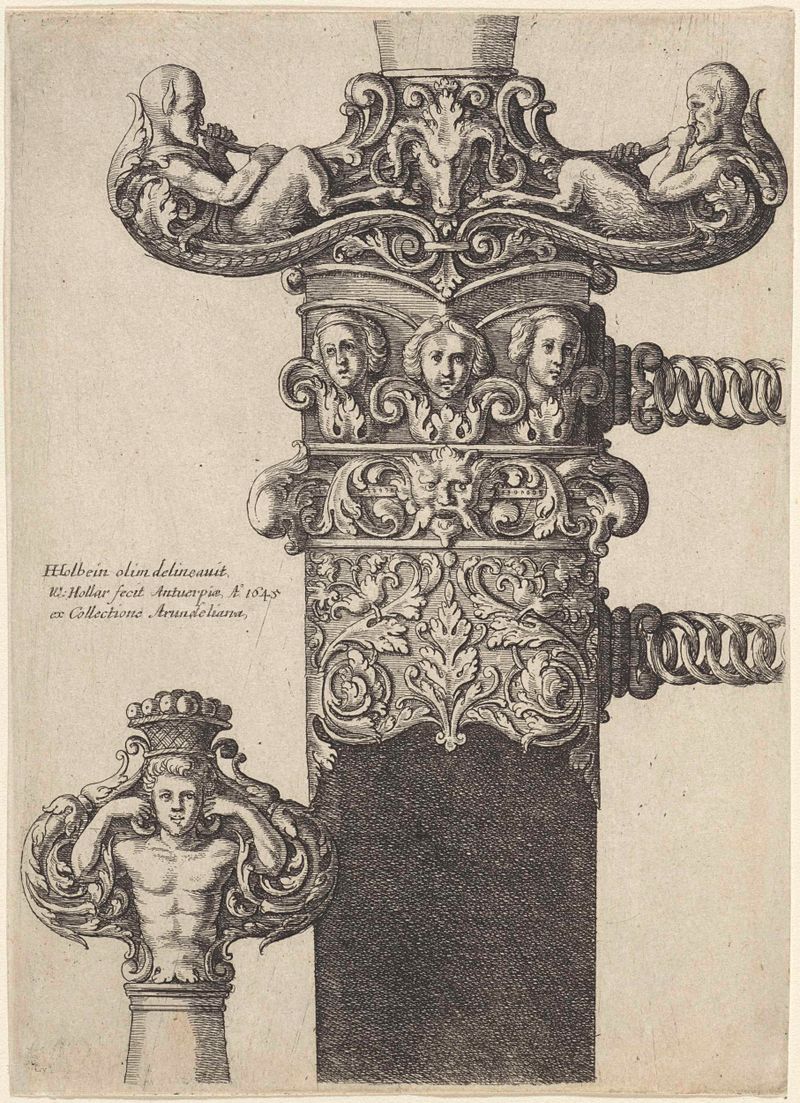
Ornamenteel ontwerp voor een dolk
Wenceslaus Hollar
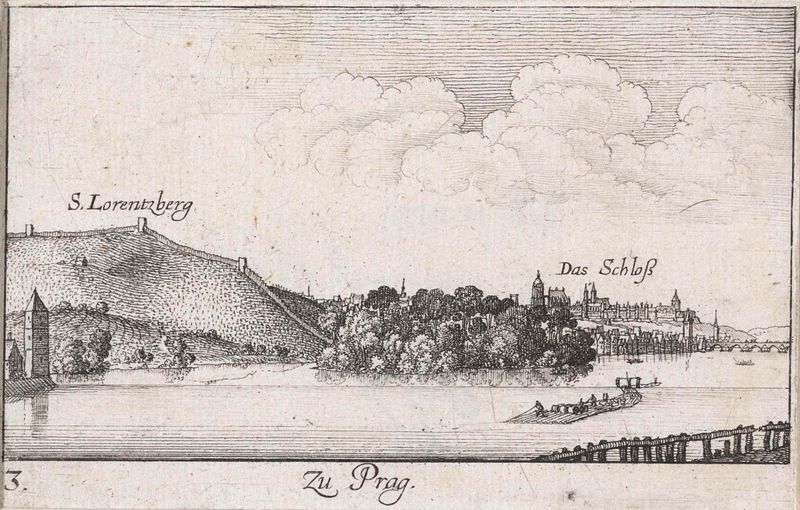
Gezicht op Praag vanaf de Moldau
Wenceslaus Hollar