
Oude man met druiventros — History & Facts
Can paint confess what words never could? In Oude man met druiventros, Lucas van Leyden captures the weight of a life lived, where shadows whisper stories that silence cannot convey. Look closely at the figure's weathered face, etched with lines that suggest a profound journey. Notice how the light gently caresses the contours, illuminating the deep-set eyes while casting a muted shadow across the forehead, revealing both wisdom and weariness. The contrasting colors of rich earth tones and the luminous grapes create an interplay of light and dark, inviting viewers to explore the emotional depth within the subject's gaze. Amidst the presence of the grapes, there lies a deeper narrative about the passage of time and the sweetness of memory.
The clusters, lush and vibrant, stand in contrast to the old man's somber expression, suggesting the bittersweet nature of life—how joy and sorrow often coexist. The shadow that envelops part of his face may symbolize the burdens carried through the years, while the remaining light hints at hope and resilience, suggesting that even in darkness, there is still beauty to be found. Painted between 1521 and 1525, this work reflects van Leyden's mastery during the Northern Renaissance, a period marked by a burgeoning interest in realism and human emotion. At this time, the artist was establishing his reputation in the Netherlands, navigating the complex social and artistic landscape of the era, which was rich with exploration and transformation.
More Artworks by Lucas van Leyden
Browse all →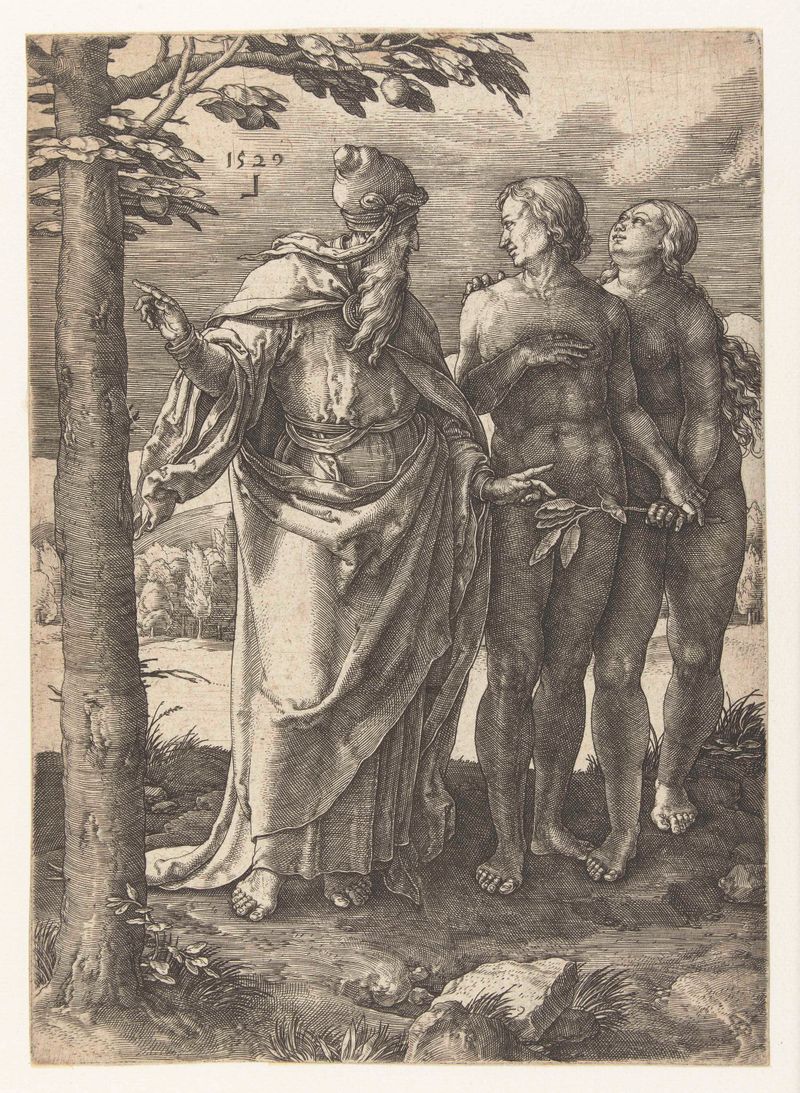
Het eerste verbod
Lucas van Leyden
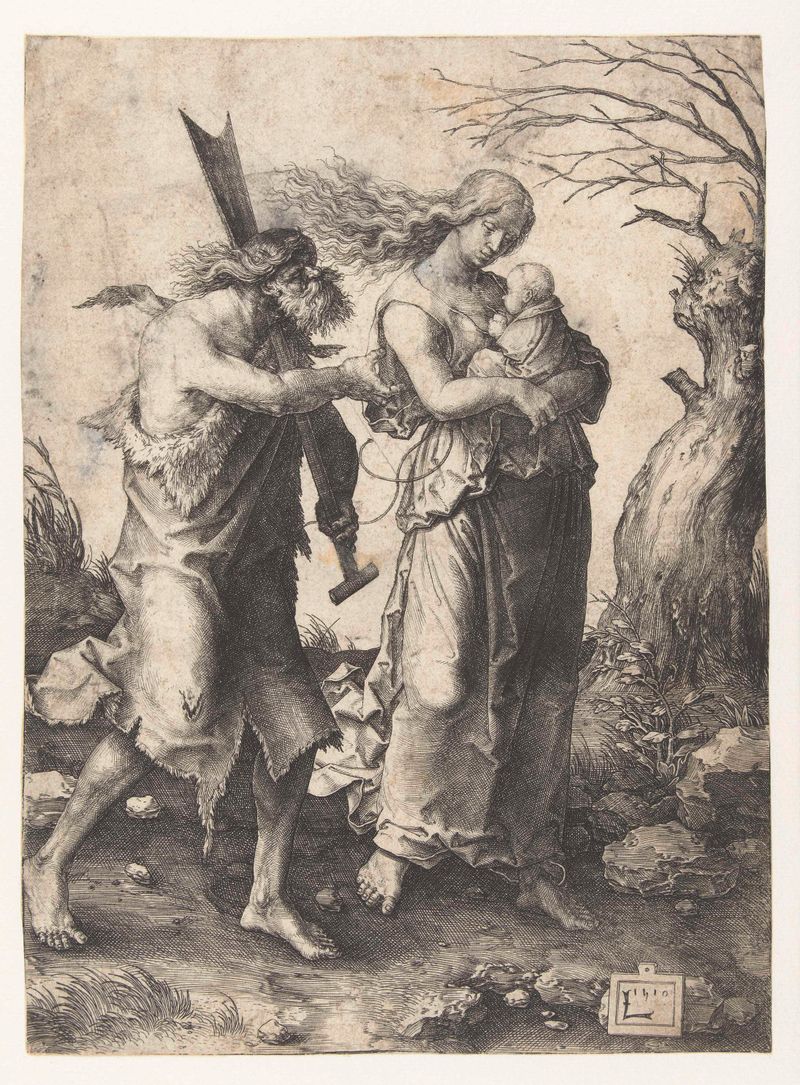
Adam en Eva na de verdrijving uit het paradijs
Lucas van Leyden
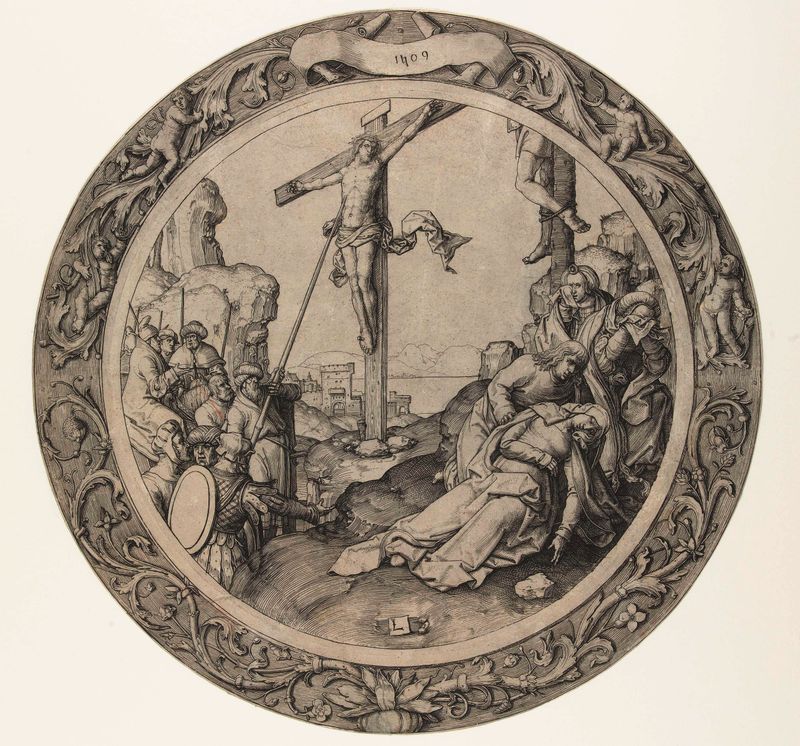
De kruisiging
Lucas van Leyden
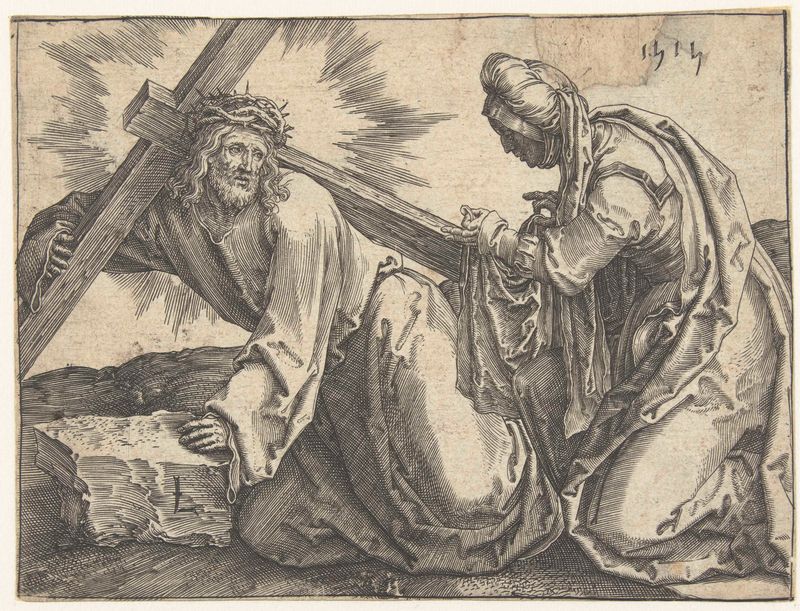
Kruisdraging
Lucas van Leyden
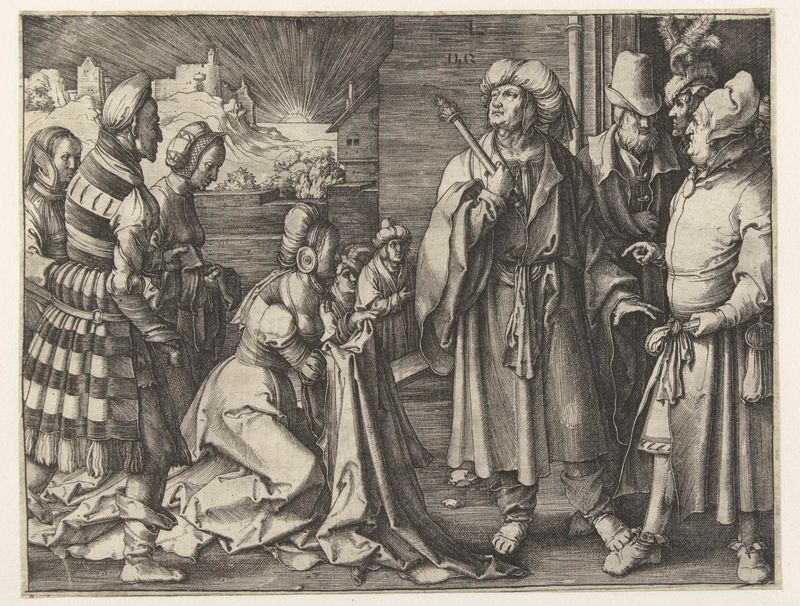
De vrouw van Potifar beschuldigt Jozef
Lucas van Leyden
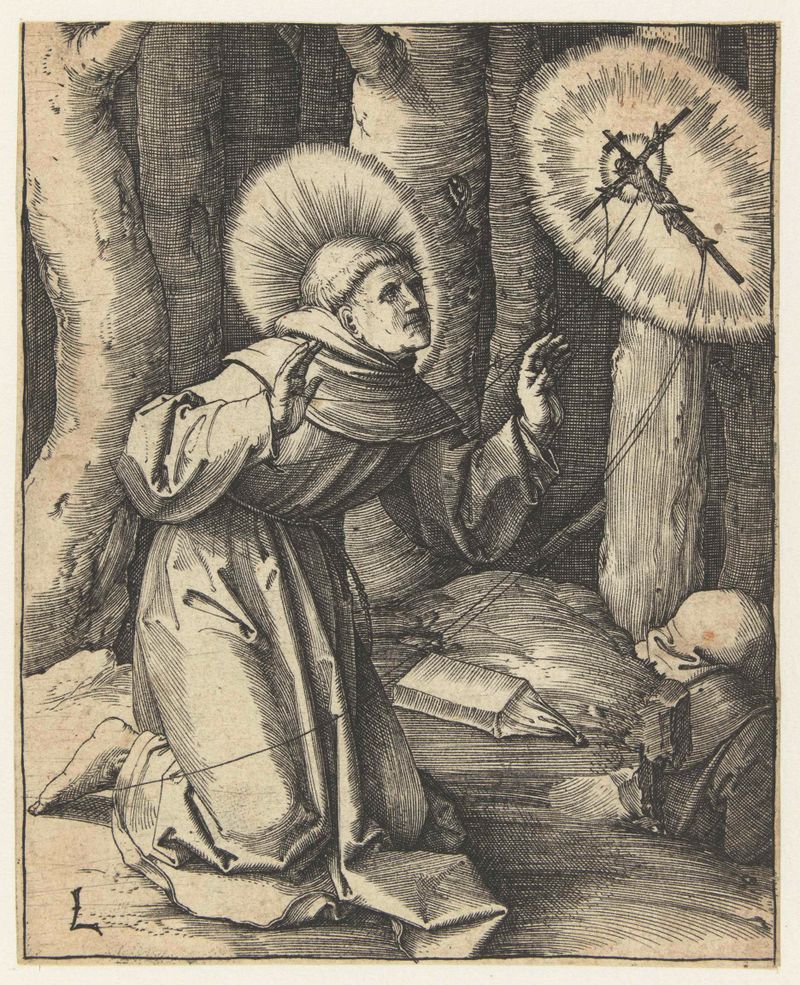
De stigmatisatie van de heilige Franciscus
Lucas van Leyden
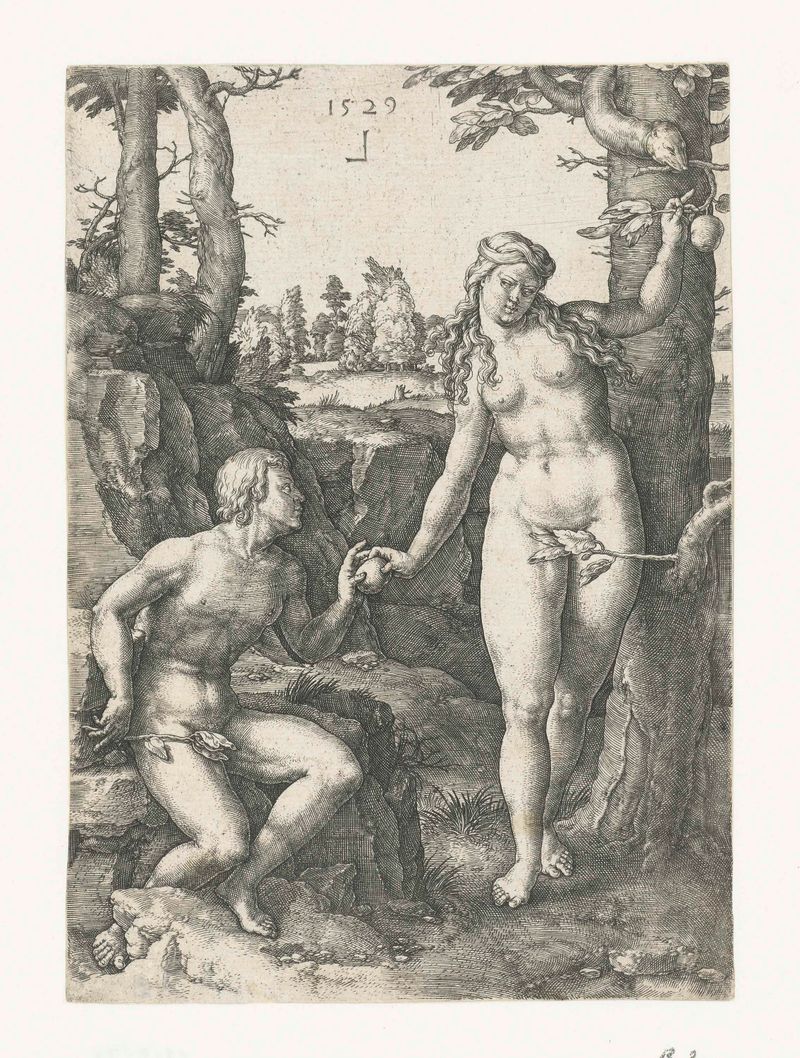
De zondeval
Lucas van Leyden
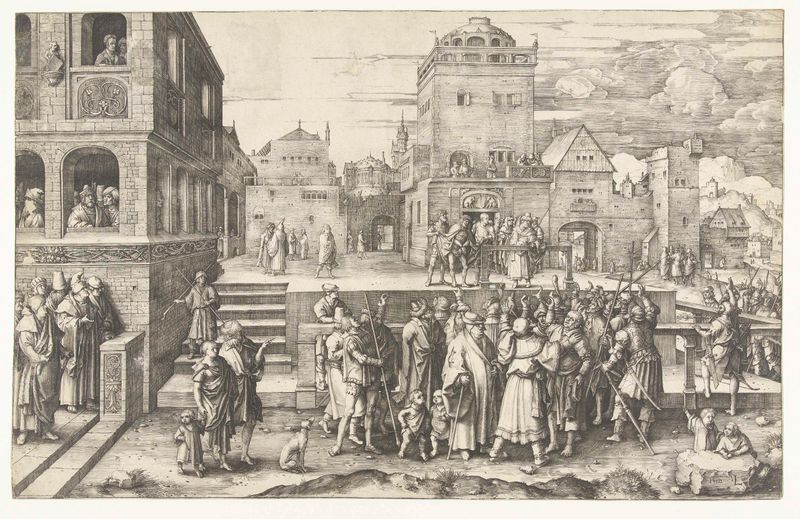
De grote Ecce Homo
Lucas van Leyden
Maria met kind
Lucas van Leyden

Doornenkroning
Lucas van Leyden
More Portrait Art
Browse all →
Las meninas
Diego Velázquez

Self-portrait with a Bandaged Ear and Pipe
Unidentified artist

Girl with a Pearl Earring
Johannes Vermeer

The Sampling Officials of the Amsterdam Drapers’ Guild, Known as ‘The Syndics’
Rembrandt van Rijn

The Hundred Guilder Print: the man seen on the back in the lower left corner
Rembrandt van Rijn

Portrait of Dr Gachet
Vincent van Gogh