
Outskirts — History & Facts
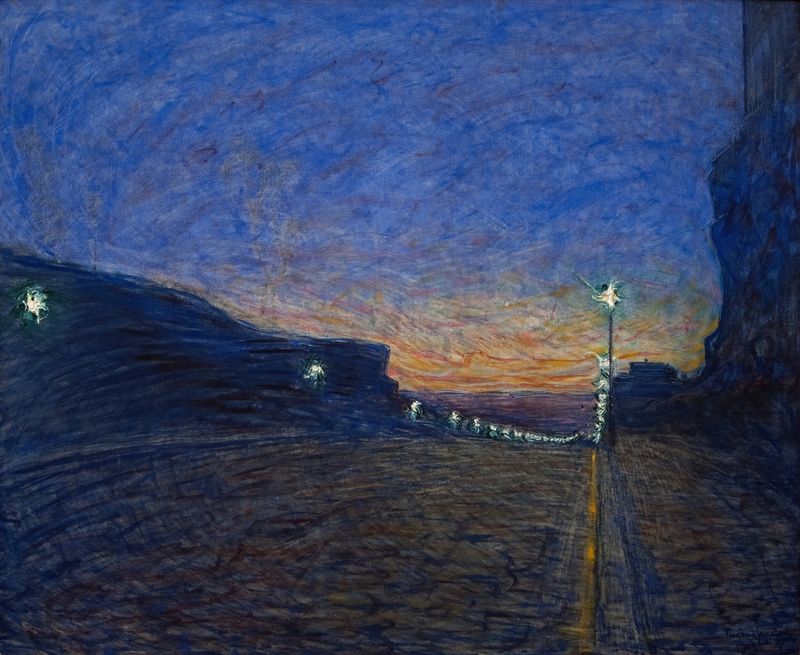
Can beauty exist without sorrow? In the twilight of a fading day, where light mingles with shadows, nostalgia wraps its tender arms around our hearts, reminding us of moments lost and memories cherished. Look closely at the painting's foreground, where gentle hues of blue and gold blend seamlessly, suggesting a serene landscape that invites contemplation. Notice how the delicate brushstrokes evoke the texture of grass swaying lightly in the breeze, beckoning you to step into this tranquil realm. The composition draws your eye toward the distant horizon, where the sky blurs into soft pastels, hinting at the fleeting nature of time. Amidst its serene beauty lies an underlying tension.
The soft light plays on the surface, creating a contrast between the warmth of day and the encroaching chill of night. This balance reflects the bittersweet nature of nostalgia—moments captured in beauty, yet tinged with the sorrow of their impermanence. The distant trees, stoic and shadowed, seem to stand as silent witnesses to the passage of time, embodying both memory and loss. In 1899, Eugène Jansson painted Outskirts during a period of significant change in his life and the art world.
Living in Sweden, he was deeply influenced by the Symbolist movement, which sought to express emotion and ideas beyond the visible. This painting emerged from an era where artists like Jansson were exploring the intersection of natural beauty and emotional resonance, capturing a moment that would resonate through time, forever inviting introspection.
More Artworks by Eugène Jansson
Browse all →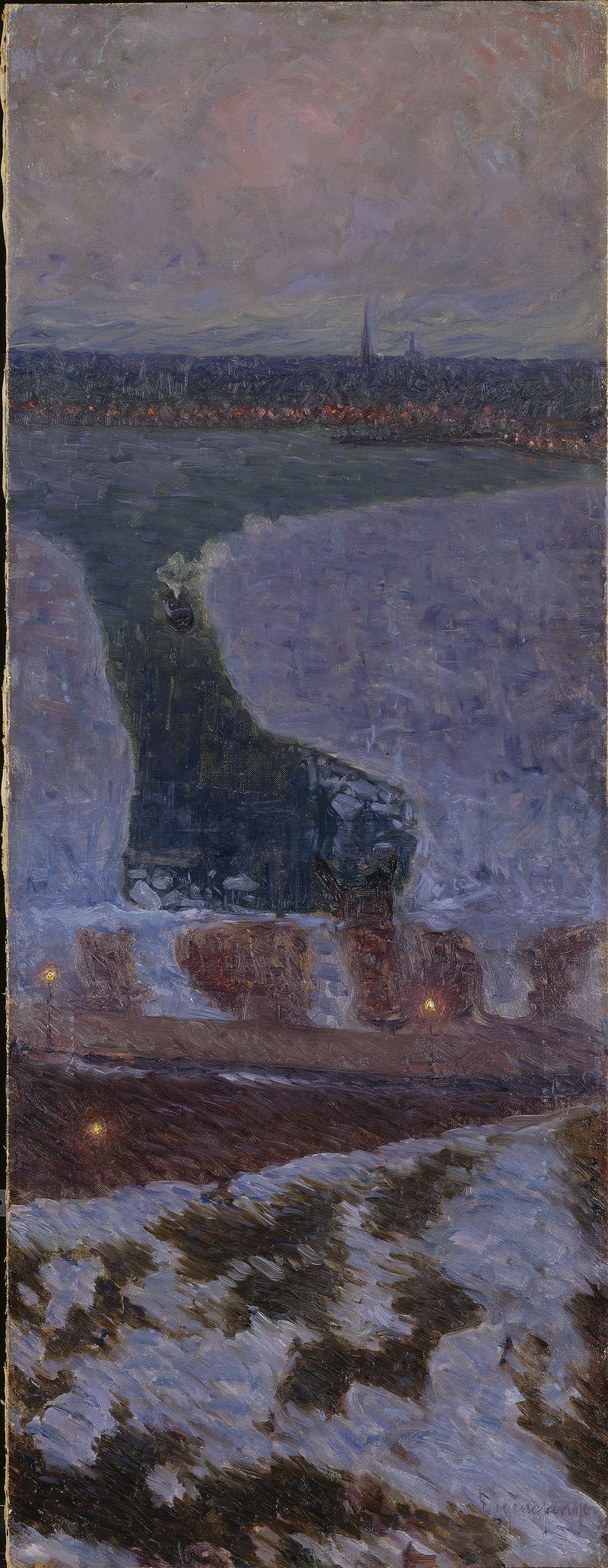
Riddarfjärden. A Stockholm
Eugène Jansson
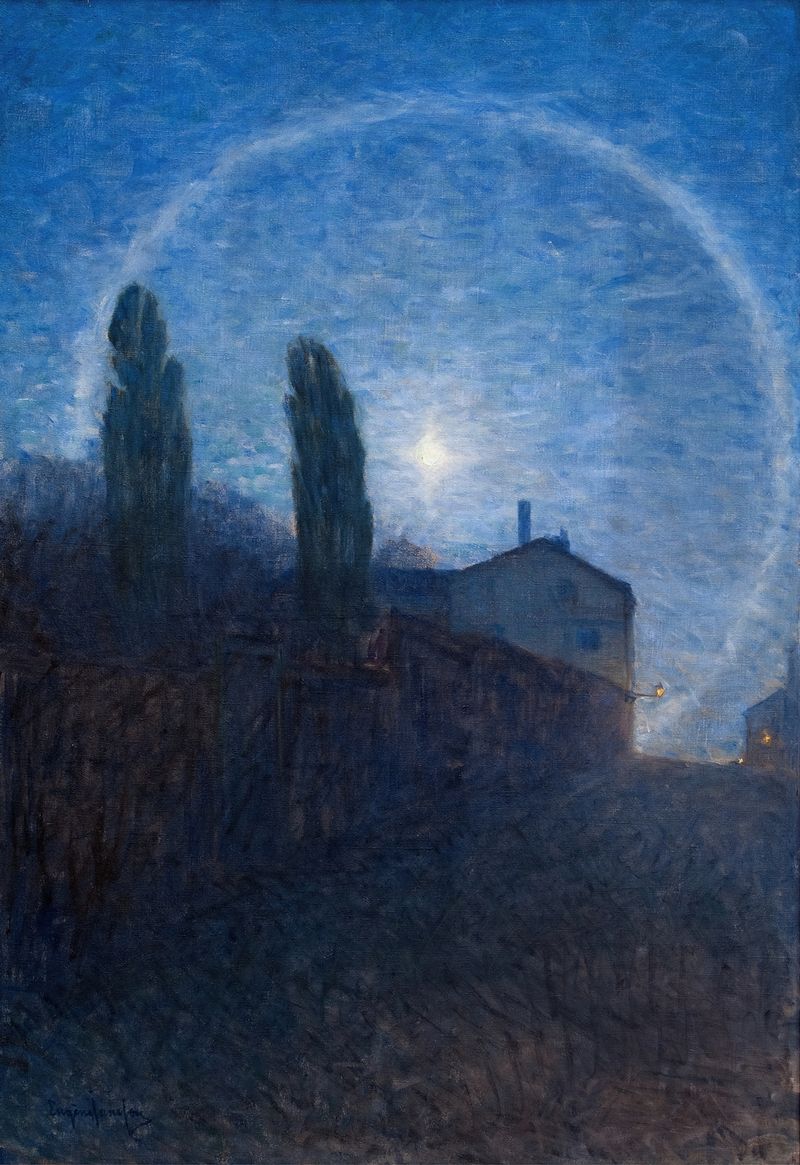
Lunar Halo
Eugène Jansson
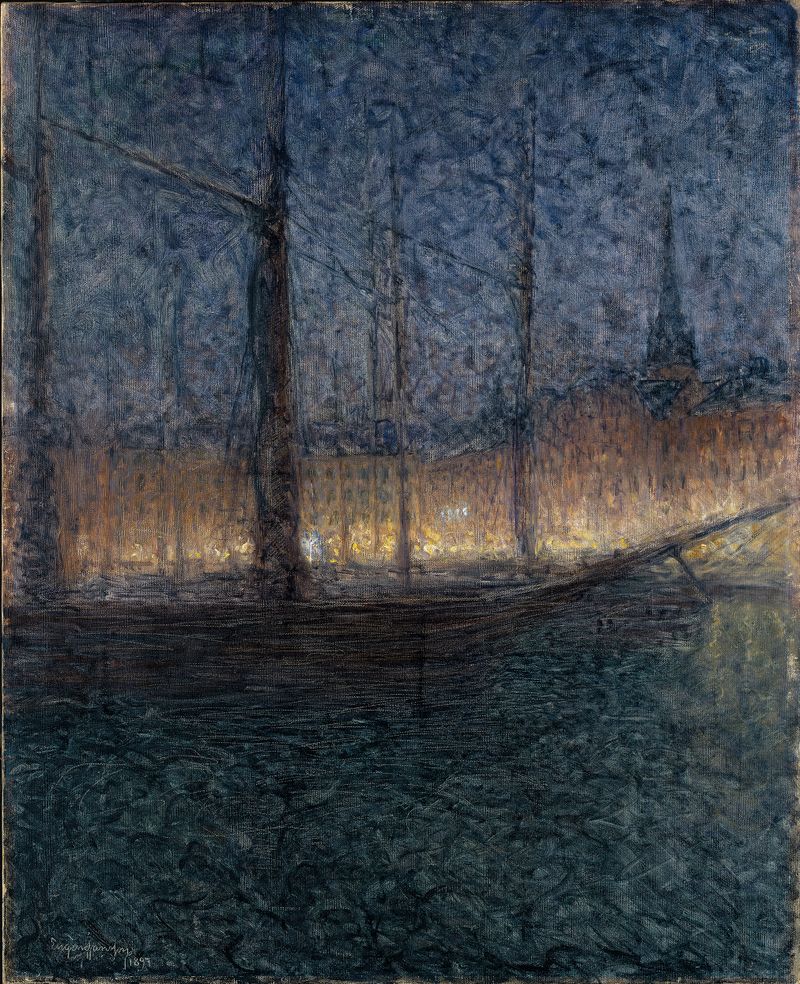
Evening in Kornhamnstorg, Stockholm
Eugène Jansson
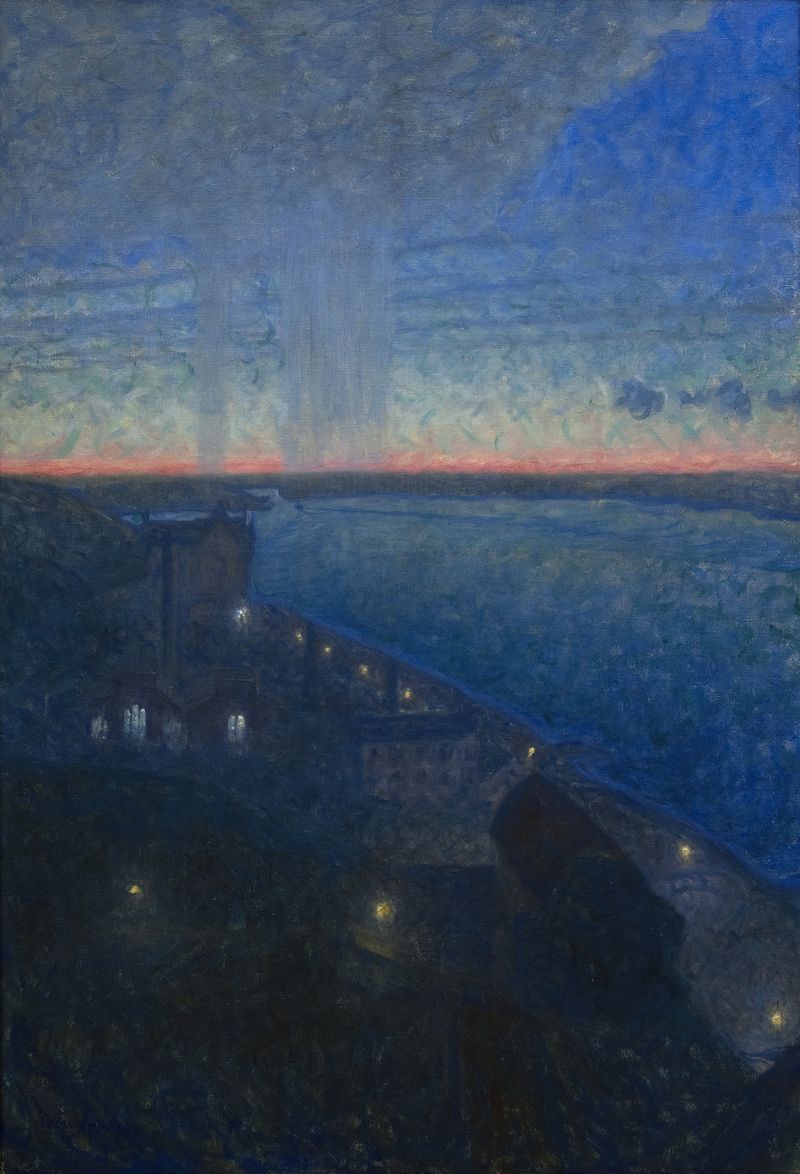
Söder Mälarstrand
Eugène Jansson
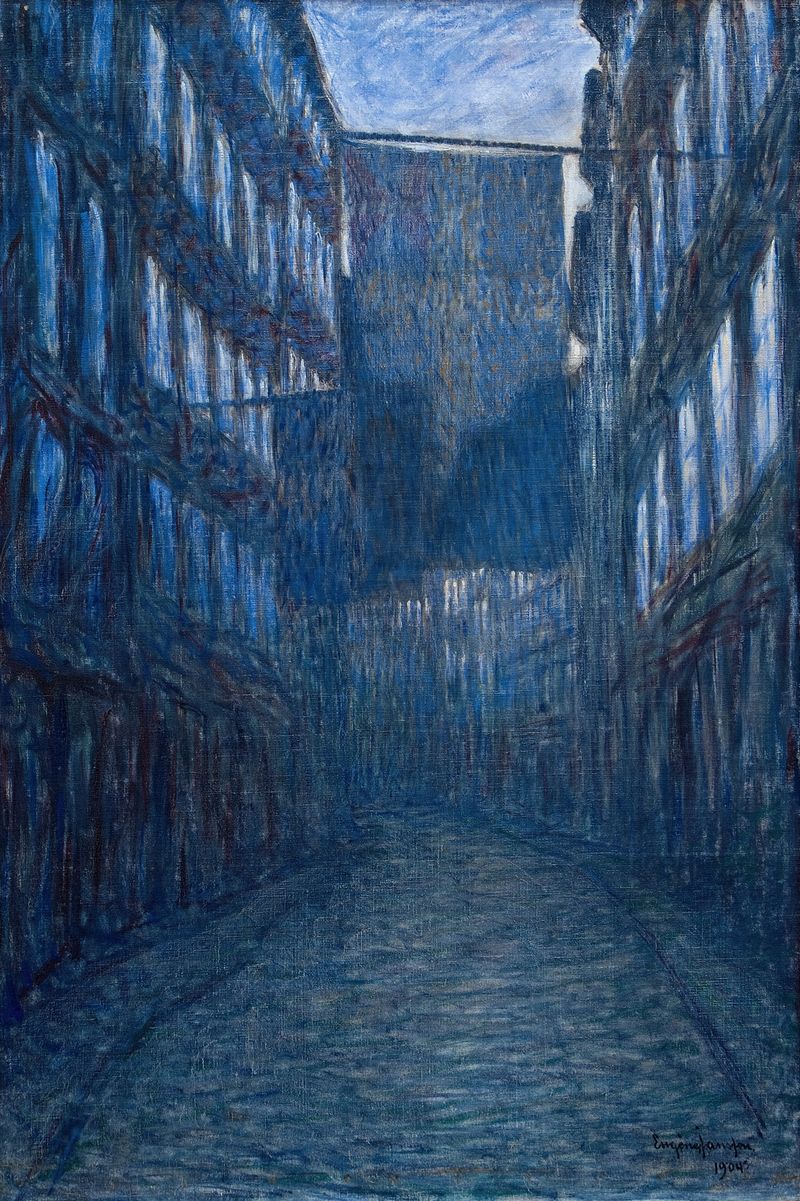
Österlånggatan
Eugène Jansson
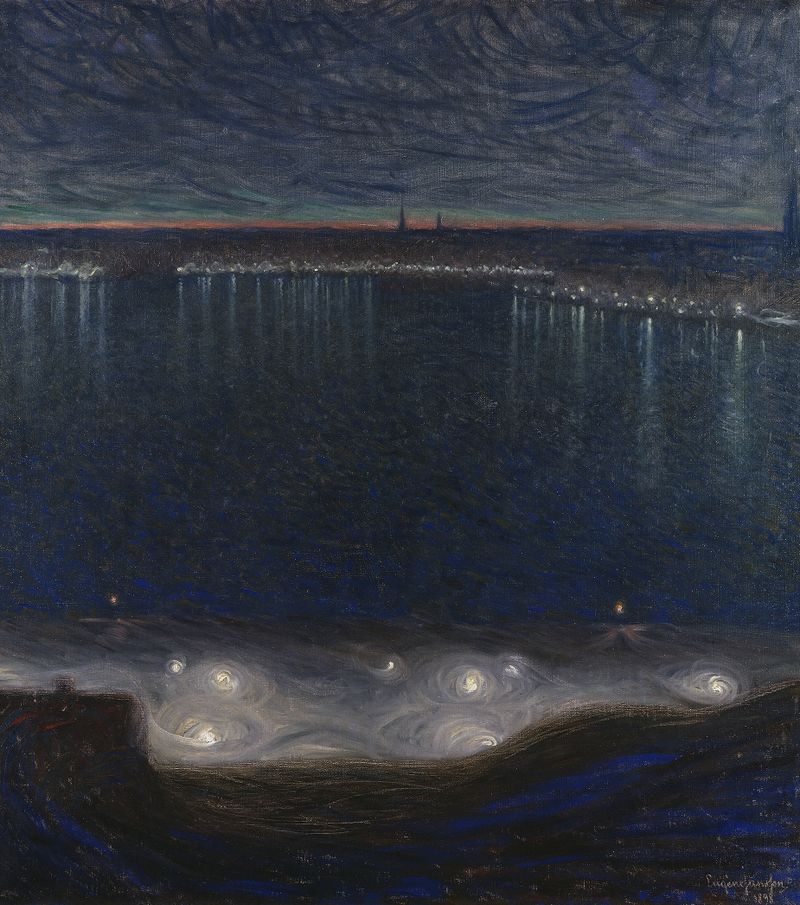
Riddarfjärden, Stockholm
Eugène Jansson
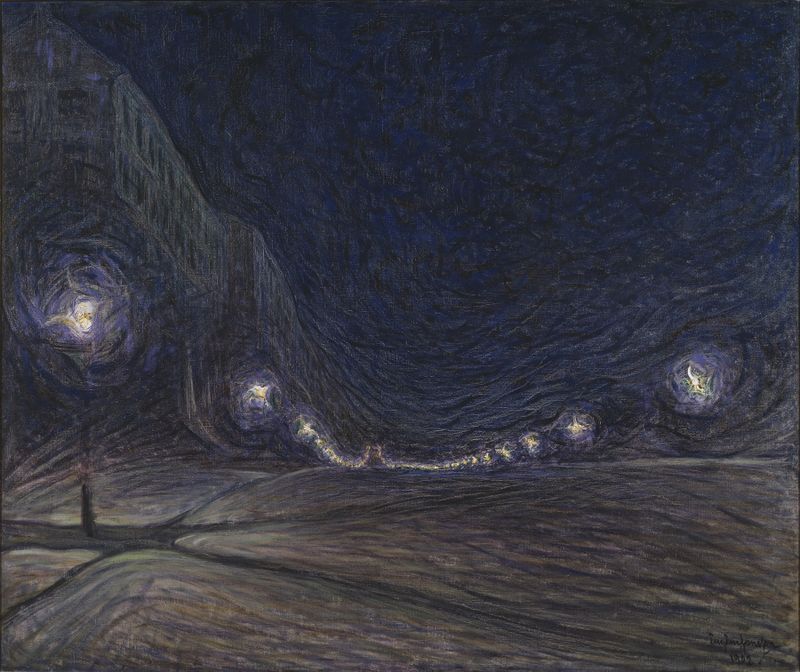
Hornsgatan by Night
Eugène Jansson
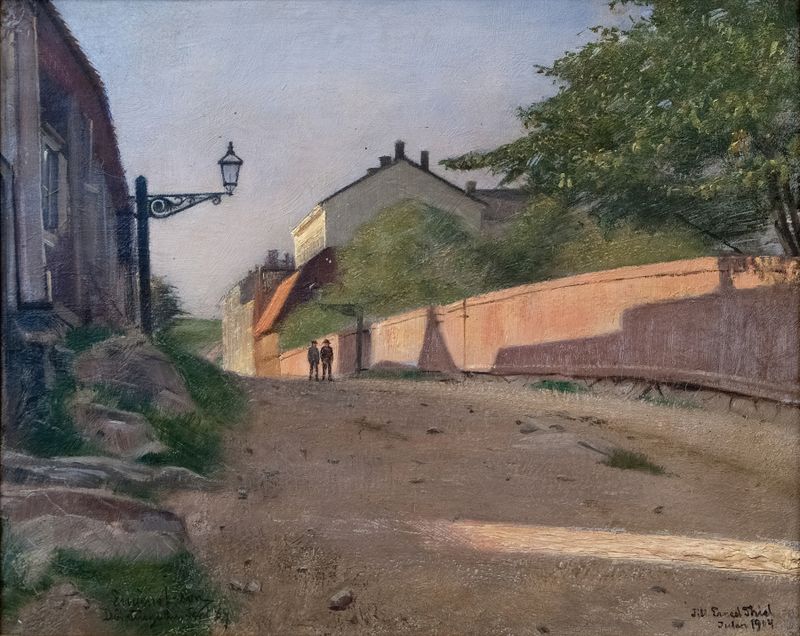
Döbelnsgatan
Eugène Jansson
Hornsgatan
Eugène Jansson
Nocturne
Eugène Jansson





