
Ouvriers enfonçant des pieux — History & Facts
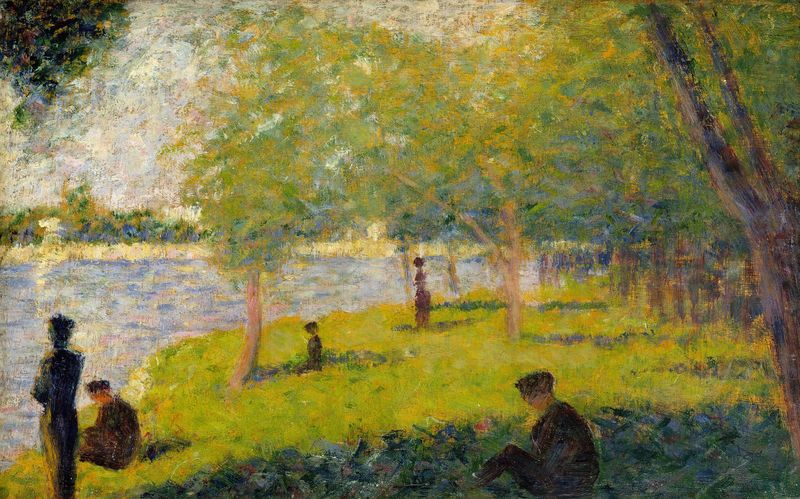
Can paint confess what words never could? Ouvriers enfonçant des pieux unfolds a narrative of labor and awakening, echoing the silent rhythms of industry and life itself. Look to the left at the sturdy figure, his posture rigid yet purposeful, driving a wooden post into the earth. Notice how the dappled light falls across the scene, playing upon the workers' clothes, each brushstroke meticulously placed to evoke texture and motion. The palette is rich and earthy, filled with browns and greens that ground the piece while hints of blue infuse it with an undercurrent of vitality.
Seurat’s characteristic pointillism creates a sense of movement, as if the figures might step off the canvas and join the viewer in shared toil. Beneath the surface, the painting reveals a deep contrast between labor and the silence of nature that surrounds it. The intensity of the workers’ focus captures the essence of human effort, while the serene backdrop of trees and an expansive sky speaks to the balance of existence. Each stroke pulsates with the struggles and triumphs of those who work tirelessly, embodying the tension between ambition and the weight of labor.
The juxtaposition of the raw human endeavor against the quietude of the setting suggests a deeper awakening — both of the landscape and the spirit of the laborers. In the summer of 1881, Seurat painted this piece during a period of artistic exploration, diving deeper into the scientific theories of color and light. Working in Paris, he was influenced by the growing interest in Impressionism and post-Impressionism, pushing the boundaries of his technique. The political and social climate at the time was marked by the rise of industrialization, which undoubtedly shaped his portrayal of laborers — not as mere subjects but as integral parts of a changing world.
More Artworks by Georges Seurat
Browse all →
A Sunday on La Grande Jatte — 1884
Georges Seurat
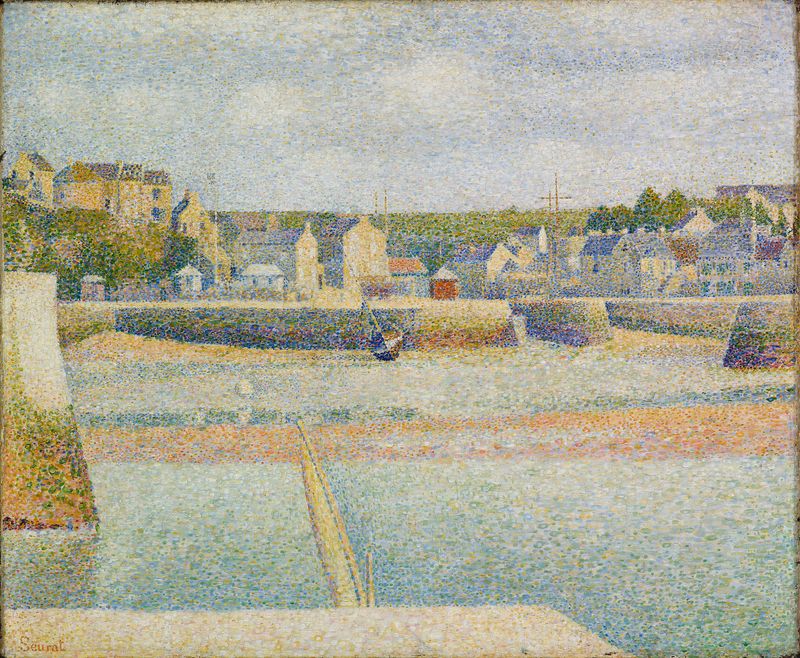
Port-en-Bessin, The Outer Harbor (Low Tide)
Georges Seurat
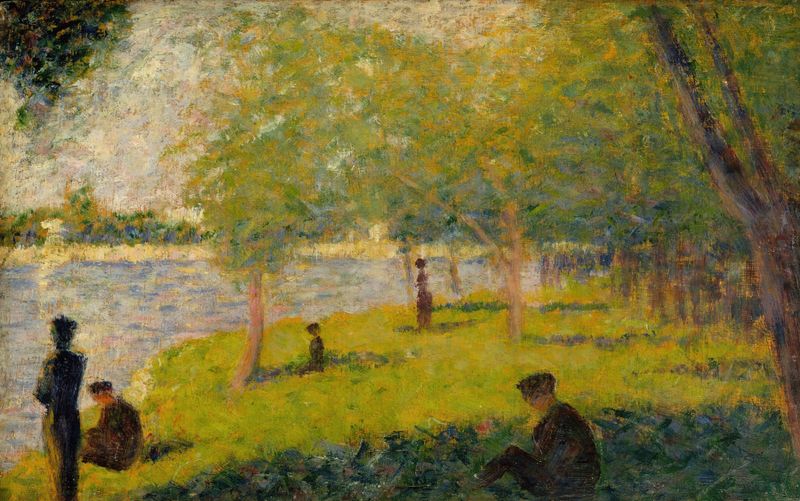
Study for ‘A Sunday on La Grande Jatte’
Georges Seurat

Oil Sketch for "A Sunday on La Grande Jatte — 1884"
Georges Seurat
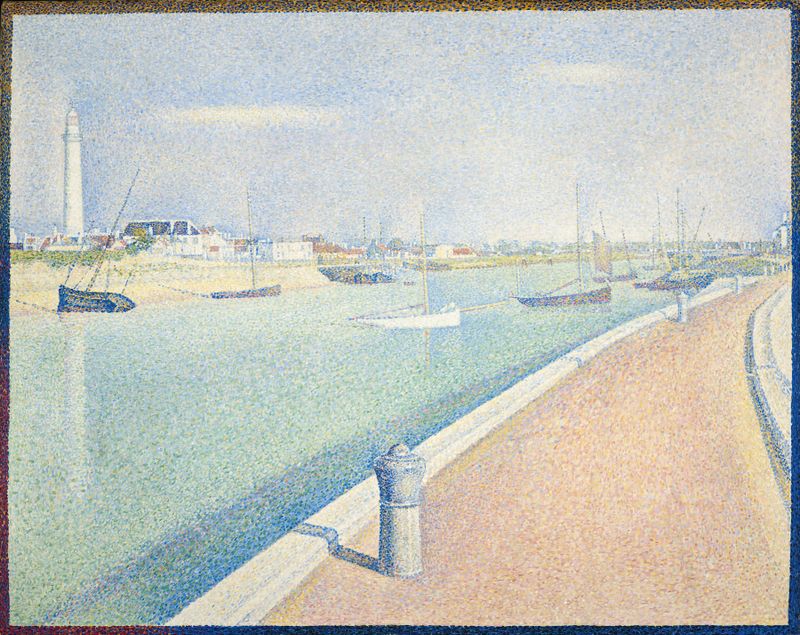
The Channel of Gravelines, Petit Fort Philippe
Georges Seurat

Étude pour ‘La Grande Jatte’ (Study for ‘La Grande Jatte’)
Georges Seurat
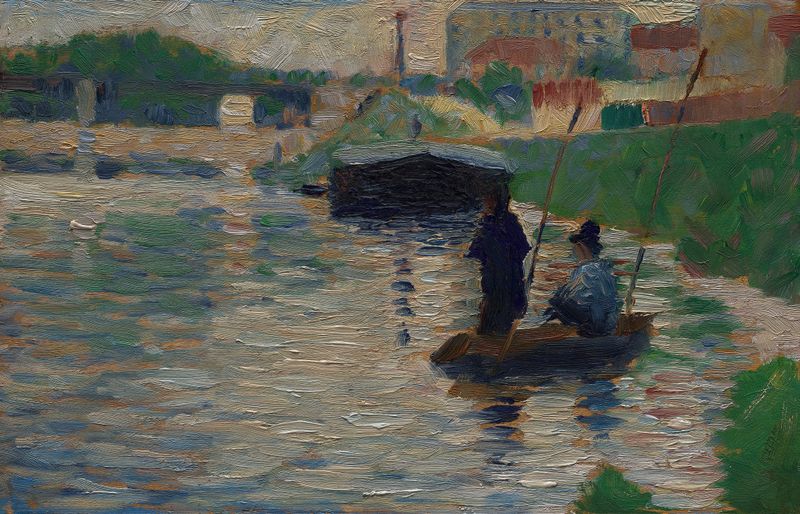
View of the Seine
Georges Seurat

Seascape at Port-en-Bessin,Normandy
Georges Seurat

The Channel at Gravelines, Evening
Georges Seurat
Study for A Sunday on La Grande Jatte
Georges Seurat




