Painter of ceramics. — History & Facts
A shaft of light falls on the white beard and furrowed brow of the central figure, drawing us into the quiet intensity of his work. His hands, large and weathered, are caught mid-motion as he inspects a ceramic vessel, the curve of its surface echoing the arch of his own hunched shoulders. The darkness that envelops the scene is pierced only by this focused illumination, heightening the sense of concentration and lending the act of painting ceramics a gravity usually reserved for grander subjects.
The two shadowy companions—one in a deep red robe, the other barely distinguishable—lean in, their attention fixed on the master's craft, as if learning by watching, or awaiting their turn. The composition leads the eye from the glowing face, along the outstretched arm, to the cool, hard glaze of the pottery, making the viewer almost complicit in this moment of creation. Painted in the 1870s by Augustin Théodule Ribot, this work belongs to a period when artists across Europe sought dignity in the everyday, elevating humble labor to the realm of art. In France, where Ribot was active, the Realist movement championed scenes of work and domestic life, often painted with earthy palettes and dramatic contrasts of light and shadow, as seen here.
Such paintings were rarely grand commissions; instead, they appealed to a growing middle class eager to see their own world reflected on canvas. Now part of the National Museum in Warsaw’s collection, Painter of ceramics stands as a testament to the era’s fascination with skill, material, and the quiet heroism of craft. The longer you look, the more the darkness recedes, and the silent drama of creation comes forward.
More Artworks by Augustin Théodule Ribot

The Scullion
Augustin Théodule Ribot
The Artist's Daughter
Augustin Théodule Ribot
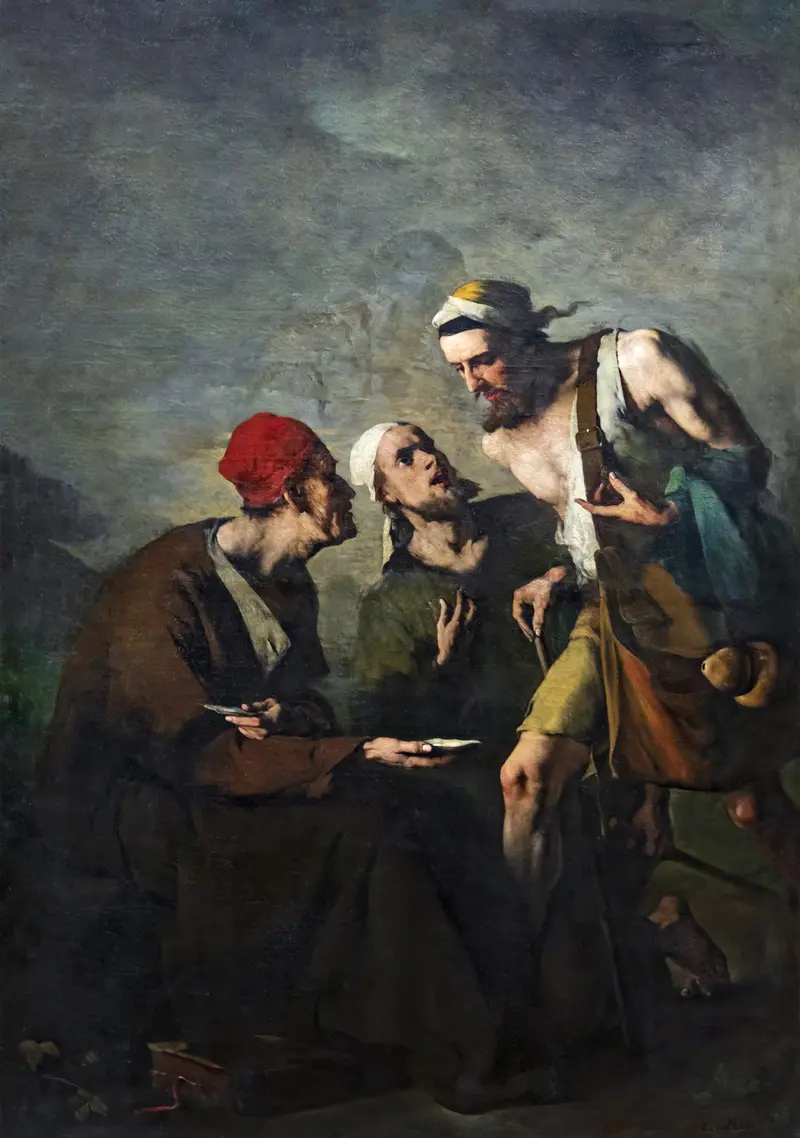
The oyster and the Litigant's
Augustin Théodule Ribot
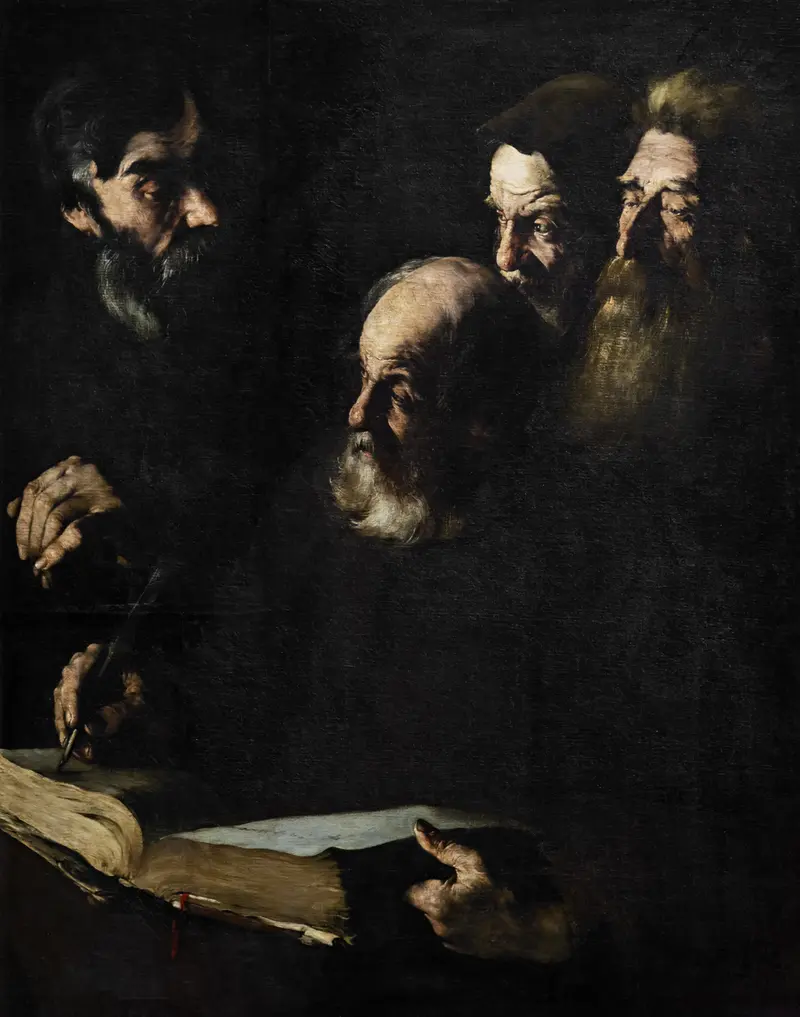
The philosophers
Augustin Théodule Ribot
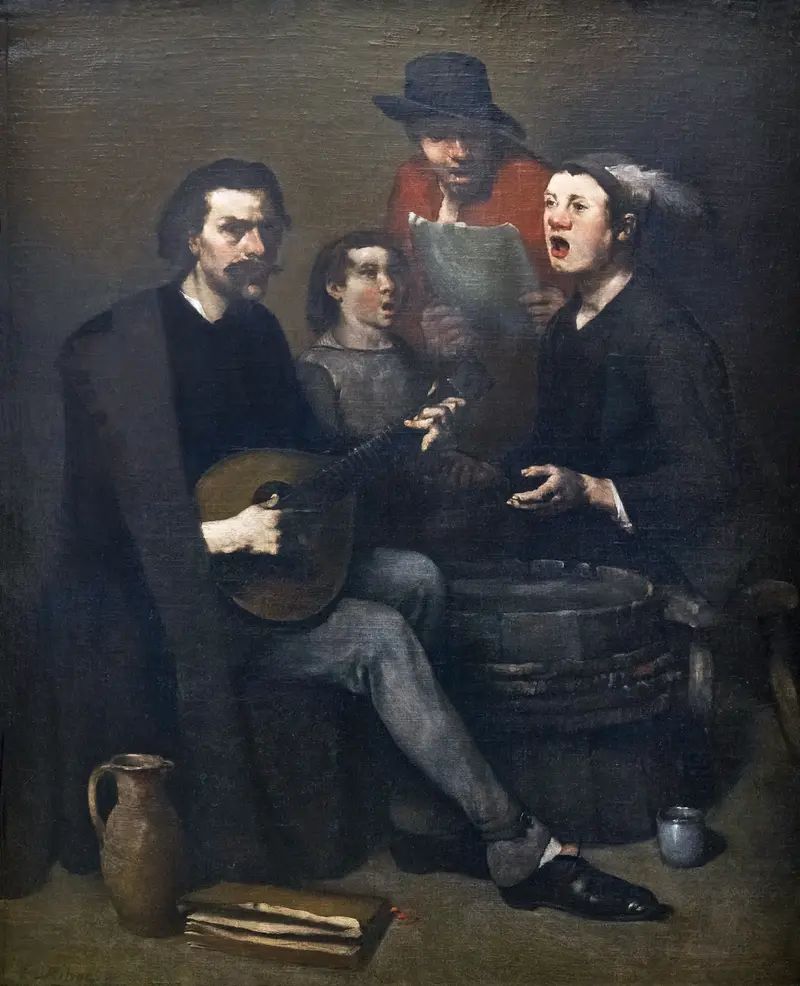
Singers
Augustin Théodule Ribot
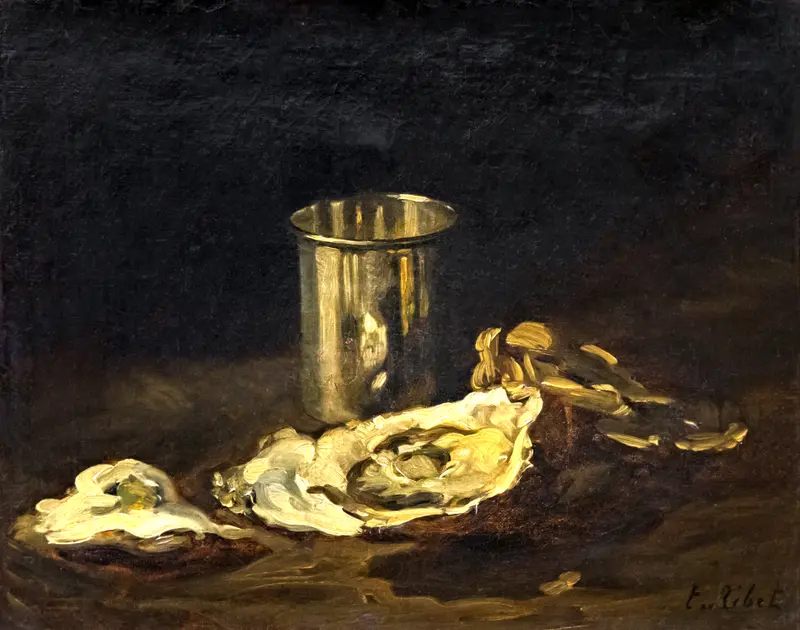
Oyster and timbale
Augustin Théodule Ribot
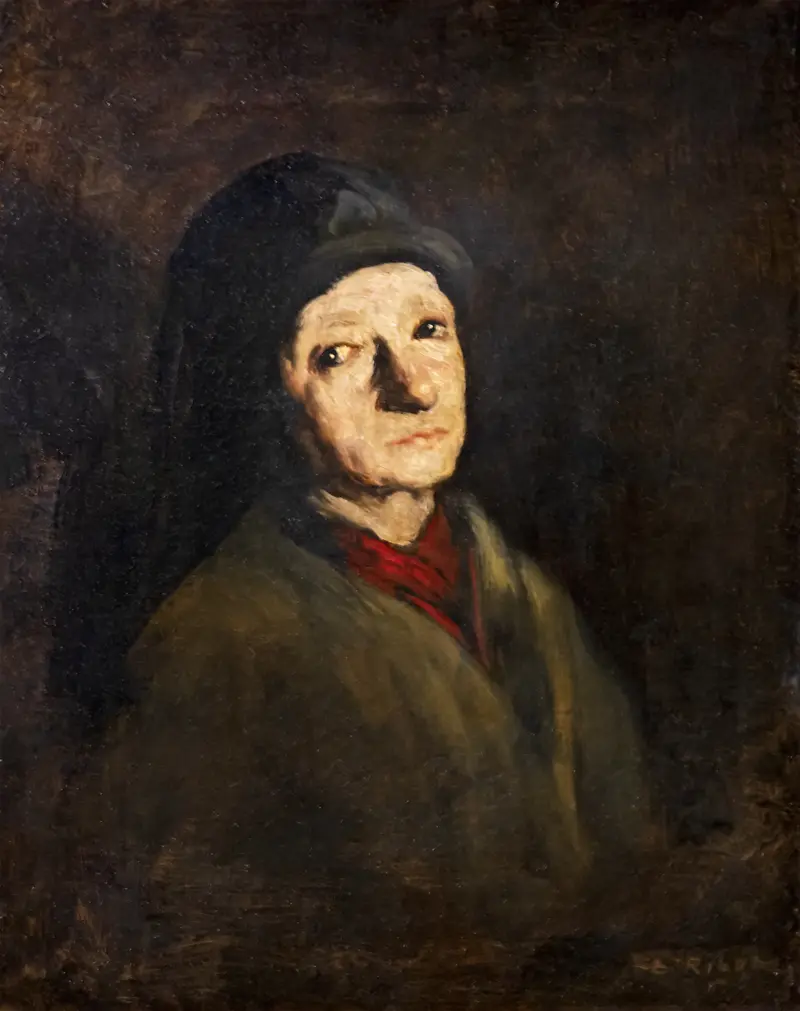
Portrait of the artist's mother
Augustin Théodule Ribot
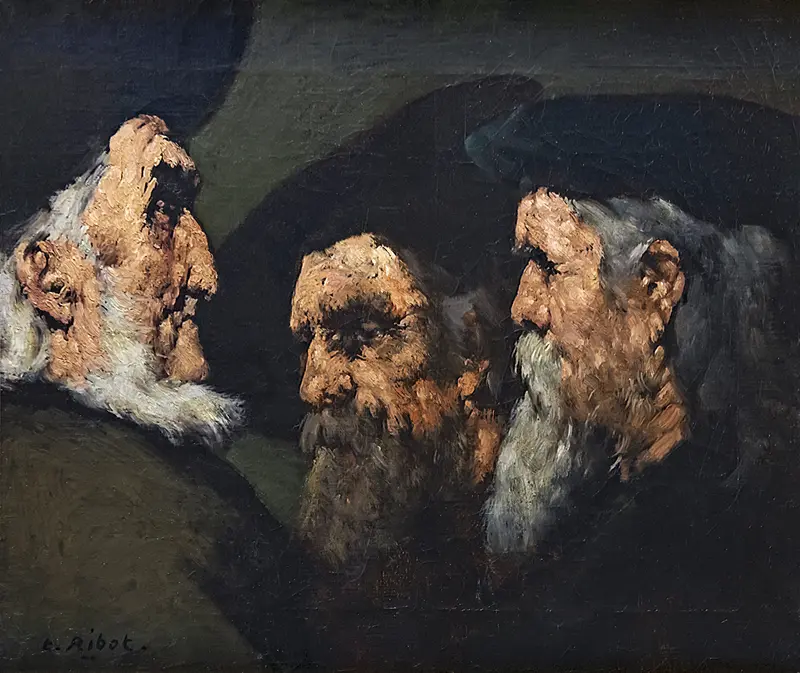
Three old jews
Augustin Théodule Ribot
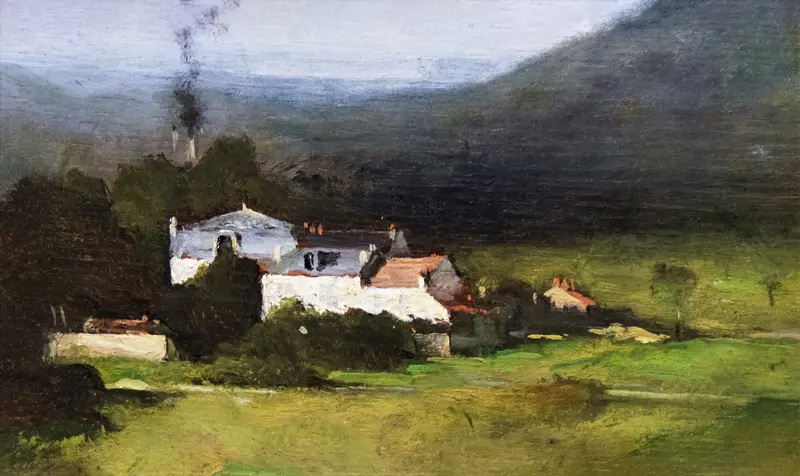
' Landscape ', known as ' La Maison de Corot in Ville-d'Avray '
Augustin Théodule Ribot
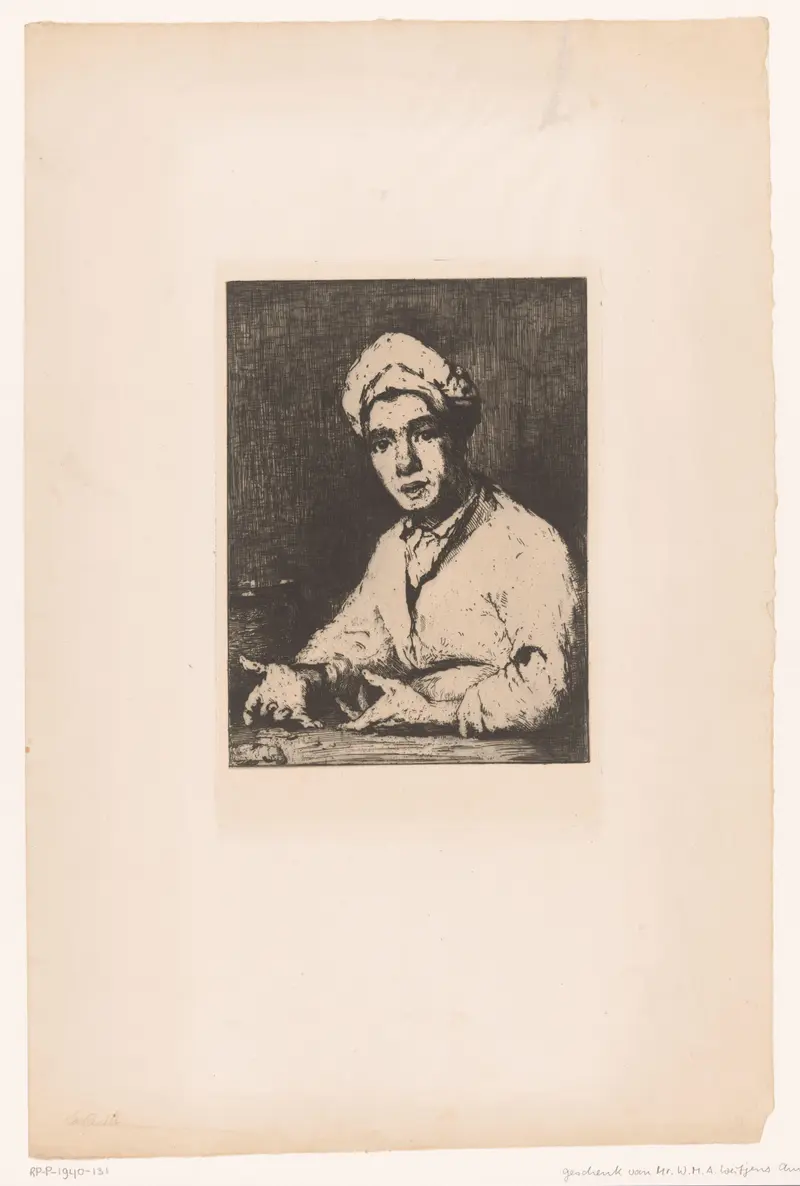
La recette du cuisinier
Augustin Théodule Ribot