
Paisagem — History & Facts
A road cuts through the wild grasses and earth, drawing the viewer’s gaze deep into the center of Paisagem, where the sky dominates and the land seems to shrink beneath its weight. The drama here is not in grand gestures or bustling life, but in the tension between the heavy, churning clouds and the quiet persistence of the land below. A single tree stands near a modest building, its form blurred by the soft, almost hesitant brushwork, as if the painter wanted to capture the moment just before a storm breaks or just after it passes.
The palette is muted, earthy, and cool, lending the scene a sense of pause, of breath held in anticipation. Every brushstroke seems to underline the mood: the sky’s expanse is the true protagonist, dwarfing all else, while the faint ruts in the road hint at human passage without ever showing a soul. Painted in 1912 and now part of the Museu Paulista da USP’s collection, this work belongs to a moment when Brazilian artists like Antonio Parreiras were forging a new relationship with their country’s landscapes. The early 20th century saw a surge in plein-air painting and a search for national identity through local scenery, often commissioned by institutions eager to define Brazilian nature for posterity.
While history has kept few traces of the specific journey of this painting, its presence in the José Rosael/Hélio Nobre/Museu Paulista da USP collection roots it firmly in the cultural ambitions of its era. The viewer is left with a sense of the land’s quiet endurance, and the invitation to look again—this time, to notice what the sky might be about to do.
More Artworks by Antonio Parreiras

The Gale
Antonio Parreiras
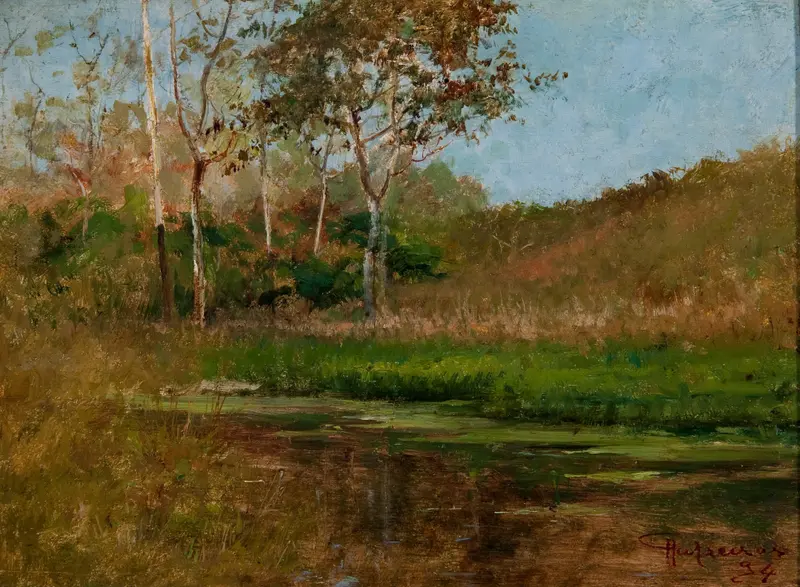
Still Water
Antonio Parreiras
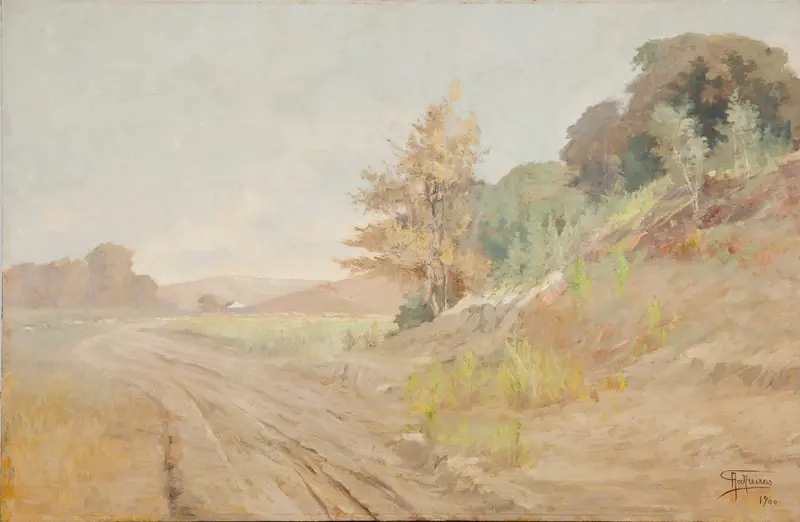
Hazy Day
Antonio Parreiras
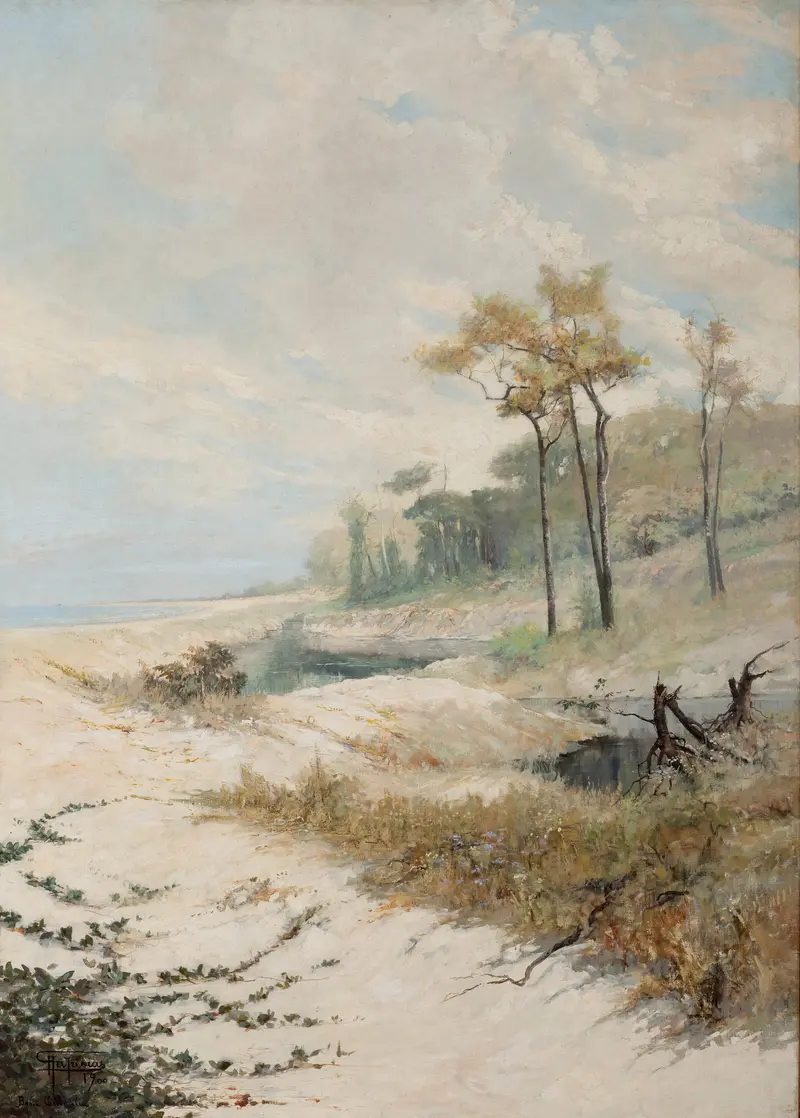
Cabrália Bay
Antonio Parreiras
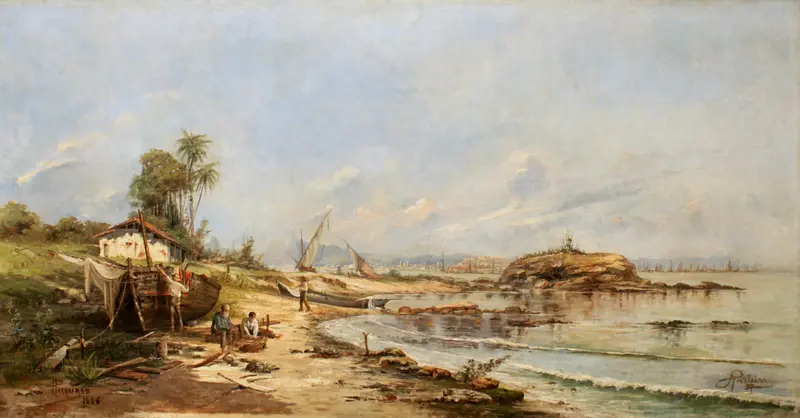
Gragoatá after the storm
Antonio Parreiras

Funeral in San Donà, Italy
Antonio Parreiras
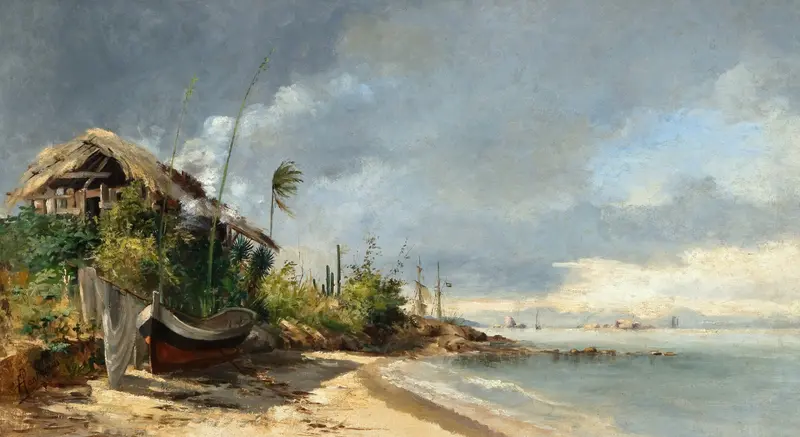
A View of the Beach, São Domingos, Niterói, RJ
Antonio Parreiras
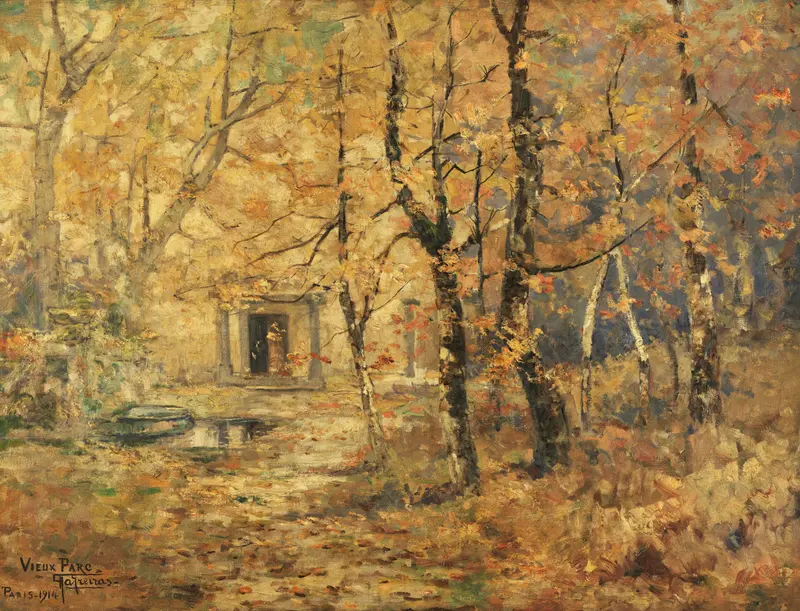
Vieux Parc, Paris
Antonio Parreiras
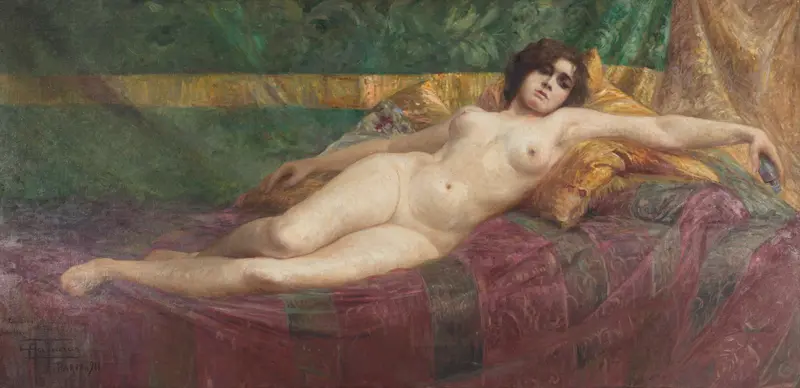
Sorrowful
Antonio Parreiras
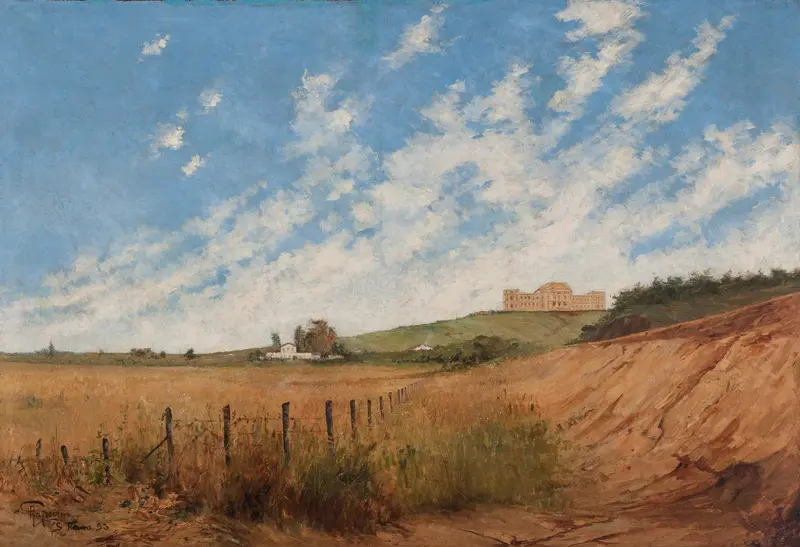
Paisagem do Campo do Ipiranga
Antonio Parreiras
More Landscape Art

The Starry Night
Vincent van Gogh

View of Delft
Johannes Vermeer

Water Lilies
Claude Monet

The Grand Canal, Venice, looking north-west from the Ca' Corner to the Ca' Contarini degli Scrigni, with the campanile of Santa Maria della Carità
Canaletto

Windsor Castle
Canaletto

The Grand Canal looking North-East from the Palazzo Dolfin-Manin to the Rialto Bridge
Canaletto