
Palm Tree, Nassau — History & Facts
This tension informs the heart of Winslow Homer’s Palm Tree, Nassau, revealing the darker undercurrents of a seemingly tranquil scene. Focus first on the palm tree that dominates the center of the canvas, its fronds swaying gently above a vibrant turquoise sea. The rich greens of the leaves contrast starkly against the warm sandy hues of the beach, establishing a serene atmosphere. Yet, the bold brushwork and layered colors hint at an energy that belies the calm, inviting the viewer to explore the emotional landscape beneath the surface. As you draw closer, notice the small figure in the foreground, dwarfed by nature's grandeur.
This lone presence stirs feelings of isolation, underscoring the stark juxtaposition between man and the untamed beauty of the tropics. The interplay of light and shadow creates an evocative tension, suggesting a world where paradise may not be as idyllic as it appears. This painting speaks not only of beauty but of the underlying violence that can exist in silence—an unsettling reminder that tranquility can mask deeper truths. Created in 1898 during a period of personal exploration for the artist, Palm Tree, Nassau emerged while Homer was immersed in the vibrant life of the Bahamas.
This was a time when he was seeking solace and inspiration away from the commercial pressures back home. The world of art was evolving, with movements leaning toward impressionism, yet Homer remained steadfast in his unique vision, capturing not only the landscapes but also the complexities of human emotion within them.
More Artworks by Winslow Homer
Browse all →
The Gulf Stream
Winslow Homer
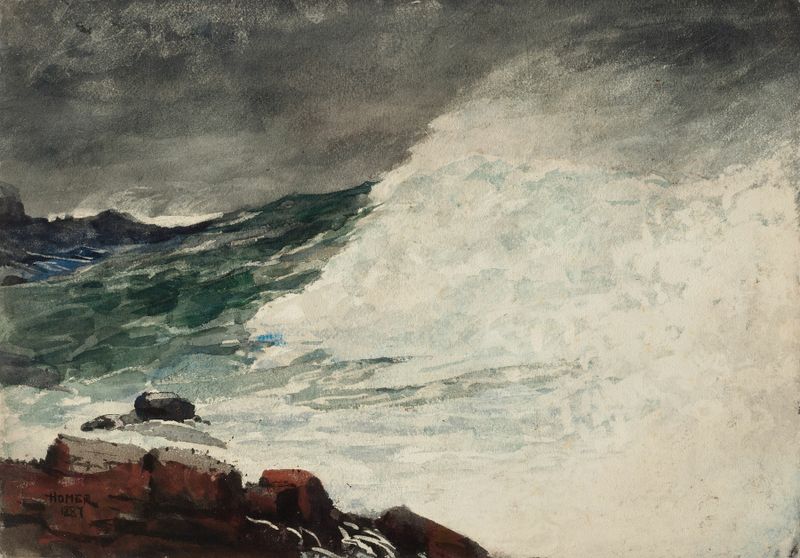
Prout’s Neck, Breaking Wave
Winslow Homer
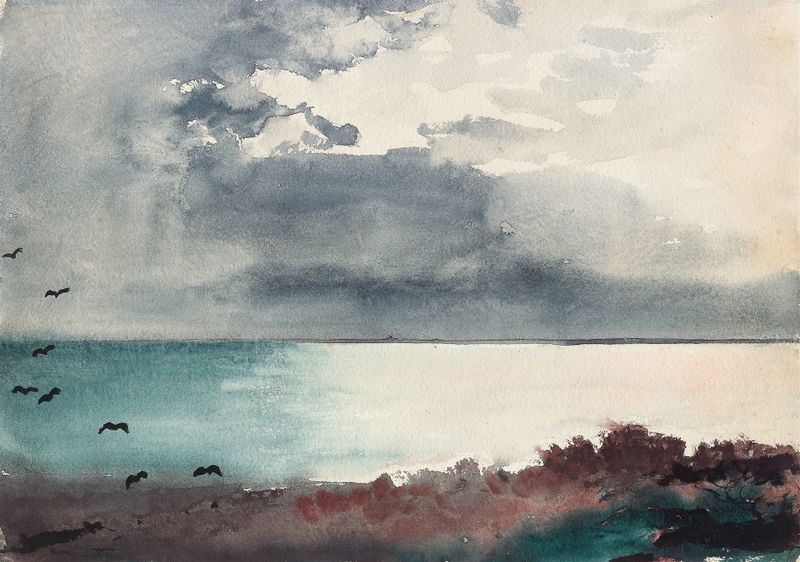
Breaking Storm, Coast of Maine
Winslow Homer
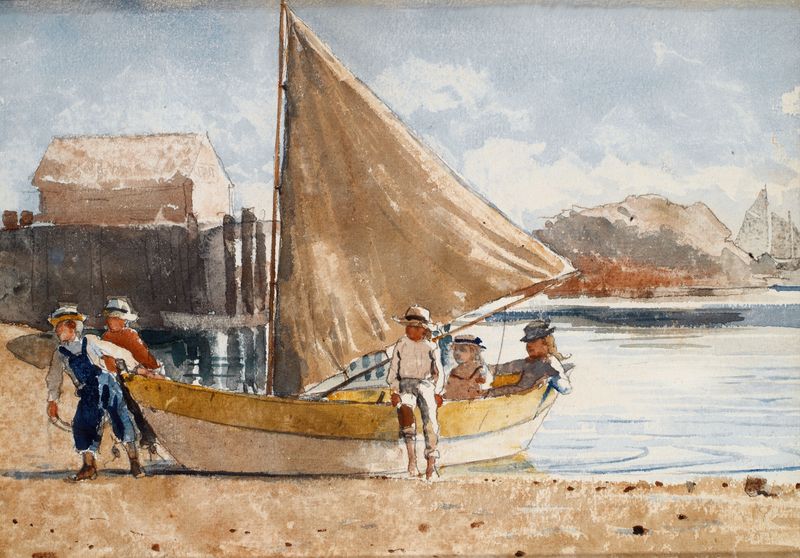
Summertime
Winslow Homer
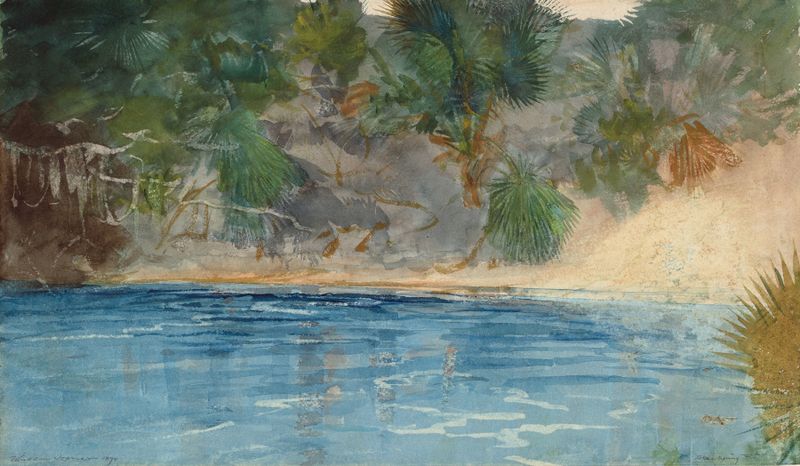
Blue Spring, Florida
Winslow Homer
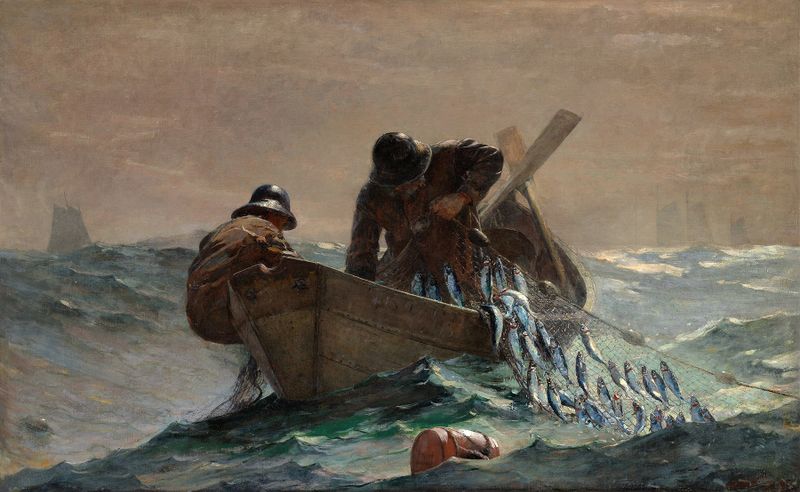
The Herring Net
Winslow Homer
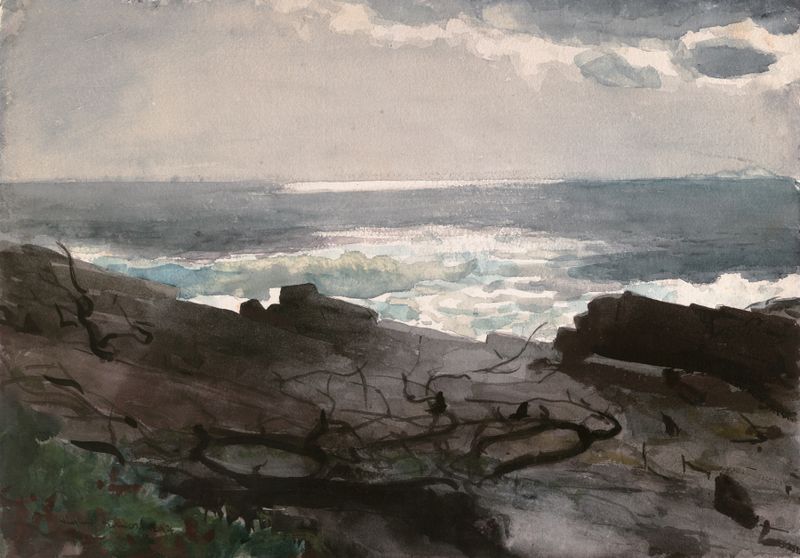
Sunshine and Shadow, Prout’s Neck
Winslow Homer
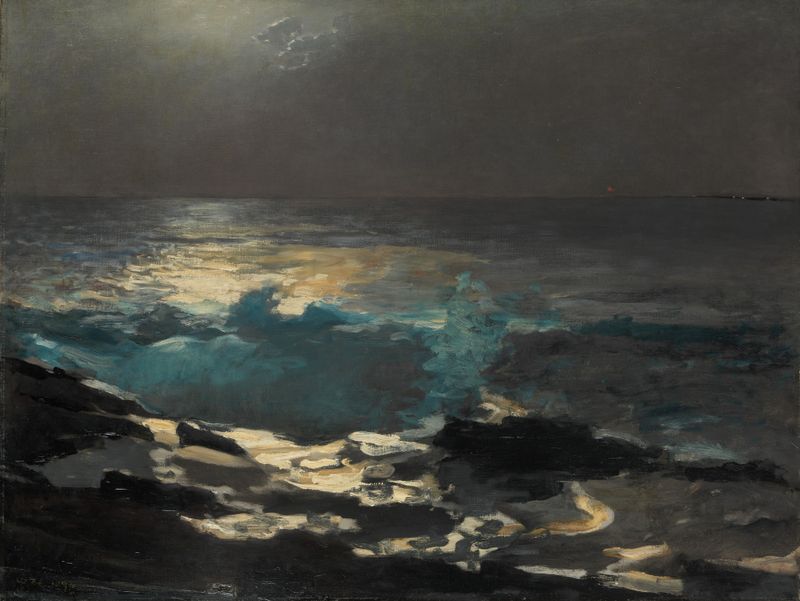
Moonlight, Wood Island Light
Winslow Homer
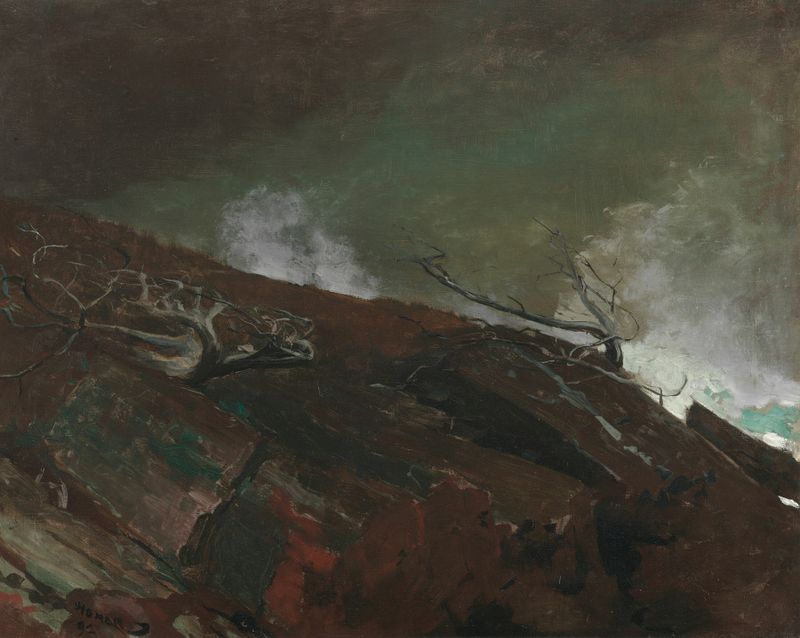
Coast of Maine
Winslow Homer
Bass Fishing – Florida
Winslow Homer





