
Palm Trees, Red — History & Facts
Is this a mirror — or a memory? In Palm Trees, Red, vibrant hues evoke the bittersweet pull of nostalgia, where the past intertwines with the present in a sun-drenched embrace. Look to the left at the cascading palm fronds, their verdant greens brushed with dappled sunlight. The stark contrast of warm reds in the background creates an almost dream-like landscape, inviting the viewer to journey deeper into the scene. Notice how the artist masters the interplay of light and shadow, where each stroke breathes life into the foliage, while the bold color palette elicits an emotional resonance that echoes the nostalgia encapsulated within the canvas. Delve into the layers of meaning as the fiery red juxtaposes with the serene greens, hinting at a tension between warmth and emotional distance.
The palm trees stand tall, perhaps a symbol of resilience, yet their leaves whisper a gentle longing for a bygone era. Each brushstroke speaks to a duality of permanence and transience, as if capturing a moment suspended in time, rich with memory yet tinged with the sorrow of what has been lost. Painted in 1890 during a period of personal reflection for the artist, Palm Trees, Red emerged from Winslow Homer’s time in the Bahamas, where he sought solace and inspiration away from the bustling art scene of America. The painting reflects his exploration of color and light during a transformative phase in his life, resonating with the broader artistic movements of the time that embraced the beauty of nature and the complexities of human emotion.
More Artworks by Winslow Homer
Browse all →
The Gulf Stream
Winslow Homer
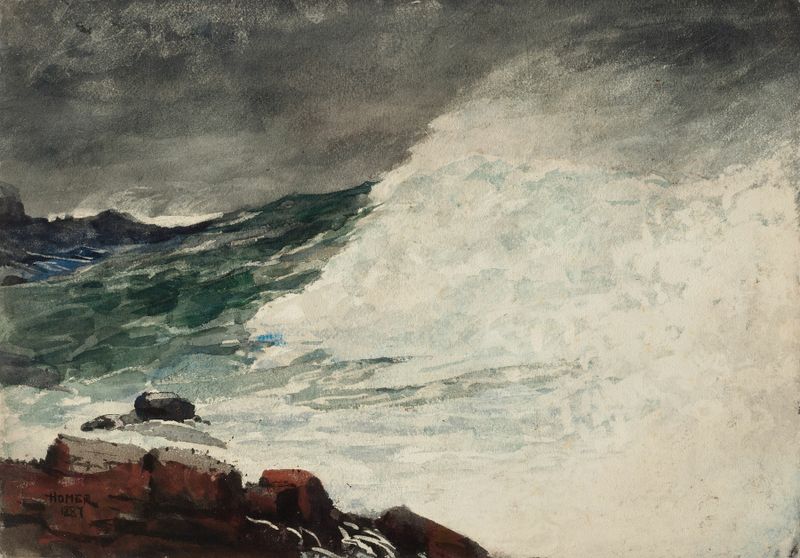
Prout’s Neck, Breaking Wave
Winslow Homer
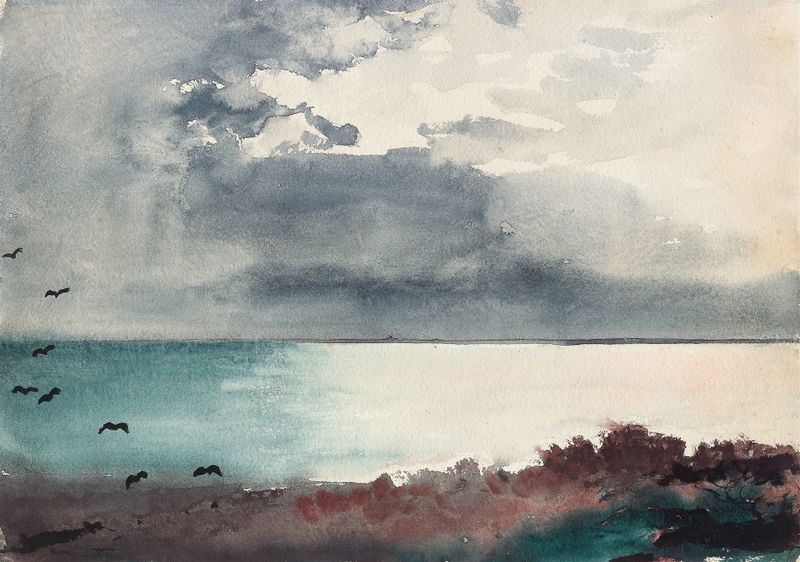
Breaking Storm, Coast of Maine
Winslow Homer
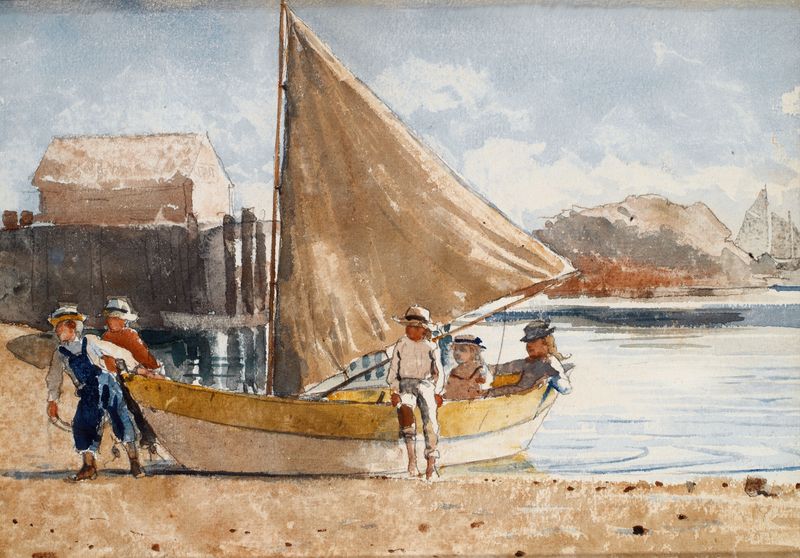
Summertime
Winslow Homer
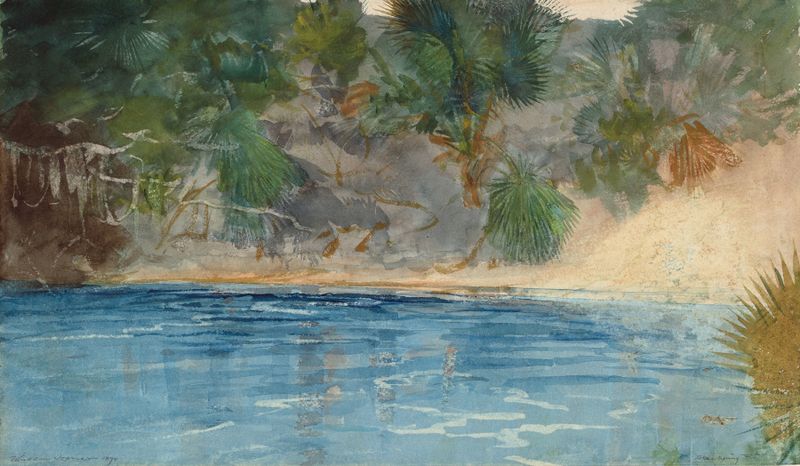
Blue Spring, Florida
Winslow Homer
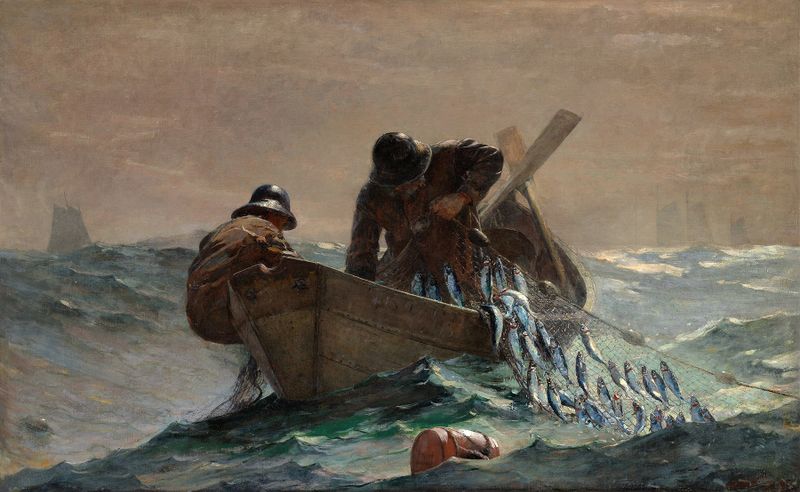
The Herring Net
Winslow Homer
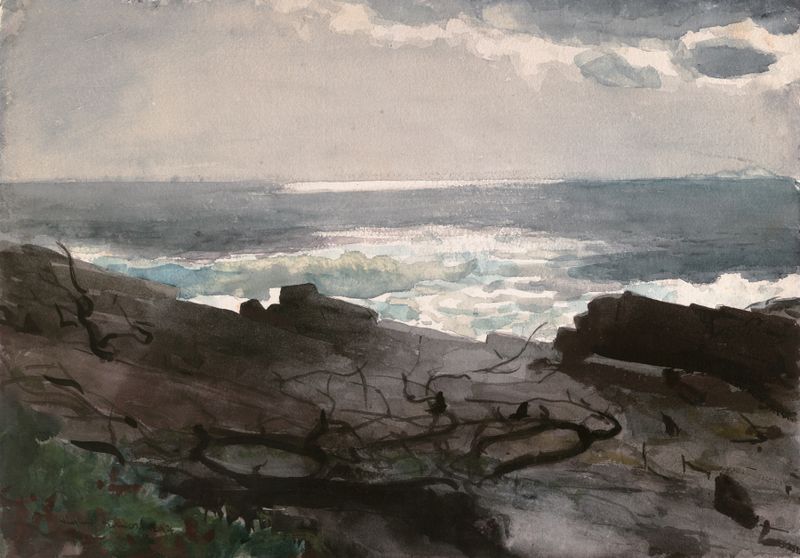
Sunshine and Shadow, Prout’s Neck
Winslow Homer
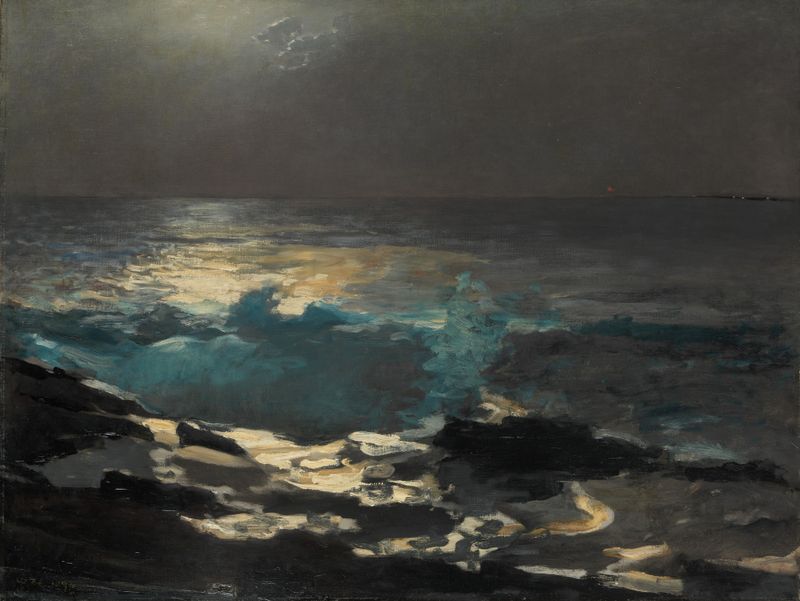
Moonlight, Wood Island Light
Winslow Homer
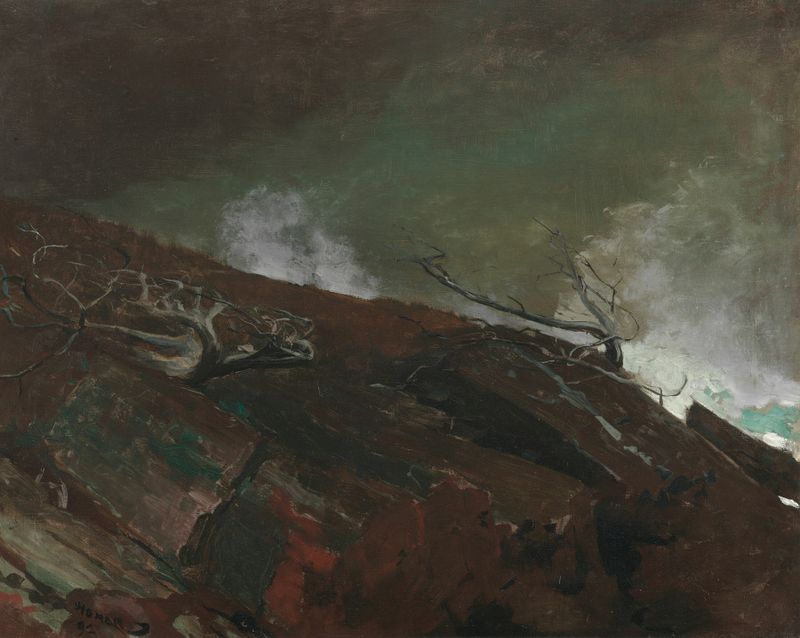
Coast of Maine
Winslow Homer
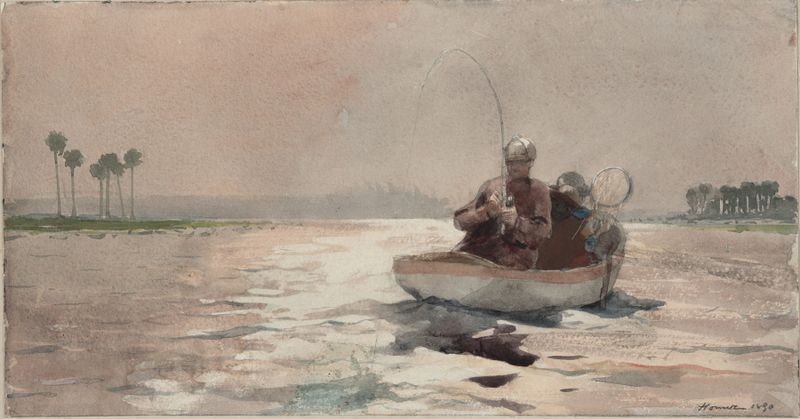
Bass Fishing – Florida
Winslow Homer





