
Paradijsvogel — History & Facts
What if beauty was never meant to be finished? In Paradijsvogel, the viewer is swept into a world that seems to dance between reality and the ethereal, illuminating the delicate threads of movement that bind us to the fleeting nature of existence. Look to the center, where figures in elaborate costumes swirl gracefully, each adorned with intricate patterns that echo the grace of birds in flight. The rich hues of red and gold contrast with the softer pastel blues and greens, creating a vibrant tapestry that pulls the eye in every direction. The fluid lines and ornate details suggest not just the movement of the dancers but also the rhythm of life itself, each stroke meticulously applied to evoke an enchanting sense of vitality. Yet beneath the surface beauty lies a poignant tension.
The figures, while engaged in joyous celebration, seem suspended in time, caught between the ecstasy of the moment and the inevitability of its end. This duality speaks to the transient nature of beauty, where the spark of life is both exhilarating and ephemeral. The careful interplay of light and shadow reflects the artist's understanding of the complexities of existence, emphasizing that every joyous moment carries a whisper of sorrow. During the years 1625 to 1629, Jacques Callot created Paradijsvogel amidst a shifting landscape in the art world, where the Baroque style was rising to prominence in Europe.
Working in Nancy, Callot was navigating his own artistic evolution, influenced by the theatricality of the period and the intricacies of Italian art. His ability to capture movement and emotion in a single frame marked a significant contribution to the development of printmaking and narrative art, allowing him to explore the intersection of beauty and transience through exquisite detail and dynamic forms.
More Artworks by Jacques Callot
Browse all →
Titelprent voor de prentreeks 'De kleine apostelen' (Het martelaarschap van de apostelen)
Jacques Callot
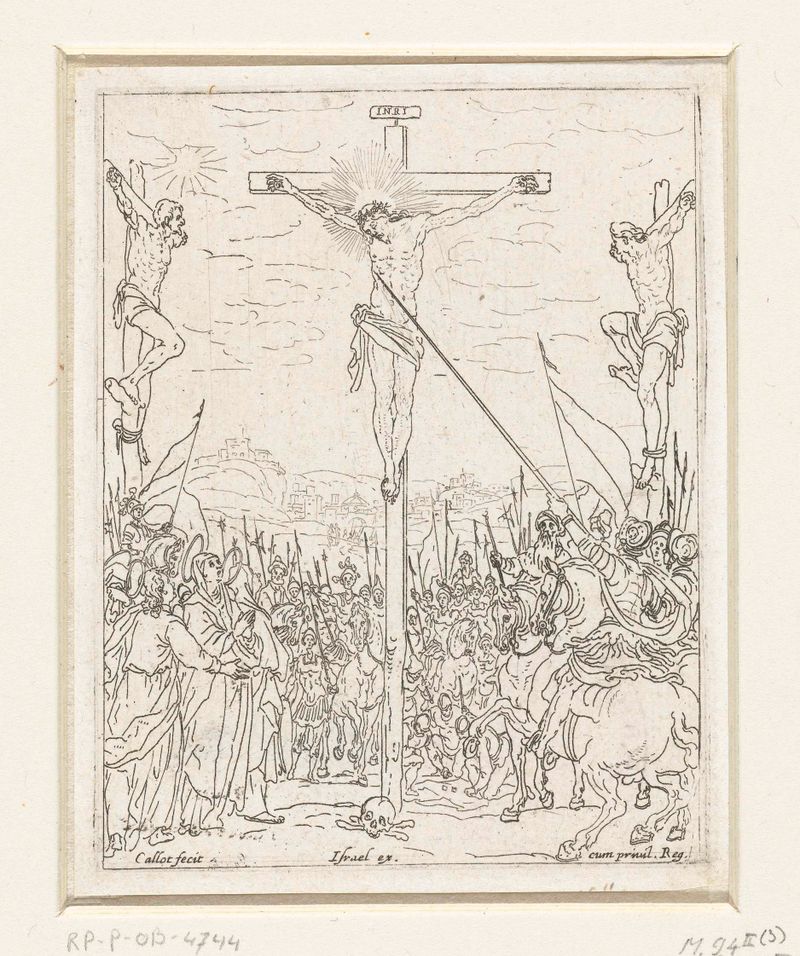
Kruisiging
Jacques Callot

De doortocht door de Rode Zee
Jacques Callot

De verloren zoon als zwijnenhoeder
Jacques Callot

Annunciatie
Jacques Callot
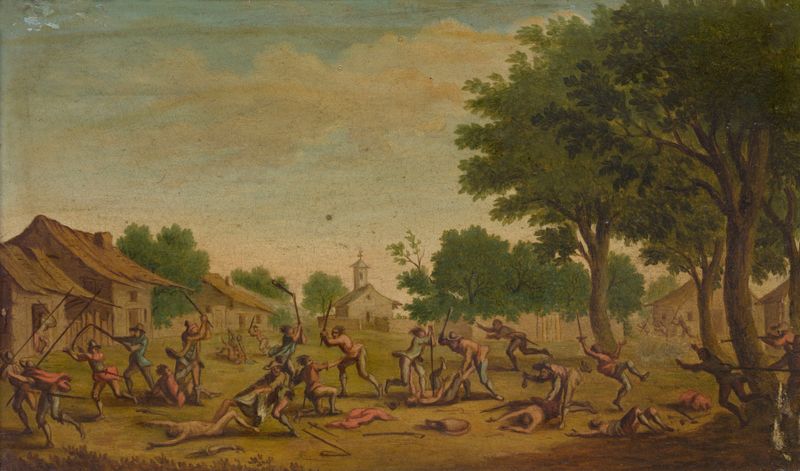
Village Fight
Jacques Callot

Titelprent voor prentreeks 'Het leven van Maria'
Jacques Callot
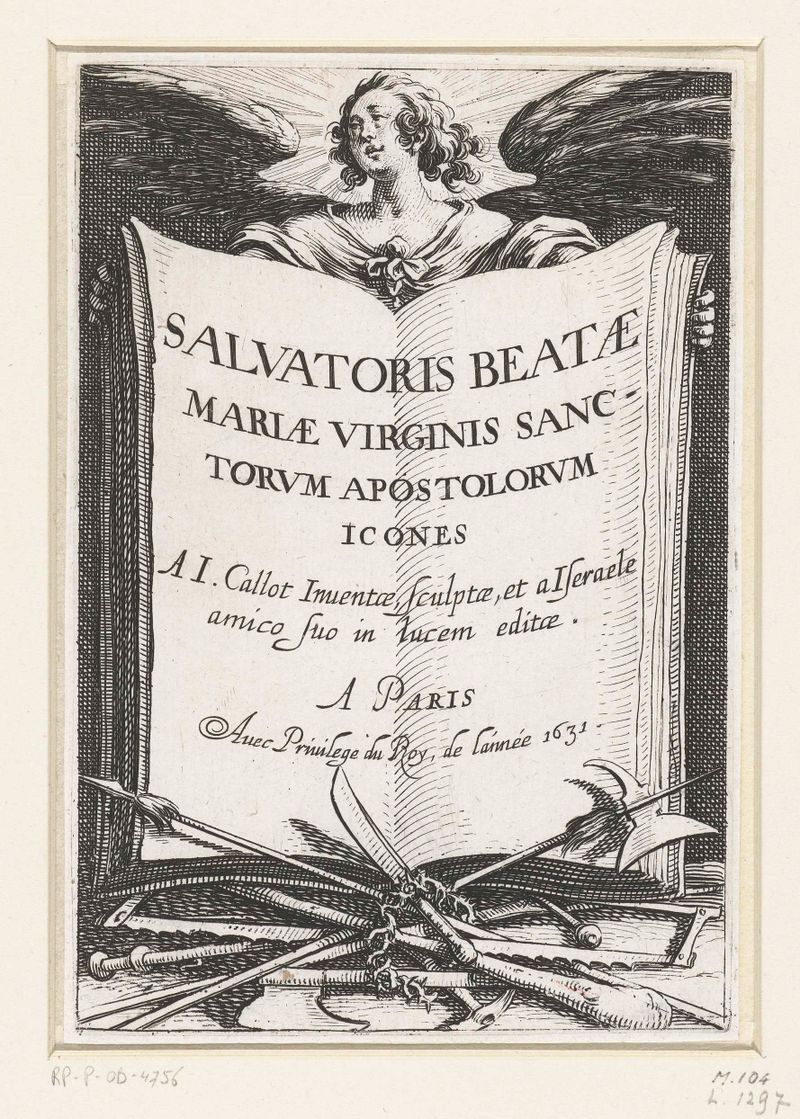
Titelprent voor de prentreeks 'De grote apostelen' (Christus, Maria en de apostelen)
Jacques Callot

Christus aan het volk getoond (Ecce homo)
Jacques Callot
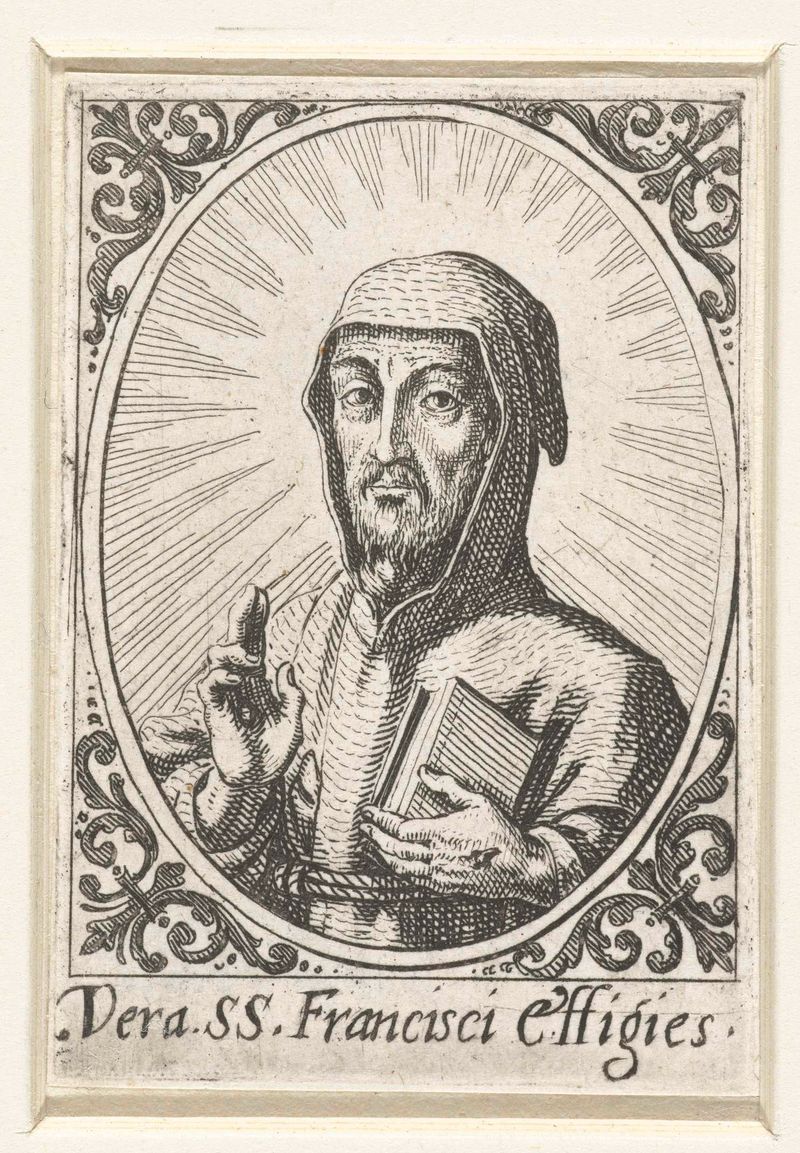
Portret van de Heilige Franciscus
Jacques Callot





